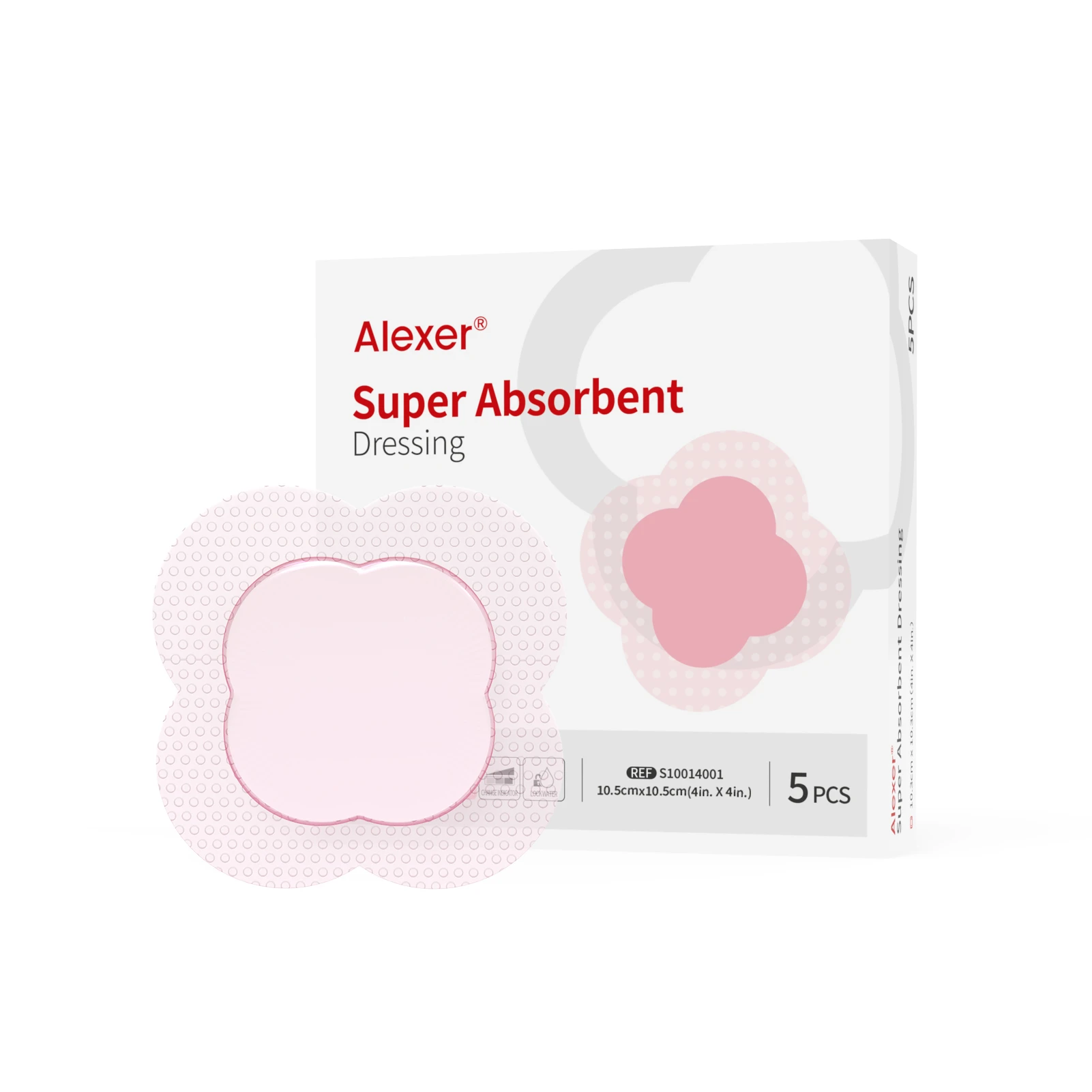
Foam dressings are specialized wound care products designed to create an ideal healing environment. These dressings consist of soft, absorbent materials that manage moisture and protect wounds from external contaminants. By maintaining the right level of moisture, they encourage faster wound healing and reduce complications.
Recent studies demonstrate their effectiveness. For example:
-
Polyurethane foam dressings reduced weekly costs by 59% while requiring fewer dressing changes.
-
Silicone foam dressings significantly lowered the risk of pressure ulcers compared to standard care.
-
In a trial, silver and ibuprofen-releasing foam dressings decreased wound size by 42% and reduced pain within 12 hours.
These benefits highlight why foam dressings are a vital tool in modern wound care.
Key Takeaways
-
Foam dressings keep wounds moist, helping them heal faster and better.
-
They block bacteria from entering wounds, reducing infections and aiding healing.
-
Foam dressings work well for many wounds, like bedsores and surgery cuts.
-
They are comfortable, easy to use, and don’t hurt when removed.
-
Ask a doctor to pick the best foam dressing for your wound.
What Are Foam Dressings?

Definition and purpose
Foam dressings are advanced wound care products designed to support the healing process by creating an optimal environment for recovery. These dressings are soft, absorbent, and versatile, making them suitable for a wide range of wounds. Their primary purpose is to manage moisture levels, protect the wound from external contaminants, and promote faster healing.
Medical literature highlights their importance in treating wounds with moderate to heavy exudate, such as stage III or IV pressure ulcers. Foam dressings are often considered medically necessary for these cases. They can be used as primary dressings or as fillers, depending on the wound’s condition.
|
Definition/Scope of Purpose |
Details |
|---|---|
|
Medical Necessity |
Foam dressings are medically necessary for full-thickness wounds (e.g., stage III or IV ulcers) with moderate to heavy exudate. |
|
Dressing Change Frequency |
Up to 3 times per week for primary dressings; up to 1 change per day for fillers unless more frequent changes are documented. |
By addressing both moisture management and protection, foam dressings play a critical role in modern wound care practices.
How foam dressings work
Foam dressings work by combining multiple mechanisms to create a healing-friendly environment. Their absorbent layers draw excess fluid (exudate) away from the wound bed, preventing maceration and maintaining the right level of moisture. This balance is essential for wound healing, as it encourages new tissue growth while reducing the risk of infection.
The design of foam dressings also helps reduce pressure on the wound site. For example, the sliding layers in some dressings minimize mechanical stress on the skin and underlying tissues. Studies have shown that products like ALLEVYN LIFE foam dressings absorb 30-45% of mechanical energy, which lowers the risk of pressure injuries.
|
Mechanism of Action |
Description |
|---|---|
|
Absorption of Mechanical Energy |
Alexer® Super absorbent dressing-silicone adherent is indicated for management of moderately to heavily exuding wounds. |
|
Pressure Reduction |
The sliding layers of the dressing help to lower pressure on the skin and underlying tissues. |
|
Wound Management |
Effective in preventing and managing various types of wounds, including pressure ulcers and diabetic foot ulcers. |
Additionally, foam dressings stimulate cellular activity in the surrounding skin, promoting epithelial cell migration and faster recovery. Multi-layer designs are particularly effective for shallower wounds, as they maintain consistent pressure distribution and prevent deformation.
-
Key benefits of foam dressings include:
-
Absorbing excess fluid to prevent maceration.
-
Reducing pressure on the wound site.
-
Stimulating tissue regeneration for faster healing.
-
These features make foam dressings an essential tool in wound care, offering both protection and active support for recovery.
Composition and Structure of Foam Dressings
Materials used in foam dressings
Foam dressings are crafted from advanced materials designed to support wound healing. Silicone is one of the most commonly used materials due to its gentle adherence and ability to prevent skin damage during removal. Studies have shown that silicone-based foam dressings are effective in reducing pressure injuries, especially in hospital settings. However, researchers emphasize the need for further testing to confirm their long-term safety and effectiveness.
Other materials, such as polyurethane, are also widely used. Polyurethane foam is highly absorbent, making it ideal for wounds with moderate to heavy exudate. This material helps maintain a moist environment, which is essential for tissue regeneration. Additionally, some foam dressings incorporate antimicrobial agents like silver to reduce the risk of infection.
Tip: When choosing a foam dressing, consider the material’s compatibility with your skin and the wound’s specific needs.
Design features and layers
The structure of foam dressings plays a crucial role in their effectiveness. Many foam dressings feature multiple layers, each serving a specific purpose. For example, the outer layer is often waterproof to protect the wound from external contaminants. Beneath this, an absorbent core manages exudate, while the inner layer ensures gentle contact with the wound bed.
Some foam dressings, like Ultra-absorbent pads(SAP) with silicone adhesive that is suitable for a wide range of acute and chronic exuding wounds. Absob the seepage and lock the liquid. High wearing comfort due to excellent padding properties. Silicone coated contact layer and bord. Experts like Amit Gefen highlight the importance of shear mitigation in preventing these injuries, emphasizing the role of innovative dressing designs.
These design features make foam dressings versatile and effective for various wound types, ensuring both protection and comfort during the healing process.
Benefits of Foam Dressings for Wound Healing

Moisture management for optimal healing
Foam dressings excel at maintaining a moist wound environment, which is essential for improved wound healing. These dressings absorb excess exudate while preventing the wound bed from drying out. This balance creates optimal moisture levels, encouraging new tissue growth and reducing the risk of complications like maceration.
You might wonder why moisture is so important. A moist wound environment supports cellular activity and promotes faster regeneration of skin tissue. Foam dressings are particularly effective for wounds with moderate to heavy exudate, as their absorbent layers manage fluid efficiently. However, the effectiveness of foam dressings can depend on factors like the size of the wound and the use of compression bandages.
-
Key points about moisture management:
-
Foam dressings support moist wound healing, which accelerates recovery.
-
They prevent complications by absorbing excess exudate.
-
Clinical evaluations help determine the right dressing for your wound.
-
Note: Always monitor the dressing’s absorptive capacity to ensure it matches the wound’s exudate production. This prevents issues like leakage or drying out.
Protection against infection
Foam dressings act as a protective barrier, shielding wounds from bacteria and other contaminants. This protection from bacteria reduces the risk of infection, which is a critical factor in wound care. Some foam dressings even incorporate antimicrobial agents like silver to enhance their infection-fighting capabilities.
Although foam dressings provide a barrier against bacteria, studies show no significant difference in healing outcomes when compared to other wound dressings like hydrocolloid or paraffin gauze. This highlights the importance of choosing a dressing based on your wound’s specific needs rather than relying solely on general comparisons.
|
Comparison Type |
Outcome |
Statistical Significance |
|---|---|---|
|
Foam vs Hydrocellular Foam |
No difference in healing outcomes |
Not statistically significant |
|
Foam vs Hydrocolloid |
No significant difference in proportion of ulcers healed at 12-16 weeks |
Not statistically significant |
|
Foam vs Paraffin Gauze |
No significant difference in healing outcomes |
Not statistically significant |
Despite these findings, foam dressings remain a reliable choice for infection prevention due to their ability to create a protective barrier. They are suitable for wounds that require both exudate management and protection from external contaminants.
Comfort and atraumatic removal
Patient comfort is a top priority in wound care, and foam dressings deliver on this front. These dressings are designed to be easy to apply and remove, minimizing discomfort during dressing changes. Many foam dressings feature a silicone layer that adheres gently to the skin, reducing irritation and preventing trauma during removal.
If you have sensitive skin or wounds in delicate areas, foam dressings are an excellent option. Non-adhesive foam dressings are also available, offering a non-adherent surface that reduces trauma further. This makes them ideal for wounds in frequently moved areas or for patients who require frequent dressing changes.
-
Benefits of atraumatic removal:
-
Silicone layers promote gentle adhesion, reducing skin damage.
-
Non-adhesive options are suitable for wounds in sensitive or mobile areas.
-
Foam dressings enhance patient comfort during application and removal.
-
Tip: If you experience discomfort during dressing changes, consult a healthcare professional to explore alternative options or techniques.
Foam dressings combine comfort, protection, and effective exudate management, making them a versatile choice for various wound types. Their ability to support healing while prioritizing patient comfort sets them apart in modern wound care.
Versatility for different wound types
Foam dressings stand out in wound care due to their adaptability to various wound types. Their design and functionality make them suitable for both acute and chronic wounds, offering effective solutions for a wide range of conditions. Whether you are dealing with a surgical incision or a traumatic injury, these dressings provide the flexibility and performance needed to support wound healing.
You can rely on foam dressings for wounds with moderate to heavy exudate. Their absorbent layers manage fluid effectively while maintaining a moist wound environment, which is essential for tissue regeneration. Additionally, their ability to conform to irregular wound shapes ensures proper coverage and protection, even in challenging cases.
Here are some common wound types where foam dressings excel:
-
Pressure ulcers
-
Venous ulcers
-
Arterial ulcers
-
Diabetic foot ulcers
-
Surgical wounds
-
Traumatic wounds
-
Donor sites
-
Partial-thickness burns
-
Abrasions and lacerations
The versatility of foam dressings also extends to their use in managing moisture, reducing infection risks, and preserving tissue integrity. For example, they work well for wounds that require frequent dressing changes or those located in areas prone to movement. Their gentle adherence and atraumatic removal enhance patient comfort, making them a preferred choice for sensitive skin or delicate wound sites.
When selecting a wound dressing, you should consider the specific needs of the wound. Foam dressings are particularly effective for wounds that demand moisture control and protection from external contaminants. Their multi-layered design not only absorbs exudate but also prevents maceration, ensuring the wound bed remains in optimal condition for healing.
By tailoring your choice of wound dressing to the type of wound, you can optimize outcomes and promote faster recovery. Foam dressings offer a reliable and versatile option for addressing diverse wound care challenges, making them an essential tool in modern wound management.
Applications of Foam Dressings in Wound Care
Suitable wound types
Foam dressings are highly versatile and suitable for wounds with moderate to heavy exudate. They work well for both acute and chronic wounds, offering effective solutions for various conditions. These dressings are particularly beneficial for wounds that require a moist environment to promote healing.
The following table highlights wound types that are ideal for foam dressings:
|
Wound Type |
Suitability for Foam Dressings |
|---|---|
|
Leg Ulcers |
Yes |
|
Pressure Ulcers |
Yes |
|
Sutured Wounds |
Yes |
|
Skin Grafts |
Yes |
|
Donor Sites |
Yes |
|
Minor Burns |
Yes |
|
Wounds Requiring NPWT |
Yes |
If you are managing wounds like pressure ulcers, skin grafts, or minor burns, foam dressings provide excellent protection and support. Their ability to conform to irregular shapes ensures proper coverage, even for challenging wound sites.
How to use foam dressings
Using foam dressings correctly is essential for effective wound care. Start by cleaning the wound with a suitable solution to remove debris and bacteria. Gently pat the area dry before applying the dressing. Choose a foam dressing that matches the size and shape of the wound. Ensure it covers the wound completely, extending slightly beyond the edges to protect the surrounding skin.
For adhesive foam dressings, press the edges gently to secure them in place. If you are using a non-adhesive dressing, secure it with a secondary dressing or bandage. Always follow the instructions provided with the product to ensure proper application.
Tip: Consult a healthcare professional if you are unsure about the correct dressing type or application method.
When to change foam dressings
Changing foam dressings at the right time is crucial for maintaining a healthy wound environment. Most foam dressings can remain in place for several days, depending on the wound’s exudate level. Check the dressing regularly for signs of saturation, such as leakage or discoloration. Replace it immediately if it becomes saturated or loses its adhesive properties.
For wounds with heavy exudate, you may need to change the dressing more frequently. Always monitor the wound for signs of infection, such as increased redness, swelling, or odor. If you notice any of these signs, consult a healthcare provider promptly.
By following these guidelines, you can ensure that foam dressings provide optimal support for wound healing while maintaining patient comfort.
Considerations and Potential Drawbacks
Limitations of foam dressings
Foam dressings offer many benefits, but they also have limitations. For wounds like venous leg ulcers, studies show foam dressings do not outperform other wound dressings in terms of healing outcomes. The Cochrane review highlights that the evidence supporting foam dressings for these wounds is of low quality. This indicates the need for more rigorous research to better understand their effectiveness.
Another limitation lies in the clinical evidence available for certain foam dressings. For example, evaluations of ActivHeal PHMB Foam dressings rely on observational studies. These studies provide useful insights but lack the robustness of randomized controlled trials. Without stronger evidence, it becomes challenging to fully assess the performance of foam dressings in wound care.
Situations where foam dressings may not be ideal
Foam dressings are versatile, but they are not suitable for all wounds. Wounds with minimal exudate may not benefit from foam dressings, as their absorbent layers could dry out the wound bed. Similarly, wounds requiring frequent inspection, such as infected wounds, may need dressings that allow easier visibility.
For wounds with irregular shapes or deep cavities, foam dressings might not conform well without additional support. In such cases, alternative wound dressings like alginate or hydrocolloid may be more effective. You should always consider the wound type and its specific needs when selecting a dressing.
Importance of professional guidance
Choosing the right wound dressing is critical for effective wound healing. Healthcare professionals play a vital role in guiding this process. The NHS Clinical Evaluation Team emphasizes that wound healing is complex and requires optimal conditions. Professionals can assess the wound and recommend the most suitable dressing based on its characteristics.
Expert opinions also highlight the importance of understanding the desired functions of foam dressings. Professionals can ensure that the dressing meets these requirements, enhancing its effectiveness in wound care. If you are unsure about which dressing to use, consulting a healthcare provider can help you make informed decisions.
Foam dressings offer numerous advantages for wound care. They maintain a moist environment, protect against bacteria, and adapt to various wound types. Their easy removal minimizes trauma, while their high absorbency makes them ideal for wounds with moderate to heavy exudate. These dressings are also cost-effective and safe for most patients.
|
Benefit/Application |
Description |
|---|---|
|
Moist wound healing |
Promotes faster recovery by maintaining optimal moisture levels. |
|
Protection from bacteria |
Shields wounds from infection and external contaminants. |
|
Adaptable |
Suitable for diverse wound sizes and anatomical locations. |
For effective wound healing, consult a healthcare professional to select the best dressing for your needs. www.slkmedical.com
FAQ
What makes foam dressings different from other wound dressings?
Foam dressings absorb more exudate than many other types of dressings. They also maintain a moist environment, which speeds up healing. Unlike gauze or hydrocolloid dressings, foam dressings provide cushioning and reduce pressure on the wound site, making them ideal for sensitive or high-friction areas.
Can foam dressings be used on infected wounds?
Yes, but only under professional supervision. Some foam dressings contain antimicrobial agents like silver, which help manage infection. However, you should consult a healthcare provider to ensure the dressing is appropriate for your wound’s condition and to monitor for signs of worsening infection.
How long can you leave a foam dressing on a wound?
Most foam dressings can stay in place for 3-7 days, depending on the wound’s exudate level. Check the dressing regularly for saturation or leakage. Replace it immediately if it becomes saturated or loses adhesion. Always follow the product’s instructions or your healthcare provider’s advice.
Are foam dressings suitable for dry wounds?
No, foam dressings are not ideal for dry wounds. They work best for wounds with moderate to heavy exudate. Using them on dry wounds may cause the wound bed to dry out further, delaying healing. For dry wounds, consider hydrogel or other moisture-donating dressings.
Do foam dressings cause pain during removal?
Foam dressings are designed for gentle removal. Many feature silicone layers that adhere lightly to the skin, reducing trauma and discomfort. Non-adhesive options are also available for sensitive areas. If you experience pain during removal, consult a healthcare provider to explore alternative options.