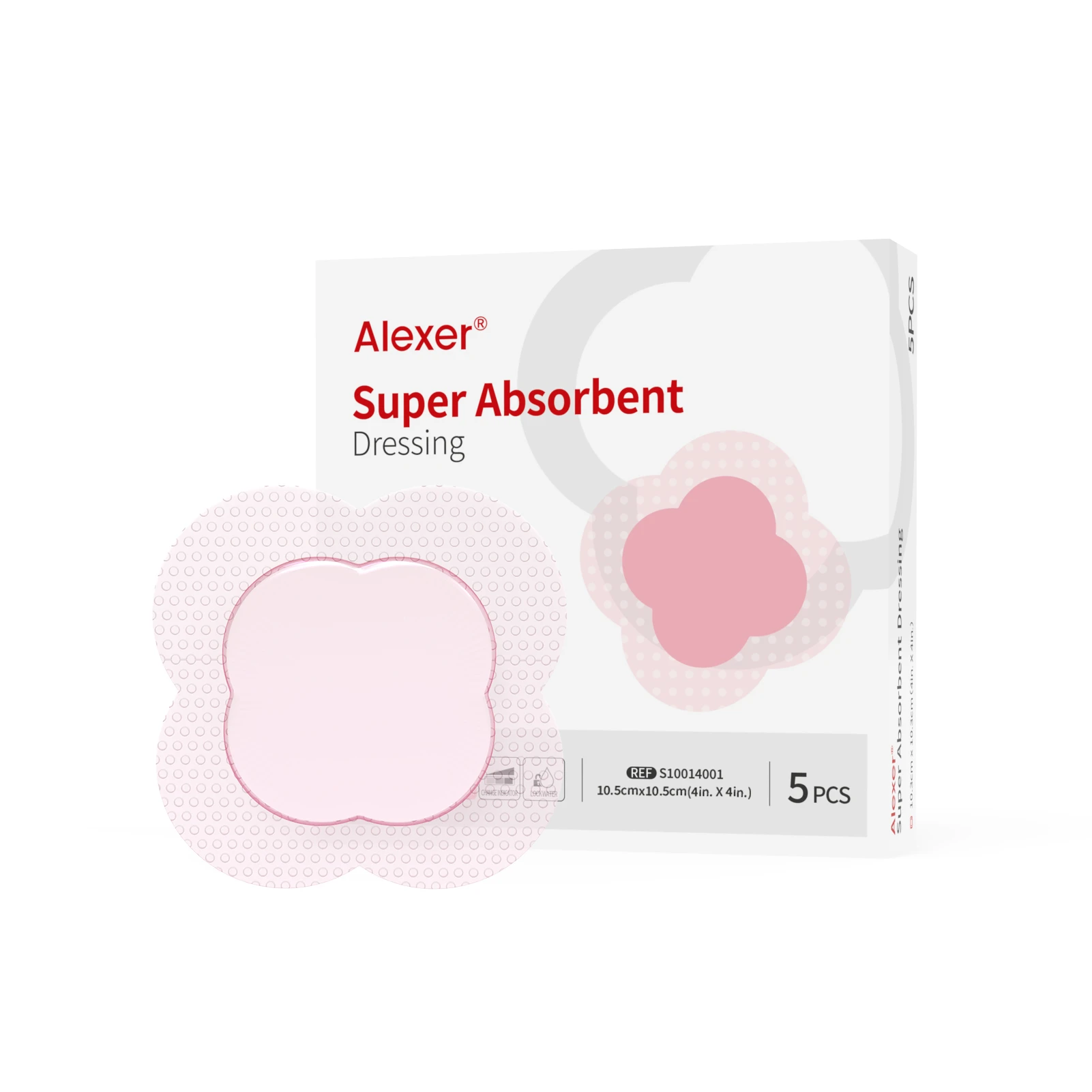
You rely on medical standards and certifications to ensure every transparent wound dressing is safe and effective. Standards such as EN 13726:2023 provide clear guidelines for testing, including absorbance under pressure and fluid retention. This allows you to trust that transparent wound dressing products deliver on their promises in real-world care. Even advanced options, like SLK Medical’s transparent wound dressing, must meet these rigorous requirements before they are used.
Key Takeaways
-
Medical standards make sure transparent wound dressings work well and are safe. Always look for certifications like FDA approval to make sure they are good quality.
-
International standards, like ISO 10993 and ISO 11607, show that dressings are safe for skin and packed the right way. Check for these standards on the product labels.
-
Picking certified brands, like SLK Medical, keeps patients safer and more comfortable. Certified products help wounds heal quicker and lower the chance of infection.
-
Check the paperwork and labels before you use any dressing. Look for seals that show if the package was opened and certificates that prove it is real.
-
Keep up with new rules and changes in wound care. Knowing this helps you pick the best products for wound care.
Medical Standards for Transparent Wound Dressing

Medical standards are very important. They help make sure every transparent wound dressing is safe and works well. These rules tell companies how to test, label, and sell dressings. When you pick a dressing, you want to know it meets tough wound care rules. This keeps patients safe and helps you trust the products you use. Even new dressings, like ones from SLK Medical, must follow these rules before they can be sold.
FDA and Regulatory Approval
In the United States, the Food and Drug Administration (FDA) checks transparent wound dressing products before they go to hospitals or clinics. The FDA makes sure the dressing is safe for wounds and does what it says. The FDA puts dressings into groups by risk. Class 1 dressings are low risk. Class 3 dressings are high risk. The FDA also wants companies to use clear labels and follow strict testing steps. If the FDA changes its rules, companies may have to change how they make and sell dressings. New rules can make it harder for small companies to sell dressings. Big companies may find it easier to follow new rules.
Tip: Always check for FDA approval on the package or product info. This means the dressing passed important safety and quality tests.
ISO and International Standards
International standards help make sure transparent wound dressing products are safe and work well everywhere. The International Organization for Standardization (ISO) makes these rules. You may see ISO 10993, which checks if the dressing is safe for your skin. ISO 11607 is another rule. It covers how dressings are packed and kept clean.
-
ISO 10993: Checks if the dressing is safe for your skin.
-
ISO 11607: Sets rules for packing and keeping dressings clean.
Here is a table that shows how ISO rules compare to US and European rules:
|
Aspect |
US Standards (FDA) |
EU Standards (MDR) |
|---|---|---|
|
Recognition of ISO 11607 |
Yes |
Yes |
|
Approval Process |
FDA premarket approval |
Approval from Notified Bodies (NBs) |
|
Additional Requirements |
N/A |
More strict rules and CE mark needed |
|
Testing Validation |
Done by FDA and special labs |
Done by NBs with extra checks |
|
Class Distinctions |
Has Class 1, 2, and 3 |
Has Class 1, 2, and 3 |
|
Real-time Aging Testing |
Not always needed |
Needed by NBs for stability |
|
Microbial Barrier Testing |
General rules |
More strict rules and proof needed |
|
Labeling Requirements |
Standard labels |
More details for easy reading |
If you see a dressing that meets ISO rules, you know it passed big safety and quality tests. SLK Medical’s transparent wound dressing follows these rules, so you can trust it for wound care.
National Certification Requirements
Every country has its own rules for wound care certification. These rules decide if a transparent wound dressing can be sold there. In the US, the FDA makes the rules. In Europe, the MDR and CE mark are important. In China, there are other rules. These rules can change, and new ones can come. When this happens, companies must update their products and tests.
|
Evidence |
Explanation |
|---|---|
|
FDA’s new rule could change how dressings are grouped and checked. |
This means new rules can change how dressings are sold. |
|
Many companies do not like the new rule. |
Some worry new rules make it harder to sell dressings, especially for small businesses. |
|
The FDA may use more strict rules in the future. |
Companies may need to spend more money and time to follow new rules. |
-
Companies must use proven test methods.
-
These rules can make it cost more and be harder to get wound care certification.
-
Big companies may find it easier to follow these rules than small ones.
When you choose a transparent wound dressing, always check for national certification. This helps you know the product meets your country’s safety and quality rules. SLK Medical’s dressings meet these rules, so you can use them with confidence for wound care.
Role of Transparent Dressings in Wound Care
What Are Transparent Wound Dressings?
You see transparent wound dressings in many places. These dressings are thin sheets made from polyurethane. The material is soft and bends easily. It sticks to the skin near the wound, but not on the wound. The dressing is clear, so you can see the wound. You do not need to take off the cover to check the wound. This helps you watch how the wound heals and spot problems early.
Transparent dressings keep the wound moist. Moisture helps your body heal faster. The dressing lets air and water vapor go through. It blocks water and bacteria. You get a waterproof shield that lets the wound breathe. This balance helps protect the wound and helps it heal.
You find these dressings simple to use. They come in many sizes for different wounds. You can use them for small cuts or big wounds. The rounded corners help the dressing stay on. You do not need to change the dressing often. This makes wound care easier for you.
Clinical Applications and Benefits
You use transparent dressings for many kinds of wounds. They work well for surgical wounds, small cuts, scrapes, and burns. You can use them to hold catheters or medical devices. The waterproof feature lets you shower or swim. You do not need to worry about the wound getting wet.
Here is a table that shows how transparent dressings and traditional dressings compare:
|
Dressing Type |
Infection Prevention |
Healing Rates |
Pain Levels |
Other Benefits |
|---|---|---|---|---|
|
Transparent Dressings |
High |
Faster healing |
Lower pain |
Moist environment, easy wound monitoring |
|
Traditional Dressings |
Lower |
Slower healing |
Higher pain |
Frequent changes, risk of tissue damage |
You see that transparent dressings help stop infection. They keep out bacteria and dirt. The breathability helps cells grow and repair tissue. You feel less pain because you do not need to remove the dressing often. The moist environment helps wounds heal faster. You get better results when you use these dressings.
SLK Medical’s Transparent Dressing is new in wound care. The dressing uses special coating to let more air in. You get a soft, hypoallergenic product that protects the wound and feels good. You can trust this dressing to keep the wound safe and help it heal.
-
Waterproof dressings keep wounds dry during daily life.
-
They protect wounds from bacteria and dirt.
-
Breathable design helps wounds heal better.
You make wound care better by choosing transparent dressings. You help wounds heal faster, lower pain, and reduce infection risk.
Wound Care Certification and Compliance
Certification Process for Manufacturers
FDA Registration and ISO 13485 Certification
You want to be sure your transparent wound dressing is safe. Companies must sign up with the FDA and get ISO 13485 certification. This checks if the company has good quality control. Products with these certifications have passed safety tests. Wound care certification helps you pick dressings that protect wounds and help them heal.
CE Mark and International Market Access
If you are outside the US, you look for the CE mark. This mark means the dressing meets European safety rules. The CE mark shows the product passed extra safety tests. You can use these dressings in many countries. Wound care certification helps more people get safe dressings.
End-to-End Quality Management System (Example: SLK Medical)
SLK Medical uses a full quality system for wound care certification. This covers every step, from making to shipping. You get dressings that meet all wound care rules. SLK Medical makes sure each dressing is safe, clean, and ready to use.
Compliance Steps for Healthcare Providers
Prioritizing Certified Brands (e.g., SLK Medical)
You should always choose brands with wound care certification. Certified brands like SLK Medical help you feel safe. You know these dressings follow all the rules.
Verifying Documentation and Certificates
You can check wound care certification on product labels and papers. Ask for proof of FDA, ISO, or CE approval. This helps you avoid dressings without certification.
Using Official Channels and Manufacturer Websites
You find more details on official websites. Many companies post wound care certification online. You can also use government sites to check if a product is certified.
Maintaining Quality and Certification
Ongoing Third-Party Audits (e.g., SGS, BSCI)
You want to know wound care certification stays current. Groups like SGS or BSCI check if companies keep high standards. These checks happen often to make sure dressings stay safe.
Automated Production and Quality Consistency
Companies use machines to keep wound care quality high. Machines help make each dressing the same. This helps keep products safe and reliable.
Continuous Innovation and Regulatory Updates (Example: SLK Medical)
SLK Medical keeps up with new rules and new science. You get dressings that use the latest ideas. The company updates its wound care certification when rules change.
Note: Companies face many problems with wound care certification:
High costs for new materials and technology.
Lots of checking to make sure dressings are safe and work well.
You help with wound care certification. By picking certified products and checking papers, you help keep wounds safe and help them heal.
Verifying Certified Transparent Wound Dressings
Checking Documentation and Labels
You must look at the package and label before using any transparent wound dressing. Certified products have clear signs that show they follow the rules. Find tamper-evident labels on the package. These labels show if someone tried to open or change the package. Security labels will show if the package was changed. They help you trust the product and keep fake dressings away.
You should see these things on the package:
-
Certificate of compliance from the maker.
-
Tamper-evident security labels.
-
Special codes like RFID or QR codes to check if it is real.
-
Unique packaging features that are hard to copy.
Manufacturers must give certificates of compliance for packaging when you ask. These certificates are public and help you check if the product meets wound care standards. You can see sample certificates online, like ones for metals or PFAS.
Tip: Always look for a clear doctor’s signature and patient name on every page of wound care papers.
Using Official Databases
You can use official databases to check if transparent wound dressings are certified. The OWCNAHP database updates every day and helps you see if a product has wound care certification. This database is good for professionals and the public. You can search for people who hold certifications and check their credentials. Employers use this database to make sure products meet wound care standards.
Common Pitfalls to Avoid
You may have problems if you do not follow clear steps for wound care paperwork. Almost half of wound care records miss important details. This can cause trouble with certification and patient safety. Always write down the wound status and progress at each visit. Add details like where the wound is, its size, depth, and stage. Check and record the skin around the wound.
Common mistakes include:
-
Missing patient name or doctor’s signature.
-
Not writing down wound progress or using photos for debridement.
-
Working with providers who do not have wound care leaders, which can hurt trust and patient care.
|
Compliance Aspect |
Description |
|---|---|
|
Understanding Compliance Guidelines |
Learn rules from Medicare Administrative Contractors for surgical dressings. |
|
Accurate Documentation |
Keep good records to help with compliance and payment. |
|
Audit Preparation |
Make sure all paperwork is ready for audits. |
Act now to keep your notes complete and meet all wound care rules. Use experts and resources to help with compliance. Stay ready for audits to avoid problems.
You make wound care better by picking certified transparent dressings. Certified products help wounds heal faster and feel more comfortable. You feel happier with dressings that follow FDA and ISO rules. You help patients by using dressings that pass EN 13726:2023 tests. You stay safe by checking for certification and learning new rules. You find new technology, like SLK Medical’s dressing, that helps you watch wounds easily. You keep wounds safe and help them heal by following certification rules.
|
Benefit |
Result |
|---|---|
|
Patient Comfort |
Dressings feel good and do not hurt |
|
Healing Rate |
Most wounds heal well, no bad problems |
|
Patient Satisfaction |
Everyone likes certified dressings |
-
Pick wound care products with certification for safety.
-
Check labels and papers for wound care certification.
-
Learn about new updates to protect wounds better.
|
Regulatory Impact |
Description |
|---|---|
|
Lets products be sold in the market |
|
|
Consumer Trust |
Grows when dressings are certified |
|
Risks of Non-compliance |
Products may be recalled and lose trust |
FAQ
What makes transparent dressings important in wound care?
You use transparent dressings to protect wounds. These dressings let you see the wound without removing the cover. You keep the wound clean and safe. You help wounds heal faster. You make wound care easier for both you and wound care specialists.
How do you know if a transparent dressing meets wound care standards?
You check the packaging for clear labels. You look for FDA approval, ISO numbers, or a CE mark. You ask for certification from the maker. You trust wound care products that show proof of safety. You help wounds heal by choosing certified dressings.
Can you use transparent dressings for all types of wounds?
You use transparent dressings for many wounds. You cover cuts, scrapes, burns, and surgical wounds. You do not use them on wounds with heavy drainage. You ask wound care specialists for advice. You pick the right dressing for each wound care treatment.
How do you apply and remove a transparent wound dressing?
You wash your hands before touching the wound. You clean the wound gently. You peel off the backing and place the dressing over the wound. You press the edges to seal it. You remove the dressing slowly to avoid hurting the wound or skin.
Why should you choose certified brands for wound care?
You trust certified brands because they follow strict rules. You know these dressings passed safety tests. You help wounds heal better. You lower the risk of infection. You make wound care safer for everyone by picking products with proper certification.