


You may ask if silicone scar sheets help with surgical scars. Studies show they work well. For example:
|
Study |
Findings |
|---|---|
|
O’Brien and Jones (2013) |
Scars got 86% more flexible. The color got much better. |
|
Karagoz et al. |
Silicone sheets worked better than other treatments for burn scars. |
|
International Advisory Panel |
Experts say silicone gel sheeting is good for scar care. |
SLK Medical sheets feel soft and are comfy to wear. They also protect scars from UV rays. You get good results and gentle care.
Key Takeaways
-
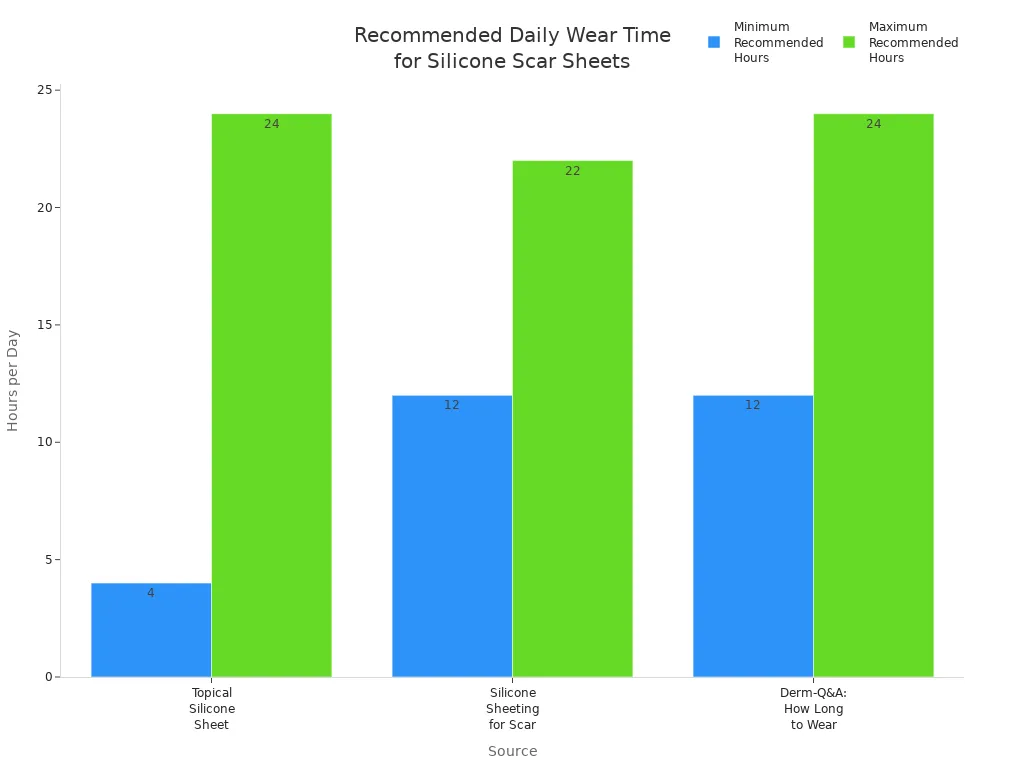
Silicone scar sheets help scars look better. They make scars softer and flatter. Scars also look less easy to see. For best results, use silicone scar sheets after your wound is closed. This usually happens 5 to 10 days after surgery. Wear the silicone sheets for at least 12 hours each day. This helps you get the most benefit and keeps your scar managed. Use silicone sheets to protect your scar from UV rays. This stops discoloration and helps healing. Clean your silicone sheets often. This makes them work better and last longer.
Do Silicone Scar Sheets Help Fade Scars?
Clinical Evidence and Benefits
You might ask if silicone scar sheets really help. The answer is yes. Doctors say topical silicone gel is the best for scars. Many studies show it helps scars look better after surgery. The sheets are soft and feel nice on your skin. Using topical silicone gel can make scars softer and flatter. It works for keloids and hypertrophic scars.
Here are some ways topical silicone gel helps with scars:
-
It keeps your skin moist and stops dryness.
-
Scars get less thick, less red, and hurt less.
-
It helps the top skin layer heal so scars do not get worse.
-
It moves pressure away from the wound to stop raised scars.
Doctors trust topical silicone gel for scar care. Tests show it helps many people. If you use it right, you can see scars change over time.
Tip: Use topical silicone gel every day. Keep the sheet on your scar as much as you can.
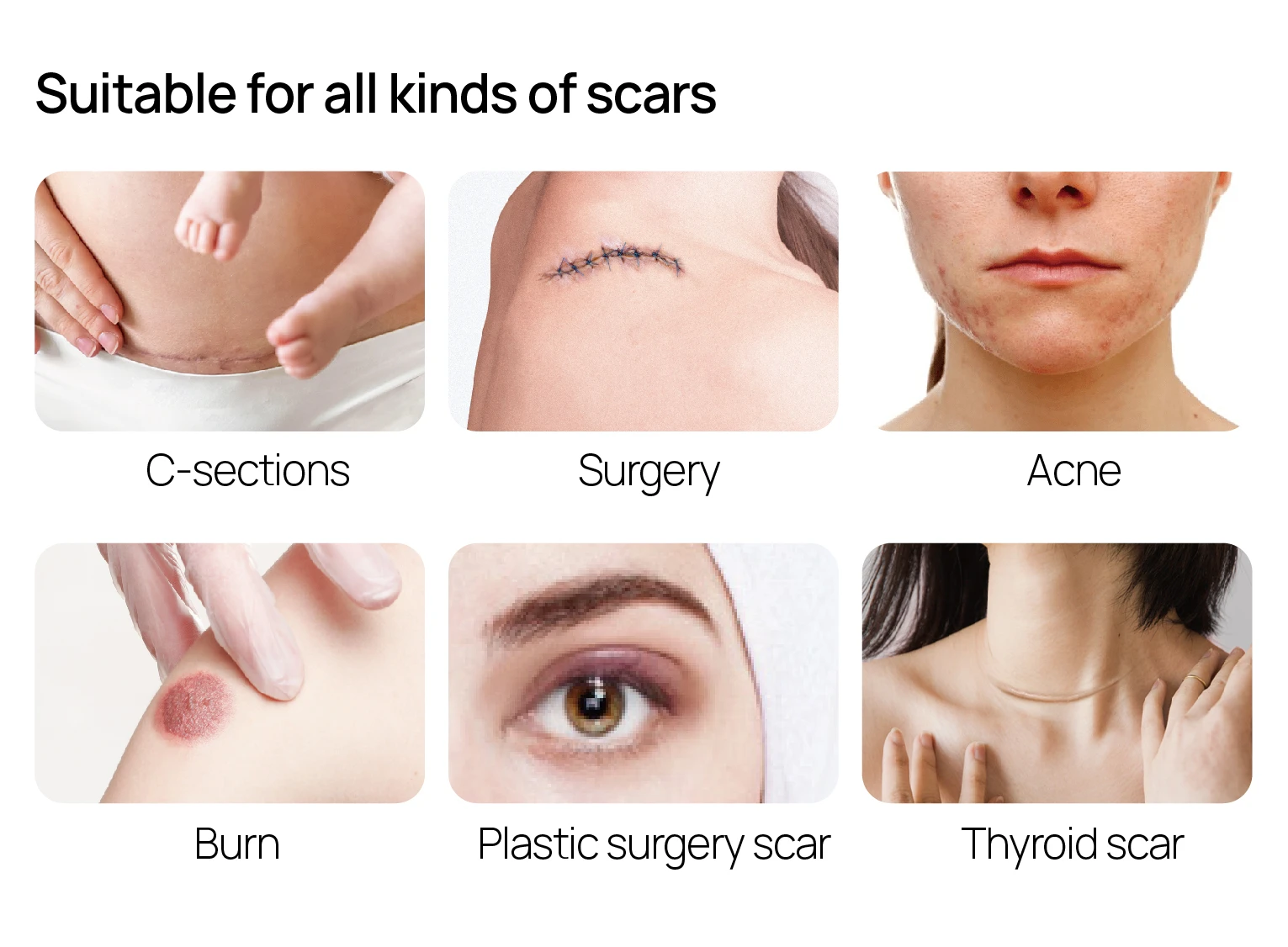
Types of Scars Treated
Topical silicone gel works for many kinds of scars. You can use it on new or old scars. It helps with surgical scars, burns, and injury scars.
Here is how silicone sheets help different scars:
|
Type of Scar |
Improvement Seen |
|---|---|
|
Hypertrophic Scars |
Better color, thinner scars, more flexible skin |
|
Keloids |
You may wonder if scars come back. Studies show using surgery, medicine, and silicone sheets lowers keloids coming back to 12.5% after a year. Topical silicone gel helps keep scars under control.
If you want scars to look better, topical silicone gel is safe and works well. You can trust it as part of your scar care routine.
How SLK Medical Silicone Scar Sheets Work

Hydration and Occlusion Mechanism
When you use SLK Medical silicone gel sheeting, you give your scar the best chance to heal well. These sheets do more than just cover your skin. They create a special environment that helps your scar fade and feel softer.
-
Silicone sheets help fade raised scars and even stop new scars from forming.
-
They hydrate the scar tissue, which keeps it soft and flexible.
-
The gentle pressure from silicone gel sheeting helps control how much collagen your body makes.
-
You get a breathable barrier that traps moisture, making your scar more pliable over time.
Take a look at how this works:
|
Mechanism |
Description |
|---|---|
|
Occlusion |
Creates a moist space, helping your skin cells act normal and heal smoothly. |
|
Hydration |
Adds water to the top skin layer, which helps control collagen and softens the scar. |
This process can make your scar 32% more flexible after eight weeks. It also lowers scar hardness by 25% compared to scars you leave untreated. The occlusive effect even reduces swelling and redness, so your scar heals with less trouble.
UV Protection and Comfort
SLK Medical silicone gel sheeting does more than help scars fade. It also protects your healing skin from the sun’s UV rays. Sunlight can make scars darker and more noticeable. When you use these sheets, you block out harmful rays and keep your scar from changing color.
You will find these sheets soft and easy to wear. The gentle adhesive sticks well but comes off without pain. You can cut the sheets to fit any scar, so they feel comfortable all day. Many people forget they are even wearing them.
Tip: For best results, wear your silicone gel sheeting every day and keep it clean. This helps your scar heal faster and look better.
How to Use Silicone Scar Sheets Effectively
When to Start Application
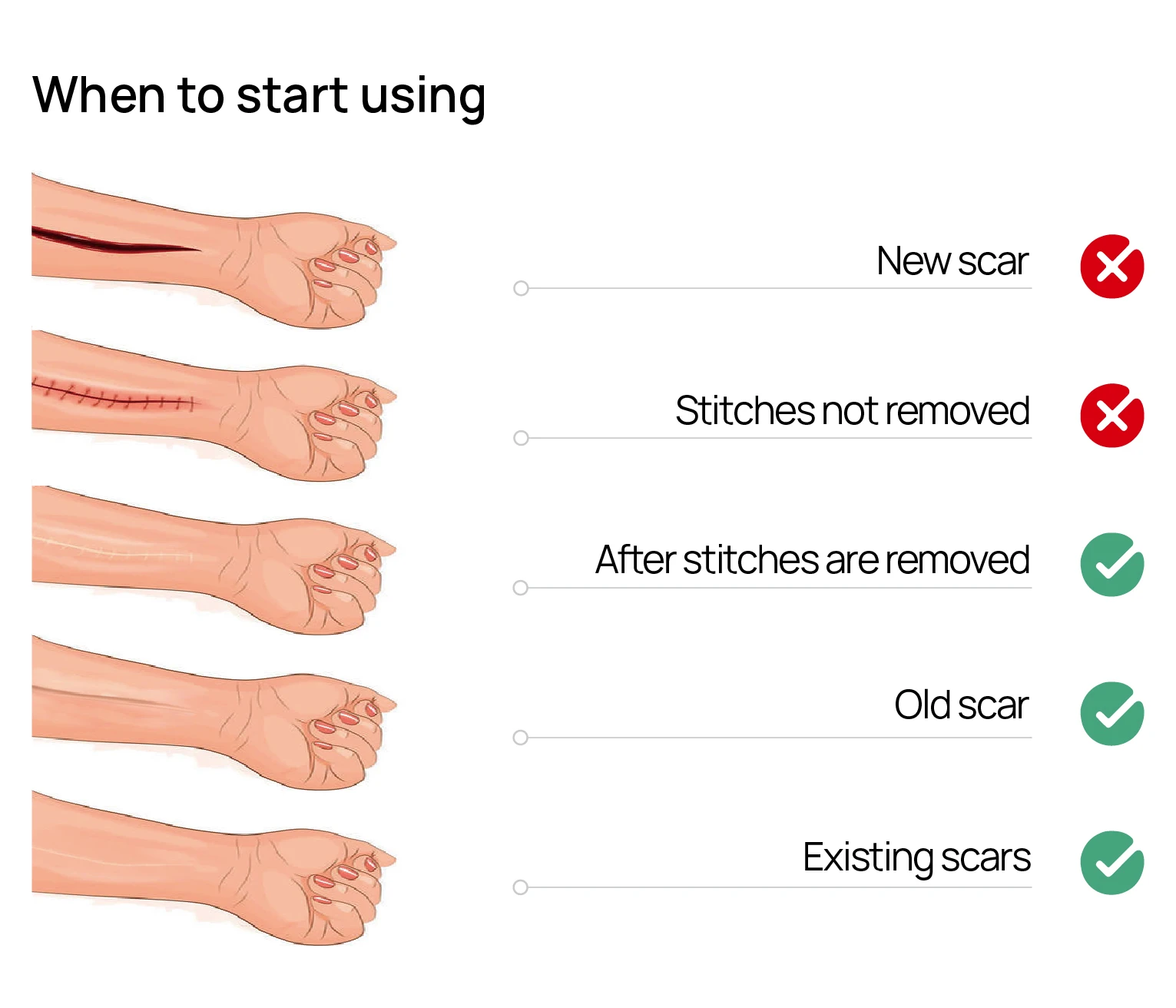
You want to get the best results from scar therapy. Timing matters. Start using silicone scar sheets only after your wound has fully closed and there is no fluid or crust. Most people can begin about 5 to 10 days after surgery, but always check with your doctor first. Early intervention helps scars heal better, so don’t wait too long once your skin is ready.
Tip: Never apply sheets to open wounds or areas with irritation. Wait until your skin looks healthy and dry.
Step-by-Step Instructions
You can follow these steps to make sure your scar therapy works well:
-
Clean your scar area with mild soap and water. Dry it completely.
-
Trim the silicone scar sheet to fit your scar. Cover an extra 2 cm around the scar for better protection.
-
Remove any hair near the scar. This helps the sheet stick better.
-
Place the sheet gently over your scar. Smooth out any air bubbles or wrinkles.
-
Start by wearing the sheet for a few hours. Increase the time each day as your skin gets used to it.
-
Aim to wear the sheet for at least 12 hours daily. Some people wear it up to 24 hours.
-
Take off the sheet for bathing or cleaning. Put it back on after you dry your skin.
-
Wash the sheet every day with mild soap and water. Let it air dry before you use it again.
Note: Keeping your sheets clean helps with scar therapy and keeps your skin healthy.
Duration and Reusability
Consistency is key in scar therapy. You need to use silicone scar sheets every day for the best results. Each sheet lasts about 2 to 4 weeks. Replace it when it loses stickiness or looks worn out.
Here’s a quick guide for how long to use the sheets:
|
Phase |
Description |
|---|---|
|
Initial Phase (0-2 months) |
Start using sheets once the wound is closed; wear for 12-24 hours daily. |
|
Intermediate Phase (2-6 months) |
Keep using sheets and watch for changes in your scar. |
|
Extended Phase (6-12 months) |
For tough scars, continue using sheets and stay consistent. |
You might wonder how many months you need for scar therapy. Most new scars need 2 to 3 months of daily use. Older or stubborn scars may need up to 6 months.
|
Scar Type |
Duration Required |
|---|---|
|
New scars |
2-3 months |
|
Older scars |
Up to 6 months |
You can see big changes if you stick with your scar management plan. Wearing sheets for 12 to 24 hours each day gives you the best chance for smooth, flat skin.
😊 Pro Tip: The more consistent you are with scar therapy, the better your results. Make it part of your daily routine.
Silicone Scar Tape vs. Silicone Scar Sheets
Key Differences
SLK Silicone Scar Sheets
You might wonder what makes SLK Silicone Scar Sheets stand out. You can cut these sheets to fit any scar, no matter the shape or size. They stick well and stay in place, even on busy days. You can reuse each sheet for 2 to 4 weeks, so you get a lot of value from every piece. These sheets also protect your scar from UV rays, which helps prevent dark spots. The soft adhesive feels gentle on your skin and comes off without pain. You will find them comfortable to wear, and they rarely fall off. If you have a large, flat, or irregular scar—like one from surgery, a burn, or an accident—these sheets work great.
SLK Silicone Scar Tape
SLK silicone scar tape works best for scars that are long and thin. Think about scars on your joints or along incision lines. The tape bends and flexes with your body, so it stays put even when you move. You can use silicone scar tape on curved or moving parts, like elbows or knees. It offers secure adhesion and feels light under your clothes. If you need to reposition it, you can do so easily. For people with scars that need flexibility and comfort, silicone scar tape is a smart choice.
Here’s a quick table to help you see the main differences:
|
Feature/Benefit |
SLK Silicone Scar Sheets |
SLK Silicone Scar Tape |
|---|---|---|
|
Custom Fit |
Can be cut to any shape or size |
Best for linear or narrow scars |
|
Reusability |
2–4 weeks per sheet |
Reusable and washable |
|
UV Protection |
Yes |
Yes |
|
Comfort |
Soft, gentle, painless removal |
Flexible, secure, easy to reposition |
|
Best For |
Large, flat, irregular scars |
Joints, incision lines, moving body parts |
|
Adhesion |
Not easy to fall off |
Stays put on curved or moving areas |
Tip: If you have a scar that covers a big area or has an odd shape, you will likely prefer SLK Silicone Scar Sheets. For scars that run along your arm or knee, silicone scar tape might be the better fit.
Choosing the Right Product
When you pick between SLK Silicone Scar Sheets and silicone scar tape, think about your scar’s location, size, and shape. If your scar is large, flat, or covers an uneven area, SLK Silicone Scar Sheets give you the best coverage. You can cut them to fit, and they apply steady pressure to help flatten the scar.
For scars that are long, thin, or sit on joints, silicone scar tape is the way to go. It bends with your body and stays in place, even when you move a lot. Silicone scar tape is also great if you want something discreet under your clothes.
Here are some things to consider:
-
Use SLK Silicone Scar Sheets for post-surgical scars, burns, or trauma scars that need full coverage.
-
Choose silicone scar tape for scars on elbows, knees, or other places that move often.
-
If you have an active lifestyle, silicone scar tape offers flexibility and comfort.
-
For scars that need steady pressure and UV protection, SLK Silicone Scar Sheets work well.
You can also look at this table for more guidance:
|
Factor |
SLK Silicone Scar Sheets |
Silicone Scar Tape |
|---|---|---|
|
Scar Location and Size |
Large, irregular, or flat scars |
Linear scars, joints, moving body parts |
|
Lifestyle and Comfort |
Comfortable, gentle, stays in place |
Flexible, discreet, easy to wear |
|
Application Preference |
Customizable, covers wide areas |
Quick, easy, fits curved surfaces |
Note: Your choice depends on your needs. Some people even use both products for different scars. Try each one to see what feels best for you.
You have options when it comes to scar care. SLK Silicone Scar Sheets and silicone scar tape both help scars heal and fade. Pick the one that matches your scar and your daily routine. If you are not sure, talk to your doctor or a wound care expert for advice.
Tips and Common Concerns
Side Effects and Safety
You want your scar to heal well, but you also want to keep your skin safe. Most people find SLK Medical Silicone Scar Sheets gentle and easy to use. You may feel a little itch or redness at first, but this usually goes away as your skin gets used to the sheet. If you have sensitive skin, you should take a few extra steps to avoid problems.
Here’s a quick table to help you remember the best safety tips:
|
Precaution |
Importance |
|---|---|
|
Clean the Area Well |
Removes dirt and oils that can affect adhesion |
|
Ensure Your Skin is Totally Dry |
Maximizes adhesive properties of the tape |
|
Say No to Lotions and Creams |
Prevents reduction in tape effectiveness |
|
Hygiene Maintenance |
Ensures continued effectiveness of the tape |
If you notice irritation or discomfort, rinse the area with water every day. Wash both your skin and the silicone scar sheet with mild soap. This helps remove dirt or bacteria that could cause problems. If the irritation does not go away, stop using the sheet and talk to your doctor. You want to avoid anything that could slow down healing or increase keloid development.
Tip: Always check your skin for changes. If you see swelling or pain, take a break and let your skin rest.
Troubleshooting Issues
Sometimes, silicone scar sheets do not stick as well as you want. This can happen if your skin is oily, wet, or has lotion on it. Here are some simple steps you can try:
-
Clean your skin before you put on the sheet.
-
Make sure your skin is completely dry.
-
Check for any signs of irritation or allergies.
If you follow these steps, your sheet should stay in place and help prevent keloid development. Remember, keeping your skin clean and dry is one of the best ways to support healing and reduce the risk of keloid development.
😊 Note: If you ever feel unsure, reach out to a healthcare professional for advice. Your comfort and safety come first.
You can achieve smoother, softer scars by following a few simple steps.
-
Start using SLK Medical Silicone Scar Sheets once your wound closes.
-
Wear the sheet every day for at least 12 hours.
-
Keep your routine steady for at least 12 weeks.
-
Protect your scar from sunlight with the silicone layer.
-
Reach out to your doctor if you have questions.
|
Benefit |
How It Helps You |
|---|---|
|
Hydration |
Makes scars softer and flatter |
|
Collagen Regulation |
Prevents raised scars |
|
Protective Barrier |
Shields healing skin |
Consistent use helps scars fade and boosts your confidence. You deserve to feel good about your skin!
FAQ
How soon will I see results with silicone scar sheets?
You may notice changes in your scar after a few weeks. Most people see the best results after 2 to 3 months of daily use. Stubborn scars might take up to 6 months.
Can I shower or swim while wearing the sheet?
You should remove the silicone scar sheet before bathing or swimming. After you dry your skin, put the sheet back on. This helps the sheet stick better and last longer.
Are silicone scar sheets safe for sensitive skin?
Yes, SLK Medical Silicone Scar Sheets use a soft adhesive that feels gentle. Most people with sensitive skin can use them without problems. If you notice redness or itching, take a break and check with your doctor.
Can I use makeup or sunscreen over the scar sheet?
No, you should not apply makeup or sunscreen on top of the sheet. Put these products around the sheet instead. This keeps the sheet clean and helps it work better.
What should I do if the sheet loses its stickiness?
If your sheet stops sticking, it is time to replace it. Each sheet usually lasts 2 to 4 weeks. Clean the sheet daily with mild soap and water to help it last longer.


