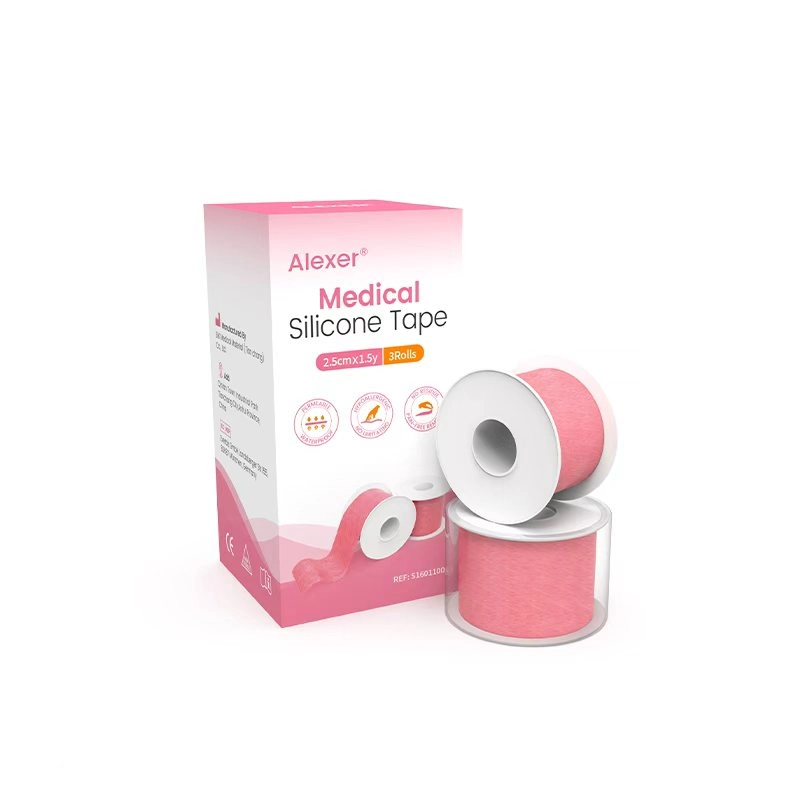



If you have sensitive skin, silicone tape medical is often the gentlest choice. Traditional tapes can hurt your skin or cause a rash. This happens more if your skin gets upset easily. Many people with sensitive skin want adhesives that do not hurt. They also want tape that is easy to take off. Skin injuries from medical adhesives are a real problem for people like you. Picking the right tape can help keep your skin safe. It can also help you heal faster. SLK Medical is a leader in wound care. They make products that help you feel safe and comfortable.
Key Takeaways
-
Silicone tape medical is softer on sensitive skin than regular tapes. It lowers the chance of pain and irritation when you take it off. Using silicone tape can stop skin damage. This makes it safer for people who need to change dressings a lot. It is good for kids and older people. Silicone tape is hypoallergenic, so it works for people with allergies. It keeps you comfortable and does not cause skin problems. The tape is made to be easy to move and take off. This helps keep your skin healthy and helps it heal faster. Always look at your skin for redness or irritation after using any tape. Pick silicone tape for a safer and more comfortable time.
Silicone Tape Medical vs. Traditional Tapes
Key Differences for Sensitive Skin
When you look at silicone tape medical and traditional tapes, you see big differences. This is very true if your skin is sensitive. Silicone tape medical has a soft silicone adhesive. It sticks to your skin in a gentle way. Traditional tapes use acrylate or rubber-based adhesives. These can be much rougher on your skin.
-
Clinical studies say silicone tape medical is less harsh on your skin barrier than acrylate-based tapes.
-
Silicone tape medical sticks well but does not hurt your skin when you take it off.
-
Traditional tapes can pull off your top skin layer. This can cause pain and make your skin sore.
You can see how skin reacts in the table below:
|
Type of Injury |
Traditional Adhesive Tapes |
Silicone Tape Medical |
|---|---|---|
|
Skin Denudation |
4 out of 30 patients |
0 out of 30 patients |
|
Incidence of Skin Injury in Elderly |
15.5% |
N/A |
Silicone tape medical is special because it keeps your skin safe. You do not need to worry about skin stripping or redness when you take it off. This makes it a better choice for people who change dressings a lot or have weak skin.
Why Gentleness Matters
Being gentle is very important for sensitive skin. If you use tape that is too strong, you might hurt your skin every time you take it off. Silicone tape medical helps you avoid this. It sticks well but comes off without pain or damage.
-
Silicone tape medical is gentle on your skin, so it works well for soft areas.
-
Traditional tapes use stronger adhesives. These can pull off skin cells and hurt your skin.
Silicone adhesives have lower surface tension. This helps them stick to your skin’s shape without causing pain or skin damage when you take them off. Also, silicone-based products need less force to peel off and are less likely to pull off skin cells. This makes them better for sensitive skin.
You want tape that keeps your skin safe. Silicone tape medical lets you feel calm about your skin. You can use it on kids, older people, or anyone with soft skin. It helps you heal faster and feel better during care.
What Is Silicone Tape Medical?

Materials and Design
Silicone tape medical uses silicone-based adhesives for a gentle hold. These tapes feel soft and bend easily. The silicone-based adhesives help the tape fit your skin well. This makes it comfy for you to wear every day. Traditional tapes can stick too hard. Silicone-based adhesives do not do this. You can take off the tape without pain or hurting your skin.
-
Silicone-based adhesives are gentle and hypoallergenic. You can use them if your skin is sensitive.
-
The tape comes off without pain. This helps you feel better when you change dressings.
-
You can use silicone tape medical on soft skin, like your face or arms.
-
The tape is soft and fits your body shape. This gives you more comfort.
-
Silicone-based adhesives let you move the tape if you need to. This makes it easy to fix.
Alexer® Medical Silicone Tape by SLK Medical is special because of its smart design. The tape is showerproof. You can wear it longer and not worry. You can use it to hold IV lines, dressings, or medical tools.
Benefits for Sensitive Skin
If your skin is sensitive, silicone-based adhesives help a lot. These tapes are good for babies, older people, and people on dialysis. The gentle stick keeps your skin safe from harm.
A study compared silicone tape and paper tape. Silicone tape was picked for being gentle. This shows it is good for people with sensitive skin, like babies.
Alexer® Medical Silicone Tape is made for comfort and easy use. You can put it on again without making your skin sore. This is great if you need to change dressings often.
Here is a table that shows skin irritation rates:
|
Tape Type |
Skin Irritation Rate |
Skin Denudation Rate |
|---|---|---|
|
Silicone Tape |
1 patient |
0 patients |
|
Traditional Tape |
11 patients |
4 patients |
You can see silicone-based adhesives lower skin problems. You get a safe hold without redness or pain. This makes silicone tape medical a smart pick for gentle and safe care.
Understanding Medical Tape Types
Traditional Adhesive Tapes
You will find several types of traditional adhesive tapes in healthcare. Each type has its own strengths and best uses. When you look at medical tape uses, you see that each tape helps with different needs. Here are the main categories you might see in a hospital or clinic:
-
Paper tapes: You use these for securing dressings and devices. They are gentle and let your skin breathe.
-
Cloth tapes: You choose these when you need strong hold for heavier dressings. They last longer but do not let as much air through.
-
Foam tapes: You use these for wounds that need soft pressure. They absorb well and cushion the area.
-
Transparent tapes: You pick these when you want to see the wound. They keep water out and protect the skin.
-
Silicone tapes: You use these for sensitive skin. They are soft and do not cause allergies.
You can see the differences between traditional adhesive tapes and silicone tape in this table:
|
Feature |
Traditional Adhesive Tapes |
Silicone Tape |
|---|---|---|
|
Adhesive Properties |
Strong or gentle |
Gentle, pain-free removal |
|
Skin Compatibility |
May cause irritation |
Hypoallergenic, less irritating |
|
Intended Use |
Strong hold for dressings and devices |
Sensitive skin, frequent changes |
|
Water Resistance |
Varies |
Often waterproof |
|
Reusability |
Single-use |
Reusable, gentle for repeated use |
When to Use Each Type
You need to match the tape to your patient’s needs. Medical tape uses depend on skin type, age, and the job you want the tape to do. For example, you use paper tape for daily dressing changes on normal skin. You use cloth tape when you need a strong hold, like for a splint. Foam tape works well for wounds that need padding. Transparent tape is best when you want to check the wound without removing the tape. Silicone tape is the best choice for people with sensitive skin, like babies or the elderly.
Tip: Always check your patient’s skin before you pick a tape. If the skin is thin or fragile, choose a gentle tape. If you need to secure a device on a moving joint, pick a tape that can stretch and move with the skin.
You will see that medical tape uses change with each patient. You want to keep the skin safe, prevent injury, and make sure the dressing stays in place. By knowing the right tape for each job, you help your patients heal faster and feel more comfortable.
Comparing Skin Impact
Adhesion and Removal
When you pick medical tape, you want to know how it sticks. Adhesion means how the tape holds onto your skin. Silicone tape medical uses gentle adhesion. This lets the tape keep dressings and devices in place. It does not hurt your skin. You can take off silicone tape easily. The tape does not pull or strip your skin. You feel less pain when you remove it.
Traditional tapes use stronger adhesion. This makes removal harder. The tape can stick too much. You might feel discomfort or see skin damage. Traditional tapes can leave sticky stuff on your skin. You need to clean your skin after you take it off. Sometimes, strong adhesion pulls off the top layer of your skin.
Look at this table to see the differences:
|
Feature |
Silicone Tape Benefits |
Traditional Tape Drawbacks |
|---|---|---|
|
Biocompatible, skin-friendly |
May cause irritation |
|
|
Removal Experience |
Atraumatic, minimizes irritation |
Can lead to discomfort and skin stripping |
|
Residue |
No residue left on skin |
Often leaves adhesive residue |
|
Skin Integrity |
Maintains skin surface layers |
Can damage skin during removal |
|
Infection Risk |
Resistance to microbial growth |
Higher risk of infection |
|
Comfort during Use |
Lower discomfort during dressing changes |
Higher discomfort during removal |
Silicone tape medical gives you safe adhesion. You get a secure hold and easy removal. You do not worry about pain or sticky skin. Silicone tape helps you feel comfortable when you change dressings.
Risk of Irritation
Adhesion can cause skin irritation. If your skin is sensitive, you want tape that does not make it red or sore. Silicone tape medical uses soft adhesion. This lowers your chance of irritation. You can use it on babies, older adults, or anyone with fragile skin. Gentle adhesion keeps your skin safe.
Traditional tapes use strong adhesion. This can cause skin irritation. You may see redness, swelling, or small wounds. These tapes can make your skin sore after you take them off. You should watch for signs of irritation if you use traditional tapes.
You want to keep your skin healthy. Silicone tape medical gives you safe adhesion. You can change dressings often and not worry about skin problems. The right adhesion helps you heal faster and stay comfortable.
Tip: Always check your skin after you remove tape. If you see redness or pain, switch to a tape with gentle adhesion. This helps you avoid skin injuries and keeps your skin safe.
SLK Medical’s Silicone Tape Advantages
Product Features and Innovation
You want tape that sticks well but does not hurt. Alexer® Medical Silicone Tape uses special silicone for gentle sticking. The tape keeps dressings and devices in place. It is waterproof, so wounds stay dry when you move around. You do not have to worry about the tape coming off.
D-Pore™ technology lets air pass through the tape. This helps wounds heal by keeping air and moisture balanced. You can move the tape to check wounds without losing its stick. The tape is easy to adjust during care. It comes off without hurting your skin. This lowers the chance of skin damage or infection. Many doctors use this tape to help with scars. The tape can help make scars smaller. It is used by clinics all over the world.
Here is a table showing key features:
|
Feature |
Benefit for You |
|---|---|
|
Waterproof |
Keeps wounds dry |
|
Gentle adhesion |
Protects sensitive skin |
|
D-Pore™ technology |
Improves breathability |
|
Easy wound observation |
|
|
Atraumatic removal |
Lowers skin injury risk |
|
Reduces scarring |
Real-World Applications
You see this tape used in many hospitals and clinics. It is safe for people with sensitive skin because it is hypoallergenic. You can wear it on your face or neck for a long time. The tape sticks well but feels soft. It lets your skin breathe, which helps stop redness and swelling. Studies show people with sensitive skin like this tape.
You can use the tape for wounds, holding medical devices, and helping scars heal. The tape does not have chemicals that can cause skin problems. Nurses use it for babies, older people, and people on dialysis. The tape helps wounds heal and keeps you comfortable every day.
Tip: You can trust Alexer® Medical Silicone Tape to stick well and be gentle in any clinic.
Choosing the Right Medical Tape
Factors for Sensitive Skin
When picking medical tape for sensitive skin, you must think about a few things. Your skin needs gentle care, so you want tape that protects it. The right tape sticks well but does not hurt or damage your skin.
Here is a table to help you see what is important:
|
Criteria |
Description |
|---|---|
|
Hypoallergenic properties |
Lowers the chance of irritation or allergies for sensitive skin. |
|
Adhesive properties |
Stays on even if your skin is wet or oily. |
|
Water resistance |
Keeps tape sticky in wet places and helps dressings stay on. |
|
Flexibility |
Lets the tape move with your body, so it feels comfy. |
|
Long-lasting adhesion |
Keeps dressings on longer without hurting your skin. |
|
Dependable performance |
Comes off safely with little pain or skin harm. |
You should also think about how each tape sticks. Silicone tapes use gentle sticking, which helps stop skin injuries. Traditional tapes often stick stronger, which can cause irritation or pull off skin. If you have allergies or sensitive skin, pick hypoallergenic tapes with soft sticking.
Silicone tape is special because of its materials. It is made to lower skin injuries when you take it off. This makes it good for people who need care for a long time or change dressings a lot. The gentle sticking of silicone tape helps your skin heal and feel better.
Practical Tips
You can get the best results from your tape by following some easy steps. These steps help keep your skin safe and make sure the tape works well.
-
Clean and dry your skin before you put on the tape. This helps the tape stick better.
-
Do not use lotions, oils, or creams right before using tape. These can make the tape not stick well.
-
Press the tape gently on your skin so it sticks evenly and stays on.
-
For best results, keep the tape on for 12 to 24 hours each day. This helps the tape support healing over time.
-
Change the tape when needed, but always check your skin for redness or pain after you take it off.
-
If you need to move the tape, silicone tape lets you do this without losing stickiness or hurting your skin.
Tip: Always pick tape that matches your skin’s needs. The right tape keeps your dressings safe and your skin healthy.
By following these tips, you help your skin heal and avoid problems. Good tape means your dressings stay on, and your skin stays safe.
Safe Use and Best Practices
Application Tips
You want to get the best results from your medical silicone tape. Start by washing your hands. Clean and dry the skin where you will place the tape. This helps the tape stick better and makes removal easier later. Cut the tape to the right length before you apply it. Try not to touch the sticky side too much. Place the tape gently on the skin. Smooth it out so there are no wrinkles. Press the tape lightly to help it stick. Make sure the tape covers the dressing or device fully. If you need to adjust the tape, lift it gently and move it. Silicone tape lets you reposition it without losing stickiness. This also helps with removal because the tape does not pull hard on your skin.
Tip: Always check your skin under the tape every day. If you see redness or feel pain, change the tape. This keeps your skin healthy and makes removal safer.
Removal Techniques
Proper removal is important for your comfort and skin health. You should always take your time with removal. Hold your skin down with one hand. With your other hand, slowly peel the tape back. Pull the tape low and close to the skin, not straight up. This method lowers the risk of skin injury during removal. If the tape feels stuck, you can use a little warm water to help with removal. Move slowly and stop if you feel pain. You can also stretch the tape gently along the skin to help with removal. This works well with silicone tape because it stays soft and tacky.
Here is a table that shows how silicone tape helps with removal:
|
Property/Benefit |
Explanation |
|---|---|
|
Reduced Trauma |
Silicone adhesives do not dry out and remain tacky, making removal easy without aggressive sticking. |
|
Flexibility and Conformability |
Silicone dressings fit body shapes, so removal does not pull on delicate skin. |
|
Atraumatic Removal |
Wound contact layers lower pain during removal, so you do not need extra pain medicine. |
You can see that silicone tape makes removal gentle. The tape does not dry out, so removal stays easy even after long wear. The tape bends with your skin, so removal does not hurt. You do not need to rush removal. Take your time and check your skin after each removal. If you use these tips, you will find removal much more comfortable and safe.
Note: Always follow your healthcare provider’s advice for removal. If you have trouble with removal or see skin changes, ask for help.
You want to take good care of sensitive skin. Silicone tape medical gives gentle support and helps stop injuries. Many wound care experts say to pick silicone tape medical after you check your skin and past problems. You should use the right way to put on tape and look for any irritation. SLK Medical products give comfort and need fewer dressing changes. Here is how healthcare workers compare dressings:
|
Metric |
SLK Medical Dressings |
Regular Dressings |
|---|---|---|
|
Fewer Dressings Used |
N/A |
|
|
Healing Rate After 4 Weeks |
17% healed |
24% healed |
|
Patient Comfort |
Less pain and skin damage |
N/A |
You might wonder if silicone tape medical works in the shower or if it causes allergies. Experts say you can use it when you exercise or take a bath. Always ask your healthcare provider before you pick a medical tape. SLK Medical helps you feel safe and heal faster.
-
Check your skin and allergies.
-
Follow steps for picking medical tape.
-
Put tape on gently to keep skin safe.
-
Watch for redness or injury.
Tip: Pick good medical products for more comfort and better healing.
FAQ
What makes silicone tape medical better for your skin barrier?
Silicone tape medical is gentle on your skin. The adhesive does not pull hard. This helps keep your skin barrier safe. You do not get as much skin damage. Your skin stays strong and healthy. You have less chance of getting hurt by the tape.
Can you use silicone tape medical after surgical procedures?
You can use silicone tape medical after surgery. The adhesive helps protect your skin barrier. It does not hurt your skin when you change dressings. This tape keeps your skin healthy. Studies show people heal better with silicone tape after surgery.
How does silicone tape medical help prevent skin damage?
Silicone tape medical uses a soft adhesive. This lowers the chance of skin damage. The tape keeps your skin barrier safe. It does not pull or tear your skin. This helps your skin work well. You have less risk of skin problems.
Why is adhesion to the skin important in wound care?
Adhesion keeps dressings in place on your skin. You need good adhesion for wounds from surgery. The right adhesive protects your skin barrier. It helps you heal and keeps your skin safe. Good adhesion means your skin stays healthy.
What should you look for in a medical tape for surgical wounds?
Pick a tape with a gentle adhesive. It should keep your skin barrier safe. The tape must not hurt your skin. You want it to stick well to your skin. It should help your skin stay healthy. Studies show silicone tape medical is good for healing after surgery.
Tip: Always check your skin barrier after using any tape. Healthy skin means you feel better and have less damage.