


You have a significant choice in wound care: bordered vs non-bordered silicone foam. Each type is best suited for specific wounds. New studies indicate that both types work effectively. Healing and comfort depend on your wound type and skin sensitivity.
Measure | Bordered Dressing | Non-Bordered Dressing |
|---|---|---|
17% | 24% | |
% WAR—ITT | 54.3% | 43.0% |
% WDR—ITT | 72.0% | 60.7% |
SLK Medical is a leader in silicone foam dressings, offering both bordered and non-bordered options. They help prevent maceration and pressure injuries while ensuring your comfort. Choose the right foam dressing to promote healing and achieve the best outcomes.
Key Takeaways
Pick bordered silicone foam dressings for wounds with lots of fluid. They soak up more and keep the wound safe.
Non-bordered silicone foam dressings are easy to bend. You can cut them to fit wounds with odd shapes.
Think about skin sensitivity when picking dressings. Soft silicone layers make dressing changes hurt less and protect the skin.
Choose the right dressing for where the wound is. Bordered dressings are good for places that move a lot. Non-bordered dressings are better for compression therapy.
Talk to healthcare providers for advice on dressings. They can help you pick the best one for your needs.
Bordered vs Non-Bordered Silicone Foam: Key Differences
Structure and Layers
Bordered foam dressings and non-bordered foam dressings are not the same. SLK Medical’s Alexer® silicone foam dressings use special materials and new technology. This helps wounds heal and keeps you comfortable. The way each dressing is made changes how it works on wounds and protects your skin.
Here is a table that shows the main structural differences between bordered and non-bordered silicone foam dressings:
Feature | Bordered Foam Dressings | Non-Bordered Foam Dressings |
|---|---|---|
Composition | Hydrophilic foam, waterproof adhesive backing, margin | Hydrophilic foam, waterproof adhesive backing |
Superabsorbent Layer | May include superabsorbent particles | Not typically included |
Mechanical Protection | Provides tensile stiffness and strength | Varies by design |
Adhesion to Skin | Designed to keep dressing in place | Requires additional secondary dressing |
Pain and Skin Stripping Risk | Lower risk due to silicone adhesives | Higher risk during removal |
Wear Time | 1 to 7 days depending on exudate | Varies by design |
SLK Medical’s bordered silicone foam dressing uses a waterproof film backing. This backing stops bacteria and keeps moisture inside the wound. The foam layer soaks up fluid and keeps the wound moist. The silicone contact layer lets you take off the dressing without pain. It also spreads fluid quickly. Non-bordered foam dressings have these layers too, but they do not have the extra margin. The margin in bordered dressings makes them stronger and helps seal the wound.
Adhesion and Securement
Dressings must stay in place to protect wounds and stop leaks. Bordered foam dressings have a sticky margin that holds the dressing down. This is helpful for wounds in places that move a lot or rub against things. The border gives extra protection and keeps the dressing from moving.
Non-bordered foam dressings stick with the foam and silicone layer. You might need another dressing or bandage to keep them secure. These dressings are good for wounds under compression therapy or places where you do not want extra pressure. SLK Medical’s silicone foam dressings use gentle adhesives. This lowers pain and skin stripping when you remove them. It helps prevent pressure injuries and makes care better.
Customization and Fit
You can change foam dressings to fit your wound’s shape and size. Bordered foam dressings come in many shapes and sizes like squares, rectangles, sacrum, and heel. The border seals the wound and stops fluid from leaking. This makes them good for wounds with a lot of fluid.
Non-bordered foam dressings are more flexible. You can cut them to fit odd-shaped wounds or places like between toes. This makes them more comfortable and helps healing. Soft, non-adherent dressings lower pain and make changing dressings easier. Silicone foam dressings protect your skin by lowering friction and shear. This stops skin damage and helps patients follow care instructions.
Tip: Pick the right foam dressing based on where your wound is, how much fluid it has, and how much you need it to stay in place. Customization and fit are important for healing and comfort.
The differences between bordered and non-bordered silicone foam change how well wound care works. You get better results when you match the dressing to your wound and needs. SLK Medical’s foam dressings use special layers and gentle adhesives to help healing and comfort.
Bordered Foam Dressings in Wound Care
Exudate Management and Absorption
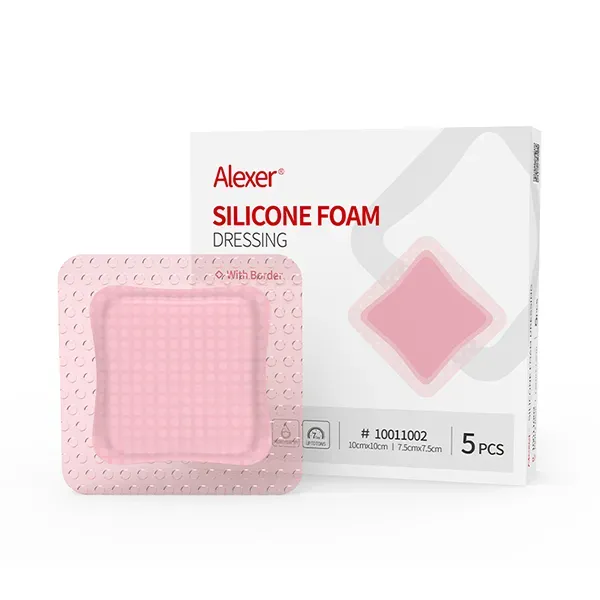
Bordered foam dressings are a good choice for wounds with lots of exudate. They use special foam layers to soak up fluid and keep the wound moist. The Alexer® Silicone Foam Dressing with Border and Border Flex from SLK Medical work well for managing exudate. These dressings trap fluid, stop leaks, and lower the chance of maceration. This helps wounds heal faster and keeps infection risk low. Bordered silicone foam dressings also make you feel comfortable by needing fewer dressing changes.
Bordered foam dressings soak up exudate and keep wounds moist.
They help stop maceration and lower infection risk.
You feel less pain and change dressings less often.
Study Type | Outcome Measure | Result |
|---|---|---|
Randomized Controlled Trials | Pressure ulcers/injuries | Silicone foam dressings lower pressure injuries more than standard care. |
Moisture Balance and Protection
Bordered foam dressings help wounds heal by keeping them moist. You get layers that let water vapor out but block bacteria and dirt. The outside layer can be waterproof for extra safety. These dressings come in many shapes and sizes. This makes them fit different wounds. Bordered silicone foam dressings protect wounds from stress and help with autolytic debridement. You get skin safety and good results for wounds with lots of exudate.
Foam dressings help healing by keeping moisture balanced.
Polyurethane layers keep out bacteria and dirt.
Waterproof layers give extra protection.
Bordered dressings help autolytic debridement and protect wounds.
Wear Time and Application
You can wear bordered foam dressings for many days. The Alexer® Silicone Foam Dressing with Border and Border Flex can stay on up to 7 days. This means you do not need to change dressings often. It makes patients feel more comfortable. Studies show people change dressings about every 4.69 days with standard care. You can put on bordered dressings easily. They stay in place even on moving parts. The border keeps the dressing secure and helps wounds heal.
Tip: Pick bordered foam dressings for wounds with lots of exudate. They are best when you need securement and moisture balance. You get good protection, comfort, and skin safety.
Non-Bordered Silicone Foam in Wound Care
Adaptability and Trimming
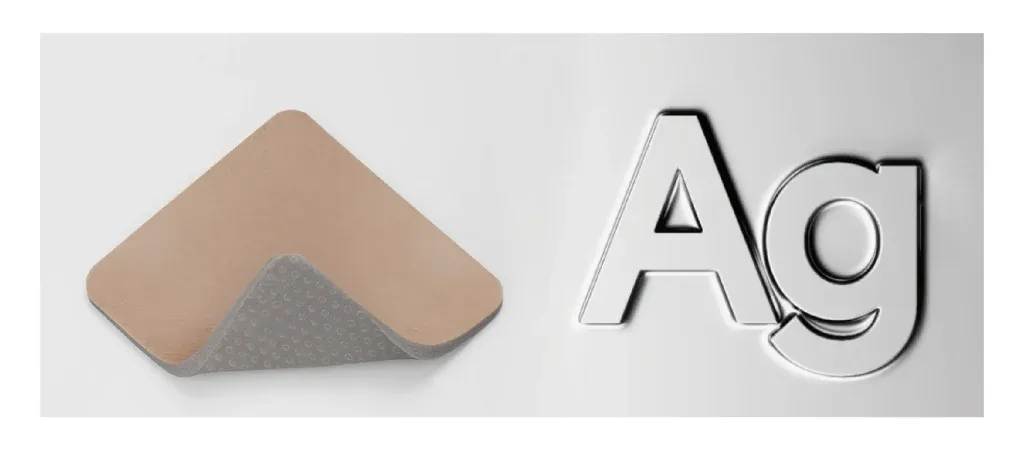
Some wounds are hard to reach or have odd shapes. Non-bordered silicone foam dressings can be cut to fit any wound. This helps with wounds between toes, around joints, or in deep spots. The Alexer silicone foam dressing without border lets you trim it for a good fit. The foam bends and covers the wound bed and edges. This gives full contact for healing and exudate control. Silver-releasing foam dressings, like the Alexer Silicone Foam Ag Dressing without Border, help wounds that need more germ protection.
You can cut these dressings for odd-shaped wounds.
The foam fits deep or uneven wounds well.
Some foam dressings give medicine slowly to the wound bed.
Comfort for Sensitive Skin
If your skin is sensitive or weak, you need gentle dressings. Soft-silicone foam dressings make dressing changes less painful. They help stop skin injury from sticky adhesives. This is good for kids, older people, or anyone with delicate skin. The silicone foam dressing without border uses a soft silicone layer. You get comfort and skin safety every time you use it. The foam keeps the wound moist, which helps healing and lowers the chance of skin tears.
Note: Non-bordered silicone foam dressings are soft and easy to take off. You can use them for people who need extra comfort and skin care.
Primary and Secondary Dressing Uses
You can use non-bordered silicone foam dressings right on the wound or as a second layer under a wrap. The foam soaks up exudate and keeps the wound moist. This helps healing and means you do not change dressings as much. When you use these dressings with compression therapy, no border means no extra pressure points. The foam stays in place with a bandage or wrap. You get good exudate control and comfort, even for wounds that need more support. The moisture balance and safety from these dressings help wounds heal faster and keep skin healthy.
Non-bordered silicone foam dressings are important in wound care. You get flexibility, comfort, and good results for many types of wounds.
Choosing the Right Silicone Foam Dressing with Border
Wound Type and Location
You need to pick the right foam dressing for your wound. Bordered foam dressings are best for wounds with lots of exudate. These wounds include pressure ulcers, diabetic ulcers, burns, and skin tears. Bordered foam dressings help control exudate and keep wounds moist. They protect wounds from bacteria and dirt. You should check where the wound is. Bordered foam dressings fit well on flat spots and places that move often. You can use different shapes for sacrum, heel, or leg wounds.
Look at the wound type before picking foam dressings.
Check how much exudate is present.
Make sure the dressing keeps moisture balanced.
Choose a shape that fits the wound for better protection.
Patient Needs and Skin Sensitivity
You need to think about skin sensitivity and comfort. Silicone foam dressings with border help lower pain when you change them. They reduce the risk of skin injury from sticky adhesives. Bordered foam dressings come off gently and do not stick to weak skin. You should pick dressings that fit well and stop leaks. Comfort is important for healing and daily life. You want dressings that stay in place and do not cause extra pain.
Tip: Always pick foam dressings that protect sensitive skin and feel comfortable.
Clinical Scenarios and Recommendations
High-Friction Areas (e.g., sacrum, ankles)
You should use bordered foam dressings in places with lots of movement. The border sticks well and keeps the dressing secure. You get a good seal and stop exudate from leaking. Bordered foam dressings work well on joints or spots where clothes rub the wound. You do not need to adjust them often.
Bordered foam dressings protect wounds in high-movement areas.
The border stops leaks and maceration.
Irregular-Shaped Wounds (e.g., between toes, complex post-surgical incisions)
You need non-bordered foam dressings for wounds with odd shapes. You can cut these dressings to fit the wound. The foam bends and covers deep or uneven wounds. You get full contact and better healing. Bordered vs non-bordered silicone foam is important here. Non-bordered foam dressings give you flexibility and comfort.
Non-bordered foam dressings are easy to customize.
You get a better fit and more comfort for odd-shaped wounds.
Under Compression Therapy (e.g., inside compression stockings or bandages)
You should use non-bordered foam dressings under compression therapy. No border means no extra pressure points. You get comfort and avoid skin injury. Foam dressings stay in place with bandages. You get good exudate control and moisture balance.
Non-bordered foam dressings work well under compression.
You avoid discomfort and keep skin safe.
Note: You must pick the right foam dressings based on wound location, exudate, and comfort. Bordered foam dressings give protection and stay secure. Non-bordered foam dressings offer flexibility and comfort.
SLK Medical Innovation in Wound Care
D-Pore™ Technology and Product Advantages
You want dressings that heal wounds faster and keep skin safe. SLK Medical uses D-Pore Dual-Dimensional Pore Foaming Technology in their foam dressings. This technology helps the foam soak up exudate quickly. It also lets air move through the dressing. This means the wound can breathe and stay healthy. The foam keeps the wound moist and stops maceration. You will feel less pain and heal faster.
D-Pore technology helps the foam soak up exudate.
Air can move through the foam to keep wounds healthy.
Dressings are comfortable and protect your skin.
Brand Commitment to Quality and Patient Care
SLK Medical works with top medical brands and research groups. You get dressings made with strict quality rules. SLK Medical follows CE MDR and ISO 13485 standards. This means the dressings are safe and work well. The foam dressings help wounds heal faster and lower pain. You will see fewer infections and better healing. SLK Medical makes sure you get good wound care at a fair price.
Dressings help wounds heal and lower pain.
You get safer care with less risk of infection.
Standard dressings help nurses and doctors work together.
More people get the right wound care for less money.
Manufacturing & OEM Perspectives
Manufacturing Challenges: Die-Cutting for Bordered vs. Coating Stability for Non-Bordered
Making bordered and non-bordered foam dressings is not the same. Bordered dressings need careful die-cutting to keep the border strong and stop leaks. The foam must handle exudate well for a long time. Non-bordered dressings need a stable coating so the foam stays soft and soaks up fluid. Each type uses different materials and designs.
Bordered dressings need strong borders to control fluid.
Non-bordered dressings need a good foam coating for exudate.
Different designs and materials change how dressings work.
Packaging: Differences in Sterile Barrier System (SBS) Designs
You need safe packaging for foam dressings. Bordered dressings use special Sterile Barrier System designs. These keep the border safe and the dressing clean. Non-bordered dressings use simple packaging but still keep the foam sterile. Good packaging stops germs and keeps dressings ready to use.
Customization Advice: Product Line Balance for Startups (70% Bordered + 30% Non-Bordered)
If you want to sell foam dressings, you should offer both types. Most people pick bordered dressings because they are used more. There is a 15% yearly increase in people choosing silicone-bordered foam dressings. Foam dressings help wounds heal about 20% faster than standard care. You should keep your product line balanced:
Product Type | Recommended Share | Market Share | Growth Trend |
|---|---|---|---|
Bordered Foam Dressings | 70% | 62% | +15%/year |
Non-Bordered Foam Dressings | 30% | 38% | Stable |
Tip: You can help more people by offering both bordered and non-bordered foam dressings. This gives you more choices and helps different wounds.
You have learned that bordered and non-bordered silicone foam dressings are different. Each one helps wounds in its own way. The right choice depends on your wound, how you feel, and where the wound is. SLK Medical has special dressings that help wounds heal and keep you comfortable. For the best help, ask your doctor or contact SLK Medical for advice that matches your needs.
FAQ
What is the main difference between bordered and non-bordered silicone foam dressings?
Bordered dressings have a border around the edge. This border keeps the dressing stuck to your skin. It also helps seal the wound. Non-bordered dressings do not have this border. You can cut them to fit many wound shapes.
Can I use silicone foam dressings on sensitive skin?
Silicone foam dressings are safe for sensitive skin. The soft silicone layer protects your skin. It makes taking off the dressing less painful. You get gentle care and less chance of skin injury.
How often should I change my silicone foam dressing?
You should change your silicone foam dressing every 3 to 7 days. The right time depends on how much fluid your wound makes. Always check your dressing and listen to your healthcare provider.
Which dressing works best under compression therapy?
Non-bordered silicone foam dressings are best for compression therapy. They do not cause extra pressure points. The dressing stays comfortable under bandages or stockings.


