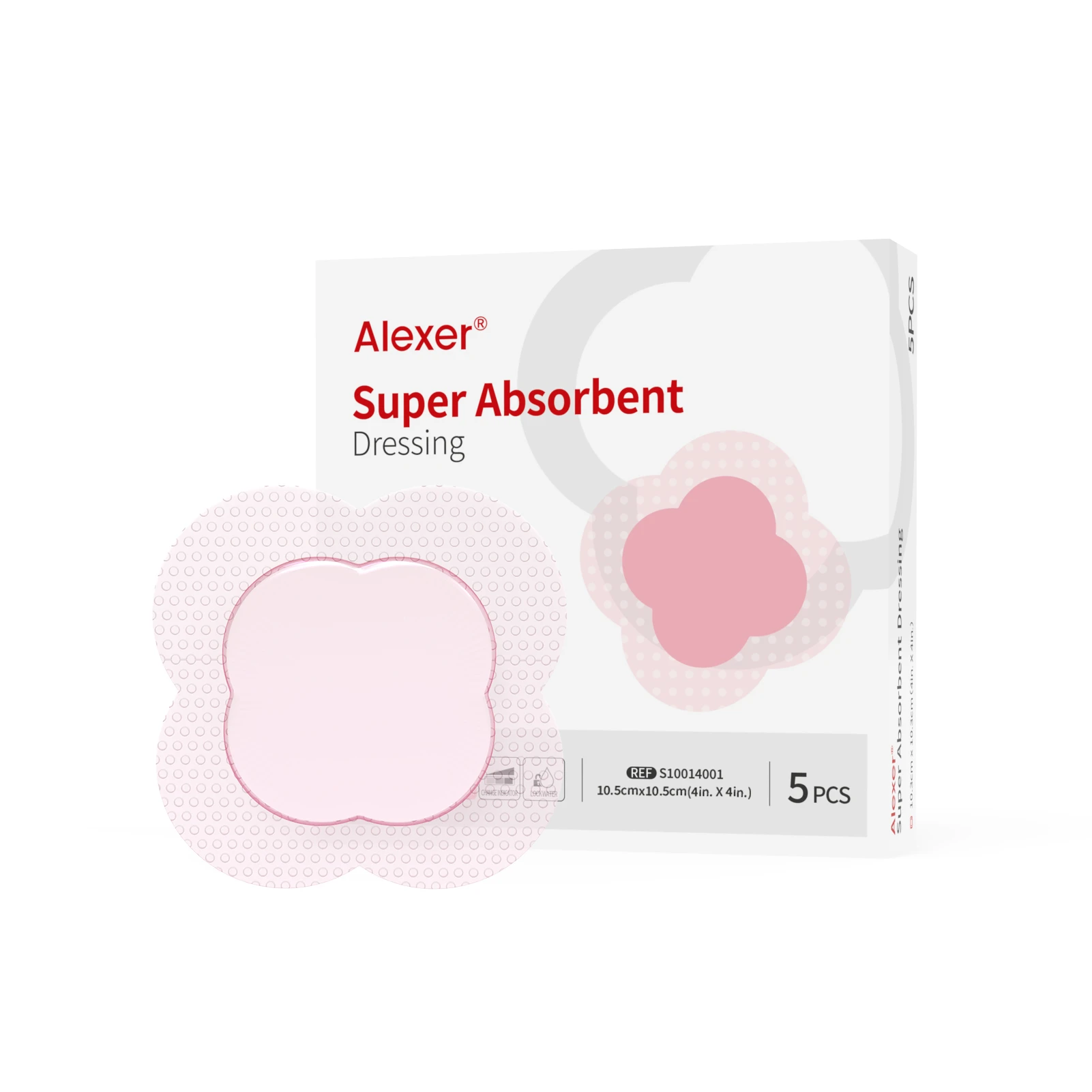
When you pick foam wound care dressings, check the wound’s exudate level. You should also look at the risk of infection. Think about where the wound is on the body. Make sure the dressing feels comfortable. Studies show matching the dressing to the wound helps healing. This can stop you from guessing what works. SLK Medical is a leader in advanced wound dressings. They have silicone foam options that protect sensitive skin. These dressings help give better wound care. For the best results, talk to a healthcare professional about your wound.
Key Takeaways
-
Pick foam dressings by how much fluid the wound has. Use dressings that soak up more fluid for wounds with lots of exudate.
-
Think about where the wound is and its shape when picking a dressing. This helps the dressing fit well and gives better protection.
-
Use antimicrobial foam dressings if the wound looks infected. These dressings fight bacteria and help the wound heal.
-
Choose silicone foam dressings if the skin is sensitive. They feel soft and make changing dressings less painful.
-
Ask a healthcare professional for help with hard-to-treat wounds. Their advice helps you pick the right dressing and heal better.
Choosing Foam Wound Care Dressings

Key Selection Factors
When you select foam wound care dressings, you need to look at several important factors. Each factor helps you match the right wound dressing to the wound. This choice supports better wound healing and patient comfort. The table below shows what you should consider:
|
Factor |
Description |
|---|---|
|
Moisture Management |
Foam wound care dressings keep the wound moist, which helps wound healing. |
|
Absorptive Capacity |
These dressings absorb a lot of fluid, making them good for wounds with moderate or heavy exudate. |
|
Ease of Removal |
You can remove them easily, which protects the skin around the wound. |
|
Protection from Infection |
They act as a barrier to bacteria and outside germs. |
|
Adaptability |
You can cut foam wound care dressings to fit many wound shapes and sizes. |
|
Cost-effectiveness |
These dressings last several days, so you do not need to change them often. |
|
Non-toxic and Hypoallergenic |
They are safe for people with sensitive skin. |
|
Improved Wound Healing |
Studies show foam wound care dressings help wounds heal better than some other types. |
Step-by-Step Process
You can follow a simple process to choose the best foam wound care dressings for each wound. SLK Medical offers a wide range of silicone foam dressings that fit many needs. Here is a step-by-step guide:
|
Factors to consider |
What to look for in the dressing |
|---|---|
|
Exudate level |
Pick a dressing that matches how much fluid the wound makes. High exudate needs high absorption. |
|
Condition of wound and skin |
For fragile skin, use silicone or non-adhesive foam wound care dressings. |
|
Wound depth |
For deep wounds, use a special layer under the foam wound care dressing. |
|
Location on the body |
Choose a shape and size that fits the wound area. |
|
Wound infection or pain |
Use antimicrobial foam wound care dressings for infected wounds. |
|
Wear time |
Pick a dressing that can stay on for several days to save time and cost. |
SLK Medical’s silicone foam dressings, such as the Border Flex and Ag Dressing, offer high absorbency, gentle removal, and protection from infection. You can find options for different wound types and locations. This careful selection helps you support wound healing and improve wound care results.
What Are Advanced Wound Dressings?
Features and Benefits
You may wonder what makes advanced wound dressings different from regular options. These dressings use special materials and designs to help your wound heal faster and with less pain. Foam dressings stand out because they offer many benefits for wound healing.
-
Foam dressings keep the wound moist, which helps new tissue grow and speeds up healing.
-
They absorb extra fluid, so your wound stays clean and dry.
-
You will feel less pain during dressing changes compared to traditional dressings. Studies show pain scores are much lower with foam dressings.
-
These dressings protect your wound from bacteria and lower the risk of infection.
-
You can move more easily and feel more comfortable because foam dressings fit well and stay in place.
-
Surgical site problems happen less often when you use foam dressings.
Here is a table that shows how foam dressings help with wound healing:
|
Study Focus |
Findings |
|---|---|
|
Chronic Wounds |
Foam dressings keep wounds moist and help new skin and blood vessels form. |
|
Economic Benefits |
Polyurethane foams cut down on dressing changes and save money. |
|
Antimicrobial Use |
Silver foam dressings help control bacteria in wounds like venous leg ulcers. |
|
Growth Factor Use |
Some foam dressings with special growth factors help wounds heal faster in studies. |
SLK Medical’s Innovations
SLK Medical brings new ideas to advanced wound dressings. Their silicone foam dressings use D-Pore™ Dual-Dimensional Pore Foaming Technology. This technology helps the dressing absorb fluid quickly and lets air reach the wound. The silicone contact layer feels gentle on your skin, which is important if you have sensitive or chronic wounds.
-
The protective film back is water-resistant and lets your skin breathe.
-
The silicone layer does not stick to your skin, so you feel less pain when you change the dressing.
-
The superabsorbent layer locks in fluid, which keeps your wound from getting too wet.
-
These dressings help control infection and support tissue repair, which is key for chronic wound healing.
-
SLK Medical designs their dressings to fit many wound shapes and sizes, so you get the best care for your needs.
You can trust SLK Medical’s advanced wound dressings to give you comfort, protection, and better healing results.
Matching Dressings to Wound Types
Diabetic Ulcers
When you treat diabetic foot ulcers, you need a dressing that keeps the wound moist and protects weak skin. SLK Medical’s Silicone Foam Dressing with Border and Silicone Foam Dressing Composite Type are good for these wounds. These dressings use special polyurethane foam that soaks up extra fluid and keeps the wound wet. A wet wound helps it heal and lowers the chance of infection.
A study found that polyurethane foam dressings work well for diabetic foot ulcers. They help wounds heal by keeping them clean and comfortable. You can use these dressings for wounds that leak a medium or large amount of fluid. The soft silicone layer protects weak skin and makes changing the dressing hurt less.
|
Characteristics |
Applications |
|
|---|---|---|
|
Polyurethane Foam |
Can soak up fluid |
Good for cleaning wounds with little fluid |
You should pick dressings that fit the shape of the foot. SLK Medical has square, rectangle, and heel shapes. These shapes help cover tricky spots and keep the dressing in place. For diabetic foot ulcers, you want a dressing that helps healing, soaks up fluid, and stops infection.
Pressure Injuries
Pressure injuries need special care to stop more damage and help healing. SLK Medical’s Silicone Foam Dressing – Border Flex and Silicone Foam Ag Dressing with Border are good choices. These dressings use foam layers to spread out pressure and protect the skin.
The silicone foam dressings spread out pressure, which is important for stopping pressure injuries, especially on the sacrum and heels. Their waterproof and breathable layers keep skin from getting too wet and stop infection. They also lower the chance of skin problems from incontinence by over 60%.
You can use sacrum and heel shapes for hard-to-cover spots. These shapes help cover bony areas and keep the dressing in place. The dressings soak up a lot of fluid and keep the wound dry. The Ag type helps stop infection.
|
Study Focus |
Findings |
Notes |
|---|---|---|
|
How Well Foam Dressings Work |
A study is checking if silicone foam dressings help stop sacral pressure injuries in hospital patients. |
Results are still coming in, but early reports are good. |
|
Money and Care |
The study also looks at costs and how to prevent and treat pressure injuries. |
It hopes to give clear answers about hospital injuries. |
|
Advice |
Good studies show nice results but say more tests are needed. |
This matches what the 2018 Cochrane Review said. |
|
Health Impact |
Stopping hospital pressure injuries saves money and helps patients. |
This matches health goals in many countries. |
You should use these dressings to treat and stop pressure ulcers. The waterproof back and soft silicone make them safe for weak skin.
Venous Leg Ulcers
Venous leg ulcers often leak a lot of fluid. You need a dressing that can handle lots of fluid and keep the wound clean. SLK Medical’s Silicone Foam Dressing with Border and Non Adhesive Foam Dressing are good choices. These dressings soak up fluid, stop leaks, and keep the wound wet.
-
Focus on what the patient needs by talking about pain and comfort.
-
Pick dressings that handle lots of fluid to stop leaks and bad smells.
-
Choose gentle dressings to lower pain when changing, like those with soft silicone.
-
Try not to change the dressing too often to help healing.
|
Findings |
Description |
|---|---|
|
Comparing Foam Dressings |
No big difference in healing between polyurethane foam and hydrocellular foam dressings for venous leg ulcers. |
|
Comparing to Other Dressings |
Foam dressings did not work better than other types like gauze or hydrocolloid. |
|
Quality of Evidence |
The proof is not strong, so it is hard to say which foam dressing is best for these wounds. |
You can use butterfly or rectangle shapes for leg ulcers. The soft silicone layer helps make dressing changes less painful. For venous leg ulcers, you want a dressing that soaks up fluid, protects skin, and helps healing.
Burns and Superficial Wounds
Burns and shallow wounds need a dressing that protects and soaks up fluid. SLK Medical’s Silicone Foam Dressing with Border and Non Adhesive Foam Dressing are good for these wounds. These dressings use special foam to keep the wound wet and stop infection.
-
SMARTPORE Technology foam blocks germs from getting in.
-
It lets you take off the dressing without pain or leaving pieces behind.
-
It soaks up fluid well and helps clean the wound.
-
Foam dressings do not need to be changed often and soak up fluid better.
-
Pain was lower with foam dressings at first, but not after 28 days.
-
Infection happened less with foam dressings, but the data is mixed.
You can cut the Non Adhesive Foam Dressing to fit any wound shape. This makes it easy to use for burns on arms, legs, or face. The waterproof back lets you shower without taking off the dressing. These things help you care for burns and help healing.
Surgical and Traumatic Wounds
Surgical and traumatic wounds need a dressing that protects and helps healing. SLK Medical’s Silicone Foam Dressing Composite Type and Silicone Foam Dressing with Border are good picks. These dressings use layers of foam to soak up fluid and keep the wound wet. The soft silicone layer protects weak skin and makes changes less painful.
You can use square, rectangle, or butterfly shapes for wounds on the body or arms and legs. For wounds near joints, the Border Flex shape bends and stays on when you move. The waterproof back keeps out germs and water.
-
Dressings are suggested for places that might get pressure injuries, like the sacrum and heel.
-
Dressings with many layers help lower the number of pressure injuries in people at risk.
-
Butterfly-shaped dressings are good for the coccyx and sacrum.
-
Cup-shaped dressings fit around the heel.
You should pick a dressing that matches where the wound is, its shape, and how much fluid it leaks. This helps healing and makes patients feel better.
Practical Selection Guide
Picking the right foam wound care dressing helps you get better results. It also makes patients feel more comfortable. Use this checklist to match the dressing to your needs:
-
Check how much fluid the wound has. This helps with exudate management.
-
Look for infection signs. Pick antimicrobial foam dressings if you see any.
-
See if the skin is sensitive. Choose gentle dressings for fragile skin.
-
Pick a shape that fits where the wound is.
-
Think about using a second dressing, like film or hydrogel dressings.
Exudate Level
You need to match the dressing to how much fluid the wound has. Foam dressings work best for wounds with moderate or high exudate. They soak up fluid and keep the wound moist. If the wound has little fluid, you might need to wet the dressing with saline first. Some foam dressings are thick and soft, which protects the wound bed. If the wound leaks a lot, pick dressings that absorb more fluid. Non-adhesive foam dressings are good for fragile skin and can be cut to fit.
|
Characteristic |
Description |
|---|---|
|
Handles moderate-to-high fluid levels |
|
|
Moisture Retention |
Keeps the wound moist for healing |
|
Suitability |
Good for wounds over bony areas |
Infection Risk
If you see redness, swelling, or pus, use antimicrobial foam dressings. Silver foam dressings, like SLK Medical’s Ag Dressing, fight germs and help heal infection. These dressings make a safe place for healing and are easy to take off. They work for new and old wounds and help control germs. Use them for wounds that might get infected to help treatment.
Tip: Silver foam dressings protect against germs fast and for a long time. They help you stop infection and make wound care better.
Comfort and Mobility
Comfort is important for healing. Foam dressings use soft and bendy materials that move with your body. Border Flex dressings from SLK Medical stretch and stay on, even on joints. Gentle adhesives make changing dressings hurt less. Good fluid control means you change dressings less often, which feels better. Film dressings help keep the wound covered and let you shower.
-
Soft materials fit body shapes.
-
Skin-friendly adhesives protect sensitive skin.
-
Fewer dressing changes make patients more comfortable.
Special Considerations
For people with fragile or sensitive skin, pick dressings that do not hurt the skin. Silicone foam dressings use gentle adhesives and keep the wound moist. Borderless foam dressings fit close to the wound and are flexible. Non-adhesive foam dressings are good for sensitive wounds and handle fluid well. You can use hydrogel dressings as a second layer for extra moisture.
|
Type of Foam Dressing |
Key Features |
|---|---|
|
Silicone Foam Dressings |
Easy to remove, keeps wound moist |
|
Borderless Foam Dressings |
Flexible, comfy, less trauma |
|
Non-Adhesive Foam Dressings |
Does not hurt, great for fluid management |
You can make wound care better by matching the dressing to what the wound needs. Pick SLK Medical’s Ag Dressing for infection risk, Border Flex for moving around, and Non Adhesive for fragile skin. This helps treatment and healing.
When to Consult a Professional
You may feel confident choosing a foam dressing for a simple wound. However, some situations need expert advice. Healthcare professionals know how to match the right dressing to your wound. They look at the wound’s size, depth, and how much fluid it produces. They also check for signs of infection or other problems.
If you notice redness, swelling, or pus, you should see a healthcare provider. These signs may mean your wound is infected. You should also get help if your wound does not heal, gets bigger, or causes more pain.
Here is a table that shows when you should consult a professional, based on clinical guidelines:
|
Guideline |
Description |
|---|---|
|
Match Dressing to Wound Needs |
The dressing should be selected based on the wound’s specific requirements, such as absorbency for exudative wounds or moisture donation for dry wounds. |
|
Consider Infection Control |
If there are signs of infection, antimicrobial dressings like silver dressings may be required to manage microbial load. |
|
Evaluate Patient Comfort |
The comfort of the patient and the ease of changing the dressing should be considered to ensure adherence to treatment. |
If you try to pick a foam dressing for a complex wound without help, you may face risks. You might choose a dressing that dries out the wound bed. This can make the foam stick to the wound and cause pain when you remove it. If the dressing cannot handle the amount of fluid, you may see leaks, need to change the dressing more often, or even get skin irritation or infection.
You should always ask a healthcare professional if you feel unsure. They can help you avoid problems and make sure your wound heals the right way. Trust their knowledge to guide you to the best care.
Picking the right foam dressing helps wounds heal faster. It also helps you feel more comfortable. You need to match the dressing to the wound’s moisture and exudate. You should also think about infection risk. SLK Medical’s silicone foam dressings soak up a lot of fluid. They come off gently and protect many kinds of wounds.
Use the practical guide when you care for wounds. Talk to a healthcare professional if your wound does not heal or looks hard to treat.
Check out SLK Medical’s wound care products to find what works best for you.
FAQ
How often should you change a foam wound dressing?
You should change your foam wound dressing every 3 to 7 days. If the dressing gets wet, dirty, or starts to leak, you need to replace it sooner.
Can you shower with a foam wound dressing on?
Yes, you can shower with most foam wound dressings. The waterproof backing protects your wound from water. Make sure the dressing stays sealed and does not peel off.
What types of wounds work best with foam dressings?
|
Wound Type |
Foam Dressing Use |
|---|---|
|
Pressure injuries |
Excellent |
|
Diabetic ulcers |
Excellent |
|
Burns |
Good |
|
Surgical wounds |
Good |
Foam dressings work best for wounds that leak fluid.
Are foam dressings safe for sensitive skin?
You can use silicone foam dressings if you have sensitive skin. The soft silicone layer protects your skin and makes dressing changes less painful.