


You can use SLK Medical foam dressing to cover your wound. It helps your wound heal faster. Always read and follow the wound care instructions. This helps you get the best results. SLK Medical silicone foam dressing is good for sensitive skin. It works for many kinds of wounds. The dressing keeps the wound wet. This lowers pain and stops infection. You will find the dressings easy to put on and take off. The soft material helps you feel good while healing. Many people say they feel less pain when taking off the dressing. The dressing also bends with your body. This helps you stay comfortable.
Benefit | Description |
|---|---|
Pain Reduction | Very little pain when you take it off |
Skin Protection | 41% fewer new pressure sores |
Infection Prevention | Wet wound helps lower infection risk |
Healing Rates | Heals wounds faster than other dressings |
Comfort and Flexibility | Dressing bends with your body |
Pain-Free Removal | Soft silicone makes it easy to take off |
Tip: You can use these dressings at home. Caregivers can use them too. Each dressing helps your wound heal. It also keeps you comfortable.
Key Takeaways
SLK Medical foam dressings help wounds heal quicker. They keep wounds moist. They also make removal less painful.
Pick the right dressing for the wound’s size. Check how much fluid is in the wound. Look at where the wound is. This helps the wound heal well.
Check the dressing often for too much fluid or infection. Change the dressing every 3 to 7 days if needed.
Wash your hands before touching the dressing. Keep things clean when you put on or change dressings. This stops infection and helps healing.
SLK Medical dressings are safe for people with sensitive skin. They feel comfortable and protect the wound.
SLK Medical and Foam Dressing Basics
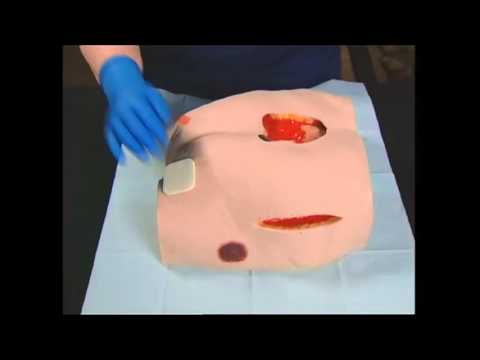
What Is a Silicone Foam Dressing?
A silicone foam dressing covers and protects a wound. It has a soft foam layer that soaks up fluid. The foam keeps the wound moist to help it heal. The silicone layer sticks softly to your skin. It does not hurt when you take it off. The foam dressing fits well on your body. You can use it on elbows or heels.
A silicone foam dressing has many layers. The foam layer soaks up fluid and gives a soft cushion. The silicone layer keeps the dressing in place. It also protects skin that is sensitive. Some dressings have a waterproof top layer. This layer keeps water and germs out. The foam dressing works for pressure ulcers and diabetic foot ulcers. It also helps other wounds that need extra care.
Component/Structure | Function for Wound Healing |
|---|---|
Microstructure of foams | |
Open-cell foams | Absorb fluid and cushion the wound. |
Silicone adhesives | Make removal gentle and reduce pain. |
Porous structure | Moves fluid away from the wound. |
You can use silicone foam dressings for many wounds. They help with pressure ulcers and diabetic foot ulcers. They also help wounds that leak fluid. The dressing is good for wounds on soft skin.
Key Features of SLK Medical Dressings
SLK Medical makes new and high-quality wound care products. The company checks quality very carefully. It has important certificates. You can trust SLK Medical dressings to help wounds heal faster. They also help you feel comfortable.
Metric | Result |
|---|---|
Wound area reduction | 28.3% |
Patient satisfaction | Over 90% |
Decrease in dressing change frequency | 47.1% |
SLK Medical dressings use D-Pore technology. This design helps the foam soak up more fluid. It also lets air reach the wound. The dressings keep the wound moist. They lower the risk of infection. The top layer blocks water and bacteria. The foam dressing fits well on the body, even on hard spots.
You can find many kinds of SLK Medical dressings. These include adhesive foam, non-adhesive foam, antimicrobial foam, and bordered foam. The dressings work for pressure ulcers, diabetic foot ulcers, and surgical wounds. Sacral foam dressings are made for the lower back. You can use them for pressure ulcers on the sacrum. The dressings also help wounds that need more protection and comfort.
SLK Medical dressings have antimicrobial features. These features help stop infection and keep the wound safe. The dressings are gentle on soft skin. They make dressing changes less painful. Sacral foam dressings from SLK Medical are easy to use. They help wounds heal faster. You can use these dressings for many wound types. They work for pressure ulcers and diabetic foot ulcers.
Note: SLK Medical sacral foam dressings give strong protection for wounds on the lower back. They help control fluid, lower pain, and support healing.
Choose the Right Foam Dressing

Assess the Wound
You need to look at your wound before you pick a foam dressing. Check the size, depth, and where the wound is on your body. Notice if the wound leaks a lot of fluid or just a little. If you see signs of infection, like redness or a bad smell, you may need a dressing with antimicrobial features. Always think about your comfort and how easy it is to change the dressing.
Here is a table to help you remember what to check:
Criteria | Description |
|---|---|
Match Dressing to Wound Needs | Pick a dressing that fits the wound’s needs, like high absorbency for wounds that leak a lot. |
Consider Infection Control | Use antimicrobial dressings if you see signs of infection. |
Evaluate Patient Comfort | Choose dressings that feel good and are easy to change. |
Foam Dressings Indication | Foam dressings work best for wounds with moderate to high fluid. |
Wear Time | Think about how long the dressing can stay on. |
Absorption and Retention | Make sure the dressing soaks up and holds fluid well. |
Conformity | The dressing should fit the wound shape and protect the skin around it. |
Adhesion | The dressing should stick well but come off easily. |
Cost-Effectiveness | Pick dressings that work well and are affordable. |
Select the Best SLK Medical Product
SLK Medical offers many types of foam dressing for wound care. You can choose a silicone foam dressing with border for wounds that need extra protection. This type works well for wounds on flat areas. If your wound is in a spot that moves a lot, like a joint, try a silicone foam dressing without border. You can cut it to fit the wound shape.
For wounds with a lot of fluid, use a composite type foam dressing. This dressing absorbs more and keeps the wound moist for healing. If you have a wound on your lower back, sacral foam dressings are the best choice. These dressings fit the sacrum and help prevent pressure sores. Sacral foam dressings also work well for wounds on the heel or elbow because they come in special shapes.
When you pick a dressing, match the size to your wound. The dressing should cover the wound and a bit of the skin around it. Sacral foam dressings come in shapes that fit the lower back, heel, or other tricky spots. You can use non-adhesive foam dressings if you need to secure them with tape or bandages.
Tip: Always check the wound each time you change the dressing. This helps you see if the wound is healing and if you need to switch to a different foam dressing.
Prepare for Wound Care
Clean the Wound
You need to start every wound care session with good hygiene. Clean hands help prevent germs from getting into the wound. Wash your hands with soap and water. Dry them well. Put on clean gloves before you touch the wound or any dressings. This step protects both you and the person with the wound.
Remove the old dressing gently. If the dressing sticks, moisten it with saline. This helps avoid skin damage. Always throw away the used dressing in a safe way. Now, use saline or a wound cleanser to clean the wound. Gently rinse away any debris. Cleaning the wound lowers the risk of infection and helps healing. Use sterile gauze to dry the skin around the wound. Wet skin can cause problems like maceration. Check the wound for redness, swelling, or signs of infection. Look for too much fluid or a bad smell. These signs help you decide if you need a different foam dressing or extra care.
Tip: Good wound hygiene is key for healing. Always use a new pair of gloves if you touch anything other than the wound or dressing.
Gather Supplies
Before you start, gather all the supplies you need for wound care. Having everything ready makes the process smoother and keeps the wound safe. Here is a list of what you should have:
SLK Medical silicone foam dressing (choose the right size and type)
Clean gloves
Scissors (for cutting the dressing if needed)
Saline or wound cleanser
Sterile gauze pads
Secondary dressings or medical tape (if using non-adhesive foam dressing)
A clean surface to place your supplies
Supply Item | Purpose |
|---|---|
Silicone foam dressing | Covers and protects the wound |
Gloves | Keeps hands and wound clean |
Scissors | Cuts dressing to fit wound shape |
Saline/wound cleanser | Cleans the wound |
Sterile gauze | Dries skin and helps with exudate management |
Secondary dressings/tape | Secures non-adhesive dressings |
You need to use the right silicone foam dressing for your wound. This helps with exudate management and keeps a moist wound environment. The right supplies make wound care easier and support healing. Always check that your dressings are clean and not expired. Good preparation helps you give the best care and keeps the wound safe.
Apply the Silicone Foam Dressing

Step-by-Step Application
You can achieve the best results in wound care by following a clear process for applying a foam dressing. Proper application helps protect the wound and supports healing. Here is a simple step-by-step guide you can follow:
Wash your hands with soap and water. Dry them with a clean towel. Always start from a clean area.
Open the package of the silicone foam dressing. Put on clean gloves before you touch the wound or dressing.
If there is an old dressing, remove it gently. If it sticks, moisten it with saline to avoid hurting the skin.
Make sure the skin around the wound is free from creams or moisturizers. These can stop the dressing from sticking well.
Clean the wound with sterile saline or a wound cleanser. Gently rinse away any debris.
Dry the skin around the wound with sterile gauze. Wet skin can cause problems like maceration.
Choose a foam dressing that covers the wound and extends at least 1cm beyond the wound edges. This helps protect the skin around the wound.
If needed, cut the dressing to fit the wound shape. Make sure the foam dressing covers all wound margins.
Pull back the clear plastic covers from the dressing. Do not touch the adhesive surface or foam pad.
Line up the dressing over the center of the wound. Place one side down while removing the plastic cover from that side. Smooth it gently.
Remove the second plastic cover and smooth the other side down. Do not stretch the dressing.
Tip: Always check that the foam dressing sits flat on the skin. Avoid wrinkles or air pockets. This helps the dressing stay in place and protects the wound.
Secure the Dressing
Securing the dressing is important for wound care, especially when you use sacral foam dressings or dressings on tricky areas. You want the dressing to stay in place and keep the wound safe.
For sacral foam dressings, choose a shape that fits the lower back or sacrum. These dressings are designed to match the curves of your body. Place the dressing so it covers the wound and the skin around it. Smooth the edges down to prevent lifting.
On areas that move a lot, like elbows or heels, use a foam dressing that can bend and stretch. Make sure the dressing covers the wound fully. Smooth it down to remove any air pockets.
If you use a non-adhesive foam dressing, secure it with medical tape or a secondary dressing. Place the tape on the edges, not over the wound.
For wounds with a lot of fluid, use a composite type foam dressing. These dressings absorb more and help keep the wound moist for healing.
Always check the dressing daily. Look for signs that it is lifting or if the skin around the wound looks wet or red.
Challenge | Solution |
|---|---|
Dressing does not stick well | Make sure skin is dry and free from creams |
Dressing lifts at edges | Smooth down edges and use extra tape if needed |
Skin gets too wet (maceration) | Use a foam dressing with high absorption |
Hard to see wound | Use a transparent secondary dressing |
Note: Sacral foam dressings work best when you match the shape to the wound area. These dressings help prevent pressure sores and keep the wound safe, even on the lower back.
You can use these steps for all foam dressings. Always make sure the dressing fits well and stays in place. This helps the wound heal and keeps you comfortable.
Monitor and Change the Dressing
When to Change
You need to check your foam dressing often to make sure your wound heals well. The right time to change the dressing depends on how much fluid comes from the wound and how well the dressing absorbs it. Most people change their foam dressing every 3 to 7 days. Sometimes, your healthcare provider may tell you to change it sooner or later. Always follow their advice.
You should look at your wound every day. If you see the dressing is full of fluid or starts to lift at the edges, it is time to change it. If the dressing looks dirty or smells bad, you should replace it. Keeping the dressing clean helps your wound heal faster and keeps you comfortable.
Here are some tips for when to change your foam dressing:
Change the dressing every 3-7 days or as your healthcare provider tells you.
If the dressing becomes soaked with fluid, change it right away.
If the dressing starts to peel off or does not stick, replace it.
Always check the wound for signs of healing or problems before putting on a new dressing.
Regular monitoring for infection helps you catch problems early.
Tip: Write down the date and time each time you change your dressing. This helps you keep track of your wound care routine.
Signs to Watch For
You need to watch your wound and dressing closely. Good monitoring helps you spot problems early and supports healing. Here are signs that tell you it is time to change your foam dressing or call your healthcare provider:
Sign | What It Means |
|---|---|
Dressing is soaked | The foam dressing cannot hold more fluid. |
Dressing lifts at edges | The dressing does not protect the wound well. |
Bad smell from dressing | The wound may need more cleaning. |
Redness or swelling | The wound could be getting worse. |
More pain than before | The wound may not be healing as expected. |
Pus or yellow fluid | The wound may have an infection. |
Skin around wound is white | The skin may be too wet (maceration). |
Dressing looks dirty | The dressing needs to be changed. |
If you see any of these signs, change your foam dressing right away. If you notice redness, swelling, or pus, talk to your healthcare provider. These could be signs of infection. Monitoring for infection is very important in wound care.
You should also check if your wound is getting smaller and looks healthier. If the wound does not get better after a week or gets worse, ask for help. Your healthcare provider can help you choose the right foam dressing and make sure your wound care plan works.
Note: Always wash your hands before and after touching your dressing. Clean hands help keep your wound safe.
Regular monitoring and timely changes of your foam dressing help your wound heal faster. You can feel confident in your wound care routine by watching for these signs and following the right steps.
Remove and Dispose of the Dressing
Safe Removal Steps
You need to remove your foam dressing with care to protect your wound and support healing. Safe removal helps you avoid pain and keeps the skin healthy. Follow these steps for the best results:
Wash your hands with soap and water. Dry them well. Wear clean gloves to keep the area sterile.
Gather all supplies. You will need sterile gloves, saline solution, a medical adhesive remover if needed, and a disposal bag for the used dressing.
Prepare your work area. Make sure the surface is clean and free from clutter.
Check the wound and the skin around it. Look for redness, swelling, or signs of infection before you start.
Moisten the edges of the foam dressing with saline. This step helps loosen the dressing and makes removal easier.
Gently lift one corner of the dressing. Use slow, steady movements to peel it back. Avoid pulling quickly, as this can hurt your skin.
Continue to lift the dressing until it comes off completely. Try not to touch the wound directly.
Place the used dressing in the disposal bag right away.
Tip: Always use gentle motions during removal. This safe removal process protects your skin and reduces discomfort.
Aftercare for the Wound
After you remove the foam dressing, you need to care for the wound to support healing and prevent infection. Follow these aftercare steps:
Wash the wound gently with mild soap and water. Pat the area dry with a clean towel.
Apply a thin layer of ointment, such as Vaseline or Aquaphor. If your doctor prescribed a special ointment, use that instead.
Cover the wound with a new foam dressing or a non-stick gauze pad. Secure it with medical tape if needed.
Check the wound daily for changes. Watch for redness, swelling, or fluid that looks unusual.
A good aftercare routine helps your wound heal faster and keeps you comfortable. Proper wound care also lowers the risk of infection and supports the work of your foam dressings.
Note: Always wash your hands before and after touching your wound or dressings. Clean hands are key to safe wound care.
Tips for Better Wound Care
Healing and Comfort
You can help wounds heal and feel better with a few easy tips. First, get the wound area ready. Clean the wound well. Dry the skin around it. This helps the dressing stick and keeps germs away. Pick a foam dressing that fits the wound shape. For wounds on the sacrum, heels, or elbows, use a flexible dressing. It should match the curves of your body. If the wound is a strange shape, use a template to cut the dressing. This makes it fit just right.
After you put on the foam dressing, try not to move too much. This is very important for wounds on your torso. Less movement helps the dressing stay in place. Use tape or a bandage if you need to keep it secure. Check the dressing often. Make sure it covers the wound and does not lift at the edges. Many people feel less pain and heal faster with SLK Medical foam dressings. The soft silicone layer protects weak skin. It also makes changing the dressing gentle.
Tip | Description |
|---|---|
Avoid Excessive Movement | Keep still after applying the dressing to help it stick. |
Choose the Right Dressing | Pick a flexible foam dressing for tricky areas. |
Prepare the Wound Area | Clean and dry the wound and skin before application. |
Use Templates | Cut the dressing to fit odd-shaped wounds. |
Secure the Dressing | Use tape or wraps to hold the dressing in place. |
Monitor and Adjust | Check the dressing often and replace if needed. |
Mistakes to Avoid
You can stop problems by not making common mistakes in wound care. Using a dressing that is too big or too small can slow healing. It can also let germs in. Not changing the dressing enough can trap germs and water. This can hurt the skin. Always protect the skin around the wound. Do not put foam dressings on top of each other. Do not leave dressings on for too long. These mistakes can make the skin too wet and cause a bad smell.
Common Mistakes | Complications |
|---|---|
Wrong size dressing | Poor healing, infection |
Not changing dressing enough | Maceration, infection |
Ignoring fragile skin | Skin damage |
Overlapping dressings | Trapped moisture, skin breakdown |
Leaving dressing on too long | Odor, delayed healing |
SLK Medical wound care products help you avoid these problems. Studies show foam dressings help wounds heal faster. They also mean you do not need to change the dressing as often. This helps you take care of wounds better, feel more comfortable, and save money. You can trust SLK Medical dressings to work well and help you heal.
You get the best wound care when you follow each step. Pick the right dressing for your wound. Wash your hands before you put it on. Check your wound every day to see how it is doing. Foam dressing soaks up fluid and keeps the wound wet. It also helps stop infection. Changing the dressing is gentle, even for weak skin. If you are not sure or your wound does not get better, ask a healthcare professional for help. SLK Medical dressings help wounds heal and keep you comfortable at every step.
Key Takeaway | Benefit for Wound Healing |
|---|---|
Exudate Management | Soaks up fluid and protects wound |
Moist Environment | Helps new skin grow |
Infection Prevention | Makes infection less likely |
Dressings can be used for many wounds, like pressure injuries and skin tears.
Dressings help lower pain and keep skin safe.
Dressings keep wounds wet and help them heal faster.
Remember: You can care for wounds well with SLK Medical dressings.
FAQ
How often should you change your SLK Medical foam dressing?
You should change your foam dressing every 3 to 7 days. If the dressing becomes soaked, dirty, or starts to peel off, change it sooner. Always follow your healthcare provider’s advice for the best results.
Can you shower while wearing a silicone foam dressing?
Yes, you can shower with most SLK Medical silicone foam dressings. The waterproof top layer protects your wound from water. Pat the area dry after your shower. Avoid soaking the dressing in water for a long time.
What should you do if the dressing sticks to your wound?
If the dressing sticks, moisten the edges with saline. This helps loosen the dressing and makes removal gentle. Never pull the dressing off quickly. Take your time to protect your skin.
Are SLK Medical foam dressings safe for sensitive skin?
Yes, SLK Medical foam dressings use a soft silicone layer. This layer protects fragile skin and reduces pain during removal. Many people with sensitive skin use these dressings comfortably.
What types of wounds can you use SLK Medical foam dressings on?
You can use SLK Medical foam dressings on pressure ulcers, diabetic foot ulcers, surgical wounds, burns, and other wounds that leak fluid. These dressings help manage moisture and protect your wound as it heals.


