Foam dressings are highly popular in wound care because of their excellent fluid handling and cushioning properties. However, their high absorbency means they can easily dry out a wound that doesn’t produce enough fluid, which stalls healing.
Here is a structured breakdown of the 8 situations where foam should be avoided, complete with a summary table and concrete alternatives.
| Situation | Why Foam Fails (The “Why”) | What to Use Instead |
| 1. Dry Wounds | Absorbs non-existent moisture, desiccating the wound bed and stalling cellular migration. | Hydrogel sheets or amorphous hydrogel + moisture-retaining secondary dressing. |
| 2. Dry Eschar | Foam cannot provide the moisture necessary for autolytic debridement (breaking down dead tissue). | Hydrogels or hydrocolloids to donate moisture and soften tough, dead tissue. |
| 3. Minimal Exudate | Dries out the wound bed over time, causing the dressing to adhere and tear new tissue on removal. | Hydrocolloids or transparent films. |
| 4. Untreated Infection | Traps bacteria in a warm, moist environment; foam lacks active antimicrobial properties. | Antimicrobial dressings (silver, iodine, or PHMB) paired with systemic treatment. |
| 5. Third-Degree Burns | High risk of tissue ingrowth into the foam matrix, causing severe pain and trauma upon removal. | Non-adherent contact layers (e.g., silicone or petrolatum gauze) paired with topical antimicrobials. |
| 6. Adhesive Allergy | Bordered foams can cause contact dermatitis, skin tears, or maceration on fragile periwound skin. | Non-bordered foam secured with tubular bandages, silicone tape, or cohesive wraps. |
| 7. Rapid Strike-Through | In massive exudate, foam saturates too quickly, leading to fluid pooling and periwound maceration. | Super-absorbent dressings or alginates/hydrofibers. |
| 8. Wrong Dressing Objective | If the goal is strictly protection or debridement, foam is an inefficient, costly choice. | Align with the specific goal (e.g., films for friction protection, hydrogels for debridement). |
Key Takeaways
- What is a foam dressing? Modern foam wound dressings feature a multi-layered design to maintain an optimal moist wound healing environment. There are many types for different wound situations.
- Based on the moist wound healing theory, foam dressings can effectively manage wound exudate, provide cushioning and protection to the wound, and alleviate pain during dressing changes.
- Before choosing or replacing foam dressings, you need to confirm five key points including wound moisture level, exudate volume, infection status, periwound skin condition and wound healing progress to achieve the best wound care results.
- 8 scenarios where foam dressings are not indicated are listed, and alternative treatment regimens can be adjusted accordingly.
What Are Foam Dressings?

Construction
A wound foam dressing features a multi-layered high-tech design engineered to maintain an optimal moist wound healing environment:
- Polyurethane Base: The foundation of the foam dressing. This highly biocompatible material acts like a sponge, rapidly absorbing and locking in wound exudate while maintaining structural integrity without leaving residue.
- Open-Cell Structure: Unlike closed-cell foams, medical foam dressing uses interconnected pores. This design relies on capillary action to pull fluid vertically away from the wound bed, stop it from spreading laterally, and protect the periwound skin from maceration (waterlogging).
- Hydrophobic Backing: A semi-permeable, waterproof outer membrane that provides two-way protection:
Barrier: Shields the wound from external water, bacteria, and contaminants.
Breathability: Features a high Moisture Vapor Transmission Rate (MVTR), allowing absorbed fluid to evaporate and boosting total fluid capacity. - Silicone Layer: A perforated silicone contact layer faces the wound. It adheres gently to dry surrounding skin but never sticks to the moist wound bed, ensuring pain-free removal and protecting fragile new granulation tissue.
Different Types of Foam Dressings
To suit different wound types, exudate levels, and anatomical locations, foam dressings are manufactured into several specialized categories:
- Adhesive Foam Dressings: With a built-in adhesive border (typically made of acrylic or hydrocolloid), these dressings offer reliable, self-contained fixation. They are ideal for high-mobility body areas with healthy surrounding skin, and do not require additional adhesive tape or gauze for secondary dressing.
- Non-Adhesive Foam Dressings: These are pure foam pads with no built-in stickiness. They are the safest choice for patients with fragile, “paper-thin” skin or tape allergies, requiring a secondary wrap or tubular bandage to hold them in place.
- Bordered Silicone Foam Dressings: Combining convenience with exceptional skin protection, these utilize a gentle silicone adhesive across both the border and the wound contact layer. They are perfect for sensitive skin, allowing pain-free removal without stripping new tissue.
- Silicone Foam Dressings Without Border: These pads use a silicone wound contact layer but lack an outer adhesive rim. They offer the pain-free benefits of silicone for fragile wounds while remaining customizable—clinicians can cut them to fit specific wound shapes.
- Silver Foam Dressings: Infused with broad-spectrum antimicrobial silver(Ag), these Ag dressings are designed for infected or highly contaminated wounds. They simultaneously manage heavy drainage and kill localized pathogens.
Why Foam Dressings Work So Well
Foam dressings excel in clinical wound care because they directly support the physiological requirements of the moist wound healing theory (pioneered by Dr. George Winter). According to established clinical guidelines on exudate management, maintaining a balanced microenvironment—neither too wet nor too dry—accelerates cellular migration and tissue repair.
Foam dressings achieve this through four primary mechanisms:
- Optimal Exudate Absorption: The highly absorbent open-cell polyurethane structure can rapidly draw excess fluid away from the wound bed, efficiently managing heavy wound exudate. This prevents vertical fluid pooling and protects fragile periwound skin from maceration.
- Thermal Insulation: Foam offers superior thermal insulation, maintaining a stable warm wound bed temperature of around 37°C. This temperature stability is critical, as wound cooling can halt cell mitosis (division) for hours.
- Cushioning Protection: The thick, spongy composition acts as a physical barrier, absorbing friction and shear forces while shielding the area from external bacterial contamination.
- Pain Reduction: By keeping nerve endings safely insulated in a warm, moist environment and providing a non-adherent interface, foam dressings significantly reduce pain during both daily wear and dressing changes.
The 5-Question Clinical Checklist Before Stop Using Foam Dressings
Before selecting or changing a foam dressing, clinicians should ask these five critical questions to ensure optimal wound care outcomes:
- Is the wound dry? If the wound bed lacks moisture or shows dry eschar, skip the foam dressing. Foam requires exudate to function; otherwise, it will desiccate the tissue.
- Is drainage increasing? If fluid output is rising rapidly, check if the foam can handle the volume or if you need to upgrade to a super-absorbent dressing.
- Is there infection? Look for localized signs like erythema, warmth, or foul odor. If an infection is present, standard foam must be swapped for an antimicrobial silver foam.
- Is surrounding skin healthy? Inspect the periwound area. If it is macerated, red, or fragile, avoid aggressive acrylic borders and opt for a gentle silicone or non-adhesive foam.
- Is healing progressing? Assess the tissue types. If granulation or epithelialization has stalled, evaluate whether the current dressing objective still aligns with the wound’s needs.
There is a quick self-assessment checklist, before wrapping up.
[ ] Moisture Match: The wound bed is moderately moist (not dry, not pooling).
[ ] Periwound Safety: Surrounding skin is clear and protected from maceration.
[ ] Bioburden Check: The wound is clean and free of untreated infection.
[ ] Adhesive Safety: The border material matches the patient’s skin tolerance.
8 Situations When Foam Dressings Should NOT Be Used
While foam dressings are highly versatile, incorrect use can stall wound healing or cause tissue damage. Below are eight clinical scenarios where standard foam dressings should be avoided:
1. Dry Wounds
Symptoms: Lack of visible moisture, pale wound bed, or crusty edges.
Better Dressing: Hydrogels. Foam absorbs non-existent moisture, completely drying out the wound bed and halting the cellular migration needed for closure.
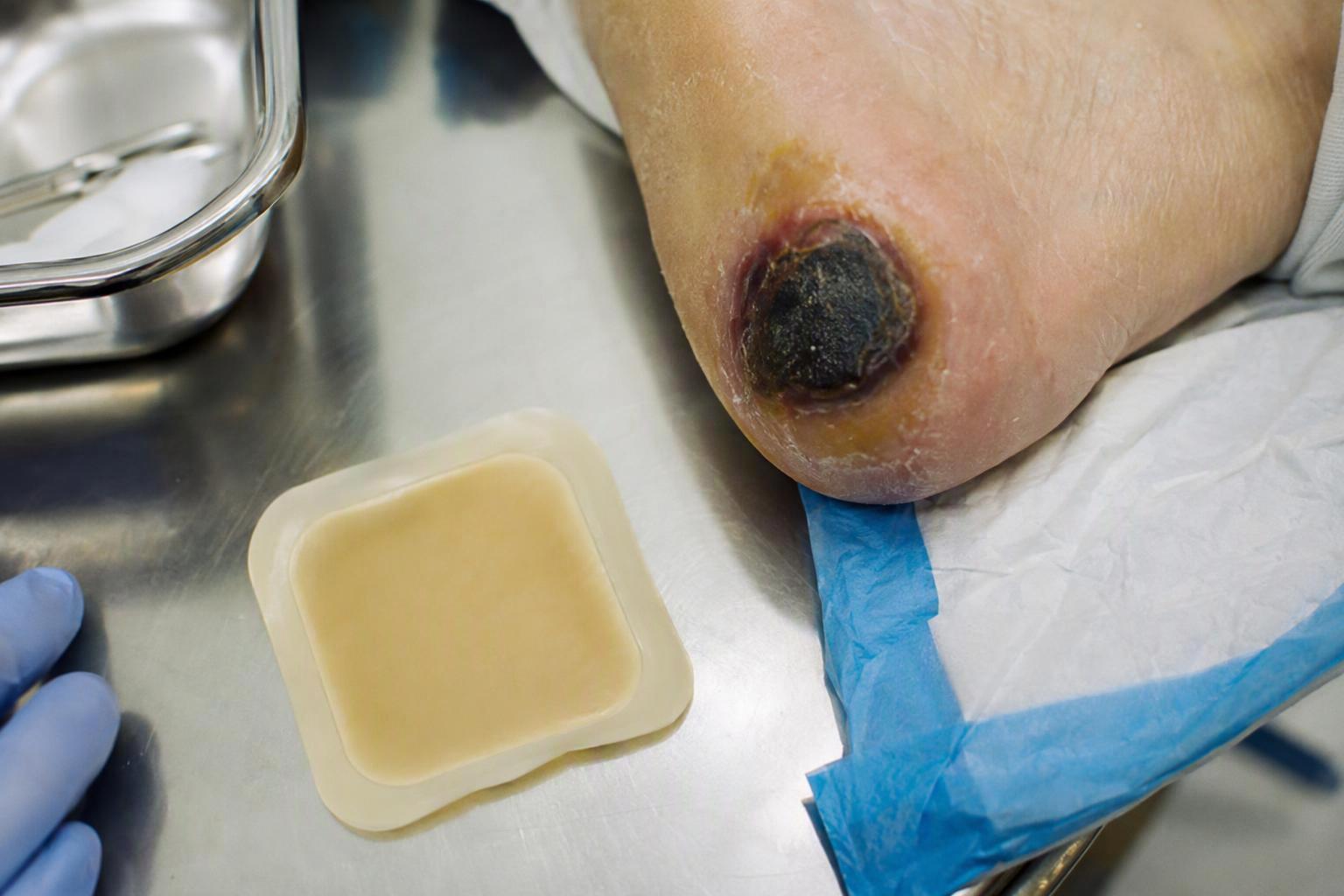
2. Dry Eschar
Why Foam Fails: Foam is strictly an absorbent material; it cannot donate the moisture required to soften tough, dead necrotic tissue.
Better Options: Amorphous hydrogels or hydrocolloids are required to facilitate autolytic debridement by hydrating the eschar so the body can naturally shed it.
3. Low-Exudate Wounds
Risk of Over-Drying: In minimally draining wounds, foam will absorb the essential wound fluid, causing the dressing to adhere to the wound bed and tear away healthy granulation tissue upon removal.
Better Options: Hydrocolloids or transparent films are superior choices here, as they maintain a localized moisture shield rather than pulling moisture away.
4. Untreated Infection
Standard Foam Risk: Standard foam traps bacteria in a warm, moist chamber without fighting the bioburden, accelerating bacterial proliferation.
Better Options: Standard foam is contraindicated. An antimicrobial silver foam dressing is appropriate only when paired with systemic antibiotics and close clinical monitoring.
5. Third-Degree Burns
Evidence & Risks: Full-thickness burns lack an epidermal layer. The open-cell structure of foam allows fragile new blood vessels and connective tissue to grow directly into the dressing matrix, causing severe pain and trauma during changes.
Alternatives Options: Non-adherent contact layers (like petrolatum gauze) paired with topical antimicrobials.
6. Adhesive Allergy
MARSI Risk: Standard acrylic-bordered foams can cause Medical Adhesive-Related Skin Injuries (MARSI), leading to blistering, contact dermatitis, or skin tears on fragile skin.
Alternatives Options: Non-adhesive foams secured with tubular bandages, or bordered silicone foams, which use a gentle silicone adhesive that doesn’t strip skin cells.
7. Foam Saturation
Signs: Evident leakage, structural sagging, and strike-through (exudate penetrating the outer waterproof backing).
The Hazard: Over-saturation traps fluid against the surrounding skin, causing maceration—where healthy skin turns white, softens, and breaks down, effectively expanding the wound size. Upgrade to a super-absorbent polymer (SAP) dressing.
8. Incorrect Clinical Objective
Foam is a tool for moisture management, not a cure-all. It fails when the clinical objective shifts:
- Need moisture donation? Use a hydrogel.
- Need deep cavity filling? Use an alginate rope or specialized cavity wound filler.
- Need aggressive debridement? Use enzymatic or sharp debridement.
- Need antimicrobial action? Use a silver or iodine-impregnated dressing.
Continue, Change, or Switch?
When managing a wound, clinicians must continuously reassess the healing trajectory to determine the next step. This logical progression guides your clinical decision-making when evaluating a foam dressing:
Continue:
If the wound bed shows healthy granulation tissue and exudate is perfectly managed, maintain the current protocol.
Change / Upgrade Foam:
If the wound is healing but fluid is leaking or showing early strike-through, increase the change frequency or upgrade to a higher-capacity or bordered silicone foam.
Switch Dressing:
If the wound bed characteristics shift—such as drying out, becoming infected, or developing necrotic tissue—foam is no longer appropriate. Switch entirely to a different dressing class (like hydrogels or alginates) that matches the new clinical objective.
Refer Clinician:
If the wound shows zero signs of improvement after two to four weeks despite dressing adjustments, escalate the case to a specialized wound care clinician or physician for systemic re-evaluation.
Frequently Asked Questions
1. Can foam dressings be used on dry wounds?
No. Foam is highly absorbent and will desiccate (dry out) a dry wound bed, stalling cellular migration and delaying healing.
2. Can foam dressings treat infected wounds?
Standard foam cannot. However, specialized antimicrobial silver foam dressings are appropriate when paired with systemic treatment.
3. How often should foam dressings be changed?
Typically every 3 to 5 days, depending on exudate. Change them immediately if leakage or strike-through occurs.
4. Why is my foam dressing leaking?
Leaking indicates saturation, meaning the wound’s exudate volume has outpaced the foam’s fluid-handling capacity.
5. Can foam dressings stay on for seven days?
Yes, but only if it is a high-quality silicone-bordered foam managing minimal-to-moderate drainage without signs of strike-through.
6. When should I switch to hydrogel?
Switch when the wound bed becomes dry, non-draining, or covered in hard, dry necrotic eschar that needs hydration to debride.
7. When is hydrocolloid better than foam?
Hydrocolloids are superior for shallow, low-exudate wounds because they trap moisture rather than absorbing it away.
8. Are silicone foam dressings better for fragile skin?
Yes. Gentle silicone adhesives prevent skin stripping and Medical Adhesive-Related Skin Injuries (MARSI) compared to aggressive acrylic borders.
9. Can foam dressings be used under compression?
Yes. Foam maintains its structural integrity and cushioning properties well under compression wraps for venous leg ulcers.
10. Do foam dressings work for diabetic foot ulcers?
Yes, by providing excellent pressure offloading and managing moderate drainage, provided there is no untreated infection or severe ischemia.
11. Are you a manufacturer or trader?
Yes, we are a Chinese manufacturer. We are equipped with 10,000m² modern standard workshop, covering a complete automated production line from polyurethane foaming, silicone gel coating, silicone gel punching, dressing composite molding, automatic packaging, and sterilization. You may click the SLK Medical link to learn more about us.
12. Do you offer OEM/ODM and private label services?
Yes, SLK Medical is a professional B2B manufacturer. We provide full-chain OEM/ODM solutions, including custom sizes, shapes (square, sacral, heel, multi-shape), and branded packaging tailored to your market’s regulatory requirements.