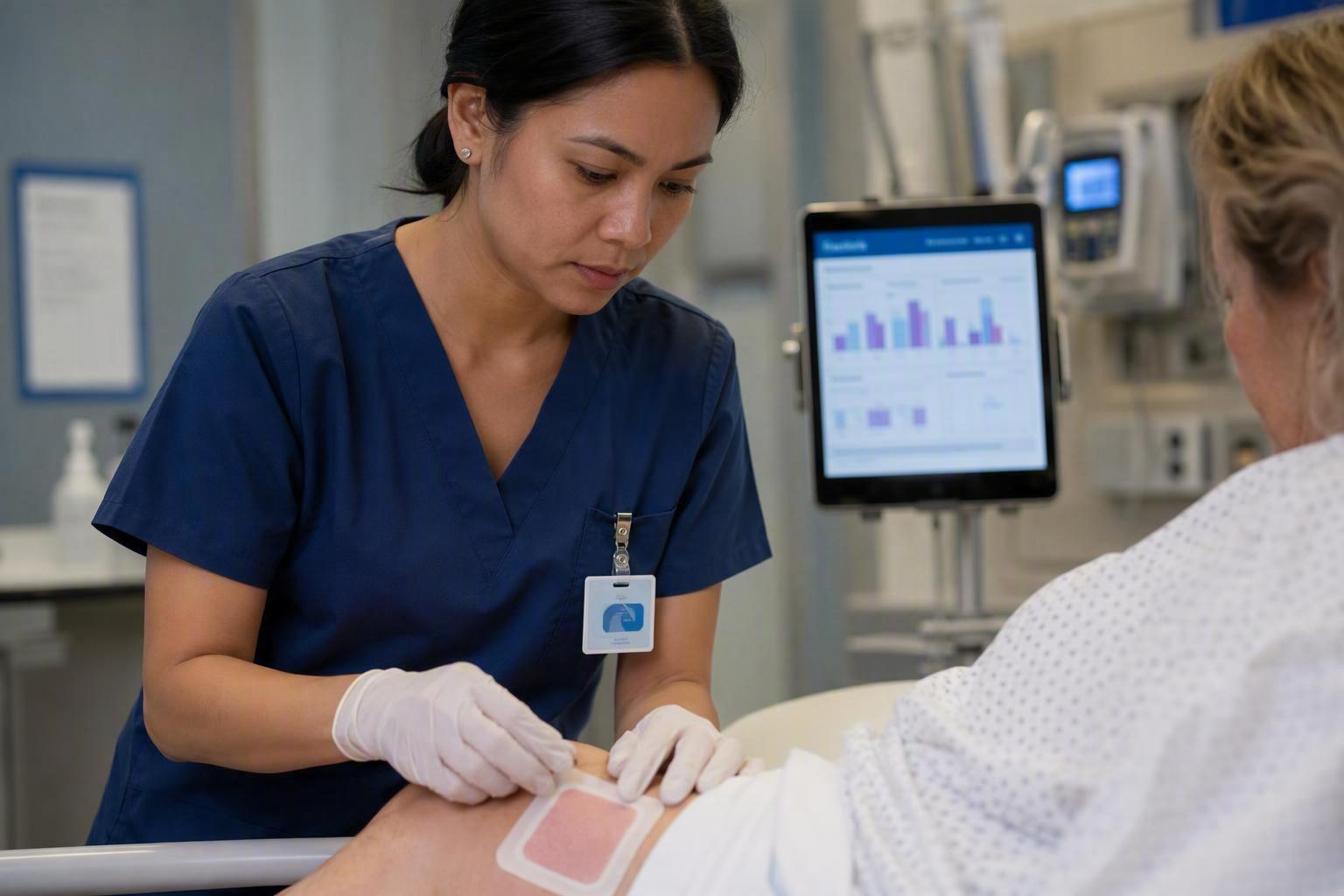
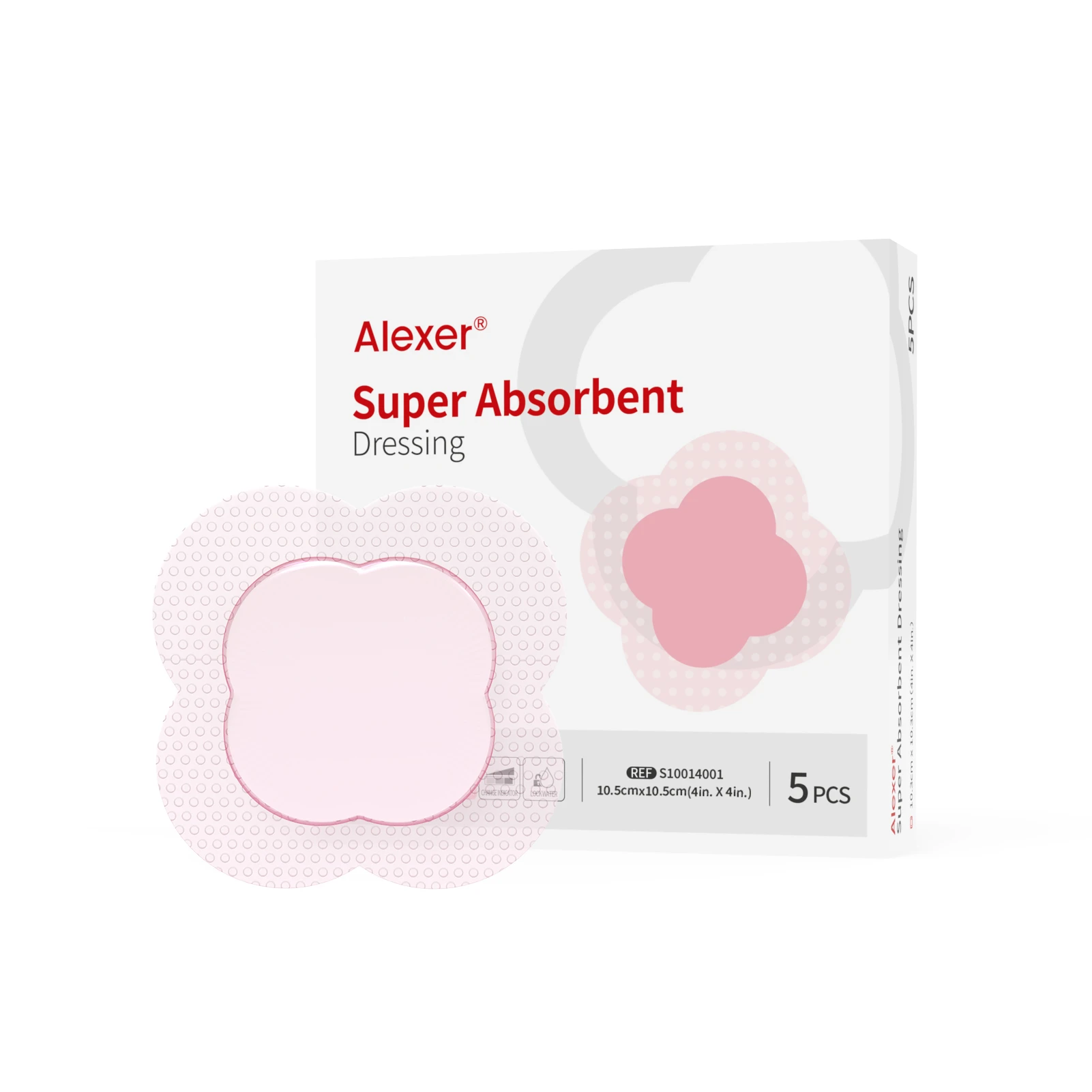
Foam dressing types exhibit key differences in structure, adhesion, and clinical use. Standard Non Adhesive Foam Dressing, as well as Silicone Foam Dressing with Border and Silicone Foam Dressing without Border, play a crucial role in managing wounds by effectively absorbing fluid and protecting the skin. The prevalence of complex wounds impacts 6.5 million people in the US, with annual wound care costs soaring to $28 billion. Foam dressings, including both types of silicone options, outperform other wound dressing alternatives in terms of absorbency and comfort, leading to fewer dressing changes and reduced skin irritation.
|
Statistic |
Value |
|---|---|
|
Prevalence of complex wounds |
6.5 million people in the US |
|
Percentage of US population |
Approximately 2% |
|
Annual expenditure on wound care |
US$28 billion |
Clinical studies indicate that foam dressings, particularly the Non Adhesive Foam Dressing and both Silicone Foam Dressing variants, provide excellent absorbency and less leakage compared to other dressings. Patients report experiencing less pain and improved comfort, which supports better healing and compliance.
Key Takeaways
-
Foam dressings excel in absorbing wound fluid, making them ideal for managing moderate to heavily exuding wounds.
-
Silicone foam dressings provide superior comfort and reduce pain during dressing changes, enhancing patient compliance.
-
Choosing the right foam dressing depends on wound characteristics, such as exudate level and patient skin sensitivity.
-
Antimicrobial foam dressings help control infection in wounds at risk, improving healing outcomes.
-
Regular monitoring and proper application of foam dressings can significantly reduce treatment costs and improve patient care.
Foam Dressing Types
Standard Foam Dressings
Non-Adhesive Foam Dressings
Non-adhesive foam dressings provide gentle coverage for wounds. They do not stick to the skin, which makes them suitable for sensitive or fragile areas. These dressings work well for patients who need frequent monitoring or have complex wounds that require minimal trauma during dressing changes.
Basic Structure and Indications
The microstructure of foam dressings includes air-filled spaces within the polymer matrix. This design helps manage wound exudate and keeps the wound moist, which supports wound healing. Standard foam dressings absorb fluid, reduce leakage, and protect the peri-wound skin. Clinicians often use these dressings for ulcers, traumatic wounds, and surgical sites.
Tip: Always consider factors like staying in place, leakage, pain, and peri-wound skin damage when selecting foam dressings.
Advantages and Limitations
Standard foam dressings offer high absorption capacity and comfort. They maintain a moist environment and minimize pain. However, low retention rates may lead to leakage, increasing the risk of maceration. Most dressings measure 5-6 mm thick, which affects their compatibility with compression therapy.
Bordered Foam Dressings
Self-Adhesive Border Design
Bordered foam dressings feature an integrated adhesive border. This design secures the dressing and prevents displacement. The adhesive balances strong attachment with gentle removal, reducing skin damage.
Waterproof Backing and Securement
These dressings resist water ingress but allow vapor to escape. The waterproof backing protects wounds from external contaminants and supports longer wear time. Bordered foam dressings do not leak exudate from the edges, even if the border detaches.
|
Characteristic |
Description |
|---|---|
|
Impervious to water, allows vapor transpiration |
|
|
Adhesive ability |
Secure adhesion, gentle removal |
|
Exudate management |
Prevents leakage from edges |
|
Wear time |
Remains adhered for required duration |
|
Pain management |
Minimizes pain at removal |
|
Skin protection |
Avoids skin stripping during removal and reapplication |
Clinical Use Cases
Clinicians use bordered foam dressings for moderate to heavily exuding wounds. These dressings suit most anatomical sites and provide a bacteria barrier. SLK Medical’s silicone foam dressing with border is a common choice for complex wounds.
Antimicrobial Foam Dressings
Integrated Antimicrobial Agents (e.g., Silver, PHMB)
Antimicrobial foam dressings contain agents like silver or PHMB. Silver works well for wounds with heavy exudate and high infection risk. PHMB offers broad-spectrum antibacterial activity, making it suitable for infected wounds.
Indications for Infection Risk
Clinicians select antimicrobial foam dressings for wounds at risk of infection or those showing signs of bacterial colonization. These dressings help control infection and promote wound management.
Benefits and Drawbacks
Studies show that antimicrobial foam dressings improve outcomes for infected or high-risk wounds. In one study, 92% of patients showed no signs of infection after six weeks of treatment. However, the choice of agent depends on wound needs and patient comfort.
Silicone Foam Dressings
With Border
Silicone foam dressings with border provide secure placement and a waterproof barrier. They suit moderate to heavily exuding wounds and most anatomical sites.
Without Border
Dressings without border work well for fragile skin and irregular wound shapes. Clinicians use secondary fixation methods for these dressings.
Superior Patient Comfort
Soft silicone contact layers minimize pain and trauma during dressing changes. Gentle adhesion reduces the risk of skin stripping and enhances patient compliance.
Advanced Exudate Management
Silicone foam dressings manage moderate to heavy exudate. They maintain a moist environment and support extended wear time.
Skin Protection and Atraumatic Removal
These dressings protect peri-wound skin and allow atraumatic removal. Patients experience less discomfort and faster healing.
Patient-Centered Clinical Benefits
Silicone foam dressings improve quality of life for patients with chronic wounds or high exudate. Clinicians rate comfort, exudate management, and ease of application highly.
|
Parameter |
Kliniderm® Foam Silicone |
Other Silicone Foam Dressings |
|---|---|---|
|
Comfort |
High (4-5/5) |
High (4-5/5) |
|
Exudate Management |
Effective |
Effective |
|
Ease of Application and Removal |
High (4-5/5) |
High (4-5/5) |
Specialty Foam Dressings
Customizable and Non-Adhesive Options
Specialty foam dressings include customizable and non-adhesive options for wounds that are difficult to dress or require frequent monitoring.
Cavity and Shaped Foam Dressings
Cavity and shaped foam dressings fit complex wound shapes and provide effective moisture management.
Combination and Custom Technologies
Some specialty foam dressings combine advanced technologies, such as antimicrobial agents or bioactive components, to enhance wound care.
Niche Clinical Applications
Specialty foam dressings suit moderate to severe wounds, including venous leg ulcers and surgical wounds. They offer high absorptive capacity, a protective barrier, and a soft, cushioning design for enhanced comfort.
|
Category |
Description |
|---|---|
|
Passive |
Non-occlusive dressings used just to cover the wound. |
|
Interactive |
Semi-occlusive or occlusive dressings that provide a barrier against bacteria penetration. |
|
Bioactive |
Advanced dressings that are biocompatible and biodegradable, often containing healing additives. |
Key Differences in Foam Dressings
Material and Structure
Foam dressings differ in material composition and structural design, which directly affects their clinical performance characteristics. Most foam dressings use hydrophilic foam as the main material. Bordered foam dressings add a waterproof adhesive backing and a margin for secure placement. Some types include a superabsorbent layer that increases fluid retention. The structure of each dressing influences how well it protects wounds, maintains moisture, and conforms to different body areas.
|
Feature |
Bordered Foam Dressings |
Non-Bordered Foam Dressings |
|---|---|---|
|
Composition |
Hydrophilic foam, waterproof adhesive backing, margin |
Hydrophilic foam, waterproof adhesive backing |
|
Superabsorbent Layer |
May include superabsorbent particles |
Not typically included |
|
Mechanical Protection |
Provides tensile stiffness and strength |
Varies by design |
|
Conformability |
Affected by bending stiffness |
Varies by design |
|
Moisture Maintenance |
Maintains moist wound healing environment |
Varies by design |
|
Adhesion to Skin |
Designed to keep dressing in place |
Requires additional secondary dressing |
|
Pain and Skin Stripping Risk |
Lower risk due to silicone adhesives |
Higher risk during removal |
|
Wear Time |
1 to 7 days depending on exudate |
Varies by design |
|
Clinical Use |
Suitable for acute and chronic wounds |
Suitable for acute and chronic wounds |
|
Cost Efficiency |
Reduces frequency of dressing changes |
May require more frequent changes |
Note: The choice between bordered and non-bordered foam dressings depends on the wound location, exudate level, and patient skin condition.
Absorption and Exudate Management
Foam dressings excel in managing wound exudate, especially for moderate to heavily exuding wounds. Their porous structure absorbs fluid and keeps the wound moist, which supports wound healing and reduces the risk of maceration. Some foam dressings use superabsorbent particles to increase fluid uptake, making them suitable for complex wounds and ulcers.
-
Foam dressings are highly absorbent, making them effective for wounds with moderate to heavy exudate.
-
They provide cushioning and comfort, which is beneficial for patient care.
-
Foam dressings help prevent maceration by wicking away excess moisture.
-
Their porous structure allows for effective fluid uptake while keeping the wound moist.
-
They can be designed with different densities and pore sizes to manage exudate for various wound types.
|
Evidence Type |
Findings |
|---|---|
|
Clinical Trials |
Foam dressings reduced dressing change frequency by 40% compared to hydrogels in managing exudative wounds. |
|
Comparative Studies |
The absorbent capacity of foam dressings correlates with reduced maceration of periwound skin. |
Adhesion and Removal
Adhesion strength and removal ease vary among foam dressings. Bordered foam dressings use silicone or polyurethane adhesives, which lower the risk of skin stripping and pain. These adhesives protect fragile skin and make dressing changes less traumatic. Non-bordered foam dressings require secondary fixation, which can increase the risk of skin damage during removal.
-
Adhesive strength varies among different types of foam dressings, impacting the amount of stratum corneum removed during dressing changes.
-
Silicone adhesive and self-adhesive polyurethane foam dressings are associated with less skin damage compared to those using acrylic adhesive.
-
Foam dressings are noted for their ease of removal, which is beneficial for patients with fragile skin.
-
They provide protection to the peri-wound skin, reducing the risk of trauma during dressing changes.
-
Patients report experiencing less pain when using foam dressings.
Tip: For patients with sensitive or fragile skin, clinicians often select foam dressings with silicone adhesive to minimize discomfort and skin injury.
Active Ingredients
Some foam dressings include active ingredients to enhance their clinical performance. Silver and honey are the most common additives. Silver provides antimicrobial protection, helping to control infection in complex wounds. Honey accelerates healing through its antimicrobial and anti-inflammatory properties. The choice of active ingredient depends on the wound type and infection risk.
|
Active Ingredient |
Clinical Impact |
|---|---|
|
Silver |
Antimicrobial properties aiding in infection control |
|
Honey |
Accelerates healing through antimicrobial and anti-inflammatory properties |
Clinical evaluation shows that antimicrobial foam dressings can improve outcomes for wounds at risk of infection.
Clinical Performance Characteristics
Exudate Containment
Foam dressings demonstrate strong exudate containment, which is essential for managing wounds with moderate to heavy fluid production. The design of Medifoam® N, featuring smaller pore and cell sizes, allows for better absorption and retention of wound exudate. This property helps prevent leakage and supports a moist wound environment, which is critical for wound healing. The ability to contain exudate reduces the risk of secondary damage during dressing changes. In clinical comparisons, foam dressings like Biatain received a 76% excellent absorbency rating, requiring fewer dressing changes per week and lowering treatment costs compared to other wound dressing types.
|
Dressing Type |
Absorbency Rating |
Dressing Changes per Week |
Treatment Cost |
|---|---|---|---|
|
Biatain |
76% excellent |
2.14 |
$10.87 |
|
Allevyn |
7% excellent |
3.34 |
$18.99 |
Moisture Balance
Foam dressings help maintain moisture balance in wounds. They manage exudate production and promote a moist wound-healing environment. The variability in foam dressing properties, such as stiffness and durability, affects their performance. Soft silicone-based dressings minimize pain and trauma during dressing changes. Atraumatic removal reduces peri-wound irritation and inflammation, which positively impacts healing outcomes.
-
Foam dressings manage wound exudate and keep the wound moist.
-
Silicone foam dressings improve patient comfort and reduce trauma.
-
Moisture balance supports faster healing and lowers complication rates.
Patient Comfort
Patient comfort remains a key clinical performance characteristic of foam dressings. Silicone foam dressings provide gentle adhesion and soft contact layers, which minimize pain during dressing changes. Bordered foam dressings protect fragile skin and reduce the risk of skin stripping. These features enhance patient compliance and improve the overall wound care experience, especially for complex wounds and ulcers.
Note: Atraumatic removal and gentle adhesion help patients with sensitive skin avoid discomfort and secondary injury.
Comparison to Other Wound Dressings
Foam dressings outperform hydrocolloid and gauze dressings in several areas. Studies show a higher proportion of healed wounds with foam dressings (46%) compared to hydrocolloid dressings (33%). Additional research reports higher healing rates with foam dressings, although some studies found no significant difference in healing time. Foam dressings also provide better exudate containment and moisture balance, which reduces complications and improves outcomes for complex wounds.
-
Foam dressings offer superior absorbency and comfort.
-
Hydrocolloid dressings may not manage wound exudate as effectively.
-
Gauze dressings require frequent changes and provide less protection.
-
Foam dressings support better healing rates and lower treatment costs.
Clinical Applications for Wounds

Acute Wounds
Foam dressings play a vital role in the management of acute wounds. Hydrofiber foam dressings have demonstrated improved healing times and fewer dressing changes for patients with abrasion wounds. These dressings manage wound exudate and inhibit proteolytic activity, which helps preserve healthy tissue during wound healing. Patients with different grades of abrasion wounds experience significant differences in healing time and outpatient visits when using foam dressings. Clinicians often select foam dressings for acute wounds because of their strong clinical performance characteristics and ability to protect the wound bed.
Chronic Wounds
Chronic wounds, such as pressure ulcers and diabetic foot ulcers, require advanced wound care solutions. Foam dressings provide effective management for these wounds by absorbing exudate and reducing friction. Silver-releasing foam dressings offer antimicrobial benefits, leading to improved outcomes in diabetic foot ulcers, including smaller ulcer size and less wound exudate. Foam dressings also help prevent pressure ulcers by redistributing pressure and lowering friction. Studies show that foam dressings decrease pressure on heels, which supports the treatment of complex wounds and enhances patient comfort.
-
Foam dressings absorb wound exudate and maintain a moist environment.
-
Silver-releasing foam dressings improve clinical outcomes for diabetic foot ulcers.
-
Foam dressings redistribute pressure and reduce friction, preventing pressure ulcers.
Cavity and Complex Wounds
Complex wounds, including cavity wounds and irregularly shaped ulcers, benefit from specialty foam dressings. These dressings conform to the wound surface and manage exudate efficiently. Bordered foam dressings provide secure placement for complex wounds, while customizable options fit unique wound shapes. Foam dressings support the treatment of complex wounds by maintaining moisture balance and protecting peri-wound skin. Clinicians rely on foam dressings for their performance in managing complex wounds with high exudate levels.
|
Wound Type |
Foam Dressing Benefit |
|---|---|
|
Cavity wounds |
Conforms to wound surface |
|
Irregular ulcers |
Customizable fit |
|
Complex wounds |
Moisture balance, protection |
Use Under Compression Therapy
Foam dressings are commonly used under compression therapy for venous leg ulcers and similar conditions. Research from randomized controlled trials shows no significant difference in healing outcomes between foam dressings and other wound dressing types when used with compression. Polyurethane foam dressings and hydrocellular foam dressings perform similarly under compression therapy. The current evidence does not support a clear advantage for foam dressings in this setting, but clinicians continue to use them for their comfort and exudate management.
Note: The quality of evidence for foam dressings under compression therapy remains low or unclear, so clinicians should consider individual patient needs when selecting a wound dressing.
Practical Considerations
Cost and Accessibility
Foam dressings offer significant cost savings compared to traditional wound dressing options. Hospitals often choose foam dressings because bulk purchasing lowers expenses. The following table compares weekly and total costs for different dressing types:
|
Dressing Type |
Mean Cost per Week |
Total Cost over 4 Weeks |
Nursing Time Savings |
|---|---|---|---|
|
Polyurethane Foam Dressing |
$32 |
$265 – $315 |
$92 |
|
Saline-Soaked Gauze |
$58 |
$691 – $781 |
N/A |
Foam dressings reduce nursing time, saving $92 per patient each week. However, high treatment costs can limit access for lower-income populations. Chronic wound management may cost $15,000 to $25,000 annually. Hospitals remain the largest users due to advanced infrastructure, while rural areas face challenges in accessing foam dressings. Only 30% of rural populations in low-income APAC countries have access to advanced wound care services. Home care demand is rising, with over 20 million elderly individuals in APAC needing easy-to-use foam dressings.
Ease of Use
Foam dressings provide comfort and simple application for healthcare professionals and patients. The design manages frictional forces, lowering the risk of shear injuries in complex wounds. Foam dressings maintain a moist environment, which supports healing. Comfort and ease of use encourage patient compliance. Factors such as patient mobility, risk of infection, and the appropriateness of dressing size and shape influence ease of use. Training and awareness among healthcare professionals remain important, as inconsistent application and neglected skin assessments can affect patient care.
-
Foam dressings are easy to apply and remove.
-
Bordered foam dressings offer secure placement for complex wounds.
-
The right size and shape improve effectiveness.
-
Patient compliance increases with comfortable foam dressings.
Limitations
Foam dressings have some limitations in wound care. High costs may restrict access for certain populations. Inconsistent application can reduce effectiveness, especially for complex wounds. Regular skin assessments under the dressing are necessary but often neglected. Foam dressings may not suit wounds with low exudate or dry wounds. Some patients with allergies or sensitivities to antimicrobial agents may need alternative wound dressing options. Polymeric membrane dressings can be more cost-effective over long periods, requiring fewer dressing changes.
Tip: Healthcare professionals should match foam dressings to wound type and patient needs to maximize benefits and minimize limitations.
Selecting the Right Foam Dressing
Matching to Wound Type
Selecting foam dressings for wounds requires careful consideration of wound characteristics. Clinicians assess the size, shape, and location of wounds before choosing a dressing. Foam dressings come in many sizes, which allows for coverage of both small and large complex wounds. The ability to conform to convex and concave surfaces helps dressings fit wounds on joints or irregular body areas. Flexibility supports movement, especially for wounds near elbows or knees. Water resistance protects wounds from external moisture, while vapor transpiration prevents maceration. Dressings must retain their function even when patients walk or move frequently. The table below summarizes criteria for matching foam dressings to wounds:
|
Criteria |
Description |
|---|---|
|
Range of Sizes |
Wide selection for different wound shapes and dimensions |
|
Ease of Application |
Simple placement on various anatomical sites |
|
Conformability |
Adapts to convex and concave surfaces |
|
Flexibility |
Allows movement at joints |
|
Water Resistance |
Blocks water ingress, permits vapor escape |
|
Mechanical Loading |
Maintains performance during repeated movement |
Patient-Centered Factors
Patient-centered care remains essential in wound care. Clinicians consider allergies and sensitivities to avoid adverse reactions to foam dressings or antimicrobial agents. Comfort and cosmetic appearance influence patient acceptance, especially for dressings on visible areas. Patients who understand the purpose of their foam dressings often show better compliance. Personal preferences and previous experiences with dressings can guide selection, especially for those with chronic or complex wounds.
-
Allergies and sensitivities may affect dressing choice.
-
Comfort and appearance matter for patient satisfaction.
-
Education about dressing use improves compliance.
-
Previous experiences and preferences shape effectiveness.
Tip: Listening to patient feedback helps clinicians select foam dressings that support healing and comfort for complex wounds.
Evidence-Based Choices
Recent clinical guidelines recommend foam dressings based on strong evidence. Mepilex Border, a five-layer silicone bordered dressing, has over 80 studies supporting its effectiveness in preventing pressure ulcers. Four peer-reviewed randomized controlled trials confirm its isolated benefits. Economic studies show that Mepilex Border reduces costs for high-risk patients with complex wounds. Expert panels endorse five-layer silicone bordered dressings for sacrum and three-layer dressings for heels. These recommendations come from collaborative guidelines by NPUAP, EPUAP, and PPPIA, which include comprehensive literature reviews. The guidelines highlight the burden of pressure ulcers and the role of foam dressings in prevention.
-
Mepilex Border prevents pressure ulcers and lowers costs.
-
Expert panels recommend silicone bordered dressings for high-risk wounds.
-
Guidelines result from collaboration and rigorous review.
-
Foam dressings enhance standard prevention measures for complex wounds.
Note: Clinicians should use evidence-based recommendations when selecting foam dressings for wounds, especially those at risk for infection or pressure injury.
Foam dressings offer unique benefits for managing wounds, including superior absorbency, comfort, and skin protection. Clinicians should match foam dressing type to wound characteristics and patient needs.
Staying informed about new foam dressings helps improve healing outcomes.
Checklist for selecting foam dressings:
-
Assess wound exudate level
-
Consider patient comfort and skin sensitivity
-
Review clinical evidence for each foam dressing
-
Monitor for signs of infection
FAQ
What is the main purpose of foam dressings in wound care?
Foam dressings absorb wound fluid and protect the skin. They help keep the wound moist, which supports healing. Clinicians use foam dressings for wounds with moderate to heavy exudate.
How often should foam dressings be changed?
Most foam dressings require changing every one to seven days. The frequency depends on the amount of wound fluid and the type of dressing. Clinicians monitor the wound and adjust the schedule as needed.
Can foam dressings be used on infected wounds?
Clinicians use antimicrobial foam dressings for wounds at risk of infection. These dressings contain agents like silver or PHMB. They help control bacteria and support healing in infected wounds.
Are foam dressings suitable for sensitive skin?
Silicone foam dressings work well for sensitive or fragile skin. The soft silicone layer reduces pain during removal and lowers the risk of skin damage. Patients report greater comfort with these dressings.
What are the limitations of foam dressings?
Foam dressings may not suit dry wounds or wounds with low fluid. Some patients have allergies to certain ingredients. High costs and limited access can affect availability in some regions.