


Silicone foam dressings are important for wound care. They protect wounds and help them heal faster. These special dressings stop infections and keep wounds clean and comfy. For example, silicone foam dressings work well to reduce pressure sores and heal wounds better. Research shows they can shrink wound size by 42% in infected cases. They also cut weekly costs by 59%, making them useful and affordable. SLK Medical’s Advanced Wound Dressing improves on this with features for more comfort and quicker healing.
Key Takeaways
-
Foam dressing keeps wounds safe by soaking up extra fluid.
-
They stop skin damage and help keep the wound clean.
-
Moisture is important for healing; foam dressings keep wounds moist.
-
This helps wounds heal faster and leaves less scarring.
-
These dressings block germs and dirt, lowering the chance of infection.
-
Picking the right foam dressing for the wound is important.
-
It depends on how much fluid and the type of wound.
-
Putting them on correctly and checking often helps healing.
-
This also stops problems and keeps the wound healthy.
What Are Foam Dressings and Their Role in Wound Care?
Definition and Composition of Foam Dressing
Foam dressing is a special product used to treat wound. They are mostly made from soft polyurethane, which is treated to create a non-sticky layer. This design helps soak up fluids without sticking to the wound. The foam has tiny connected cells that move fluids well. Open-cell foams have 100% connectivity, making them very effective. Using electron microscopes, scientists see differences in pore size and shape. Bigger pores make the foam thicker, stronger, and less flexible.
Key Features of Foam Dressings
Foam dressings have many helpful features for wound care, such as:
-
A surface that doesn’t stick, reducing pain during changes.
-
A soft texture that feels comfy and protects the wound.
-
A breathable design that keeps the wound moist and healthy.
-
Lightweight material that’s easy to use every day.
-
Secure fit that avoids skin problems, great for long-term use.
|
Key Features |
Functional Benefits |
|---|---|
|
Non-sticky surface |
Reduces pain during dressing changes |
|
Soft texture |
Adds comfort and shields from outside pressure |
|
Breathable design |
Keeps the wound moist and prevents dryness |
|
Lightweight |
Easy to wear and use daily |
|
Secure fit without irritation |
Perfect for long-term care without skin issues |
The Purpose of Foam Dressings in Wound Management
Foam dressings help wounds in many ways. They soak up extra fluid, keeping the wound clean and dry. Their tiny holes block water and germs, protecting the wound from infections. By keeping the wound moist, they speed up healing and stop skin irritation nearby.
Foam dressings made from polyurethane are great for soaking up fluids. They match the wound’s needs, keeping it moist but not too wet or dry.
How Foam Dressings Prevent Infections and Promote Healing
Absorbing Extra Fluid to Stop Skin Damage
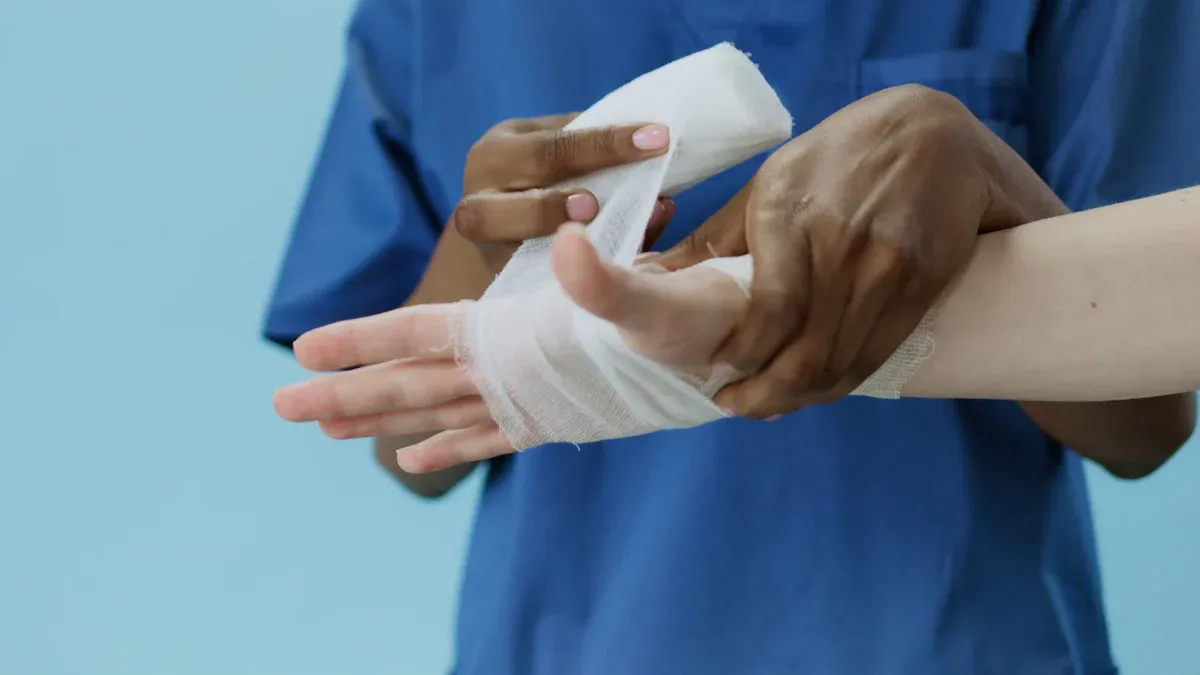
Foam dressings help manage fluid from wounds. Too much fluid can harm nearby skin, making it soft and weak. This damage raises infection risks and slows healing. Foam dressings soak up extra fluid, keeping wounds dry and clean. Their soft polyurethane design traps fluid while keeping the wound moist.
By controlling fluid, foam dressings stop problems and help healing. They also lower the need for frequent changes, which keeps the wound undisturbed. This makes them great for wounds with lots of fluid.
Tip: Pick a foam dressing that matches your wound’s fluid level. This keeps moisture balanced and avoids more issues.
Keeping Wounds Moist for Better Healing
Moist wounds heal faster and better. Foam dressings keep the right amount of moisture. This helps the body remove dead tissue naturally. It also lowers pain and scarring, making healing easier. Moisture boosts collagen, which strengthens skin and helps it grow back. It also helps new skin cells cover the wound.
Studies show moist dressings heal wounds quicker with less swelling. They stop skin from drying out and dying, leading to better results. Foam dressings are great at controlling moisture, making them ideal for many wounds.
Note: Using foam dressings early can save tissue and stop wounds from getting worse, like in burns.
Blocking Germs and Dirt from Wounds
Foam dressings protect wounds from germs and dirt. This lowers infection risks and helps wounds heal faster. Infection can slow healing and cause problems, so protection is key.
Some foam dressings have germ-fighting ingredients for extra safety. They seal wounds tightly, keeping harmful things out while helping healing.
|
Protective Features of Foam Dressings |
Benefits |
|---|---|
|
Blocks germs and dirt |
Protects wounds from infection and keeps them safe. |
|
Controls moisture |
Stops problems by soaking up extra fluid and keeping balance. |
|
Supports moist healing |
Speeds recovery and reduces scarring. |
Foam dressing combines moisture control and protection. This makes them a top choice for modern wound care.
Helping New Tissue Grow
Granulation tissue is key to healing wounds. It helps new skin grow and closes the wound. Foam dressings help by creating a safe space for tissue to grow and stopping infections.
Foam dressings gently press on the wound. This soft pressure, called macro-deformation, pulls the wound edges closer. It also removes harmful fluids and germs that slow healing. By keeping the wound clean, foam dressings help granulation tissue grow better.
Foam dressings also improve blood flow with tiny changes called micro-deformations. Better blood flow brings oxygen and nutrients to the wound. This helps cells grow and move, which speeds up tissue growth. The wound heals faster and stays safe from infections.
Studies show foam dressings work better than regular ones. Continuous use increases tissue growth by 63%. Using them off and on boosts it by 103%. These numbers prove foam dressings are great for healing wounds.
|
How It Works |
How It Helps Tissue Grow |
|---|---|
|
Macro-deformations |
Pulls wound edges together, removes harmful fluids and germs |
|
Micro-deformations |
Improves blood flow, reduces swelling, and helps cells grow |
|
Continuous Use |
Grows 63% more tissue compared to regular dressings |
|
Off-and-On Use |
Grows 103% more tissue compared to regular dressings |
Foam dressings also keep the wound moist, which is important for healing. Too much fluid can hurt the wound, and too little slows healing. Foam dressings balance moisture to keep the wound just right. This stops problems and helps the wound heal naturally.
Foam dressings protect the wound from dirt and germs. This lowers infection risks and lets tissue grow without trouble. Some foam dressings even fight germs for extra safety.
Adding foam dressings to wound care can make healing much better. They balance moisture, manage fluids, and protect the wound. This makes them a great choice for helping new tissue grow and healing wounds faster.
Types of Wounds Suitable for Foam Dressings
Acute Wounds (e.g., Surgical Incisions, Minor Burns)
Foam dressings work well for acute wounds like surgical cuts and small burns. These wounds often leak fluid, which foam dressings absorb to keep the area clean and moist. Their design doesn’t stick to the wound, making changes less painful.
Studies show foam dressings help heal acute wounds faster. For example:
-
A study of 127 patients found healing times of 9.37 days for grade II abrasions and 22.63 days for grade III abrasions using hydrofiber foam dressings.
-
Silver foam dressings lowered infection rates in pediatric burns to 4.6%.
-
Fewer dressing changes were needed, reducing pain and hospital-acquired infections.
Foam dressings also block dirt and germs, making them great for wounds at risk of infection. They balance moisture, speeding up healing and improving comfort.
Tip: Use foam dressings with germ-fighting features for burns or surgical wounds to boost healing.
Chronic Wounds (e.g., Pressure Ulcers, Diabetic Foot Ulcers)
Foam dressings are helpful for chronic wounds like pressure sores and diabetic foot ulcers. These wounds heal slowly and often get infected. Foam dressings keep the wound moist, helping new tissue grow and stopping fluid buildup.
Research supports their use:
-
Foam dressings lowered sacral pressure injuries from 13.6% to 1.8% in ICU patients.
-
Hospital-acquired pressure injuries dropped from 12.5% to 7% with foam dressings.
While foam dressings may not be the best for complex diabetic foot ulcers, they are good for simpler wounds. Their soft padding protects the wound from pressure, easing pain and helping it heal.
Note: Chronic wounds need regular checks and proper dressing use to avoid problems.
Wounds with Moderate to Heavy Exudate
Foam dressings are great for wounds that leak a lot of fluid. They soak up extra fluid, keeping nearby skin healthy and safe from infection. By trapping fluid, they keep the wound moist for better healing.
Studies back their effectiveness:
|
Study |
Findings |
Wound Type |
|---|---|---|
|
Santamaria et al. (2015) |
Pressure injuries reduced to ≤10% in ICU patients using Mepilex® dressings |
Acute wounds (pressure ulcers) |
|
Brindle and Wegelin (2012) |
Preventive effect seen, but not significant |
Acute wounds (cardiac surgery patients) |
|
Chaiken (2012) |
Sacral pressure injuries dropped from 13.6% to 1.8% |
Acute wounds (ICU patients) |
|
Walsh et al. (2012) |
Hospital-acquired pressure injuries fell from 12.5% to 7% |
Acute wounds (ICU patients) |
Foam dressings are especially useful for wounds with lots of fluid, like infected burns or pressure sores. They absorb fluid while keeping the wound moist, helping it heal faster and better.
Tip: Choose foam dressings made for heavy fluid levels to reduce changes and improve care.
Practical Guidelines for Using Foam Dressings
How to Apply Foam Dressings Correctly
Using foam dressings the right way helps wounds heal better. Follow these simple steps to make sure they work well:
-
Clean the Wound Area: Gently wash the wound with saline or a cleanser. Dry it carefully to remove extra moisture.
-
Select the Right Dressing: Pick a foam dressing that fits the wound size and fluid level. Make sure it matches the wound’s shape.
-
Prepare the Dressing: Take off the backing if it’s sticky. Don’t touch the part that will go on the wound.
-
Apply the Dressing: Place the foam dressing over the wound, covering it fully. Smooth it out to remove any air bubbles.
-
Secure the Dressing: If it’s not sticky, use tape or a bandage to hold it in place.
Foam dressings can fit different wound shapes and body parts. They work well on flat or curved areas and let joints move freely. They also keep water out but allow air to pass through, protecting the wound.
|
Application Characteristics |
Description |
|---|---|
|
Easy to Use |
Simple to apply on flat or curved areas. |
|
Fits Well |
Works on both bumpy and smooth surfaces. |
|
Flexible |
Stays in place even when joints move. |
|
Water-Resistant |
Blocks water but lets air escape. |
|
Strong Under Pressure |
Works well even with walking or movement. |
|
Sticks Well |
Keeps the wound moist and avoids problems. |
Tip: After applying, check if the dressing fits well and stays secure.
Duration of Wear and Factors That Influence It
How long you can wear foam dressings depends on the wound. Things like fluid levels, infections, and skin condition matter. Most foam dressings last 3 to 7 days, but very wet wounds may need changes sooner.
The wound type affects how long the dressing stays useful. Wounds with less fluid can go longer without changes. Areas with lots of movement, like knees, may need new dressings faster.
Note: Check the wound often. Change the dressing if it’s soaked or not sticking well.
Risks of Improper Use and How to Avoid Them
Using foam dressings the wrong way can cause problems. These include infections and slower healing. Follow these tips to avoid issues:
-
Use the Right Size: A dressing that’s too small won’t cover the wound fully. This can lead to infections.
-
Don’t Let It Get Too Wet: A soaked dressing can harm the skin around the wound.
-
Make Sure It Sticks: If it doesn’t stick well, germs and dirt can get in.
Studies show foam dressings lower infection risks compared to basic ones. In one study, only 12 infections happened with foam dressings, while 21 occurred with basic dressings. But using them wrong can still cause problems.
Alert: Check the wound and dressing often. Replace it if it’s worn out or dirty.
Foam dressings work great when used properly. By following these steps, you can keep wounds safe and help them heal faster.
Types of Foam Dressings and Their Features
Adhesive vs. Non-Adhesive Foam Dressings
Foam dressings come in two types: adhesive and non-adhesive. Adhesive dressings stick to the skin, making them easy to use. Non-adhesive ones need tape or bandages but are gentler on skin.
Studies compare adhesive brands like Allevyn and Biatain. Allevyn handles wound fluid better and is more comfortable. It also has fewer peeling issues and side effects.
|
Feature |
Allevyn Adhesive |
Biatain Adhesive |
p-value |
|---|---|---|---|
|
Peeling Issues |
83% |
0.014 |
|
|
Fluid Handling |
Better |
Worse |
0.044 |
|
Comfort |
Better |
Worse |
0.007 |
|
Easy to Apply |
Better |
Worse |
0.004 |
|
Fits Well |
Better |
Worse |
0.003 |
|
Sticks to Skin |
Better |
Worse |
0.003 |
|
Side Effects |
21% |
33% |
N/A |
Choose adhesive dressings for active people. Use non-adhesive ones for sensitive skin or delicate areas.
Silicone-Coated Foam Dressings
Silicone-coated foam dressings have special features. They absorb fluid well and let air through. They also come off gently, causing less pain. These are great for wounds with lots of fluid.
|
Feature/Benefit |
Silicone-Coated Foam Dressings |
Other Dressings |
|---|---|---|
|
Absorbs Fluid |
Varies |
|
|
Lets Air Through |
High |
Varies |
|
Gentle Removal |
Yes |
Not always |
|
Best for Fluid-Heavy Wounds |
Yes |
Limited |
|
Less Pain During Changes |
Yes |
Not guaranteed |
These dressings are good for sensitive skin and irritated wounds. They reduce pain and are great for long-term care.
Choosing the Right Foam Dressing for Your Needs
Picking the right foam dressing depends on the wound. Think about the wound’s size, location, and fluid level. Silicone-coated dressings are best for wounds with lots of fluid.
Doctors also look at how easy the dressing is to use. They check if it’s simple to prepare and works well. The Vernon Scoring System helps pick the best option.
-
Silicone foam adhesive dressings are common in hospitals.
-
Look at how the dressing is disposed of and its environmental impact.
-
Doctors’ experience and preferences also help in choosing the right one.
By considering these points, you can find a foam dressing that fits your needs and helps wounds heal faster.
Foam dressings are important for keeping wounds safe and healing fast. SLK Medical’s Advanced Wound Dressing has special features to help wounds heal better. These dressings soak up fluids, keep the wound moist, and block germs. Some even have germ-fighting ingredients to lower infection risks and help new skin grow. They are easy to use and work well for many types of wounds. Using them the right way can improve care and speed up healing. By knowing their benefits, you can manage wounds better and heal faster.
FAQ
What makes foam dressings special compared to other dressings?
Foam dressings soak up more fluid and keep wounds moist. This helps wounds heal faster. They also block germs and dirt from getting in. Unlike gauze, foam dressings don’t stick, so changing them hurts less.
Can foam dressings be used for every wound?
Foam dressings are best for wounds with lots of fluid, like burns or sores. They might not work well for dry wounds or ones needing frequent checks. Always ask your doctor to pick the right dressing.
How often should foam dressings be replaced?
Foam dressings usually last 3 to 7 days. Wounds with more fluid may need quicker changes. Check daily to see if the dressing is soaked or loose. Replace it if it’s wet or not sticking well.
Are foam dressings okay for sensitive skin?
Yes, foam dressings, especially silicone ones, are gentle on skin. They cause less irritation and hurt less when removed. Non-sticky types are good for delicate areas to avoid discomfort.
Do foam dressings help stop infections?
Foam dressings protect wounds from germs and dirt, lowering infection risks. Some have special ingredients to fight germs. Using them correctly and checking often makes them work better.


