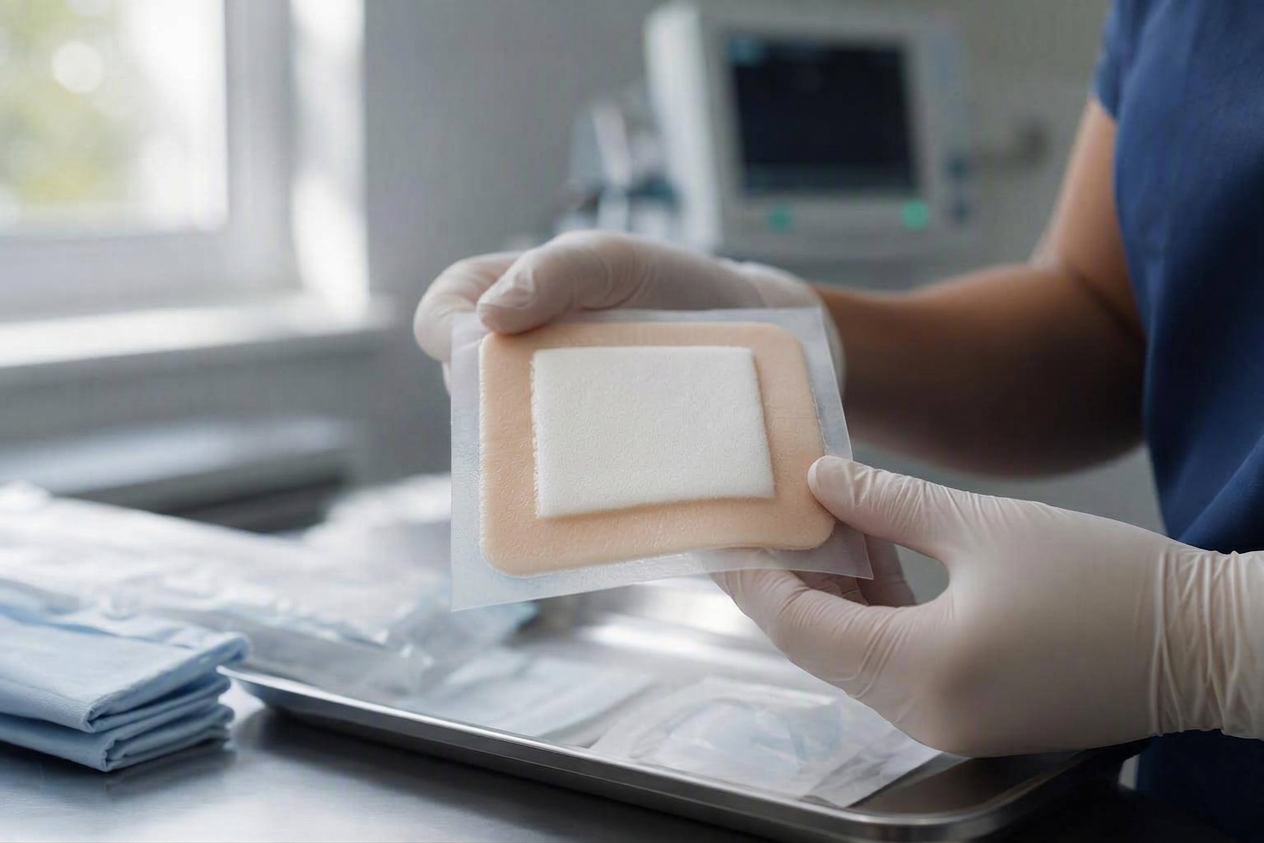
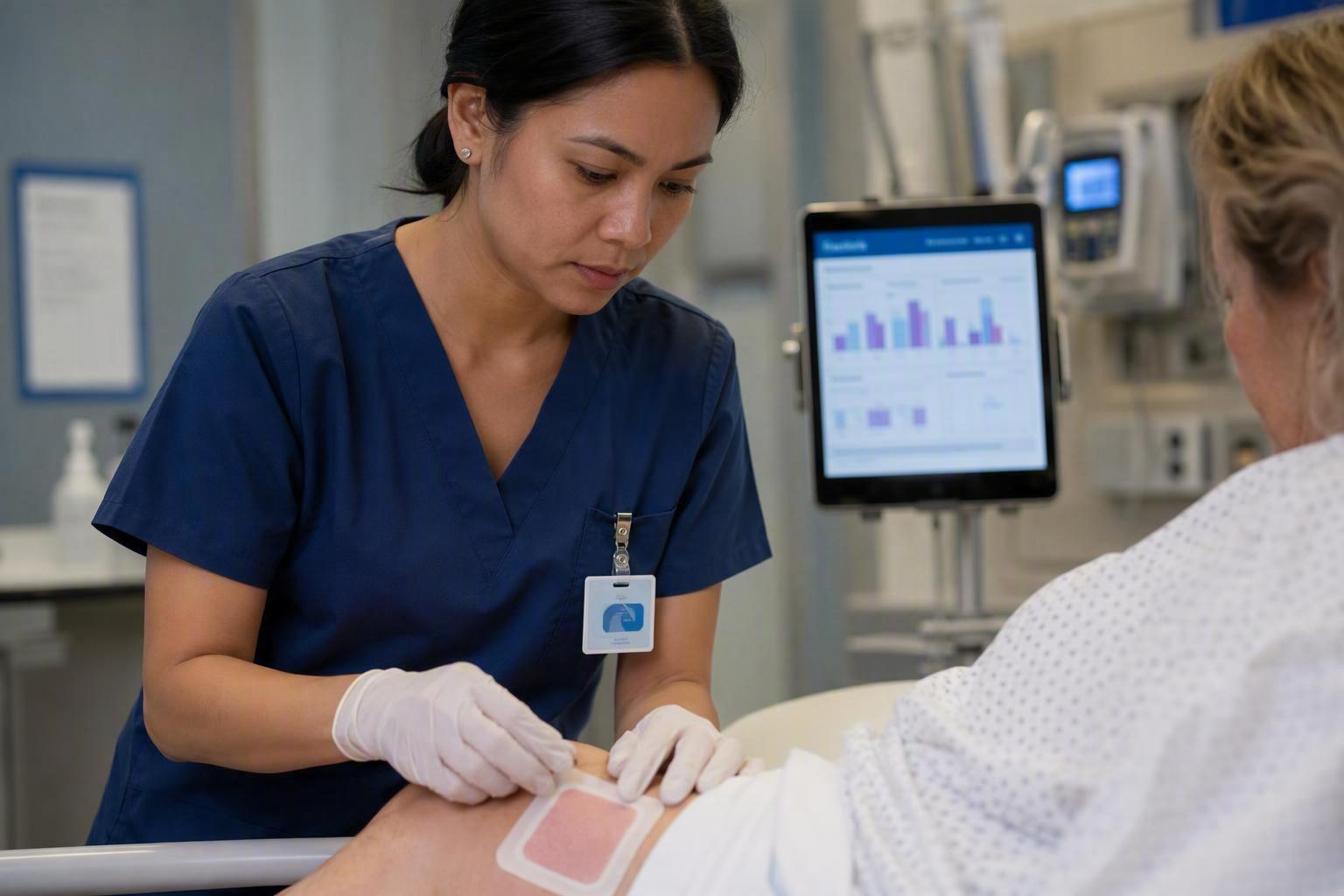
You can trust the multi-layer structure of SLK Medical’s silicone foam dressing to keep your wound healing environment just right. Each layer works with the others to manage moisture, block germs, and protect your skin. Clinical studies show that foam dressings help wounds heal faster than other types.

You get less pain, better healing, and more comfort with this advanced dressing.
Key Takeaways
-
Silicone foam dressings keep wounds wet. This helps wounds heal faster. It also makes changing dressings hurt less. The dressings have many layers. These layers stop germs from getting in. They also control how much moisture is on the wound. Using silicone foam dressings means you do not need to change them as often. This makes caring for wounds easier and more comfortable. Studies show these dressings help people with diabetic foot ulcers. They help wounds heal better and lower the chance of infection. Patients say they feel less pain with these dressings. They also heal better than with regular dressings.
Why Moisture Matters
You may ask why a moist wound heals faster. Studies say that moisture helps wounds heal in many ways. When a wound is moist, new skin cells can move easier. This makes healing quicker and less painful. Moisture also helps your body make collagen. Collagen makes new tissue stronger.
Tip: Keeping a wound moist can help stop scars and lower infection risk.
Here is what research says about moisture and wound healing:
|
Study |
Findings |
|---|---|
|
George Winter (1962) |
Wounds healed better and faster when kept moist. Skin grew back two to three times faster in moist wounds. |
|
Moist Wound Healing Study |
Moist wounds help cells talk and move, and help make collagen. |
|
Controlled Water Vapor Transmission Rate Study |
The right amount of moisture helps skin cells grow and heal in mice. |
You can heal up to 50% faster, get fewer infections, and protect new skin during dressing changes. Research also shows moist wounds help new blood vessels and growth factors work better.
Silicone Foam Dressing Benefits
Using a silicone foam dressing helps your wound heal well. These dressings soak up extra fluid but keep the wound moist. This stops leaks and protects skin around the wound. Studies show silicone foam dressing lowers pain and damage when you change it. You do not need to change it as often, so healing is smoother.
-
Good exudate control keeps the wound balanced.
-
Protecting skin around the wound means less softening and faster healing.
-
Multi-layer dressings stop pressure injuries and help care for sensitive skin.
People say they feel less pain and heal better with silicone foam dressing than with old types. Research shows foam dressings can stay on for up to seven days. This makes wound care easier for you. You get comfort, safety, and strong healing support.
Multi-Layer Structure

Silicone Wound Contact Layer
Clinical studies show the silicone wound contact layer can provide better healing and comfort. This part touches your skin and the wound. It sticks gently but does not hurt when you take it off. You feel less pain and your skin stays safe during changes. Studies say silicone dressings do not stick too much. This means less pain and less skin damage.
-
LeBlanc et al. found silicone dressings make changes less painful.
-
Matsumara et al. showed soft silicone dressings do not strip skin.
-
Kennedy-Evans saw faster healing and less pain with mesh silicone.
-
Timmons et al. found silicone dressings help comfort and life quality.
Foam absorbent layer
The next layer is absorbent foam. It pulls extra fluid away from the wound. The foam loves water and soaks up fluid fast. It keeps the wound moist but not too wet. This helps new skin grow and keeps skin around the wound safe. Hydrophilic foam moves fluid to a superabsorbent layer. This keeps the wound clean and dry on top. The foam lets air pass through, so the wound can breathe and heal.
Hydrophilic foam in silicone foam dressings moves fluid to a superabsorbent layer. This stops fluid from going back to the wound. The foam lets some moisture out, which helps the wound heal faster.
Non-woven distribution layer
Transfer the exudates to the super absorbent layer. The perforated silicone top allows wound exudate to rapidly migrate into the super absorbent layer, trapping fluid and preventing backflow to protect the wound from maceration.
SAF absorption & retention layer
Enhanced absorption capacity enables the dressing to rapidly take up wound exudates. Optimized water-locking performance effectively traps absorbed fluid and prevents backflow, minimizing skin maceration and maintaining a stable moist wound environment.
Polyurethane film backing
The last layer is the waterproof backing. It covers the wound and keeps out water, dirt, and germs. You can shower and not worry about the wound getting wet. The waterproof film blocks bacteria and lowers infection risk. It also lets oxygen and water vapor pass through. This keeps the wound moist but not too wet.
Advantage of silicone foam dressing
Moisture Balance
You want your wound to heal fast and safely. Silicone foam dressing helps by keeping the right moisture at the wound. The silicone contact layer sits softly on your skin. It lets fluid move to the absorbent foam. The foam pulls in extra fluid but does not let the wound get too wet. The waterproof backing lets air and water vapor out, so your wound can breathe. This balance stops your skin from getting too soft or breaking down.
Research shows multi-layer dressings control moisture better than single-layer ones. You have less risk of maceration, so the skin around your wound stays healthy. The absorbent foam keeps the wound moist, which helps new tissue grow and makes healing faster. You also avoid problems like dryness or too much fluid, both of which can slow healing.
|
Feature |
Multi-layer Silicone Foam Dressings |
Single-layer Alternatives |
|---|---|---|
|
Moisture Management |
Less effective |
|
|
Adherence to Wound |
Prevents adherence |
May adhere to wound |
|
Dressing Change Facilitation |
Facilitates easier changes |
More difficult |
Clinical studies show silicone foam dressings keep wounds moist, lower pain, and help you heal faster. You get fewer problems and better results. The right moisture balance is very important for wound healing, especially for chronic wounds.
Note: Keeping the wound moist with the right dressing can lower pain, help healing, and protect new tissue.
Infection Protection
You need strong protection from infection when you have a wound. The waterproof backing on silicone foam dressing blocks bacteria, dirt, and water. This layer acts like a shield, keeping germs away from your wound. The absorbent foam also helps by trapping fluid, which can carry bacteria, and keeps it away from the wound.
Studies show multi-layer dressings protect soft tissue better than single-layer types. The layers work together to spread out pressure and lower strain on your skin. This helps stop pressure injuries, which are common in people with chronic wounds. Research found patients using these dressings had fewer pressure injuries and lower infection rates.
-
Multi-layer dressings give better soft tissue protection.
-
The design helps stop pressure injuries in high-risk patients.
-
Big clinical trials show a 10% drop in pressure injury rates with these dressings.
-
In ICU studies, patients using silicone foam dressings did not get pressure injuries.
-
The waterproof layer helps stop infection by blocking germs.
You can trust this dressing to help prevent infection. The layers work together to keep your wound safe, even if you have chronic wounds or need long-term care. Some dressings also have antimicrobials, which add more protection. Antimicrobial therapy can help fight infection in wounds that heal slowly.
Real-World Wound Foam Dressing Absorbency Test
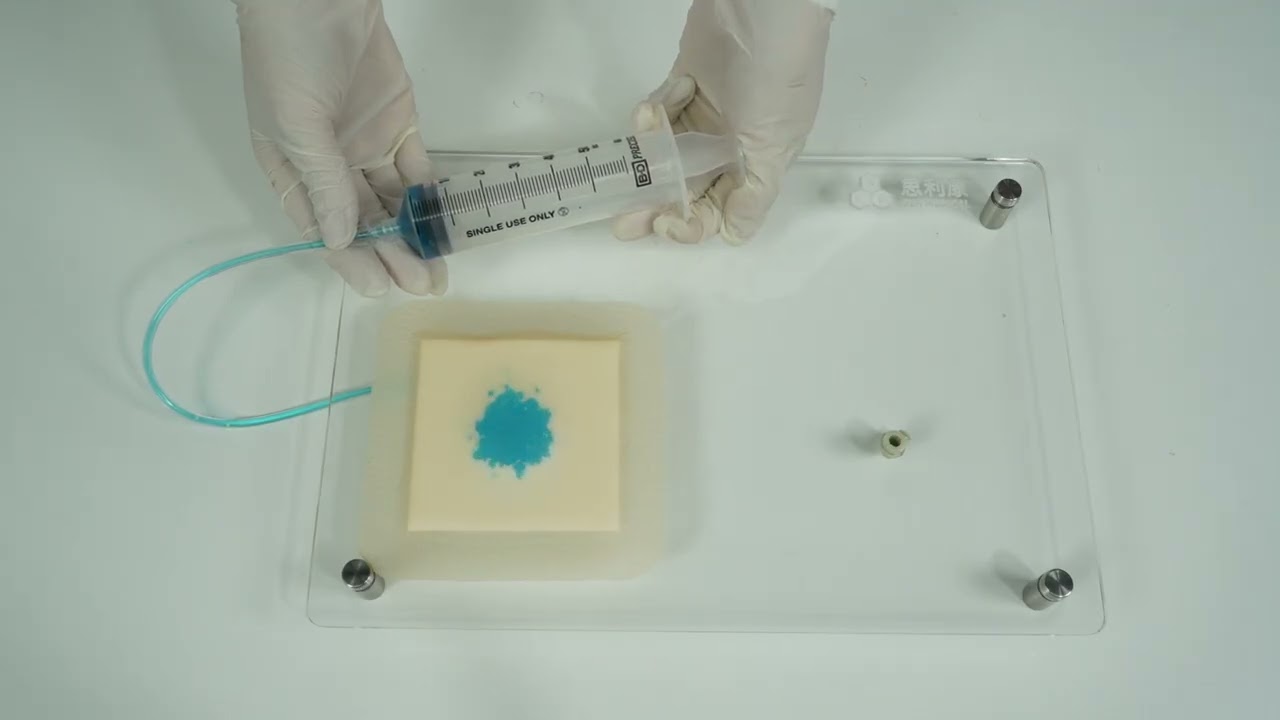
For Diabetic Foot Ulcers
Healing Support
If you have diabetes, foot ulcers can be tough to heal. These wounds often last a long time and need special care. Silicone foam dressing helps wounds heal better. It keeps the wound moist, which helps new skin grow. Healing happens faster in a moist place. This also lowers the chance of infection, which is a big worry for diabetic foot ulcers.
Here is how silicone foam dressing helps with diabetic foot ulcers:
|
Benefit |
Description |
|---|---|
|
Moist Wound Environment |
Keeps the wound moist, which is key for healing diabetic foot ulcers. |
|
Infection Risk Reduction |
Blocks bacteria and lowers infection risk. |
|
Pain Minimization |
Makes dressing changes less painful. |
|
Exudate Absorption |
Soaks up fluid, keeping the wound clean. |
|
Reduction of Harmful Enzymes |
Lowers enzymes that slow healing, so you heal faster. |
You need a dressing that can handle extra fluid from ulcers. The absorbent foam core pulls away fluid, so your wound stays clean. The waterproof film on top keeps out germs and water. This helps stop infections. Studies show silicone foam dressing helps chronic diabetic foot ulcers heal better. You get fewer infections and better healing.
Comfort and Safety
You want wound care to be safe and comfortable. The soft silicone layer sticks gently to your skin. This means you feel less pain when you change the dressing. The flexible design fits your foot’s shape. It gives pressure relief and protects your ulcer from more harm.
Some dressings use 3DFit™ technology to fit the wound bed. It pulls fluid up and holds it, so you do not need to change the dressing as much. This means you touch your wound less and lower the risk of infection. The waterproof top film acts like a shield. It keeps out dirt and bacteria.
-
Silicone foam dressings keep wounds moist and soak up extra fluid.
-
The gentle silicone layer makes changes easy and less painful.
-
The waterproof film blocks bacteria and helps stop infection.
-
Air can pass through, so oxygen reaches the wound and helps it heal.
-
The flexible design gives comfort and helps with pressure.
Research and studies support these benefits. You get better healing, less pain, and strong protection from infection. For chronic diabetic foot ulcers, silicone foam dressing is a smart choice for care and treatment. You can trust this dressing to help prevent infections and improve healing. Some dressings even have antimicrobials for extra protection.
You can count on SLK Medical’s silicone foam dressing for easy wound healing. The layers work together to keep the wound moist and stop infection. This dressing also helps you feel more comfortable. Studies show these dressings help stop ulcers and help wounds heal better, especially for people with diabetes.
-
People with diabetes say they have less pain and heal better.
-
Nurses and doctors notice fewer infections and simple care.
You get strong protection, gentle care, and real help for diabetic foot infections, ulcers, and wounds that take a long time to heal. You can trust this dressing for your care plan and to help stop future problems.
FAQ
What makes silicone foam dressings helpful for diabetic foot ulcers?
You get better healing for diabetic foot ulcers with silicone foam dressings. These dressings keep the wound moist and protect it from infection. You can use them as part of your treatment plan for diabetes and ulcers. They help you avoid more serious diabetic foot infections.
How often should you change the dressing for diabetic foot ulcers?
You should follow your doctor’s advice for dressing changes. Most people with diabetes and ulcers change the dressing every few days. This helps you keep the wound clean and lowers the risk of infection. Good care supports your treatment and helps ulcers heal faster.
Can silicone foam dressings help with pain during ulcer treatment?
Yes, you feel less pain when you use silicone foam dressings for diabetic foot ulcers. The soft layer does not stick to the wound. You can remove it easily. This makes your treatment and care for diabetes and ulcers more comfortable.
Why is moisture important in diabetic ulcer care?
Moisture helps your wound heal faster. When you keep diabetic foot ulcers moist, new skin grows better. You lower the risk of infection. Moist wound care is a key part of treatment for diabetes, ulcers, and diabetic foot ulcers.
What should you do if your ulcer does not heal with regular treatment?
If your diabetic foot ulcers or other ulcers do not heal, you should talk to your doctor. You may need a new treatment plan. Diabetes can slow healing. Good care and the right dressing help, but some ulcers need extra help to heal.