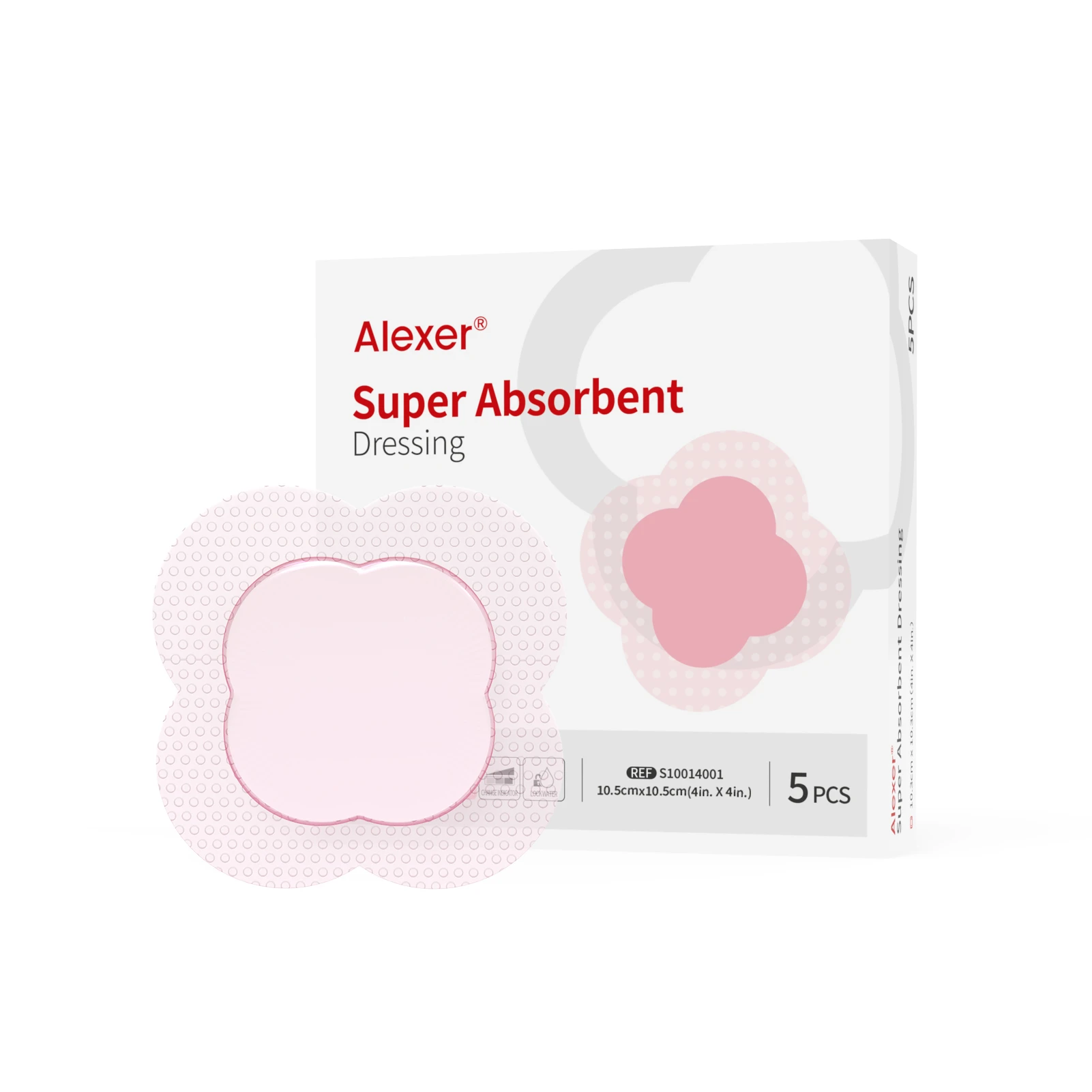
You want fast answers about scar care. Silicone Scar Sheets work best for large, flat scars. Silicone scar tape fits long, straight scars and areas that move often, like joints. Silicone Scar Gel helps with small or uneven scars, especially on your face. Clinical studies show Silicone Tape, Silicone Scar Gel, and Silicone Scar Sheets can improve hypertrophic and keloid scars. Healthcare professionals recommend silicone-based products as the top choice for scar management. You can feel confident that choosing the right product may help your scar heal and fade.
Key Takeaways
-
Silicone scar sheets are best for large, flat scars. They keep scars hydrated and help them heal better.
-
Silicone scar tape works well for long, straight scars. It stays in place during movement and is easy to apply.
-
Silicone gel is ideal for small or uneven scars. It dries clear and fits easily into your daily routine.
-
Consistent use of silicone products improves scar appearance. Apply them regularly for the best results.
-
Choose the right silicone product based on your scar type and location. This ensures effective treatment.
How Silicone Works
Healing Process
You want your scar to heal and look better. Silicone helps you achieve this by creating a protective layer over your skin. This layer keeps moisture in and forms a semi-occlusive barrier. When your skin stays hydrated, it produces less excess collagen. Collagen is the protein that makes scars thick and raised. Silicone also applies gentle pressure to the scar, which helps flatten it over time.
The effectiveness of silicone comes from how it interacts with your skin. Silicone products can increase the surface temperature of your scar. This boost in temperature activates collagenase, an enzyme that breaks down extra collagen. As a result, your scar becomes softer and smoother. Silicone also reduces fibroblast growth factor production, which controls how much collagen your skin makes. You get a more organized collagen structure, and your scar fades.
Tip: Consistent use of silicone products gives your skin the best chance to heal and improve scar appearance.
Scar Types
You can use silicone for many scar types. These products work well for hypertrophic scars, which are raised and red. Keloid scars, which grow beyond the original injury, also respond to silicone therapy. Surgical scars, such as those from C-sections or joint replacements, benefit from silicone’s effectiveness. Burn scars and scars from injuries or acne can also improve with regular silicone use.
Here is a quick list of common scar types treated with silicone products:
-
Hypertrophic scars
-
Keloid scars
-
Surgical scars
-
Burn scars
-
Acne scars
-
Injury scars
Silicone adapts to different scar types and locations. You can choose the right product to match your needs and maximize effectiveness.
Silicone Scar Tape

Effectiveness
Silicone scar tape works well for long, straight scars. You often see these scars after surgery or a C-section. The tape covers the scar and keeps it moist. This helps your skin heal and can make the scar look flatter and softer over time. Many doctors recommend silicone scar tape for surgical scars because it stays in place and protects the area.
You can see how silicone scar tape compares to other treatments in the table below. The VAS score measures how the scar looks after treatment. Higher scores mean better appearance.
|
Group |
VAS Score at 12 Months |
|
|---|---|---|
|
Silicone Sheets |
6.81 ± 1.47 |
6.88 ± 2.01 |
|
Paper Tape |
6.19 ± 1.62 |
6.20 ± 2.08 |
|
P-Value |
0.03 |
0.04 |
Silicone scar tape shows strong results for long, linear scars. You get a reliable option for improving scar appearance.
Uses
You can use silicone scar tape on many parts of your body. It works best for scars that are long and straight, such as those from surgery, C-sections, or injuries. The tape sticks well to areas that move a lot, like knees, elbows, or shoulders. You can also use it on hard-to-cover places, such as the jawline or behind the ear. The flexible design lets you cut the tape to fit your scar’s shape and length.
Tip: Choose silicone scar tape if you want a product that stays put during daily activities or exercise.
Pros & Cons
Silicone scar tape offers several benefits. You get a product that is easy to apply and remove. The tape feels soft and comfortable on your skin. It does not pull or tug, so you can wear it all day. Many people like that it is nearly invisible under clothing.
Some users report that the effectiveness of silicone scar tape may vary. Clinical data and user reviews show that results can differ from person to person. You may notice changes in your scar’s appearance, but the impact on pain relief is less certain. Still, silicone scar tape remains a popular choice for its comfort and convenience.
Silicone Gel

Effectiveness
You may want a scar treatment that fits your busy lifestyle. Silicone gel offers a simple solution for small, facial, or irregular scars. You can apply it quickly and let it dry without needing extra materials. Clinical studies show that silicone gel helps your skin heal in several ways:
-
Increases hydration in the outer layer of your skin, which helps control fibroblast activity and lowers collagen production. Your scar becomes softer and flatter.
-
Shields scarred tissue from bacteria, stopping extra collagen from forming.
-
Balances growth factors, which helps your skin manage collagen and break down abnormal scar tissue.
-
Lessens itching and discomfort, making the healing process easier for you.
You get a product that works well for scars that are hard to cover with tape or sheets.
Uses
You can use silicone gel on scars that have uneven shapes or are located on your face, neck, or hands. The gel spreads easily and dries clear, so you do not need to worry about visible residue. Many people choose silicone gel for acne scars, small surgical marks, or scars near the eyes and mouth. You can add it to your daily routine, even before makeup or sunscreen.
Tip: Apply silicone gel twice a day for best results. Let it dry before touching your skin or putting on clothes.
Pros & Cons
You may prefer silicone gel because it is convenient and easy to use. You do not need tape or sheets, and you can carry the gel in your bag or pocket. The table below shows how silicone gel compares to other products in terms of convenience and compliance:
|
Product Type |
Convenience Level |
Compliance Issues |
Efficacy Comparison |
|---|---|---|---|
|
Silicone Gel Sheets |
Low |
Inconvenient for large mobile areas, requires taping, may irritate skin |
No significant difference in efficacy |
|
Topical Silicone Gels |
High |
Easier to apply, integrates into daily routine, no fixation materials required |
No significant difference in efficacy |
You get flexibility and comfort with silicone gel. You can use it anywhere, anytime. Some users notice that it dries quickly and does not stain clothing. You may find it easier to stick with your scar care routine when you use silicone gel.
Silicone Sheets

Effectiveness
You get the best results for large, flat scars when you use silicone sheets. These sheets work well for scars from burns, tummy tucks, or breast surgery. The wide surface area covers your scar completely. This coverage helps keep the scar moist and protected. When you use sheets, you create a barrier that locks in hydration. Your skin heals better and forms a softer, flatter scar. Many people notice a marked benefit in scar treatment after using silicone sheets for several weeks. Clinical studies show that sheets can prevent hypertrophic scars and improve the look of existing scars.
Uses
You can use sheets on scars that cover a broad area. They fit well on the abdomen, chest, or thighs. Sheets also work for scars that do not move much, such as those on the torso. You can cut the sheets to match the shape of your scar. This makes them flexible for different needs. Sheets are reusable, so you can wash and apply them again. You get a cost-effective solution for long-term scar care.
Tip: For best results, wear the sheets daily and keep your skin clean before each application.
Pros & Cons
You should know the main advantages and disadvantages before choosing silicone sheets. Here is a quick overview:
|
Pros |
Cons |
|---|---|
|
Marked benefit in scar treatment |
Difficult to use in areas of movement |
|
Relatively low cost and easy to use |
Not suitable for unhealed or open wounds |
|
Minimal side effects |
Some products may cause mild skin irritation |
|
Most trials had poor quality and high bias |
-
Sheets are reusable and easy to maintain.
-
Side effects are usually minimal, but you may notice mild skin irritation.
-
Some designs may not fit well on joints or moving areas.
You get strong coverage and moisture retention with silicone sheets. They offer a practical choice for large, flat scars that need consistent care.
Comparison
Table
You want a clear guide to match your scar type and body area with the best silicone product. The table below gives you a quick reference for scar management. You can see which option fits your needs based on scar type, location, and user satisfaction.
|
Scar Type / Location |
Best Product |
Why It Works Best |
Convenience Rating |
Scar Camouflage Rating |
|---|---|---|---|---|
|
Large, flat scars (abdomen, chest, thighs) |
Silicone sheeting (sheets) |
Covers wide areas, keeps scar hydrated, reusable |
3.1/5 |
4.3/5 |
|
Long, linear scars (surgical, C-section, joints) |
Silicone scar tape |
Flexible, stays on moving parts, easy application |
4.2/5* |
4.0/5* |
|
Small, irregular, or facial scars |
Silicone gel sheets / gel |
Spreads easily, dries clear, fits uneven shapes |
4.7/5 |
2.8/5 |
|
Raised or keloid scars |
Silicone sheeting (sheets or gel sheets) |
Applies gentle pressure, reduces texture and height |
3.1-4.7/5 |
2.8-4.3/5 |
*Note: Ratings for silicone scar tape are based on user feedback and clinical experience. Silicone gel sheets and silicone sheeting share similar properties for scar management.
Summary
You want to choose the right product for your scar. Silicone sheeting stands out for large, flat scars and raised scars like hypertrophic or keloid scars. You get strong coverage, gentle pressure, and moisture retention. Dermatologists often recommend silicone sheeting as a first-line treatment for these scar types. You can cut the sheets to fit your scar and reuse them for daily application.
Silicone scar tape works best for long, straight scars and areas that move often. You can rely on its flexibility and secure fit. The tape stays in place during daily activities, making it a practical choice for surgical scars or scars on joints.
Silicone gel sheets and gels give you the most convenience for small, irregular, or facial scars. You can apply the gel quickly and let it dry clear. This option fits your busy lifestyle and works well for scars that are hard to cover with sheets or tape.
You should know that all forms of silicone products—sheets, gels, and tape—help regulate collagen production and keep your scar hydrated. This process improves scar texture, color, and height. Silicone gel sheets and silicone sheeting can reduce scar texture by up to 86%, color by 84%, and height by 68%. You can use these products on both new and older scars for effective scar management.
Tip: For best results, match your scar type and location to the right silicone product. Consistent application gives you the highest chance for smoother, less visible scars.
Tips
Selection
Choosing the right silicone scar product helps you get the best results for your skin. You should look at your scar’s size, shape, and location. If you have a large, flat scar, silicone sheets work well. For long, straight scars, silicone tape fits best. Small or uneven scars often respond better to silicone gel.
You also want to check the ingredients in your product. Some formulas include extra ingredients that help your skin heal faster. The table below shows common ingredients and their benefits:
|
Ingredient |
Benefit |
|---|---|
|
Dimethicone |
Helps remodel skin texture and improve discoloration while locking in moisture. |
|
Onion Bulb Ferment |
Reduces visual redness and improves skin texture. |
|
Centella Asiatica Triterpenoids |
Soothes and aids in skin recovery. |
Tip: Pick a product with ingredients that match your skin’s needs. If you have sensitive skin, look for soothing agents like Centella Asiatica.
You should also think about your daily routine. If you need something quick and easy, silicone gel is portable and dries fast. Sheets and tape offer more coverage and pressure, which helps with larger scars.
Usage
Using silicone scar products the right way makes a big difference in your results. You should start applying silicone once your wound has healed. Early use during the remodeling phase, which can last up to a year, helps your scar fade faster.
Follow these steps for best results:
-
Clean and dry your scar before each application.
-
Cut silicone tape or sheets to fit your scar, making sure they overlap by about half an inch.
-
Wear silicone sheets or tape for 12–24 hours each day. Replace tape daily, especially after showering.
-
Use silicone gel twice a day, letting it dry before touching your skin or putting on clothes.
Note: Continuous wear gives your scar the most benefit. Consistency matters more than anything else.
Environmental factors like humidity and temperature can affect how silicone products work. Higher humidity and warmer temperatures help silicone cure faster, so your product may feel different depending on the season.
You can combine silicone products with a gentle moisturizer, but always apply silicone to clean, dry skin first. This keeps your scar hydrated and helps the product stick better.
😊 Stay patient and keep up your routine. You will see smoother, softer skin over time.
You can match your scar type to the best silicone product using the table below:
|
Scar Type |
Recommended Silicone Product |
Additional Notes |
|---|---|---|
|
Hypertrophic Scars |
Works well in clinical studies. International experts recommend it. |
|
|
Keloids |
Silicone Gel Sheeting + Steroid |
Use after healing for up to 12 months. Effective after surgery. |
|
High-risk Areas |
Silicone Gel Sheeting |
Lowers risk of raised scars in people with a history of abnormal scarring. |
-
The International Advisory Panel recommends silicone-based products for preventing raised scars.
-
Silicone gel sheeting works best for high-risk or sensitive skin.
You should avoid mistakes like poor contact with the scar or not enough compression. Most people see improvement in 2–3 months. Stay patient and keep up your routine. You give your skin the best chance to heal and look its best. 😊
FAQ
How soon can you start using silicone scar products after an injury or surgery?
You should wait until your wound has fully closed and healed. Start using silicone scar products once there is no open skin or scabbing. This usually takes about two weeks after surgery or injury.
Can you use silicone scar tape, gel, or sheets on old scars?
Yes, you can use silicone products on both new and old scars. Many people see improvement in scars that are several months or even years old. Consistent use gives you the best results.
How long should you wear silicone scar products each day?
You should wear silicone sheets or tape for 12 to 24 hours daily. For gel, apply it twice a day. Consistency helps your scar heal better and fade faster.
Are silicone scar products safe for sensitive skin?
Most people with sensitive skin can use silicone scar products. If you notice redness or irritation, stop using the product and talk to your doctor. Always test a small area first to check your skin’s reaction.