


You want great care for wounds. SLK Medical makes wound care products using new technology like D-Pore™ and soft silicone foam dressings. The company follows tough FDA and ISO 13485 rules. You can trust these products for sensitive skin and many kinds of wounds. Quality and patient comfort are always important in every product.
Key Takeaways
SLK Medical has many wound care products for different wounds. These products help wounds heal well and feel comfortable.
D-Pore™ technology in dressings soaks up fluid and lets skin breathe. This is good for people with sensitive skin.
You need to pick the right dressing for each wound. Look at the wound type, how much fluid it has, and how it is healing. Always check these things before you choose.
Silicone dressings make changing them hurt less and help wounds heal faster. Many patients like to use these dressings.
It is important to check wounds often. Transparent dressings let you see the wound without taking them off. This helps you find infections early.
SLK Medical wound care products overview
SLK Medical has many wound care products. These products help with different wounds and skin problems. Each one uses new technology to heal wounds faster and keep skin safe.
SLK Medical uses D-Pore™ Dual-Dimensional Pore Foaming Technology. This helps absorb fluids better and lets skin breathe. The silicone sticks softly to skin. It protects sensitive skin and makes dressing changes less painful.
Here is a simple look at the main types of SLK Medical wound care products:
Category | Usage Scenarios | Characteristics |
|---|---|---|
Silicone Foam Dressings | Surgical wounds, burns, ulcers | Flexible, skin-friendly adhesive |
Super Absorbent Dressings | Heavy exudate wounds, ulcers | High absorbency, gentle contact |
Hydrocolloid Dressings | Non-chronic wounds, abrasions | Moist healing, easy inspection |
Alginate Wound Dressings | Acute and chronic wounds, burns | Natural fibers, high absorbency |
Silicone Wound Contact Layers | Sensitive skin, grafts, ulcers | Gentle adhesion, pain-free change |
Transparent Dressings | Catheter sites, minor wounds | Waterproof, easy monitoring |
Silicone foam dressings
Silicone foam dressings give comfort and protection. They work for surgical wounds, burns, and ulcers. The soft silicone sticks gently to skin. It helps stop pain when you take it off.
Super absorbent dressings
Super absorbent dressings help with wounds that leak a lot. They soak up fluid and touch skin gently. These dressings keep wounds dry and help stop infection.
Hydrocolloid dressings
Hydrocolloid dressings keep wounds moist to help healing. You can use them for small wounds and scrapes. They are thin and bend easily. You can check the wound without taking off the dressing.
Alginate wound dressings
Alginate wound dressings use seaweed fibers. They work for burns, ulcers, and other wounds. These dressings soak up fluid fast and help stop bleeding.
Silicone wound contact layers
Silicone wound contact layers protect skin that is sensitive. You can use them for grafts, ulcers, and skin tears. They stick softly and make changing dressings easy and not painful.
Transparent dressings
Transparent dressings cover small wounds and catheter spots. They keep water out and let you see the wound. The adhesive is gentle and keeps skin safe.
Feature | Description |
|---|---|
Handles wound fluid for better healing | |
Antimicrobial Protection | Silver ion technology lowers infection risk |
Easy Wound Monitoring | Clear design helps you check wounds |
Versatile Applications | Good for many wound types and conditions |
SLK Medical wound care products help wounds heal well. They give comfort and strong protection.
Product details and benefits
Silicone Foam Dressing with Border – Skin Color
You can use the Alexer® Silicone Foam Dressing with Border for wounds that need extra care. It works for surgical wounds, pressure ulcers, diabetic foot ulcers, and burns. The dressing has a gentle silicone layer. It sticks softly to your skin. It keeps the wound moist. It protects the wound from bacteria and water.
Multi-layer design absorbs fluid and controls moisture
Waterproof backing keeps out water and bacteria
Soft silicone contact is good for sensitive skin
Comes in many shapes and sizes
Main Benefits:
Moist wound helps it heal faster
Protects against infection
Studies show silicone dressings help wounds heal faster. They also cause less pain. In one study, 96.9% of skin tears healed in three weeks with silicone dressings. Only 34.4% healed with regular dressings. Wounds healed 50% faster. People felt less pain during dressing changes. Silicone bordered dressings keep wounds moist. They lower the risk of infection.
Silicone Foam Dressing Composite Type – Pink Color
The Alexer® Silicone Foam Dressing Composite Type in pink color is good for wounds that leak a lot. It works for ulcers and burns. You can use it on sensitive or fragile skin. The dressing has a special multi-layer design. It spreads pressure and fits well on tricky body parts.
Feature | Benefit |
|---|---|
Polyurethane film backing | Waterproof, blocks bacteria, protects skin |
SAF absorption & retention layer | Locks in water, boosts absorption |
Non-woven distribution layer | Moves fluid to the absorbent layer |
Foam absorbent layer | Stops skin from getting too wet, keeps wound moist |
Gentle stick, safe for sensitive skin | |
Unique multi-layer design | Spreads pressure, lowers risk of skin damage |
Flexibility | Fits many shapes, stays in place |
Conformable | Works on hard-to-cover areas |
This dressing stays in place. It keeps the wound moist. It protects even delicate skin.
Silicone Foam Ag Dressing – without Border
You can choose the Alexer® Silicone Foam Ag Dressing without Border for wounds that need extra protection from infection. This dressing uses ionic silver in the foam layer. It helps fight bacteria. The silicone layer sticks gently. It does not hurt when you remove it.
Key Features:
Three-layer design with silver for infection control
Waterproof and breathable backing
Soft silicone contact for easy removal
Can stay on for up to 7 days
Main Benefits:
Lowers infection risk
Keeps the wound moist and comfortable
Makes dressing changes less painful
This dressing is good for wounds that leak a lot. It can stay on longer.
Super Absorbent Dressing Silicone Adherent
The Alexer® Super Absorbent Dressing Silicone Adherent is great for wounds that make a lot of fluid. It works for leg ulcers and surgical wounds. The dressing absorbs up to 180g of fluid per 100 cm². You do not have to change it as often.
Feature | Value |
|---|---|
Up to 180g/100 cm² | |
Dressing Change Frequency | Reduced frequency |
Key Features:
Super absorbent core for heavy fluid
Soft silicone layer sticks gently
Breathable and leak-proof backing
Main Benefits:
Keeps wounds dry and protected
Fewer dressing changes needed
Safe for sensitive skin
You can trust this dressing for wounds with lots of fluid.
Super Absorbent Dressing Non Adherent
The Alexer® Super Absorbent Dressing Non Adherent gives strong absorption. It does not stick to the wound. This makes it easy to remove. It is less painful for you.
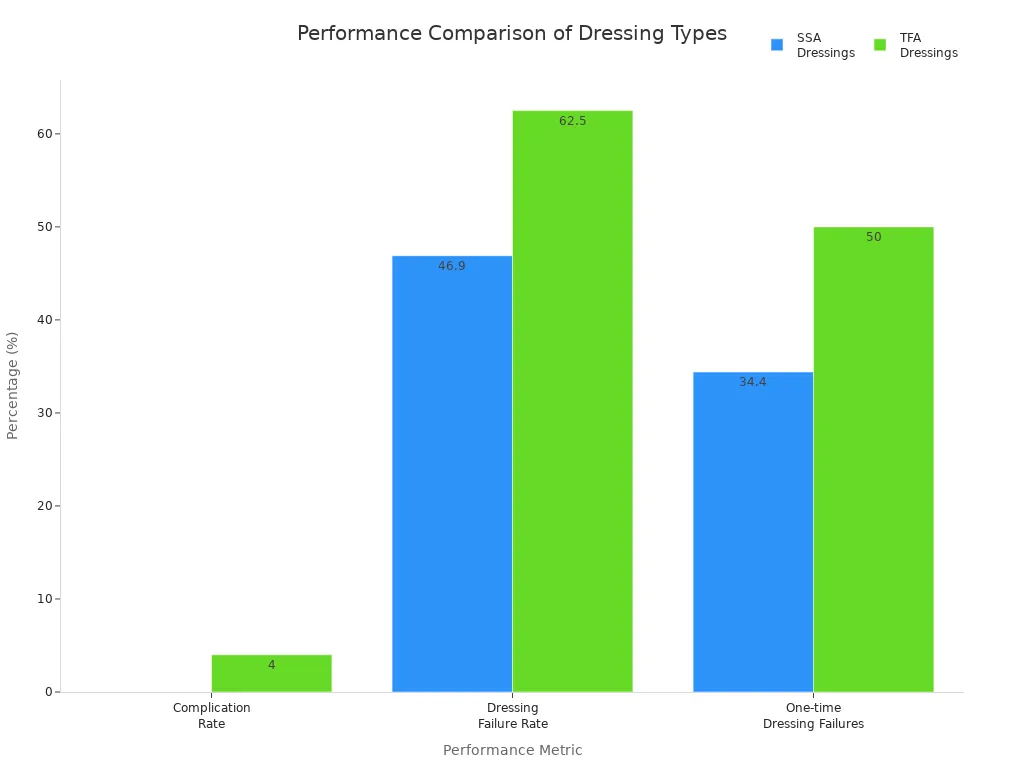
Metric | SSA Dressings | TFA Dressings |
|---|---|---|
0% | 4% | |
Dressing Failure Rate | 46.9% | 62.5% |
One-time Dressing Failures | 34.4% | 50% |
Moisture Control | Better | Poorer |
Key Features:
Non-adherent layer does not stick to wound
Super absorbent core soaks up fluid
Breathable and comfortable backing
Main Benefits:
Less pain during dressing changes
Better moisture control
Lower risk of problems
This dressing is a good choice for comfort and protection.
Hydrocolloid Dressing
You can use the Alexer® Hydrocolloid Dressing for non-chronic wounds, scrapes, and pressure ulcers. This dressing forms a gel when it absorbs fluid. It keeps the wound moist and helps it heal.
Key Features:
Gel-forming particles soak up fluid
Thin and flexible design fits well
Transparent so you can check the wound
Main Benefits:
Keeps wounds moist for faster healing
Absorbs fluid and protects the wound
Less pain and protects nerve endings
Hydrocolloid dressings help wounds heal faster by keeping them moist. Studies show these dressings double the chance of healing pressure ulcers. They work better than regular gauze. They also help prevent facial pressure ulcers by keeping skin moist.
Alginate Wound Dressing
The Alexer® Alginate Wound Dressing uses natural seaweed fibers. It helps with wounds that leak a lot. You can use it for ulcers, burns, and surgical wounds. The dressing forms a gel when it touches fluid. It keeps the wound moist and helps stop bleeding.
Property/Benefit | Description |
|---|---|
Absorbency | Absorbs up to 20 times its weight, great for heavy exudate |
Moisture Maintenance | Keeps wound moist, helps new skin grow |
Antimicrobial Properties | Protects against bacteria, lowers infection risk |
Hemostatic Effect | Calcium helps stop bleeding |
Easy Application | Molds to wound shape, available in many forms |
Non-Adherence | Does not stick to wound, easy and painless removal |
Biocompatibility | Safe for most people, supports new tissue growth |
This dressing manages fluid. It protects against infection. It helps wounds heal naturally.
Silicone Wound Contact Layer
The Alexer® Silicone Wound Contact Layer is made for fragile or sensitive skin. You can use it for skin tears, ulcers, and grafts. The soft silicone sticks gently. You can change the top dressing without hurting the wound.
Silicone adhesives lower pain during dressing changes.
Flexible design fits body curves and stays comfortable.
Manages fluid well and keeps skin from getting too wet.
Clear material lets you check the wound easily.
Saves money because you do not need to change it often.
This layer is a smart choice for gentle care and easy checks.
Transparent Dressing
The Transparent Dressing covers small wounds and catheter sites. You can see the wound through the clear film. This helps you check for healing without removing the dressing.
Key Features:
Ultra-thin, breathable, and waterproof PU film
Hypoallergenic adhesive is safe for sensitive skin
Rounded corners stop the dressing from curling
Main Benefits:
Protects against water and bacteria
Lets oxygen and water vapor pass through
Makes wound monitoring easy
Transparent dressings help wounds heal by keeping them moist and protected. They let air in but keep bacteria out. In one study, people who used transparent dressings after surgery had a much lower infection rate (2%). People who used regular gauze had a higher rate (14%).
SLK Medical gives you many wound care products. You can find the right one for sensitive skin, chronic wounds, and post-operative care. These products help wounds heal faster. They lower infection risk. They make dressing changes easier and less painful.
How to choose SLK Medical wound care products
Assessing wound type and severity
You need to look at your wound before you pick a dressing. Start by checking how much fluid comes from the wound. If the wound leaks a lot, you should choose a dressing that absorbs more. Think about your comfort and if your skin is sensitive. You want a product that feels gentle and does not cause pain. Look at research and studies to see which dressings work best for your wound type. Watch for signs of infection, such as redness or swelling. Measure the size and shape of your wound. Some dressings fit better on certain body parts. Consider your allergies and past experiences with dressings. This helps you find the best fit for your needs.
Criteria | Description |
|---|---|
Check how much fluid the wound produces. | |
Consider patient comfort | Choose dressings that feel gentle and safe for your skin. |
Review clinical evidence | Use products with proven results for your wound type. |
Monitor for signs of infection | Watch for redness, swelling, or pain. |
Assess wound characteristics | Measure the wound’s size, shape, and location. |
Evaluate patient-centered factors | Think about allergies, preferences, and past dressing experiences. |
Matching product to healing stage
You need to match the dressing to your wound’s healing stage. For fresh wounds, use dressings that protect and absorb fluid. As the wound starts to heal, switch to products that keep the area moist and help new skin grow. If your wound is almost healed, choose dressings that let you check the skin easily and keep it safe from germs. Always pick dressings that are easy to apply and remove. Some products, like silicone foam dressings, work well for many stages because they protect and help healing.
Tip: Modern wound care products help keep the wound moist. This helps wounds heal faster and lowers the risk of scarring.
Tips for sensitive skin and chronic wounds
If you have sensitive skin or a chronic wound, you need extra care. Make sure the skin around your wound is clean and dry before you apply a dressing. Choose dressings with gentle adhesives, such as silicone foam or transparent dressings. These products lower pain during changes and protect fragile skin. Hydrocolloid dressings help keep wounds moist, but you may need to check the wound often. Look for dressings that absorb fluid well and stay comfortable for longer wear. Pick products that are easy to remove and have antimicrobial properties if you worry about infection.
Clean and dry the skin before applying any dressing.
Use dressings with soft adhesives for sensitive skin.
Pick products that keep the wound moist for chronic wounds.
Choose dressings that absorb fluid and are easy to remove.
Look for antimicrobial features if infection is a concern.
You can find wound care products that fit your needs by checking your wound, matching the healing stage, and caring for sensitive skin.
Using SLK Medical wound care products
Applying silicone foam dressings
You can apply silicone foam dressings easily, even on hard-to-reach areas like the sacrum. Start by cleaning and drying the wound and surrounding skin. Remove the protective film from the dressing. Place the foam side over the wound, making sure the adhesive silicone layer touches the skin. Press gently to secure the dressing. The silicone sticks softly, so you avoid irritation. This layer keeps a tight seal, which helps prevent leaks and maceration. When you need to remove the dressing, lift the edge slowly. The silicone lets you take it off without pain or damage.
Tip: Always check the wound for signs of infection before applying a new dressing.
Using super absorbent and hydrocolloid dressings
Super absorbent dressings work well for wounds with heavy fluid. Clean the area first. Place the dressing over the wound, making sure it covers all edges. Press gently to secure. Change the dressing when it becomes saturated. Hydrocolloid dressings help wounds heal faster by keeping them moist. They form a gel that protects the wound and supports new tissue growth. These dressings are best for wounds with light to moderate fluid. Do not use them on wounds that need frequent checks or have a lot of drainage.
Description | |
|---|---|
Keep wound moist | Hydrocolloid dressings form a gel to support healing. |
Choose correct dressing type | Use super absorbent for heavy fluid, hydrocolloid for lighter exudate. |
Apply properly | Make sure the dressing covers the wound and sticks well to the skin. |
Managing alginate and contact layer dressings
Alginate dressings help stop bleeding and absorb fluid. They work well for deep or draining wounds. Clean the wound, then place the alginate dressing inside. Cover it with a secondary absorbent dressing if needed. Silicone contact layers protect fragile skin and make dressing changes easy. Place the contact layer directly on the wound, then add another dressing on top. Both types keep the wound moist and help prevent maceration. Always check the amount and type of drainage to choose the right product.
Prevent the wound from drying out.
Use a secondary dressing for wounds with heavy fluid.
Monitor the wound for changes in drainage or infection.
Using transparent dressings for monitoring
Transparent dressings let you see the wound without removing the cover. Clean and dry the skin. Peel off the backing and place the dressing over the wound or catheter site. Smooth out any air bubbles. These dressings keep moisture in and let air pass through. You can wear them longer and check the wound for redness or swelling. This helps you spot problems early and lowers the risk of infection.
Note: Always use clean hands and sterile supplies. Change dressings as recommended. Watch for signs of infection, such as redness, swelling, or pain.
SLK Medical makes wound care products that help wounds heal well and feel comfortable. Picking the right product and using it the right way helps wounds get better faster.
You should ask a healthcare professional for advice. They can help you choose dressings that fit your skin and wound.
Experts say everyone needs their own plan to heal best.
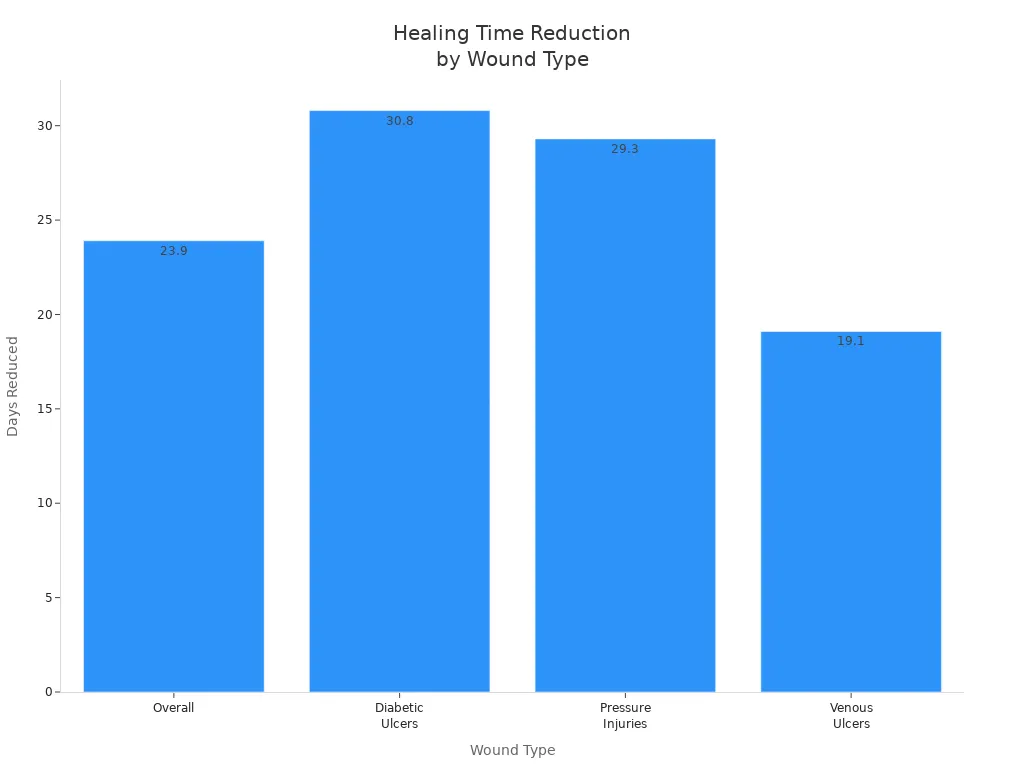
Wound Type | Average Healing Time Reduction | Weeks Reduced |
|---|---|---|
Overall | 3.4 weeks | |
Diabetic Ulcers | 30.8 days | 4.4 weeks |
Pressure Injuries | 29.3 days | 4.2 weeks |
Venous Ulcers | 19.1 days | 2.7 weeks |
You can find more about SLK Medical wound care products at SLK Medical’s website.
FAQ
How often should you change SLK Medical wound care dressings?
Change your dressing every 3 to 7 days. Change it sooner if it gets full of fluid. Always listen to your doctor’s advice for the best care.
Can you use SLK Medical dressings on sensitive skin?
Yes, you can use these dressings on sensitive skin. They have gentle silicone adhesives. These help protect fragile skin and make removal less painful.
What types of wounds do SLK Medical products treat?
Wound Type | Recommended Product |
|---|---|
Surgical wounds | Silicone foam dressings |
Burns | Alginate or silicone foam dressings |
Ulcers | Super absorbent or hydrocolloid |
Are SLK Medical dressings waterproof?
Yes, most SLK Medical dressings are waterproof. The backing keeps wounds dry and blocks bacteria.


