


You will find out how to use SLK Medical Silicone Foam Dressing for good wound care. Many people who care for wounds trust silicone foam dressings.
-
97% of doctors say silicone foam dressings work as well or better than other choices.
-
95% would tell others to use these dressings because they work well.
If you follow the same steps each time, wounds can heal faster and safer. -
Careful treatment helps wounds heal better.
-
Using steps that are proven can help patients get better results.
Silicone foam dressings stick gently and soak up a lot, so they feel good and work well.
Key Takeaways
-
Always get your supplies before you start wound care. You need gloves, cleanser, gauze, and the dressing. Being ready helps you work fast and safe.
-
Clean the wound well to stop infection. Use the right cleanser and way to help healing. This helps you avoid problems.
-
Check the skin near the wound before you put on the dressing. Look for signs of irritation or infection. This helps you give the best care.
-
Pick the right size and type of dressing. It should cover the wound and go past the edges. This keeps germs away.
-
Check and change the dressing often. Look for wetness or infection. This helps the wound heal well.
Clean Wound
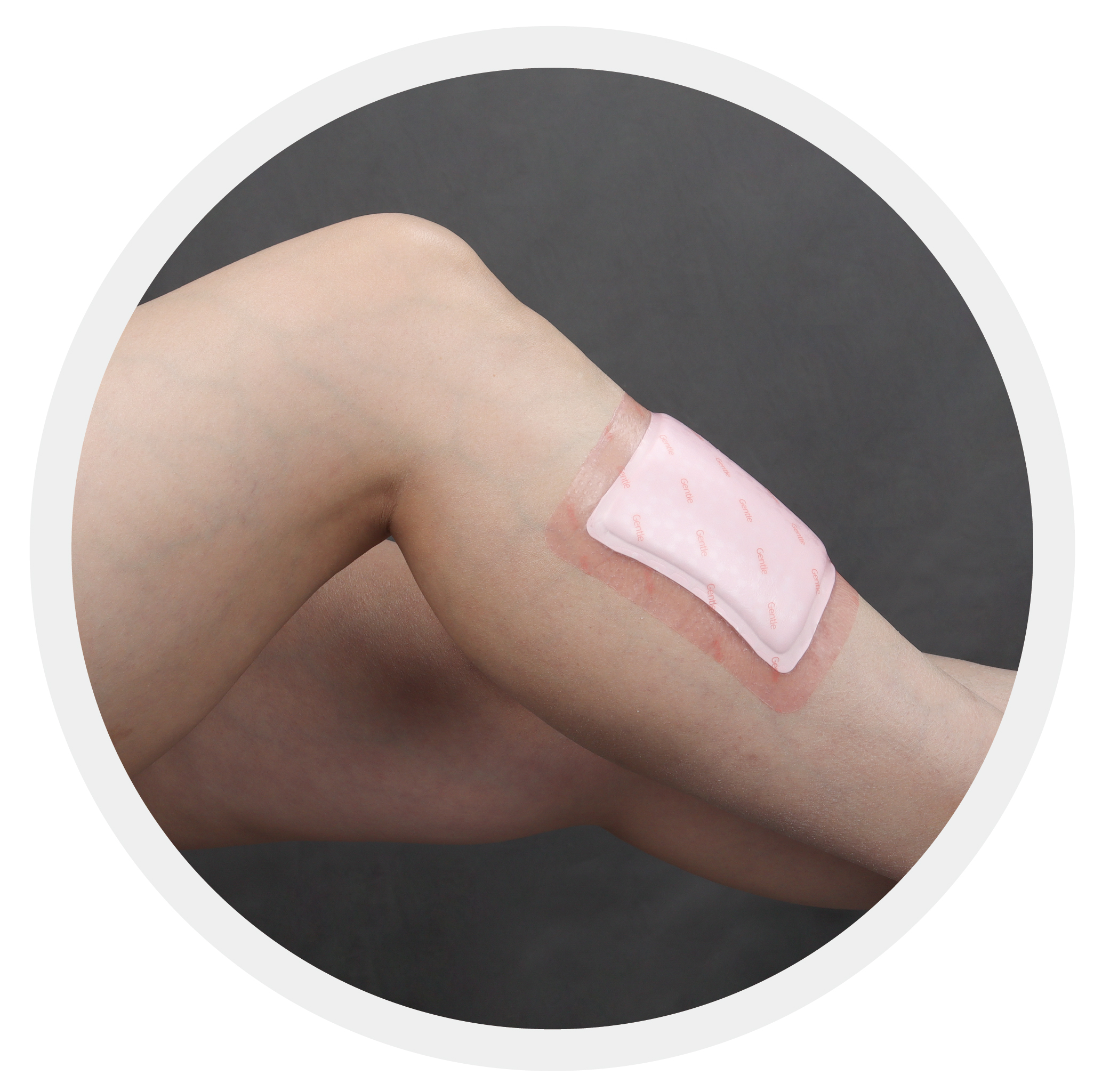
Gather Supplies
You need to start by gathering all the supplies for wound cleaning. Prepare clean gloves, wound cleanser, gauze pads, and the SLK Medical Silicone Foam Dressing. Make sure you have a trash bag nearby for used materials. Having everything ready helps you work quickly and keeps the wound safe from germs.
Tip: Always wash your hands before you touch the wound or supplies. Clean hands lower the risk of infection.
Cleanse Area
Cleaning the wound is the most important step. If you do not clean the wound well, you may face problems like infection, slow healing, or even chronic wounds. Some signs of infection include pus, pain, warmth, and fever. These issues can make healing harder and may cause scars.
You should use a wound cleanser that matches the wound type. Here is a table to help you choose:
|
Wound Cleanser |
Advantages |
Disadvantages |
|---|---|---|
|
Drinking Water |
Safe, cheap, easy to find |
Not best for deep wounds |
|
Sterile Water |
Good if saline cannot be used |
No germ-killing power |
|
Normal Saline (0.9% NaCl) |
Gentle, does not slow healing |
Not strong for dirty wounds |
|
Antimicrobial Cleansers |
Can lower infection risk |
Some old types slow healing |
Use the right technique for cleaning. For a straight wound, clean from top to bottom with a wet gauze pad. Use a new pad for each stroke. For an open wound, clean in circles from the center out. Always use a fresh pad for each circle. If you use a spray cleanser, spray it on the wound or gauze and wear gloves to protect yourself.
Dry Skin
After cleaning, you must dry the skin around the wound. Use a clean gauze pad to gently blot the area. Make sure the skin is completely dry before you apply the SLK Medical Silicone Foam Dressing. Dry skin helps the dressing stick well and keeps the wound safe.
Note: If the skin stays wet, the dressing may not stick and germs can grow.
Prep Skin
Assess Skin
Check the skin around the wound before using any dressing. Look for redness, swelling, or irritation. Healthy skin helps the dressing work better and keeps the wound safe.
Here is a simple table to help you check the skin:
|
Best Practice |
Description |
|---|---|
|
Thorough skin assessment |
Look closely at the skin and ask about past skin problems. |
|
Regular assessment |
Check the skin every time you change the dressing. |
|
Pain and symptom evaluation |
Ask if there is pain, itching, or soreness near the wound. |
|
Prevention strategies |
Keep the skin dry and use barriers to protect it. |
Also, look for redness, warm skin, swelling, or shiny thin skin. These signs mean the skin needs extra care.
-
Watch for changes in the skin
-
Check the color and how the skin feels
-
Notice if the skin looks the same everywhere
Checking the skin well helps you find problems early. You can change your care plan and help the wound heal faster. Talking with patients about their skin helps them feel involved and happier.
Apply Barrier
If the skin is irritated or looks weak, use a skin barrier product. Barrier creams and films protect the skin from wetness and rubbing.
-
Skin barrier creams make a layer that keeps out moisture and irritants.
-
Barrier films add a clear coat that lowers rubbing and keeps skin strong during dressing changes.
-
Products with petrolatum, silicone, zinc, or acrylates work well for most people.
Put on a barrier cream if the skin might get wet or after any incontinence. Use enough cream to cover the area, and pick dimethicone-based products for more protection.
|
Method |
Description |
|---|---|
|
Use Barrier Creams or Films |
Put a moisture barrier cream or film around the wound to protect the skin. |
|
Gentle Dressing Changes |
Use dressings that keep moisture in and are gentle when changed. |
|
Monitor Skin Condition |
Check the skin often to find problems like irritation or soft, wet skin early. |
Check Dryness
Before you put on the SLK Medical Silicone Foam Dressing, make sure the skin is dry and not broken. Dry skin helps the dressing stick and keeps germs away. If the skin is wet, gently blot it with clean gauze.
Always check that the skin is dry because wet skin can make the dressing come off or let germs grow.
-
Dry skin helps the dressing stay on.
-
Healthy skin lowers the chance of irritation.
Getting the skin ready the right way helps the dressing work best and helps the wound heal faster.
Apply SLK Medical Silicone Foam Dressing
Select Size
Picking the right size dressing is very important. The dressing should cover the wound and go at least two centimeters past the edges. This keeps the area safe and stops germs from getting in. Flexible dressings are best for joints or curved skin because they fit better. This helps stop gaps from forming. Always choose a dressing that matches the wound size. This helps healing and stops waste.
Here is a table to help you choose the right foam dressing:
|
Dressing Type |
Key Features |
Suitable For |
|---|---|---|
|
Non-adhesive foam dressing |
Needs another dressing, gentle for weak skin |
Granulating or epithelializing wounds |
|
Adhesive foam dressing |
Has sticky part for secure hold |
Acute wounds or surgical sites |
|
Antimicrobial foam dressing |
Has silver or iodine to lower infection risk |
Wounds with high infection risk or heavy exudate |
|
Bordered foam dressing |
Extra secure, good for pressure ulcers |
Pressure ulcers, especially on bony areas |
Dressings must always cover the wound and go past the edges for full safety.
Remove Liners
When you are ready to use the SLK Medical Silicone Foam Dressing, take off the liners carefully. Hold the dressing by the edges. Do not touch the sticky part. This keeps the dressing clean and helps it stick better. Slowly peel off the liner. Do not pull or stretch the dressing. If you touch the sticky side, germs can get on it and make it work less well.
-
Take off the liner without touching the sticky part.
-
Hold the dressing by the edges.
-
Do not stretch the dressing when you remove the liner.
Place Dressing
Now put the dressing over the wound. Make sure it is centered and covers the wound with extra space around it. Press gently on the edges so it sticks well and there are no open spots. The foam should fit the wound shape, even on curved or moving skin. If you need more than one dressing, do not let them overlap.
SLK Medical Silicone Foam Dressing has three special layers. It protects the wound, controls moisture, and keeps skin safe. The soft materials help stop pain when you change the dressing. The waterproof top layer keeps out bacteria but lets moisture vapor out. This helps the wound heal faster.
Here is a chart that shows how the five-layer design helps stop pressure injuries in studies:
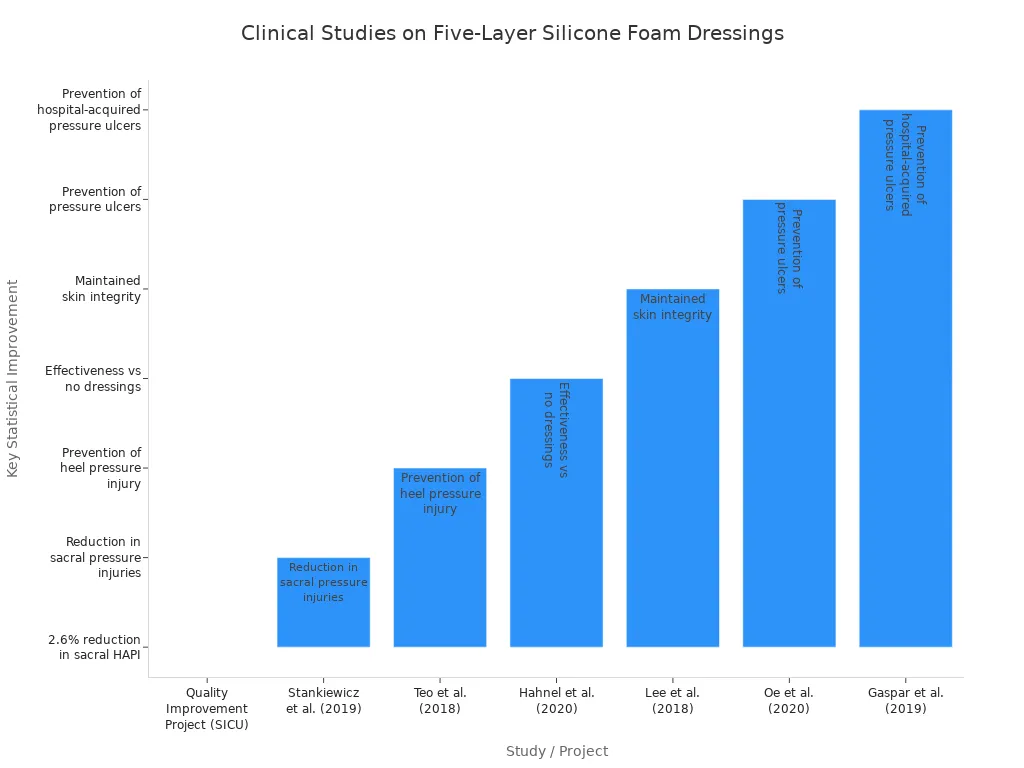
Many experts say to use five-layer silicone foam dressings for people at high risk. These dressings help stop pressure ulcers, especially in hospitals or during long surgeries.
Tip: Always make sure the dressing feels good and does not hurt or stop movement.
Secure Dressing
Smooth Edges
You need to make sure the edges of the dressing are smooth and flat against your skin. This step helps the dressing stay in place and keeps germs out. Use your fingers to gently press down each edge. If you see any wrinkles or gaps, smooth them out right away. Wrinkled edges can let moisture in and cause the dressing to lift. A flat edge also feels more comfortable and lowers the risk of skin irritation.
Tip: Always check the edges after you apply the dressing. Smooth edges help prevent leaks and keep the wound safe.
Add Fixation
Sometimes, you need extra support to keep the dressing secure, especially if the wound is on a joint or a spot that moves a lot. You can use medical tape, bandages, or special fixation products. Some dressings, have a gentle silicone border that helps them stick better without hurting your skin. If you care for fragile skin, look for dressings with a soft silicone layer. These dressings protect the wound and make changes less painful.
-
Medical tape works well for elbows and knees.
-
Bandages add support for active patients.
-
Silicone-bordered dressings offer gentle, secure fixation.
If you use extra fixation, make sure it does not pull or pinch your skin. The goal is to keep the SLK Medical Silicone Foam Dressing in place while letting you move freely.
Check Fit
After you secure the dressing, check that it fits well and feels comfortable. The dressing should not be too tight or too loose. You should be able to move without pain or restriction. Look for lifting edges or signs of oversaturation. If you notice any odor or color changes, talk to your healthcare provider. Regular checks help you catch problems early and keep the wound healing.
Here is a table showing best practices for dressing fit and comfort:
|
Dressing Type |
Use Case Description |
Benefits |
|---|---|---|
|
Hydrocolloid |
Maintains a moist environment for pressure ulcers, minor burns, and venous ulcers. |
Promotes faster healing. |
|
Foam |
Ideal for moderate to heavily exuding wounds like pressure ulcers and diabetic foot ulcers. |
Provides cushioning and absorbs excess fluid. |
|
Transparent Film |
Used for IV sites and superficial wounds to keep them sterile and visible. |
Protects from moisture and bacteria. |
|
Hydrogel |
Hydrates dry wounds and aids in gentle debridement. |
Adds moisture to aid healing. |
😊 Always ask yourself: Does the dressing feel good? Can you move easily? If yes, you have done a great job securing the dressing.
Monitor & Replace
Inspect Regularly
You need to check your dressing often to make sure your wound stays healthy. Look for signs like too much fluid, the dressing moving out of place, or any redness around the wound. If you see any of these, you should act quickly. Here are some tips for regular inspection:
-
Lift a corner of the dressing gently to look at the wound.
-
Watch for pooling fluid or wetness around the edges.
-
Notice any changes in color, smell, or pain.
-
Check for signs of infection, such as swelling or warmth.
You should inspect more often if your wound makes a lot of fluid or if you notice any risk of infection. During the first days of healing, wounds often need more attention. If you see the dressing is dirty or not sticking, change it right away.
Tip: The soft silicone layer in SLK Medical Silicone Foam Dressing makes it easy and comfortable to check your wound.
Change as Needed
Change your dressing when it becomes wet, dirty, or loose. If your wound produces a lot of fluid, you may need to change it more often. During the early healing stage, you might need to change the dressing every day. If you see signs of infection, change the dressing and talk to your healthcare provider.
Here is a table showing how silicone foam dressings can reduce the number of dressing changes:
|
Outcome Measure |
Before Intervention |
After Intervention |
Key Findings |
|---|---|---|---|
|
Dressing Change Frequency |
~3.1 per week |
~1.6 per week |
About 50% fewer dressing changes |
Silicone foam dressings can help you change dressings less often because they absorb more fluid. This means less pain and fewer disruptions to your daily life.
Document Care
Good documentation helps you and your care team track your wound’s progress. Write down every dressing change and what you see. Here is a simple checklist for documentation:
-
Record the date and time of each dressing change.
-
Describe the wound’s size, color, and any changes.
-
Note the type of dressing used and how the wound looks.
-
Write down any pain or discomfort you feel.
-
Take photos if your care team asks for them.
-
Make sure your notes are clear and easy to read.
Always include details about the skin around the wound and any changes you notice. Good records help your healthcare team make the best decisions for your care.
You help wounds heal safely when you follow each step in the SLK Medical Silicone Foam Dressing process. Clinical research shows these steps work best:
-
Choose the right dressing size and type.
-
Center and smooth the dressing for better results.
-
Secure the dressing to keep moisture in.
-
Remove gently to protect skin.
If you face problems, try these tips:
-
Avoid stretching the dressing.
-
Lift one corner slowly and support your skin.
-
Moisten edges with saline if needed.
Visit www.slkmedical.com or ask your healthcare provider for more advice.
FAQ
How often should you change the SLK Medical Silicone Foam Dressing?
You should change the dressing when it becomes wet, dirty, or loose. Most wounds need a new dressing every one to three days. Always check with your healthcare provider for advice.
Can you shower while wearing the dressing?
You can shower with the dressing on. The waterproof top layer protects your wound from water. Pat the area dry after your shower. Avoid soaking the dressing.
What should you do if the dressing does not stick?
Check that your skin is clean and dry before applying the dressing. If it still does not stick, try using a skin barrier film. Ask your healthcare provider for help if the problem continues.
Is the dressing comfortable for sensitive skin?
SLK Medical Silicone Foam Dressing uses gentle silicone adhesive. You will feel less pain during dressing changes. The soft foam protects your skin and helps prevent irritation.
Where can you find more information or support?
Visit www.slkmedical.com for guides and videos. You can also ask your healthcare provider for advice about wound care and dressing use.


