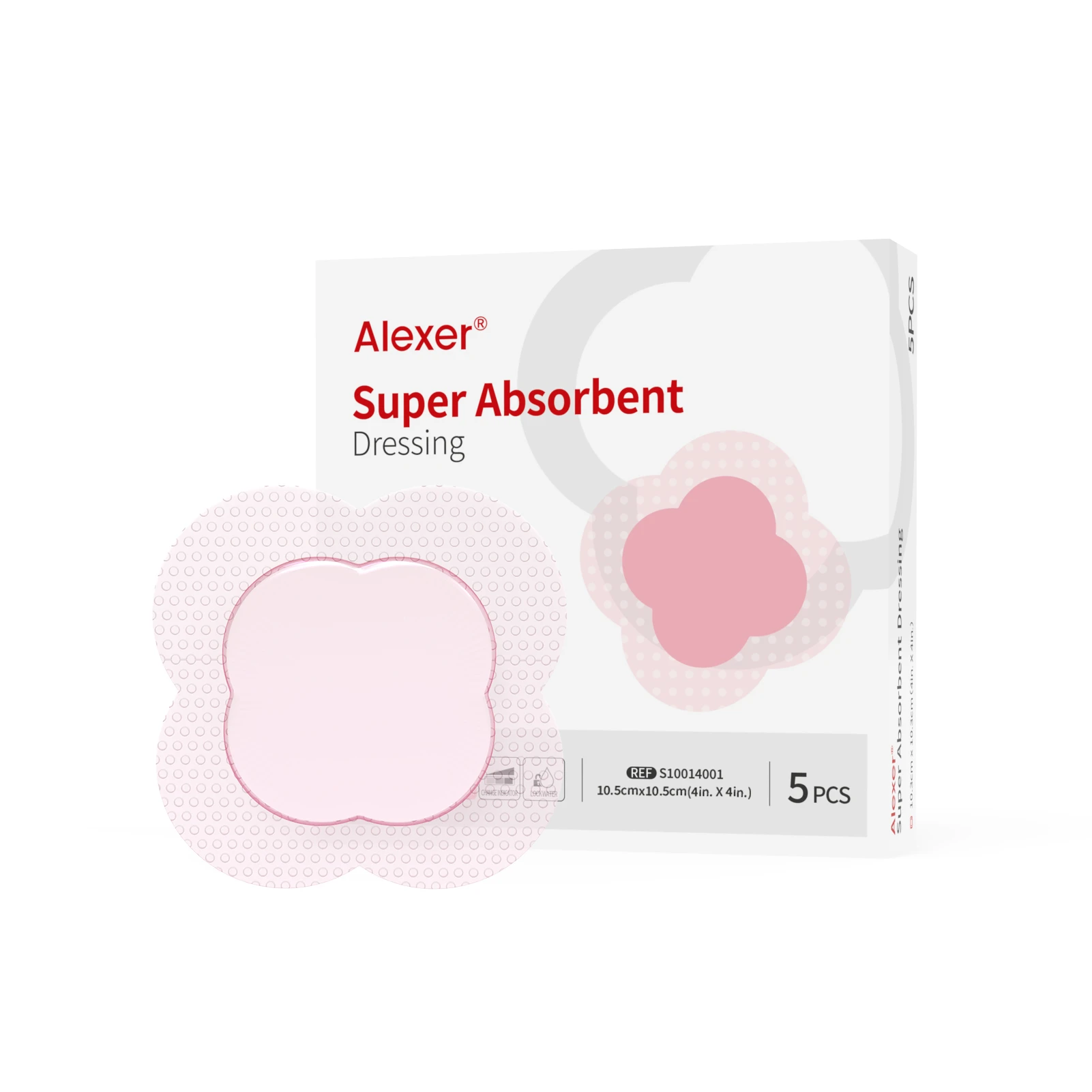
A foaming dressing helps you take care of wounds. It keeps the wound moist, which helps it heal. It also protects skin that is easily hurt. More doctors and nurses now use advanced foam dressings. They do this because these dressings work better. New ideas, like soft silicone adhesives, help a lot. These dressings also soak up more fluid. This means changing the dressing hurts less. You also do not need to change it as often. SLK Medical is a leader in this area. They make dressings with many layers. These dressings are made for comfort and better healing.
|
Factor |
Description |
|---|---|
|
More people have chronic wounds, like diabetic foot ulcers. These wounds need better care. |
|
|
Innovations |
New foam dressings are now used more in clinics and homes. |
|
Home Healthcare |
Dressings that are easy to use help more people use them at home. |
Key Takeaways
-
Foaming dressings help wounds stay moist. This helps wounds heal faster. It also helps lower scarring. These dressings feel soft and protect sensitive skin. They work well for places that move a lot. Foam dressings soak up extra fluid very well. This means you do not need to change them as often. It also hurts less when you take them off. They block germs and dirt from getting in. This lowers the chance of infection. It also helps wounds heal better. Pick the right foam dressing for your wound. Think about the wound type and how much fluid it has. This will help you care for the wound best.
What is a foaming dressing
Structure and materials
A foaming dressing is made with special layers to help wounds. These dressings use materials like polyurethane and silicone. Polyurethane soaks up liquid and keeps the wound safe. Silicone makes the dressing soft and helps it stick. SLK Medical uses both in their silicone foam dressings. The soft part touches your skin. The strong part covers and protects the wound.
Some foam dressings use hydrophilic foam wound dressing technology. This means the foam pulls in liquid and keeps the wound moist. D-Pore™ technology from SLK Medical makes the foam work even better. The foam has tiny holes that soak up fluid fast. Air can move through the dressing. This helps your skin breathe and keeps the wound from getting too wet.
Here is a table that lists the most common materials in advanced foam dressings:
|
Material |
Properties |
|---|---|
|
Polyurethane |
Absorbent, manages exudate, forms solid state |
|
Silicone |
Used for absorbency and wound management |
These materials work together to protect wounds and help them heal.
How it works
When you use a foaming dressing, it covers the wound right away. The foam pulls in fluid from the wound and holds it inside. This keeps the area clean. The hydrophilic foam wound dressing keeps the wound moist. This helps new skin grow. The soft silicone layer does not stick to your skin. This means you feel less pain when you change the dressing.
SLK Medical’s D-Pore™ technology makes the dressing work even better. The tiny holes in the foam soak up fluid fast. Air can move through the dressing. This keeps your skin from getting too hot or too wet. The dressing acts like a shield to keep out germs and dirt. The foam dressing stays in place, even if you move around.
Clinical studies show that foaming dressings help wounds heal. You can see the results in this table:
|
Outcome |
Description |
|---|---|
|
Ability to stay in place |
Measures how well the dressing adheres to the wound site. |
|
Leakage |
Assesses the extent to which exudate escapes from the dressing. |
|
Pain |
Evaluates the level of discomfort experienced by the patient while using the dressing. |
|
Dressing related periwound skin changes |
Observes any adverse effects on the skin surrounding the wound due to the dressing. |
|
Change in wound size over time |
Tracks the reduction or increase in wound dimensions during treatment. |
|
Overall satisfaction |
Gauges the patient’s or clinician’s satisfaction with the dressing’s performance. |
Foaming dressings help wounds heal faster. They keep the area clean and make you feel more comfortable. The advanced design from SLK Medical gives better results and helps you care for your skin.
Benefits of foam dressing
Moisture control
Wounds need the right amount of moisture to heal. Foam dressing helps control moisture very well. It soaks up extra fluid, called exudate. The wound stays moist but not too wet. This helps new skin grow and keeps the wound from drying out. Studies show foam dressings are better than hydrocolloid dressings for moisture control. Foam dressings can handle more fluid, so you change them less often. SLK Medical uses hydrophilic foam wound dressing technology. The foam pulls in fluid fast and holds it inside. The wound stays moist, which helps your body heal faster.
Tip: Keeping a wound moist helps it heal faster and reduces scarring.
Comfort and protection
You want a dressing that feels good and keeps your skin safe. Foam dressing does both. The soft foam cushions the wound and protects it from bumps. The silicone layer sticks gently, so it does not hurt when you take it off. This is important for sensitive skin or wounds on elbows or heels.
-
Foam dressings give soft, moist support and help patients feel comfortable.
-
They soak up extra exudate and protect sensitive skin, which is good for high-movement areas.
-
A patient felt less pain and could move better after switching from gauze to foam dressings.
SLK Medical foam dressings fit well and stay put. You can move around without worrying about the dressing slipping. The foam also keeps germs and dirt away from the wound. You get comfort and safety together.
Infection prevention
You want to keep wounds clean and safe from infection. Foam dressing acts like a shield. It blocks bacteria and dirt from getting into the wound. The foam soaks up fluid, so the wound does not get soggy or break down. This lowers the risk of infection and helps wounds heal faster.
-
Foam dressings soak up exudate, stop maceration, and keep the wound moist.
-
They help wounds heal by making the best conditions for new tissue to grow.
-
The foam dressing protects wounds from bacteria and dirt, lowering infection risk.
SLK Medical foam dressings use special materials to keep wounds safe. You get a moist wound healing environment that helps your body fight germs. Advanced foam dressings have changed wound care. They help wounds heal faster and make recovery easier. Many people like foam dressings because they are simple to use and work well for many wounds.
Applications
Wound types
Foam wound dressings can be used for many wounds. They work best for chronic wounds that leak a lot of fluid. Doctors use them for pressure injuries and diabetic foot ulcers. They also use them for venous ulcers. These wounds need dressings that soak up extra fluid. The dressing keeps the wound moist so it can heal. Foam dressings help wounds heal faster. You can also use them for burns, surgical wounds, and skin tears.
Clinical scenarios
Foam dressings are helpful in many medical situations. They protect the skin and help stop more damage. The table below shows when foam dressings work well to stop medical device-related pressure ulcers (MDRPU):
|
Clinical Scenario |
Success Rate in MDRPU Prevention |
|---|---|
|
Non-invasive ventilation (NIV) |
High |
|
High-flow nasal oxygen (HFNO) |
High |
|
Prone positioning |
High |
|
Rigid cervical collars |
High |
You can use foam dressings as the main or extra layer. They come with or without sticky sides. Some have a silicone layer that is soft on the skin. You can pick from many shapes and sizes to fit the wound.
SLK Medical product highlights
SLK Medical has many foam wound dressings for different needs:
-
Silicone Foam Dressing with Border: This dressing is good for wounds with a lot of fluid. It protects the wound and keeps it moist.
-
Silicone Foam Dressing Composite Type: This dressing has many layers. It keeps the wound moist and blocks germs. The special film lets water vapor out but keeps dirt away.
-
Non Adhesive Foam Dressing: You can use this as the main or extra dressing. It is good for wounds with lots of fluid. You can cut it to fit any shape.
-
Silicone Foam Dressing – Border Flex: This dressing can stretch and fit hard-to-cover spots. It stays in place even if you move.
-
Silicone Foam Ag Dressing without Border: This dressing has silver to help lower infection risk. It is good for wounds that need more protection.
You can choose the best dressing for the wound type and how much fluid it has. You can also pick the right size for the area. Foam dressings help wounds heal by keeping them moist, soaking up extra fluid, and protecting the skin.
Proper foam dressing application
Step-by-step guide
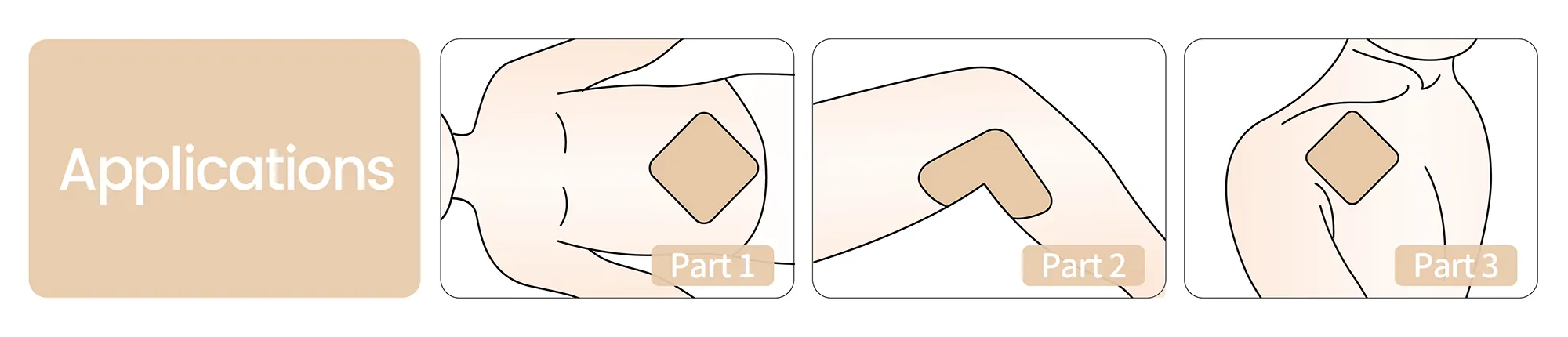
You can apply a foam dressing easily by following a few simple steps. First, wash your hands and put on gloves. Clean the wound gently with saline or a wound cleanser. Pat the area dry with a sterile cloth. Choose the right size of foam dressing so it covers the wound and a bit of the skin around it. Remove the backing from the dressing. Place the soft side on the wound. Smooth the edges to make sure it sticks well. If you use SLK Medical dressings, the silicone border helps the dressing stay in place and protects fragile skin. This design makes the process comfortable and quick.
Tip: Always check the dressing for any damage before use. A clean, intact dressing gives the best results.
Removal and change
Changing the dressing is important for healing. Gently lift one corner of the dressing and peel it back slowly. Hold the skin down to avoid pulling. If the dressing sticks, use a little saline to loosen it. SLK Medical’s soft silicone layer reduces pain during removal. This feature helps you avoid skin damage, especially if you have sensitive skin or chronic wounds. You should change the dressing when it looks full of fluid or as your healthcare provider tells you.
|
Evidence Type |
Description |
|---|---|
|
Pain Management |
Lower pain severity scores during application and removal. |
|
Patient Satisfaction |
Highly rated by patients and clinicians for ease of use. |
Best practices
To get the most comfort and healing, follow these best practices:
-
Use silicone-bordered dressings for gentle care on sensitive skin.
-
Apply dressings with a soft touch to avoid trauma.
-
Pick dressings that match your activity level and wound needs.
-
For children, choose flexible dressings that move with them and stay in place.
-
Change dressings as needed to keep the wound moist and clean.
SLK Medical’s foam dressings help you manage wounds with less pain and more comfort. Their high fluid handling means fewer dressing changes, which helps prevent skin problems. The best uses for hydrophilic foam dressings include wounds that need moisture balance and protection from infection. Proper foam dressing application supports faster healing and better results.
Considerations
Suitability
You need to know when foam dressings work best. Foam dressings help many wounds, but they do not fit every situation. If you have a wound that is very dry or scorched, foam dressings may not help. These dressings work better for wounds that leak fluid. If your wound has an infection, always check the label. Not all foam dressings are made for infected wounds.
When you use foam dressings, you should also protect the skin around the wound. Skin protectors or wipes can stop the skin from getting too wet. Some foam dressings do not have sticky borders. In these cases, you may need to use medical tape to keep the dressing in place. If you use a foam dressing that is not see-through, you might find it hard to check the wound without removing the dressing.
Here is a table with key precautions:
|
Precaution |
Description |
|---|---|
|
Avoid in scorched and dry wounds |
Foam dressings can cause wound dryness. |
|
Check suitability for infection |
Not all foam dressings are for infected wounds; check the label. |
|
Use skin protectors |
Helps prevent skin maceration around the wound. |
|
Secure with adhesive tape |
Needed if the dressing does not have a sticky border. |
|
Monitor wound bed carefully |
Opaque dressings can make it hard to see the wound. |
|
Caution with antiseptics |
Some antiseptics can damage foam dressings. |
Tip: Always talk to your healthcare provider before choosing a dressing for a complex wound.
Limitations
You should understand that foam dressings, like all wound care products, have some limits. Studies show that foam dressings do not always work better than other types of dressings. Some research has problems, such as not enough patients or missing data. Many studies do not include people with infections, so results may not apply to everyone. Also, most studies look at healing time or wound size, but they may not measure pain or quality of life.
|
Limitation Type |
Description |
|---|---|
|
Evidence of Superiority |
No clear proof that foam dressings are better than other products. |
|
Study Design Issues |
Some studies have bias or missing information. |
|
Generalizability |
Results may not apply to all patients, especially those with infections. |
|
Outcome Reporting |
Focus is often on healing time, not on comfort or quality of life. |
|
Need for Rigorous Studies |
More studies should measure pain and patient experience, not just wound size. |
Note: Foam dressings remain a trusted choice for many wounds, but you should always match the dressing to your specific needs and talk to a healthcare professional for advice.
Foaming dressings help wounds heal. They keep wounds moist and safe. They also make wounds feel more comfortable. SLK Medical makes high-quality foam dressings. They use new ideas to improve their products. Many doctors and nurses like SLK Medical foam dressings.
-
92.2% would tell others to use them.
-
Most people think they are simple to use and last long.
-
Nurses say patients feel good and the dressings work well.
You should talk to your healthcare provider before using dressings. Experts say you should pick dressings based on wound type. You should also think about how much fluid comes out, infection risk, healing stage, and where the wound is.
FAQ
How often should you change a foam dressing?
You should change the foam dressing when it looks full of fluid or as your healthcare provider recommends. Most foam dressings last up to 7 days. Always check the wound and dressing daily.
Can you shower with a foam dressing on?
You can shower with most foam dressings, especially those with a waterproof backing. SLK Medical foam dressings protect the wound from water. Make sure the dressing edges stay sealed during your shower.
What wounds work best with foam dressings?
Foam dressings work best for wounds that leak fluid, like pressure ulcers, diabetic foot ulcers, and burns. You should not use foam dressings on dry wounds. Ask your healthcare provider for advice.
Do foam dressings help reduce pain?
Foam dressings with soft silicone layers help reduce pain during dressing changes. You feel less discomfort because the dressing does not stick to your skin. This makes foam dressings a good choice for sensitive skin.