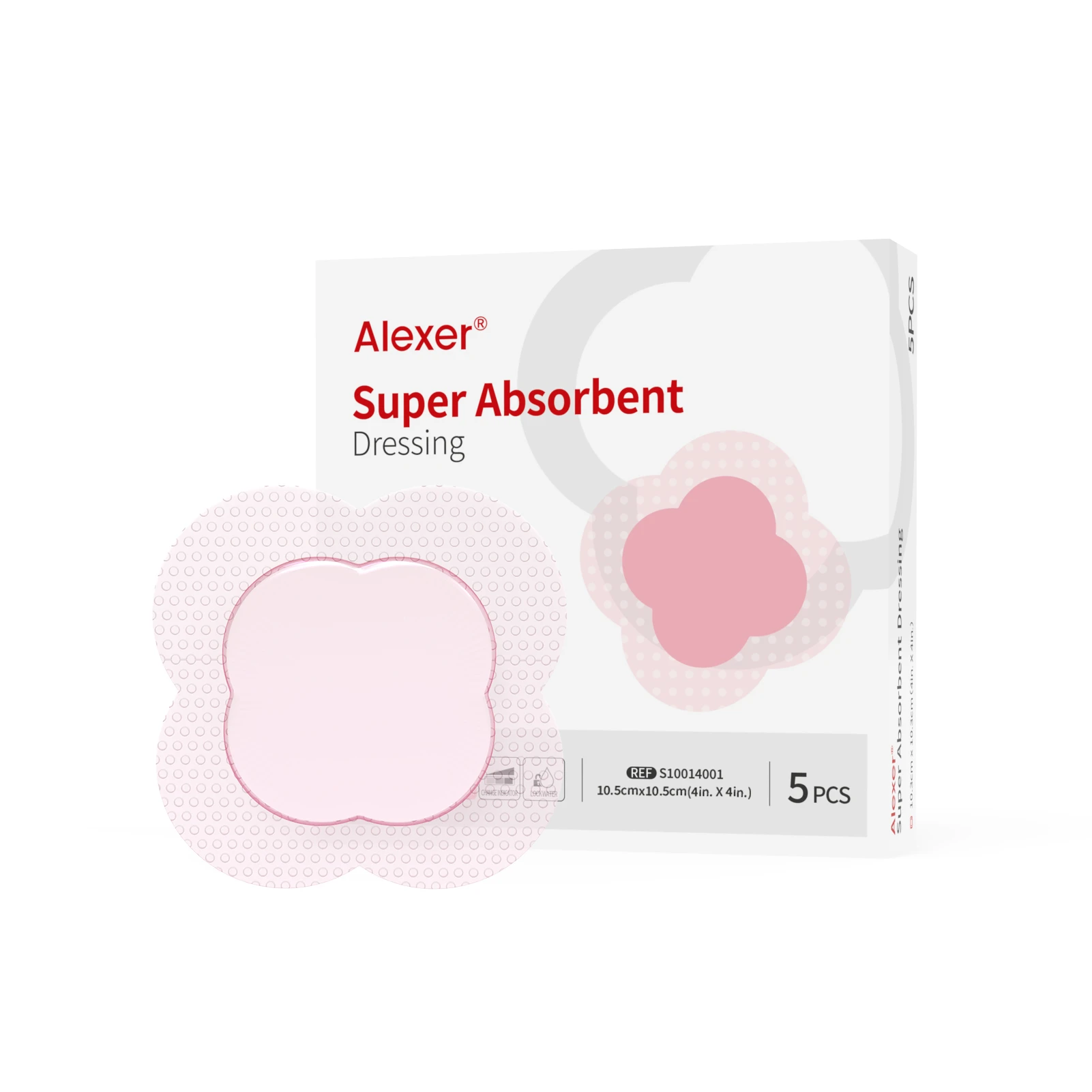
You play a vital role in modern wound care by choosing the right dressing for each patient. Foam dressings have changed how you manage wounds, offering better moisture control, comfort, and faster healing compared to traditional gauze. They help create a healthy wound-healing environment and support effective wound care for pressure injuries, diabetic foot ulcers, and venous ulcers. The economic impact of wound management is significant, as shown below:
|
Statistic Description |
Value |
|---|---|
|
Annual Medicare spending on chronic wounds |
|
|
Percentage of costs in wound management from supplies |
|
|
Percentage of costs in wound management from nursing time |
30%–35% |
|
Percentage of costs in wound management from hospitalization |
>50% |
With modern dressings such as foam dressing, you can reduce dressing changes and improve patient outcomes. Clinical studies show that foam dressings lead to better effectiveness and faster healing than gauze. Innovations from advanced wound care product brands like SLK Medical bring next-generation wound care solutions, including smart dressings and new wound monitoring features, to support you in delivering the best care.
Key Takeaways
-
Foam dressings provide superior moisture control, comfort, and faster healing compared to traditional gauze, making them essential in modern wound care.
-
These dressings absorb excess fluid while maintaining a moist environment, which is crucial for effective wound healing and reducing infection risks.
-
Choosing the right foam dressing based on the wound type and exudate level can significantly improve patient outcomes and comfort during recovery.
-
Innovations like antimicrobial properties and smart technology in foam dressings enhance their effectiveness, offering better protection and monitoring for chronic wounds.
-
Using foam dressings can lower overall wound care costs by reducing the frequency of dressing changes and improving healing rates.
Foam Dressing Basics
What Is a Foam Dressing?
You may wonder what sets a foam dressing apart from other types of dressings in wound care. Foam dressings are advanced wound coverings made primarily from soft, flexible materials like polyurethane. These dressings feature a unique three-dimensional structure that allows them to absorb large amounts of wound fluid while staying gentle on your skin. You will find that foam dressings come in many shapes and sizes, making them suitable for a wide range of wounds, from surgical incisions to pressure ulcers.
Here is a table that breaks down the main components and properties of foam dressings:
|
Component/Property |
Description |
|---|---|
|
Primary Material |
Polyurethane (PU) is commonly used for its biocompatibility, flexibility, and softness. |
|
Absorption Capacity |
Foam dressings have a high capacity for fluid absorption, suitable for deep wounds. |
|
Structural Characteristics |
3D structure enhances fluid management and pressure resistance. |
|
Antimicrobial Properties |
Incorporation of agents like silver and other nanoparticles improves infection control. |
|
Application Suitability |
Ideal for moderate and minimal wounds; not suitable for necrotic or dry wounds. |
|
Microstructural Aspects |
Shape, size, and void distribution affect stiffness, compressibility, and permeability. |
You will notice that most foam dressings use polyurethane as the base material. This polymer gives the dressings their softness and flexibility, which helps them conform to different body parts. Some dressings also include antimicrobial agents, such as silver, to help reduce the risk of infection.
Foam dressings are available in several types, each designed for specific clinical needs. The table below shows some of the most common brands and their features:
|
Brand Name |
Production Country |
Use |
Base Polymer |
Additive |
|---|---|---|---|---|
|
Flexzan |
USA |
Chronic wounds |
Polyurethane |
— |
|
Biopatch |
USA |
General, antimicrobial |
Hydrophilic polyurethane |
Chlorhexidine Gluconate |
|
Biatain |
Denmark |
Mohs surgery, wounds |
Hydrophilic polyurethane |
— |
|
Cultinova |
Germany |
Laser resurfacing |
Polyurethane |
Polyacrylate superabsorbent |
|
Lyofoam |
USA |
Moderate to highly exuding wounds |
Polyurethane |
— |
|
Allevyn |
UK |
Chronic or acute exuding wounds |
Hydrophilic polyurethane |
— |
|
Unilene |
Peru |
Burn, minor injuries |
Hydrophilic polyurethane |
— |
|
Tielle |
USA |
Ulcers, post-surgical, traumatic |
Silicone and polyurethane foam |
— |
|
CuraSpon |
Netherlands |
Hemostasis |
Gelatine |
— |
|
Kendall |
UK |
General, bactericidal |
Polyurethane |
Polyhexamethylene biguanide |
|
Hydrasorb |
Germany |
General |
Polyurethane |
— |
You can see that polyurethane is the most common base polymer for foam dressings. The chart below shows the frequency of different base polymers used in these dressings:

How Foam Dressings Work
Foam dressings play a key role in modern wound care by creating an environment that supports natural wound healing. When you apply a foam dressing, it absorbs excess fluid, called exudate, from the wound. This helps keep the wound moist but not overly wet, which is important for healing.
Here is how foam dressings function to promote wound healing:
-
Hydrophilic foam dressings maintain moisture balance, which is essential for natural healing processes.
-
A moist environment encourages cell migration and the formation of granulation tissue, both critical for wound healing.
-
These dressings absorb excess exudate, preventing maceration of surrounding healthy tissue while ensuring adequate moisture for cellular activities necessary for wound repair.
You will find that foam dressings use several mechanisms to manage wound exudate and maintain optimal moisture levels. The table below explains these mechanisms:
|
Mechanism |
Description |
|---|---|
|
Absorption |
Foam dressings absorb exudate, which is crucial for maintaining a moist wound environment. |
|
Fluid Transport |
Hydrophilic foam layers transport exudate to superabsorbent layers, preventing backflow to the wound. |
|
Moisture Vapor Transmission |
Dressings allow controlled moisture vapor loss, which is essential for wound healing. |
When you use foam dressings, you help protect the wound from outside contaminants. Many dressings have a waterproof outer layer that acts as a barrier against bacteria and dirt. Some foam dressings also include antimicrobial agents, such as silver, to further reduce the risk of infection.
You can choose from a variety of foam dressings depending on the wound type, the amount of exudate, and the location on the body. These dressings are especially helpful for wounds that produce moderate to high amounts of fluid. They are not recommended for dry or necrotic wounds, as they work best when there is moisture to absorb.
Tip: Always select the right foam dressing based on the wound’s needs. This ensures the best possible outcome for wound healing and patient comfort.
Foam dressings have become a cornerstone in wound care because they combine comfort, protection, and advanced fluid management. By understanding how these dressings work, you can make informed choices that support faster and safer healing for your patients.
Wound Care Evolution
From Gauze to Foam Dressings
You have seen wound care change dramatically over the years. In ancient Egypt, people used grease-soaked gauze bandages. These early dressings did not support wound healing well. They often dried out and stuck to wounds, causing pain and damage when removed. Over time, you learned that keeping wounds moist helps them heal faster and with less scarring. In the 1980s, the focus shifted to moist wound healing. This new approach led to the development of modern foam dressings. These dressings keep wounds moist, absorb fluid, and protect against infection. Today, foam dressings are a key part of wound care for many types of wounds.
Note: The move from dry to moist dressings marked a turning point in wound care. You now have better tools to help wounds heal faster and more comfortably.
Limitations of Traditional Dressings
Traditional gauze dressings have several drawbacks. They often dry out wounds, which can slow healing and increase pain during dressing changes. Gauze dressings do not provide a barrier against bacteria, so the risk of infection remains high. You may also need to change these dressings more often, which increases costs and discomfort for patients.
The table below shows how moist dressings, like foam dressings, compare to gauze dressings in key areas:
|
Comparison Metric |
Moist Dressing Results |
Gauze Dressing Results |
Statistical Significance |
|---|---|---|---|
|
Wound Healing Time (SMD) |
-2.50 |
N/A |
p < 0.01 |
|
Wound Site Infection Rate (OR) |
0.30 |
N/A |
p < 0.01 |
|
Dressing Change Times (SMD) |
-3.65 |
N/A |
p < 0.01 |
|
Cost (SMD) |
-2.66 |
N/A |
p < 0.01 |
You can see that foam dressings help wounds heal faster, lower infection rates, and reduce the number of dressing changes. They also help control costs. By choosing foam dressings, you give your patients a better chance at quick and comfortable recovery.
Foam Dressing Science
Structure and Materials
You will notice that foam dressings use advanced materials to support wound healing. Most dressings use polyurethane, which is semipermeable, flexible, and helps maintain a moist wound environment. Some dressings include a hydrophobic layer to keep out bacteria and water. Many modern dressings also add anti-microbial substances, such as silver or Manuka honey, to reduce infection risk. The table below shows common materials and their properties:
|
Material |
Properties |
|---|---|
|
Polyurethane |
Absorptive, flexible, thermal insulation, maintains moist wound environment |
|
Hydrophobic Layer |
Waterproof, blocks bacteria and contaminants |
|
Anti-microbial agents |
Silver, Manuka honey, or iodine for enhanced wound care |
|
Soft Polyurethane |
Non-adherent, high fluid absorbency, gentle on wounds |
|
Mechanical Cushioning |
Cushions wound, conforms to body, protects periwound area |
These materials work together to create a moist environment that supports faster wound healing and better clinical performance.
Absorption and Moisture Control
Creating a Moist Healing Environment
You want to keep wounds moist but not wet. Foam dressings absorb excess fluid while holding enough moisture to create a moist healing environment. This balance helps cells grow and move, which speeds up wound healing. The moist wound environment also lowers the risk of scarring and infection.
Exudate Management
Foam dressings excel at managing exudate. They pull fluid away from the wound and lock it inside the dressing. This prevents maceration, which happens when skin stays too wet. Anti-microbial substances in the dressing help control bacteria, further improving clinical performance. You can trust these dressings to keep wounds clean and safe.
Comparison with Traditional Gauze
When you compare foam dressings to gauze, you see clear differences in clinical performance. Foam dressings absorb more fluid and retain it better. The table below highlights absorption and retention:
|
Product |
Absorption Capacity |
Retention Capacity |
MVTR Value |
|---|---|---|---|
|
Medifoam®N |
High |
Moderate |
Moderate |
|
Product L |
Similar |
Less than half |
Lower |
|
Product P1 |
Lower |
Similar |
Lower |
You will find that foam dressings outperform gauze in moisture retention, absorption, and patient outcomes. This leads to fewer dressing changes and better healing.
Mechanical Protection
Foam dressings offer more than moisture control. They provide mechanical pliability and cushioning, which protect wounds from bumps and pressure. The mechanical performance of foams helps prevent further injury. Multi-layer designs stop the dressing from sticking to the wound, making changes less painful. The importance of mechanical properties becomes clear when you see how these dressings conform to the body and shield wounds during healing. Anti-microbial substances and advanced materials work together to deliver top clinical performance in wound care.
SLK Medical Foam Dressings
Product Range Overview
You can choose from a wide selection of dressings from SLK Medical. The product range covers many wound care needs, from general wounds to complex cases. Each foam dressing is designed to manage exudate and protect the wound. You will find options for sensitive skin, infected wounds, and hard-to-dress areas. The table below shows how these dressings differ in clinical application:
|
Product Type |
Application Area |
Key Benefit |
|---|---|---|
|
Foam Dressing |
General wound care |
Absorbs exudate |
|
Bordered Dressing |
Pressure ulcers |
Secure fit, easy removal |
|
Antimicrobial Dressing |
Infected wounds |
Reduces infection risk |
|
Specialty Dressing |
Complex wound treatment |
Custom solutions |
You can select bordered dressings for pressure ulcers or choose antimicrobial dressings when infection risk is high. Specialty dressings help you treat complex wounds with custom solutions. SLK Medical’s foam dressings have shown strong clinical performance. Clinical studies show that these dressings can reduce healing time and improve comfort for your patient. The foam layer manages exudate and keeps the wound moist, which is vital for tissue repair. The silicone adhesive protects delicate skin and makes dressing changes less painful.
Key Features and Benefits
You will notice several unique features in SLK Medical foam dressings. The multi-layer design combines absorption, protection, and comfort. The silicone contact layer is gentle and self-adhesive, which helps you care for fragile skin. The waterproof polyurethane film backing acts as a barrier against bacteria and external friction. You can use these dressings for wounds with moderate to high exudate, including post-operative wounds, pressure ulcers, diabetic foot ulcers, and burns.
Here are some key benefits you get with SLK Medical dressings:
-
High absorbency keeps the wound moist and prevents maceration.
-
Extended wear time reduces the need for frequent dressing changes.
-
Secure fit and flexible design allow the dressing to stay in place, even on difficult body areas.
-
Antimicrobial options, such as silver-infused dressings, help lower infection risk.
-
Versatile shapes and sizes let you treat a wide range of wounds.
Tip: You can use SLK Medical’s Border Flex dressings for wounds that need extra flexibility and conformability. The advanced five-layer construction and Flex Technology allow for 360° stretch, which helps the dressing stay in place and improves comfort.
You can rely on these dressings to support wound healing and improve patient outcomes. The foam layer absorbs exudate, while the silicone adhesive minimizes pain during dressing changes. You help your patient heal faster and feel more comfortable.
D-Pore™ Technology
SLK Medical uses D-Pore™ Dual-Dimensional Pore Foaming Technology in its foam dressings. This innovation sets these dressings apart in wound care. D-Pore™ technology controls the micro-nano structure of the foam, which increases breathability and supports healing. You get better fluid management and pressure relief, which enhances comfort for your patient.
The table below highlights the main features and benefits of D-Pore™ Technology:
|
Feature |
Benefit |
|---|---|
|
Pressure Relief |
Enhances comfort for patients |
|
Fluid Management |
Improves absorption and maintains moisture |
|
Micro-Nano Structure Control |
Increases breathability and supports healing |
You will see several advantages when you use dressings with D-Pore™ technology:
-
Maintains a moist wound environment, which increases fibroblast activity and supports tissue repair.
-
Moisture-retentive dressings help wounds heal faster and lower infection rates.
-
Reduces pain and trauma during dressing changes, which improves patient comfort.
You can trust SLK Medical foam dressings to deliver innovation, quality, and excellent patient outcomes. The advanced materials and technologies help you provide the best wound care possible.
Clinical Applications in Wound Care
Indications and Use Cases
You encounter many types of chronic wounds in clinical practice. Foam dressings help you manage pressure ulcers, diabetic foot ulcers, and burns. SLK Medical offers dressings designed for these wounds, including bordered and non-adhesive options. You can use foam dressings for exuding Category II and shallow Category III pressure ulcers. Guidelines recommend moist dressings for these ulcers, though no single dressing type is proven superior. For diabetic foot ulcers, clinical judgment supports moist wound dressings. Reviews show no specific dressing type heals diabetic foot ulcers faster, but foam dressings remain a reliable choice for chronic wounds. The table below summarizes common indications:
|
Clinical Indication |
Supporting Evidence |
|---|---|
|
Prevention of Pressure Injuries |
Multilayer foam dressings recommended for vulnerable patients |
|
Management of Skin Microclimate |
Dressings help balance moisture and temperature, reducing skin breakdown risk |
|
Redistribution of Pressure and Shear |
Multilayer dressings minimize localized pressure on the skin |
|
Protection of Vulnerable Skin |
Indicated for patients at risk for pressure injuries |
You can use SLK Medical foam dressings to protect vulnerable skin and support wound healing in patients with chronic wounds and diabetic foot ulcers.
Application and Removal Tips
You want to minimize trauma and pain during dressing changes. Choose dressings with soft silicone adhesives, like those from SLK Medical, to reduce discomfort. Avoid dried out materials and aggressive adhesives. Non-adhesive dressings work well for diabetic foot ulcers and chronic wounds, but you must manage them carefully to prevent local trauma. Always select dressings that maintain a moist environment and provide gentle adhesion. You should monitor the wound and change dressings as needed, usually every few days. Block quote:
Tip: Use soft silicone adhesives for good adhesion without strong bonding. This helps you minimize trauma at dressing changes and improves patient comfort.
Patient Comfort and Compliance
You know that patient comfort leads to better compliance with treatment plans. Foam dressings reduce pain compared to gauze, especially for diabetic foot ulcers and chronic wounds. Thinner dressings improve comfort and flexibility, which is important for ulcers on the heel or sacrum. Surveys show that most patients value comfort and ease of use when choosing dressings. SLK Medical foam dressings offer extended wear time and gentle removal, helping you keep your patient satisfied and engaged in wound care. You can rely on these dressings to support wound healing and improve outcomes for diabetic foot ulcers and other chronic wounds.
Innovations in Foam Dressings

Antimicrobial and Silver Options
You see major progress in foam dressings with anti-microbial technology. Many dressings now include silver, which helps fight bacteria and lower infection risks. Silver-infused dressings, such as those from SLK Medical, offer strong protection for wounds that need extra care. You can use these dressings for diabetic foot ulcers and burns. Silver works by releasing ions that attack bacteria in the wound bed. Some studies show that only nanocrystalline silver dressings are effective against tough bacteria like Staphylococcus aureus. Silver collagen matrix dressings also show some results.
This study assesses the clinical and antimicrobial efficacy of a silver foam dressing with silicone adhesive specifically in diabetic foot ulcers with mild infection.
You can rely on anti-microbial foam dressings to help reduce infection rates and support wound healing. These dressings are especially useful for wounds with high risk of infection or slow healing.
Smart and Flexible Designs
You benefit from smart foam dressings that monitor wound conditions. Some dressings can tell you when a wound is too wet or at risk for infection. Advanced dressings may release medication on demand or alert healthcare providers remotely. These features help you manage chronic wounds and improve patient care. SLK Medical’s Border Flex dressings use Flex Technology for 360° stretch, making them easy to apply and comfortable for your patient.
-
Smart dressings can monitor wound conditions, indicating when a wound is too wet or at risk of infection.
-
Some dressings can release medications on demand or alert healthcare providers remotely, enhancing patient care.
-
These advancements are particularly beneficial for patients with chronic wounds or high infection risks.
|
Advancement |
Description |
|---|---|
|
Dynamic Exudate Absorption |
Foam dressings designed with multi-layers absorb exudate effectively. |
|
Antimicrobial Effect |
Incorporation of silver in foam dressings helps reduce microbial load. |
|
Coagulation of Blood |
Certain dressings promote blood coagulation, aiding in wound healing. |
Sustainability Trends
You notice a growing focus on sustainability in wound care. Hospitals and manufacturers now look for eco-friendly packaging and responsible waste management. Biodegradable dressings help reduce landfill waste and break down naturally. This shift shows a commitment to protecting the environment while maintaining high clinical standards.

You see dressings with less packaging, which means less waste and easier storage. Many hospitals now choose foam dressings that support sustainability goals. You help the environment by selecting dressings that use biodegradable materials and eco-friendly packaging.
Best Practices for Wound Care
Dressing Selection Guide
Choosing the right dressings is one of the most important steps in wound care. You should look at the depth of the wound and how much fluid it produces. Foam dressings work best for wounds with moderate to high exudate. These dressings help keep the wound moist, which is important for wound healing. You should check the wound often to make sure the dressing is absorbing fluid and staying in place.
When you select foam dressings, you also give the wound thermal insulation. This helps protect the wound from temperature changes. You want to use dressings that meet strict safety standards. In the United States, the FDA requires advanced dressings, like antimicrobial foam dressings, to pass tough approval steps. The European Medicines Agency also checks dressings carefully. Local health authorities may have their own rules, so you should know the standards in your area.
|
Regulatory Body |
Requirements |
|---|---|
|
U.S. FDA |
Stringent approval requirements, especially for advanced products like antimicrobial dressings. |
|
European Medicines Agency (EMA) |
Similar rigorous testing and validation processes for complex products. |
|
Regional Health Authorities |
Local regulatory nuances must be understood, especially in emerging markets. |
Recent advances in dressing technology give you more options for wound management. Silver foam dressings and single-use negative pressure dressings can help prevent infections after surgery. You will find that using advanced dressings can lower costs because you do not need to change them as often. This saves time and reduces labor costs.
-
Advanced wound healing products, including foam dressings, have shown cost reductions compared to traditional gauze-based dressings.
-
Fewer dressing changes mean less work for nurses and less discomfort for patients.
-
Studies show that silver dressings can be cost-effective in preventing infections.
Patient Education
You play a key role in teaching patients about wound care. When you explain how to use dressings, you help patients feel more confident. Show them how to check the dressing for leaks or signs of infection. Remind them to keep the area clean and dry. If the dressing becomes loose or wet, they should let you know.
Encourage patients to follow your instructions for changing dressings. Explain that foam dressings help wounds heal faster by keeping them moist and protected. Let them know that these dressings can stay on for several days, which means fewer changes and less pain. When patients understand the benefits, they are more likely to follow their care plan and see better results.
Tip: Always answer patient questions and provide clear instructions. Good communication helps patients take an active role in their wound healing journey.
You see clear advantages when you choose foam dressings for wound care. These dressings help wounds heal faster and lower costs compared to traditional gauze. The table below shows how foam dressings improve healing rates and save money:
|
Outcome |
Foam Dressings |
Traditional Gauze |
|---|---|---|
|
$1,382 lower |
N/A |
|
|
Cost per ulcer-free day |
$73 lower |
N/A |
|
Mean saving per patient |
$435 (P=0.076) |
N/A |
|
Infection rates |
No significant difference |
N/A |
|
Nurse time cost savings |
$92 per patient per week |
N/A |
|
Healing rates |
Similar or better |
N/A |
You benefit from dressings that offer comfort, flexibility, and strong exudate management. Many patients report high satisfaction and faster wound healing with innovative dressings from SLK Medical. You support better outcomes by staying informed about new foam dressing technologies. When you select advanced dressings, you help your patient heal quickly and feel confident during every stage of wound healing.
FAQ
What types of wounds can you treat with foam dressings?
You can use foam dressings for pressure ulcers, diabetic foot ulcers, burns, surgical wounds, and venous leg ulcers. These dressings work best for wounds with moderate to heavy exudate.
How often should you change a foam dressing?
You should change the dressing every 3 to 7 days or when it becomes saturated. Always follow your healthcare provider’s advice for your specific wound.
Are SLK Medical foam dressings safe for sensitive skin?
Yes, SLK Medical foam dressings use a gentle silicone contact layer. This layer protects fragile skin and reduces pain during dressing changes.
Can you shower while wearing a foam dressing?
Most SLK Medical foam dressings have a waterproof backing. You can shower without removing the dressing, but avoid soaking or scrubbing the area.
What makes SLK Medical’s D-Pore™ technology unique?
D-Pore™ technology controls the foam’s microstructure. You get better breathability, fluid absorption, and comfort. This helps your wound heal faster and keeps the dressing comfortable during wear.