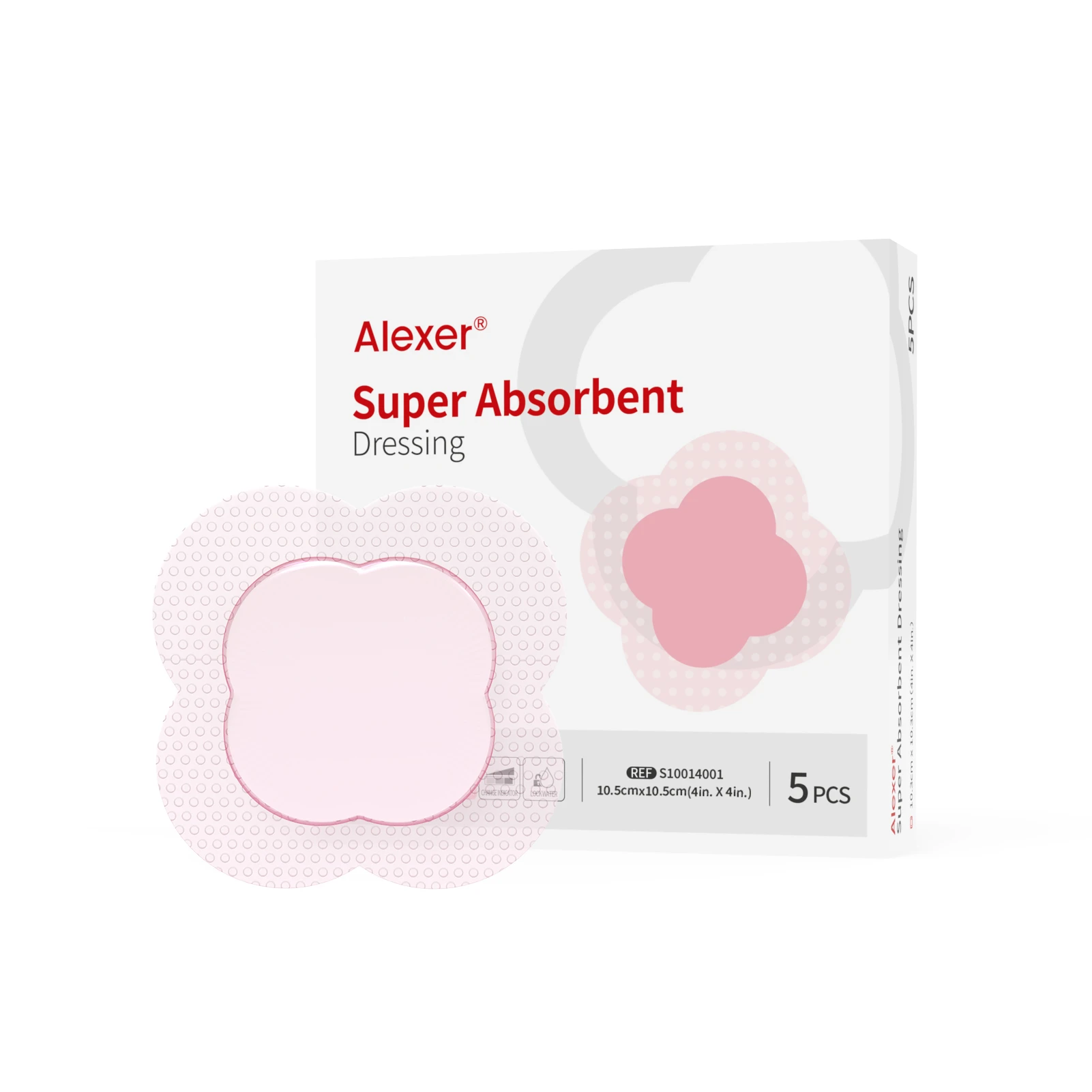
You can help stop sacral pressure injuries by using a sacrum silicone foam dressing. New studies show these dressings can lower stage I injuries by 82%. They can also lower more serious injuries by 58%. People who are at high risk, like older adults or people who cannot move much, get the most help from pressure injury prevention. SLK Medical gives certified silicone foam dressings. You can ask for samples or look at more advanced choices for your care place.
Key Takeaways
-
Silicone foam dressings can lower the chance of pressure injuries by up to 82%. This is very helpful for patients who have a high risk.
-
These dressings give comfort and protect the skin. They are easy to use and do not hurt much when changed.
-
It is important to check skin every day. Putting on silicone foam dressings the right way helps stop pressure injuries.
-
Use silicone foam dressings for patients who cannot move much. They are also good for people with weak skin or those healing after surgery.
-
SLK Medical sells certified silicone foam dressings. You can buy them in large amounts or ask for special types.
What is a sacrum silicone foam dressing?
Introduction to Pressure Injuries and the Sacral Area
If you stay in bed or sit a lot, you can get pressure injuries. These injuries often happen at the bottom of your spine, called the sacral area. This spot is easy to hurt because bones push on the skin. When you cannot move much, blood does not flow well. Your skin can get hurt more easily.
-
The sacral area has bony spots.
-
Pressure can stop blood from moving and hurt tissue.
-
Shear forces can pull and break the skin.
-
If you cannot move well, your body heals slower.
Challenges with Traditional Dressings
Old types of dressings do not always stop pressure injuries in the sacral area. Some dressings work in some places but not everywhere. Studies do not always agree about how well they work. Many tests have problems, so the results are not always right.
-
Proof for old dressings is not always clear.
-
Some reviews say they help in the ICU, but some do not.
-
Many studies may not be fair.
Design for the Sacral Area
A sacrum silicone foam dressing fits this area well. The soft edge helps it stay on, even if you move or lie down. The foam spreads out pressure and keeps your skin safe. The silicone edge keeps water out but lets your skin get air. You can take off the dressing with little pain, which helps weak skin.
Unique Features of Silicone Foam Dressings
Silicone foam dressings have many good points for stopping pressure injuries. They cushion the sacral area, control wetness, and make changing dressings less painful. These dressings help your skin stay healthy and lower the chance of new injuries. Dr. White’s moist wound healing theory says silicone foam dressings are good because they keep wounds moist and help them heal faster.
Multilayer Technology in Silicone Adhesive Foam Dressings
Silicone adhesive multilayer foam dressings use new technology to protect your sacrum. They spread out pressure and take in shear forces, which lowers the risk of pressure injuries. The layers keep water out and let your skin breathe, so your skin does not get too wet or infected. These dressings also help stop skin problems from incontinence. They keep the area at the right wetness, which helps wounds heal and gives better results.
SLK Medical has certified silicone foam dressings. You can buy a lot at once, ask for special kinds, or get samples for your care place.
How sacrum silicone foam dressings work
Pressure redistribution and cushioning
It is important to keep the sacral region safe from too much pressure. A sacrum silicone foam dressing helps spread out your body weight. The foam works like a soft pad. It takes pressure off one spot and spreads it out. This makes it less likely for pressure injuries to happen. People who cannot move much need this extra help. Hospitals use silicone foam dressings because they protect high-risk patients. One study showed these dressings on the sacrum, heels, and hips lowered pressure injuries in hospital patients.
Moisture management and wound healing
Your skin needs just the right amount of moisture to stay healthy. If your skin is too wet or too dry, it can get hurt. Silicone foam dressings help control how wet your skin gets. They pull away extra fluid but keep the area moist enough to heal. This helps wounds heal faster and stops new ones from starting. If you have bad diarrhea or weak skin, these dressings give extra protection. Experts say multilayer silicone foam dressings should be used for high-risk people to stop pressure injuries.
Friction and shear reduction for sacral skin
Skin can get hurt when it rubs or slides on a bed or chair. Silicone foam dressings help lower friction and shear. The soft silicone moves with your body. It keeps your skin safe when you move around. Experts in Europe and the United States say to use these dressings before long surgeries or if you cannot move. This helps stop pressure injuries before they start. You will have fewer skin problems and better results.
Tip: Put a silicone foam dressing on the sacrum before sitting or lying down for a long time to help stop injuries.
Evidence for silicone adhesive multilayer foam dressings
Clinical studies on sacral pressure injury prevention
Key Findings from Randomized Controlled Trials and Meta-Analyses
Many studies show silicone foam dressings work well. A big review found these dressings help stop sacral pressure injuries. They spread out pressure and lower shear. The dressings keep the sacral area moist. Silicone foam dressings work better than regular care. Results can change with different patients and places.
Reduction in Incidence Rates of Sacral Pressure Injuries
Silicone foam dressings lower the number of pressure injuries. Fewer new injuries happen when you use these dressings. This means hospitals and care homes can trust them to help.
Guidelines and expert recommendations
EPUAP, NPIAP, and AWMA Consensus Statements
Experts from three groups agree on using silicone foam dressings. They say these dressings are good for high-risk patients. People who cannot move or need surgery should use them. Following this advice helps protect the sacrum and keeps skin healthy.
Clinical Practice Guidelines for Sacral Protection
Guidelines say you should check skin often. Use silicone foam dressings on the sacrum for people at risk. Make sure the dressing fits and stays on. Nurses and doctors use these steps to stop injuries before they start.
Effectiveness for high-risk and perioperative patients
Evidence in High-Risk Populations
-
Studies show silicone foam dressings help older and immobile people.
-
One study found fewer injuries in care homes with these dressings.
-
The risk of new injuries dropped by 8.5% in the group with dressings.
Perioperative Use and Outcomes
-
Silicone foam dressings can be used for surgery patients.
-
Nurses like these dressings because they are easy to use.
-
Hospitals saw no new pressure injuries during surgery with these dressings.
-
Staff noticed better results and more focus on sacral protection.
You can trust sacrum silicone foam dressings to help stop pressure injuries. These dressings protect the sacral area, keep skin safe, and help high-risk patients do better.
When to use sacrum silicone foam dressings
Patient selection and risk factors
You should use a sacrum silicone foam dressing if you have a high chance of getting a pressure ulcer. People who cannot move much, older people, and those who are sick for a long time need extra help. If your skin is weak or you have bad diarrhea, silicone foam dressings can help you. Nurses use the Braden scale to see your risk. Staff check your skin every day and write down when they use dressings. You get better protection from pressure injuries when your care team does these things.
-
Limited mobility
-
Advanced age
-
Chronic illness
-
Fragile skin
-
Severe diarrhea
Checking your skin daily and keeping good records helps stop new injuries.
Clinical scenarios for sacral protection
You might need silicone foam dressings in many places. Hospitals use these dressings for people who stay in bed or have surgery. If you are in a medical-surgical ward, you can get extra help for your sacral area. Trauma patients and very sick people also need silicone adhesive multilayer foam dressings to prevent injuries. These dressings lower the chance of pressure injuries and help you heal better. Two strong studies show fewer injuries in high-risk groups, but more research is needed to be sure.
-
Medical-surgical wards
-
Trauma patients
-
Critically ill patients
Silicone foam dressings help keep you safe and help you heal faster.
Bulk purchasing and OEM options from SLK Medical
SLK Medical gives you lots of choices for silicone foam dressings. You can buy many dressings at once for your care center. You can ask for special shapes for the sacrum, clear covers, or silver antimicrobial layers. SLK Medical has super absorbent dressings, silicone wound contact layers, scar care, and D-Pore™ technology. Their products have FDA, CE, and ISO 13485 certifications. SLK Medical uses advanced factories in China for good quality and lower prices. You can trust their careful checks and steady supply.
-
Clear and antimicrobial options
-
Super absorbent and specialty dressings
-
Certified for major markets
SLK Medical helps you with good products and expert service.
Application and care of silicone foam dressings
Step-by-step application for sacrum
Preparation and Skin Assessment
You should always start by washing your hands. Clean the sacral area with gentle soap and water. Dry the skin well. Look for any redness, open spots, or other injuries. If you see any signs of pressure injuries, tell a nurse or doctor right away.
Proper Positioning and Alignment
Ask the patient to lie on their side or stomach. This makes it easier to reach the sacrum. Open the silicone foam dressing package. Make sure the sticky side faces the skin. Line up the dressing so it covers the bony area at the base of the spine.
Secure and Smooth Application
Press the dressing gently onto the skin. Smooth out any wrinkles or air bubbles. The dressing should stick well and cover the area fully. Make sure the edges seal to keep out moisture and germs. Silicone foam dressings work best when they stay flat and secure.
Dressing Change Frequency and Removal
Check the dressing every day. Change it if it gets wet, dirty, or starts to peel off. To remove, lift the edge and peel back slowly. This helps protect fragile skin and lowers the risk of new injuries.
Best practices and common mistakes
Ensuring Secure Adhesion
You need to press the dressing firmly so it sticks. If the dressing lifts, it cannot protect against pressure injuries. Always check the edges after you apply it.
Avoiding Misplacement and Skin Contamination
Do not touch the sticky side too much. Touching it can bring germs to the skin. Place the dressing only on clean, dry skin to lower the risk of new injuries.
Minimizing Dressing Manipulation
Try not to move or adjust the dressing once it is in place. Too much handling can weaken the seal and make the dressing less effective.
Tips for caregivers and healthcare providers
Early Detection of Skin Changes
Look under the dressing every day for changes. Early signs of pressure injuries include redness or swelling. Catching these signs early leads to better outcomes.
Non-Traumatic Dressing Changes
Remove silicone foam dressings slowly and gently. This helps avoid new injuries and keeps the skin safe.
Regular Evaluation of Dressing Effectiveness
Check if the dressing stays in place and keeps the area dry. Use silicone foam dressings as part of your daily care plan. Follow protocols and educate your team to improve pressure injury prevention.
Tip: Using silicone foam dressings with daily skin checks and proper care can lower the risk of pressure injuries and improve healing.
Benefits and limitations of sacrum silicone foam dressings
Comfort, protection, and ease of use
Enhanced Patient Comfort and Experience
When you need a dressing for your sacrum, comfort matters. Silicone foam dressings stick gently, so changes hurt less. These dressings protect your skin from new injuries. Many people say they feel better with silicone foam dressings. Other dressings can be more uncomfortable.
Effective Protection Against Pressure Injuries
Silicone foam dressings help keep your sacral area safe. They spread out pressure and lower friction. This helps stop pressure injuries from starting. The dressings also control moisture to keep skin healthy. Hospitals and care homes use them for many patients.
Streamlined Application and Care Processes
Silicone foam dressings are simple to use. Nurses can put them on and take them off easily. The dressings stay in place and cover the right spot. This makes care safer and gives better results.
|
Feature |
Silicone Foam Dressings |
Other Dressings |
|---|---|---|
|
Patient Comfort |
More pain during changes |
|
|
Skin Protection |
Reduces risk of skin stripping |
Higher risk of skin damage |
|
Ease of Removal |
Atraumatic, less discomfort |
More traumatic removal |
|
Exudate Management |
Handles moderate to heavy exudate well |
Often less effective |
Potential drawbacks and precautions
Cost Considerations
Silicone foam dressings can cost more than basic ones. Some care centers worry about the higher price. You should think about the cost and the benefits. Fewer injuries and faster healing may save money later.
Suitability for Different Skin Types
Some people have very weak skin. Silicone foam dressings are good for them, but do not change them too often. Too many changes can still hurt the skin. Always use the dressing on clean, dry skin. Do not use lotions that stop it from sticking.
Clinical Scenario Limitations
If you move a lot or your risk is low, you may not need these dressings. Pick a dressing that covers the whole area at risk. Change the dressing early if it gets dirty or damaged.
Common Application Errors to Avoid
Do not touch the sticky side too much. Do not use the dressing on wet or broken skin. Make sure it fits well and stays flat. These steps help keep your skin safe.
SLK Medical’s support and free sample offer
Professional Consultation and Product Guidance
You can ask SLK Medical for help with silicone foam dressings. Their team can help you pick the best product.
Regulatory Compliance and Certifications
SLK Medical has dressings with FDA, CE, and ISO 13485 certifications. These products meet high safety rules.
Free Samples and OEM/Customization Services
You can get free samples to try before you buy. SLK Medical also makes custom shapes and special features for your needs.
Dedicated B2B Support for Bulk Orders
If you need a lot of dressings, SLK Medical can help. Their team makes sure you get what you need and answers your questions.
Tip: Contact SLK Medical if you want help picking products, getting samples, or buying in bulk.
You can rely on sacrum silicone foam dressing to help stop pressure injuries. Research shows these dressings lower sacral injuries from 12.8% to 4.8%. They do not cause extra skin problems. Your skin in the sacral area stays safer and healthier. Silicone foam dressings feel soft, lessen pain, and help prevent injuries. You should use silicone foam dressings for patients who have a high risk. SLK Medical has certified silicone foam dressings. They can fill big orders or make special ones for you. To learn more or get free samples, go to SLK Medical’s website and fill out their contact form.
-
Silicone foam dressings help stop pressure injuries and keep your skin safe.
-
You get care that is safe, comfy, and gives better results.
|
Evidence Type |
Findings |
Implications |
|---|---|---|
|
Clinical Effectiveness |
Fewer sacral pressure injuries in high-risk patients |
Shows these dressings should be used often |
|
Patient-Centered Outcomes |
Less pain and more comfort when changing dressings |
Makes patients feel happier |
|
Cost-Effectiveness |
Cheaper than treating pressure injuries after they happen |
Saves money for people who are at high risk |
FAQ
How often should you change a sacrum silicone foam dressing?
You should check the dressing every day. Change it if it gets wet, dirty, or starts to peel off. Most people change it every three to five days.
Can you shower with a silicone foam dressing on your sacrum?
Yes, you can shower with the dressing on. The waterproof layer keeps water out. Pat the dressing dry after your shower.
Who should use a sacrum silicone foam dressing?
You should use this dressing if you have limited movement, fragile skin, or a high risk of pressure injuries. Nurses often use it for older adults and people after surgery.
Does removing a silicone foam dressing hurt?
Silicone foam dressings use gentle adhesive. You will feel less pain when you remove them. Peel the dressing back slowly to protect your skin.