


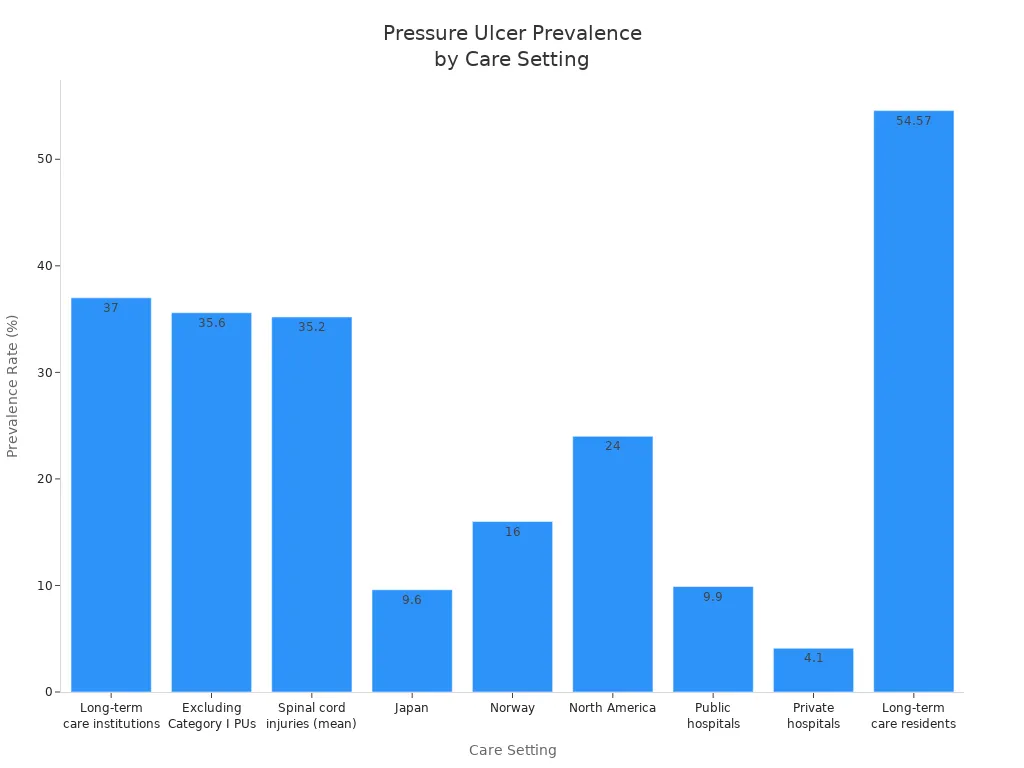
You face a real risk of injury from pressure ulcers, especially in hospital or long-term care settings. The prevalence can reach up to 37% in some institutions, as shown below.
Using a foam sacral dressing can lower your chance of pressure injury by protecting vulnerable areas. Clinical studies show these dressings reduce sacral pressure injuries and support pressure ulcer prevention. New technologies, such as polyurethane foam and advanced five-layer designs, improve comfort and healing. SLK Medical leads in innovation, giving you confidence to prevent injury and improve outcomes.
Key Takeaways
Foam sacral dressings protect vulnerable areas and reduce the risk of pressure ulcers, especially in high-risk settings like hospitals.
Choose dressings that fit the sacral area well. Look for features like multi-layer design, breathability, and silicone adhesives for better comfort and healing.
Apply the dressing on clean, dry skin. Ensure it conforms to the body’s shape to prevent leakage and enhance comfort.
Monitor the dressing regularly for signs of saturation or edge lifting. Change it every 3 to 7 days or sooner if needed.
Combine dressing use with regular repositioning and skin checks to maximize protection against pressure injuries.
Selecting Foam Sacral Dressing
Choosing the right sacral foam dressing is essential for pressure injury prevention. You need to match product features with patient needs and wound type. Start by considering the most important criteria for selection.
Key Features to Consider
For Clinical Users: Essential Performance Criteria
You should look for dressings that fit the sacral and gluteal regions. Anatomical shape ensures optimal coverage and reduces injury risk. Multi-layer design helps redistribute pressure and lower shear forces. Breathability and moisture absorption manage the microclimate, especially for patients with incontinence. Silicone adhesives secure the dressing, allow painless removal, and support repositioning for skin checks. Thin, waterproof borders prevent edge rolling and fluid ingress, maintaining dressing integrity.
The application of advanced imaging and modeling shows that pressure and shear forces at the cellular level can cause direct tissue injury. Multi-layer silicone-adhesive polyurethane foam dressings shaped for the sacrum help prevent sacral pressure injury when used with standard care.
Criteria for Selection | Description |
|---|---|
Effectiveness in Preventing Pressure Injuries | Dressings should be proven to prevent injury in high-risk settings like ICUs. |
Feasibility of Trials | You need products that allow trials to assess impact on pressure ulcer prevention. |
Availability of Products | Access to a variety of specialized sacral foam dressing options is important. |
For Procurement: Value Assessment Beyond Unit Price
You should evaluate total wear time. High-quality sacral foam dressing options last three to seven days, reducing dressing changes and labor costs. Clinical evidence supports a 41% reduction in new pressure ulcers with silicone-adhesive multilayer foam dressings. Ease of use and training matter. Choose products with intuitive design and standardized application training. Formulary standardization simplifies procurement and inventory management. Hospitals using five-layer sacral foam dressing saw lower injury rates and a strong return on investment.
Feature | Outcome | Statistical Significance |
|---|---|---|
Silicone-adhesive multilayer foam dressing | 41% reduction in risk of new pressure ulcers | p = 0.04 |
Hydrocolloid dressing | No significant difference in incidence | N/A |
SLK Medical Options
Product Range and Scenario Suitability
SLK Medical offers three main sacral foam dressing options. Skin Color dressings provide a discreet appearance for patients who prefer less visible dressings. Pink Color dressings offer enhanced visibility, making monitoring and dressing changes easier. Border Flex dressings feature flexible borders, ideal for challenging anatomical areas or patients with high mobility. All options support pressure ulcer prevention and meet both clinical and procurement needs.
Pressure injuries: SLK Medical dressings reduce sacral pressure injury incidence in critically ill patients.
Diabetic foot ulcers: Dressings maintain moisture and block bacteria, aiding healing.
Chronic venous leg ulcers: Sacral foam dressing manages exudate and infection risk.
Pediatric patients: Dressings protect sensitive skin and prevent injury.
You benefit from shorter healing times, lower pain during changes, and higher rates of healed pressure ulcers. Fewer dressing changes mean improved comfort and satisfaction.
Selecting Foam Sacral Dressing
Key Features to Consider
You need to choose a sacral foam dressing that matches the patient’s needs and the wound’s characteristics. A careful selection process helps you achieve the best results for pressure injury prevention and healing. Follow these steps to select the most appropriate dressing:
Assess the wound type and severity. Look at the wound’s size, depth, and exudate level. Identify if the wound is a new sacral pressure injury or a chronic ulcer.
Maintain wound hygiene. Clean the area thoroughly before applying any dressing. This step reduces the risk of infection and supports healing.
Monitor for infection. Check the wound regularly for redness, swelling, or unusual discharge. If you see signs of infection, adjust your dressing choice or consult a healthcare professional.
When you compare sacral foam dressing options, focus on features that impact comfort, safety, and healing. The table below highlights important features to evaluate:
Feature | Description |
|---|---|
Comfort | Ensures patient adherence and supports positive healing outcomes. |
Skin Protection | Silicone adhesive layers minimize trauma during dressing changes. |
Safety Certifications | Biocompatible, non-toxic, and easy to remove without causing injury. |
Absorbency | Handles different levels of wound exudate for effective wound care. |
Design Elements | Conformability and frictional properties improve usability and effectiveness. |
Antimicrobial Properties | Some dressings include agents like silver for extra protection against infection. |
Multi-layer Construction | Provides physical protection and flexibility, reducing damage to the wound and surrounding skin. |
Hydrogel Integration | Maintains a moist wound environment and allows gentle removal. |
Specific Dressing Types | Non-adhesive, adhesive, antimicrobial, and bordered options suit different wound care needs. |
Clinical studies show that five-layer foam sacral dressing offers superior protection against sacral pressure injury. The table below compares the effectiveness of different dressing types:
Dressing Type | Pressure Ulcer Prevention Rate | Cost Effectiveness Ratio (SAR) | Additional Notes |
|---|---|---|---|
Five-Layer Foam Sacral Dressing | 124 SAR | Superior design features, including moisture-proof backing and anatomical shape. | |
Single-Use Polyurethane Foam Pad | 6% | 2127.66 SAR | Designed for surgical use, but less effective in PU prevention. |
Tip: Choose a sacral foam dressing with a multi-layer design and anatomical shape. These features help reduce injury risk and improve healing outcomes.
SLK Medical Options
SLK Medical provides a range of sacral foam dressing solutions to meet different patient and wound care needs. You can select from three main options, each designed for specific scenarios:
Skin Color: This dressing blends with the skin, making it less noticeable. Choose this option if your patient prefers a discreet look or feels self-conscious about visible dressings.
Pink Color: The pink color stands out, which helps you monitor the dressing and wound more easily. Use this option when frequent checks or dressing changes are needed.
Border Flex: This dressing features flexible borders that stretch and conform to the body’s shape. Select Border Flex for patients who move often or have wounds in challenging anatomical areas.
All SLK Medical sacral foam dressing products use advanced multi-layer construction. The silicone adhesive layer protects sensitive skin and allows for painless removal. The absorbent core manages exudate and maintains a moist environment, which supports healing and reduces the risk of injury. The waterproof backing prevents fluid ingress and keeps the wound safe from external contaminants.
You can rely on SLK Medical’s dressings for effective pressure injury prevention. Their products help you manage sacral pressure injury, diabetic foot ulcers, and chronic wounds. The variety of options ensures you find the right fit for each patient, improving comfort and healing outcomes.
Application for Pressure Ulcer Prevention
Preparation and Placement
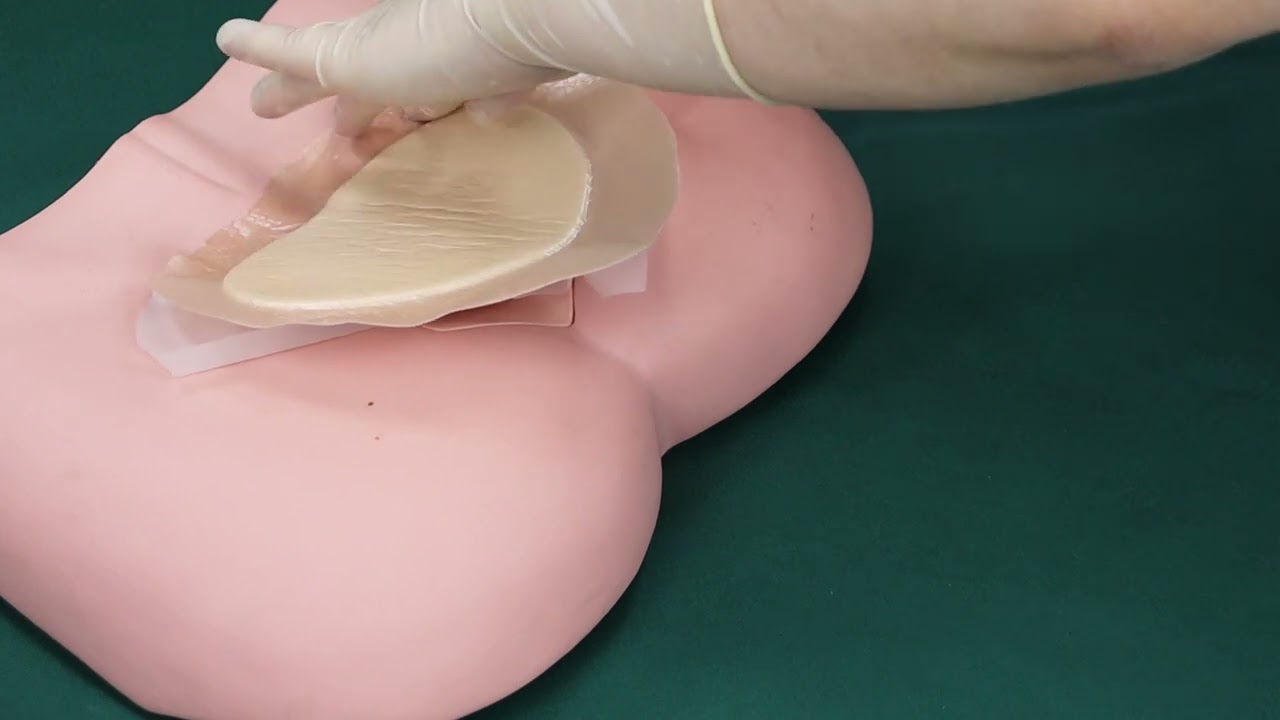
You play a vital role in preventing sacral pressure injury by applying sacral foam dressing correctly. Begin by preparing the skin. Clean the sacral area with a pH-balanced cleanser. This step removes debris and reduces the risk of infection. Pat the skin dry with a soft towel. Inspect the area for redness, swelling, or signs of injury. If you notice any open wounds or unusual discharge, consult a healthcare professional before proceeding.
Choose a multi-layered soft silicone foam dressing that matches the wound’s size and shape. Remove the dressing from its sterile package. Hold the dressing by its edges to avoid touching the adhesive surface. Position the sacral foam dressing so it covers the vulnerable area, including the gluteal cleft if needed. Make sure the dressing conforms to the contours of the sacrum. Press gently to secure the silicone adhesive border. Smooth out any wrinkles to prevent fluid leakage and edge rolling.
The use of silicone foam dressings has been shown to lower the risk of injury in the sacral region. These dressings redistribute pressure and create a waterproof barrier. This protection helps prevent skin maceration and infection, especially in areas exposed to moisture or fecal contamination. Adhering to skin care protocols and changing the dressing on schedule ensures optimal performance.
Tips for Best Results
You can maximize comfort, wear time, and healing by following proven strategies when using sacral foam dressing:
Ensure anatomical fit. The dressing should conform to the unique contours of the sacral area. This fit enhances comfort and reduces friction, lowering the chance of injury.
Use dressings with vapor-permeable, waterproof, and leak-proof borders. These features protect the skin and keep the wound environment stable.
Select highly absorbent foam dressings. Managing exudate prevents maceration of the surrounding skin and supports healing.
Consider antimicrobial properties. Dressings with these features help reduce infection risk in vulnerable areas.
Match absorption capacity to the patient’s exudate levels. Maintaining a moist healing environment speeds recovery and lowers the risk of sacral pressure injury.
SLK Medical’s sacral foam dressing options make application easier and improve patient satisfaction. The skin-friendly silicone adhesive reduces trauma and allows painless removal. Flexible designs provide a secure fit for different wound stages. Patients and healthcare professionals recommend these dressings at high rates. You will notice fewer dressing changes, with frequency reduced by nearly half. This efficiency means less disruption and more comfort for patients. Healing outcomes improve, with faster recovery, pain reduction, and better moisture control compared to traditional dressings.
Feature | Benefit |
|---|---|
Skin-friendly silicone adhesive | Reduces trauma, allows painless removal, supports healing |
Flexible design | Secure fit, adapts to wound stages |
High patient satisfaction | 90.2% recommendation rate from patients |
Reduced dressing changes | Frequency lowered by 47%, less disruption |
Improved healing outcomes | Faster healing, pain reduction, better moisture control |
Tip: Always check the dressing’s edges after placement. A secure border prevents leakage and keeps the dressing in place. Replace the sacral foam dressing if you see signs of saturation, edge lifting, or contamination.
You can prevent injury and promote healing by following these steps. Proper use of sacral foam dressing protects the sacral area and supports patient comfort.
Troubleshooting and Mistakes to Avoid
Common Application Errors
You may encounter several common mistakes when using a sacral foam dressing. These errors can reduce the effectiveness of the dressing and increase the risk of sacral pressure injury. Watch out for the following:
Applying the dressing to skin that is not completely clean or dry.
Relying only on sacral foam dressing and neglecting other preventive measures, such as regular repositioning and skin checks.
Using the wrong size or shape, which can leave parts of the sacral area exposed.
Overlooking the need for a proper support surface, which can lead to more injury.
Allowing hair or moisture to remain under the dressing, which can cause poor adhesion and leakage.
Failing to monitor the dressing for signs of saturation, edge lifting, or contamination.
Tip: Always combine sacral foam dressing use with frequent repositioning and regular skin assessments. This approach helps you prevent sacral and heel pus and other complications.
Solutions and Best Practices
You can solve most issues with sacral foam dressing by following a few best practices. If you notice poor adhesion or leakage, start by making sure the skin is clean and dry. Use a soft, dry material to dab away any moisture. Remove or trim hair in the application area to help the dressing stick better.
Modern dressings, like those from SLK Medical, use advanced adhesive borders to keep the dressing in place without extra tape. This design helps prevent leakage and reduces the need for frequent changes. If you see leaking before the dressing is fully saturated, check for wrinkles or gaps along the border. Smooth out the edges to create a tight seal.
You should also avoid a false sense of security. Sacral foam dressing works best when you use it with other preventive steps. Always check the skin under and around the dressing for early signs of injury. Replace the dressing if you see any damage, discomfort, or signs of sacral pressure injury.
Problem | Solution |
|---|---|
Poor adhesion | Clean and dry skin, manage hair, smooth edges |
Leakage | Check for wrinkles, ensure tight seal |
Discomfort or redness | Reassess fit, replace if needed |
By following these steps, you can improve healing, reduce injury, and get the most benefit from your sacral foam dressing.
You can prevent pressure ulcers by following key steps.
Choose multi-layered soft silicone foam dressings to protect vulnerable areas.
Apply dressings that redistribute pressure and manage moisture.
Use protocols for selection and application to improve outcomes.
Consider clinical requirements and dressing microstructure for best results.
Group | Incidence of Pressure Ulcers | p-value |
|---|---|---|
SLK Medical Dressings | 4.8% | <0.001 |
Standard Care | 12.8% |
You should consult wound care specialists for personalized advice. Regular monitoring and the right dressing choice help you achieve better healing and comfort.
FAQ
How often should you change a foam sacral dressing?
You should change the dressing every 3 to 7 days. Check the dressing daily for signs of saturation, edge lifting, or contamination. Replace it sooner if you notice any of these issues.
Can you shower with a foam sacral dressing in place?
Yes, you can shower with the dressing on. The waterproof backing protects the wound from water. Avoid soaking or scrubbing the area to maintain dressing integrity.
What should you do if the dressing does not stick well?
Clean and dry the skin before application.
Remove excess hair from the area.
Smooth out the edges to create a tight seal.
Are SLK Medical foam sacral dressings safe for sensitive skin?
Feature | Benefit |
|---|---|
Silicone adhesive | Gentle on sensitive skin |
Multi-layer design | Reduces pain and trauma |
You can use SLK Medical dressings for fragile or sensitive skin.


