


Choosing the right silicone bordered foam dressing is important for wound care in 2026. Many people have chronic wounds, so more advanced dressings are needed. The global wound care market may reach over $14 billion by 2026. This is because more patients want better ways to heal. A silicone bordered foam dressing is a soft pad with layers. It has a gentle silicone border that protects your skin and helps wounds heal faster. You can trust SLK Medical to give dressings made for sensitive skin and chronic wounds. Studies show these dressings handle exudate well. They fit closely to the wound and help healing.
-
The advanced wound dressings market was worth $7.45 billion in 2023. It may grow to $12.11 billion by 2032.
-
Silicone bordered foam dressings give care that saves money. They fit well and feel comfortable on your skin.
Key Takeaways
-
Silicone bordered foam dressings are very important for wound care. They help a lot with chronic wounds. These dressings give comfort and protect the wound. They make it hurt less when you put them on or take them off. Picking the right dressing for your wound type is important. You should also think about how much fluid the wound has. This can help the wound heal better. Foam dressings keep the wound moist. This helps it heal faster and lowers the chance of infection. Always talk to healthcare professionals to pick the best dressing for you.
What Is a Silicone Bordered Foam Dressing?
Structure and Key Components
When you look at a silicone bordered foam dressing, you see a smart design made for wound healing. This dressing has three main parts. The first part is the soft silicone layer. This layer sits next to your skin and helps protect it from damage. The second part is the foam layer. This foam absorbs wound fluid and keeps the area moist. The third part is the protective film. This film covers the dressing and keeps out water and germs.
SLK Medical uses D-Pore™ technology in their foam dressings. This technology gives the foam tiny pores that help with absorption and breathability. The foam can soak up a lot of wound fluid, which helps keep your skin safe. The dressing also lets air pass through, so your wound can breathe.
Note: Modern wound dressings like these use advanced materials to help wounds heal faster and with less pain.
Here is a table that shows how the soft silicone layer in foam dressings helps your skin:
|
Finding |
Description |
|---|---|
|
Injury Prevention |
A new soft silicone multi-layer dressing reduces heel pressure ulcer risk. |
|
Frictional Energy Absorption |
The dressing absorbs frictional energy well. |
|
Biomechanical Efficacy |
The dressing eases tissue loading and spreads out pressure under moisture. |
How It Works for Wound Healing
Foam dressings work by creating the best environment for wound healing. The foam layer absorbs extra fluid from the wound. This stops the skin around the wound from getting too wet or breaking down. The nonwoven layer in the dressing spreads the fluid out, so it does not stay in one spot.
-
The foam layer in silicone bordered foam dressing absorbs mild to moderate wound fluid. This stops the skin from getting too wet.
-
The nonwoven layer spreads out the fluid, so your skin stays safe.
-
This mix of absorption and spreading helps wounds heal and lowers the risk of infection.
Modern wound dressings like these keep the wound moist. This helps new tissue grow and speeds up healing. Studies show that foam dressings manage wound fluid, keep the area moist, and help the wound heal faster. They also block bacteria and keep the wound safe from outside germs. The foam gives a cushion, so you feel more comfortable. The dressing stays in place and does not hurt when you take it off.
You can trust foam dressings to help with many types of wounds. They work well for pressure ulcers, burns, and surgical wounds. The silicone bordered foam dressing gives you a gentle, safe, and effective way to support wound healing.
Benefits of Foam Dressings for Wound Care
Comfort and Skin Protection
Foam dressings help wounds feel better while healing. The soft silicone layer sticks gently to your skin. This makes changing the dressing hurt less. It does not cause pain or damage, even for sensitive skin. The dressing fits well and moves with you. You feel less sore when you wear it. People with pressure ulcers or surgical wounds get fewer blisters. They also have less skin irritation than with other dressings. The foam border keeps out germs and dirt. This helps keep your wound safe.
-
Soft silicone adhesive makes pain and trauma lower.
-
The dressing fits well and feels soft on your skin.
-
Silicone layer sticks gently and does not cause irritation.
-
You can take off the dressing without hurting your skin.
Moisture Management and Absorption
Foam dressings help wounds heal by keeping them moist. The foam layer soaks up extra fluid from the wound. It moves the fluid away from the wound bed. This stops the skin around the wound from getting too wet. Too much moisture can cause more problems. The dressing holds the fluid inside. You do not need to change it often. This means the wound is disturbed less. That helps it heal faster. The foam lets air pass through, so the wound can breathe. Studies show foam dressings handle exudate well. They work even with compression or off-loading devices.
-
High absorbency keeps wounds moist and lowers infection risk.
-
The dressing stops leaks and protects the wound bed.
-
Absorption helps stop maceration and supports healing.
Suitable Wound Types and Applications
You can use foam dressings for many kinds of wounds. They work well for pressure ulcers and diabetic foot ulcers. They also help with venous leg ulcers and surgical wounds. Experts say foam dressings are good for hard-to-heal wounds. They help control too much exudate and improve healing. The dressing is also good for burns and wounds from injuries. You can use foam dressings in hospitals, clinics, or at home. Foam dressings are a top choice for wound care and treatment.
Tip: Always pick a dressing that matches your wound type and exudate level for the best results.
How to Choose the Right Silicone Bordered Foam Dressing
Assessing Your Wound Needs
You should look at your wound closely before picking a dressing. Every wound is not the same. Some wounds have lots of fluid, but others are dry. Some heal quickly, while others take longer. You need to check how big and deep your wound is. You also need to see where it is on your body. You should know if it is a pressure ulcer, burn, or surgical wound.
When you check your wound, think about these things:
-
What kind of wound you have, like pressure ulcers, diabetic ulcers, or burns
-
How much fluid (exudate) comes from your wound
-
If the dressing can keep your wound moist
-
If your skin is sensitive and if you feel comfortable
-
How your wound changes your daily life and comfort
Listen to your body. If a dressing hurts or makes your skin sore, try a different one. What you feel can help you and your doctor pick the best treatment.
Key Selection Criteria
Your foam dressings should do more than just cover the wound. Picking the right dressing helps wounds heal faster and keeps you feeling good. Experts say you should look at these things:
-
Managing exudate is very important. Some wounds, like pressure ulcers, make a lot of fluid. The right foam dressing can handle up to one liter of exudate each day.
-
Dressings should come off gently. Many wounds hurt or bleed easily. Pick dressings that do not stick to your skin or wound.
-
The dressing should stay in place. Some wounds are in tricky spots. Dressings that fit your body well help stop leaks and control odor.
-
Dressings should match the shape of your wound. This helps stop leaks and keeps your wound safe.
Tip: Always pick a dressing that matches your wound’s needs. This helps you heal better and avoid problems.
Common Mistakes to Avoid
If you pick the wrong dressing, your wound may heal slower and cause more trouble. Here is a table that shows what can happen if you do not choose the right foam dressing:
|
Consequence |
Description |
|---|---|
|
Increased risk of infection |
The wrong dressing can let germs in and make healing harder. |
|
Delayed healing |
Changing dressings too often can slow down healing. |
|
Extended hospital stays |
Bad dressing choices can mean longer hospital stays and higher costs. |
|
Incisional dehiscence |
If the dressing does not support the wound, the edges may pull apart. |
|
Skin tears and MARSI |
Dressings that stick too much can tear your skin, especially for older people. |
You can stop these problems by picking dressings carefully. Always check your wound type, how much fluid it has, and what your skin needs before you choose.
Why Choose SLK Medical Dressings
SLK Medical dressings are special for many reasons. They manage exudate well, which is good for wounds with lots of fluid. The soft silicone layer makes changing dressings less painful. This helps you feel better and keeps your skin safe. The strong stickiness keeps the dressing in place, even on hard-to-cover spots. You do not have to worry about your skin getting hurt or leaks.
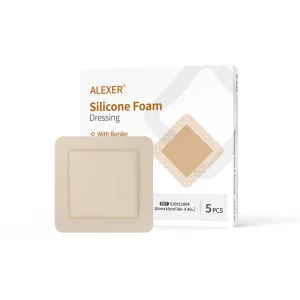
SLK Medical also has dressings with antimicrobial agents. These help stop infection and help wounds heal. You can put on and take off these dressings easily, so treatment is less stressful. The Alexer Silicone Foam Dressing with Border and Border Flex both stick well and control moisture. They help wounds heal faster and feel better than old-style dressings.
Here is a table that shows the good things about SLK Medical foam dressings:
|
Feature |
Description |
|---|---|
|
Moisture Control |
Keeps wounds moist for better healing and less infection. |
|
Comfort |
Soft layers make the dressing comfy for daily use. |
|
Faster Healing |
Helps wounds heal faster than old dressings. |
You can trust SLK Medical for your wound care. Their dressings meet FDA and ISO 13485 rules. This means you get safe and high-quality products. SLK Medical has dressings for many wounds, like pressure ulcers, diabetic ulcers, and burns. You can use their dressings at home, in clinics, or in hospitals.
Note: Always pick dressings from brands that are certified. This makes sure you get safe and good quality products.
Picking the right dressing can really help you heal. SLK Medical gives you what you need for better wound care and results.
Using and Removing Foam Dressings Safely
Application Steps
You need to follow the right application steps to get the most out of foam dressings. Good application helps with wound healing and keeps your skin safe. Here are the clinical best practices for applying a foam dressing:
-
Wash your hands before you touch the wound or dressing.
-
Clean the wound with a wound cleanser or saline solution. This removes dirt and lowers infection risk.
-
Dry the skin around the wound gently.
-
Choose the right size of foam dressing. Make sure it covers the wound and a small area around it.
-
Place the dressing smoothly over the wound. Do not stretch or wrinkle the border.
-
Press the edges down so the dressing sticks well.
-
Check the dressing often. If you see signs of infection, like redness or a bad smell, change it right away.
-
For wounds with a lot of fluid, change the dressing every 2-4 days to prevent maceration.
-
Always follow your healthcare provider’s advice for dressing changes.
These application steps help you follow clinical best practices and support wound healing.
Tips for Comfortable Wear
You want your foam dressings to feel good and last as long as possible. Comfort and wear time depend on several factors:
-
The shape of the wound and where it is on your body can affect how well the dressing stays in place.
-
Your body weight and movement may change how long the dressing lasts.
-
External forces, like clothing or bedding, can move the dressing.
-
High absorbency in foam dressings locks in drainage and keeps the wound clean.
-
The dressing keeps the wound moist, which helps healing and new tissue growth.
-
Breathable foam dressings let oxygen reach the wound but keep bacteria out.
Tip: Always check the wound and the skin around it. If the dressing lifts or leaks, replace it to keep the wound healing well.
Safe Removal and Skin Care
Proper removal of foam dressings is important for wound healing and skin health. Silicone adhesives in these dressings make removal gentle and lower the risk of skin damage. Here are clinical best practices for safe removal and aftercare:
-
Gently lift one edge of the dressing and slowly peel it back. Do not pull fast.
-
Silicone adhesives stay soft and do not dry out, so removal is less painful than with other adhesives.
-
Studies show that foam dressings with silicone cause less skin damage than acrylic adhesives.
After you remove the dressing, take care of your skin:
-
Wash your hands first to prevent infection.
-
Clean the wound and skin with mild soap or saline.
-
Apply antibiotic ointment if your healthcare provider recommends it.
-
Cover the wound with a new dressing to protect it.
-
Change dressings regularly to keep the wound healing.
Research shows that cleaning with plain water or saline is often enough for wound care.
Following these steps helps you keep your wound and skin healthy during treatment. Good application and removal of foam dressings support the best wound healing results.
SLK Medical’s Advanced Solutions
Brand Overview and Mission
You want a company that cares about new ideas and quality. SLK Medical is a top brand for foam dressings and wound healing. They have a modern building and follow strict FDA and ISO 13485 rules. You can trust them to keep you safe and give great care. SLK Medical wants to help you with advanced foam dressings. These dressings make wound care easier and work better. They always think about your comfort and healing when making products.
Product Highlights and Innovations
SLK Medical has many foam dressings for different wounds. You can pick from:
-
Silicone Foam Dressing with Border (Skin Color)
-
Silicone Foam Dressing with Border (Pink Color)
-
Silicone Foam Ag Dressing with Border
These dressings use D-Pore™ technology. This special foam helps soak up fluid and lets air in. Your wounds heal better and your skin gets less hurt. The dressings come in many shapes, like for the sacral area or heel. You can find one that fits your wound. Border Flex and Ag Dressing have waterproof covers, SAF layers, and let your skin breathe. These things keep your wound dry, clean, and safe. Studies say Border Flex dressings lower the chance of blisters and skin damage. You will not need to change dressings as much. This means less pain and lower costs.
|
Feature |
Competitors’ Dressings |
|
|---|---|---|
|
Absorbency |
High |
Varies |
|
Adhesive Technology |
Gentle silicone |
Standard adhesives |
|
Skin Trauma Minimization |
Yes |
Limited |
|
Specialized Designs |
Yes |
Limited options |
|
Waterproof |
Yes |
Varies |
OEM, Customization, and Sample Requests
Sometimes you need special foam dressings for certain wounds. SLK Medical can make custom dressings just for you. You can ask for samples to see how the dressings feel and work. If you need a lot for your clinic or hospital, they deliver fast and help you order. Go to their website to learn more about getting the right foam dressings for your wound care.
You can choose the right foam dressings by looking at your wound, checking the type, and matching the dressing to your treatment needs. Foam dressings help wounds heal faster when you pick the right one. Studies show that dressings that keep wounds moist support better healing and lower infection risk. You should always match dressing features to your wound and skin sensitivity for the best treatment. If you have questions about foam dressings or need help with your treatment, talk to a healthcare professional or reach out to SLK Medical. The right foam dressings make your treatment easier and help wounds heal with less pain.
FAQ
What types of wounds can you treat with foam dressings?
You can use foam dressings for many wounds. These include pressure ulcers, diabetic foot ulcers, surgical wounds, burns, and traumatic wounds. Foam dressings help manage fluid and protect your wound during healing.
How often should you change a foam dressing?
You should change your foam dressing every 3 to 7 days. If your wound has a lot of fluid or the dressing looks dirty, change it sooner. Always follow your healthcare provider’s advice for your wound.
Can you shower while wearing a foam dressing?
Yes, you can shower with a foam dressing. The waterproof layer keeps your wound dry. Make sure the dressing stays in place and does not peel off. If it gets loose, replace it after your shower.
Are foam dressings safe for sensitive skin?
Foam dressings with a silicone layer are gentle on sensitive skin. You can remove the dressing without pain or damage. These dressings help protect fragile skin around your wound.
What should you do if your wound looks worse under the dressing?
If your wound looks red, swollen, or smells bad, remove the foam dressing. Clean the wound and check for signs of infection. Contact your healthcare provider right away for advice on wound care.


