Choosing a wound dressing is not simply about covering a wound. The right dressing should support healing while helping manage moisture, exudate, infection risk, tissue protection, and the condition of the surrounding skin.
Because wounds change over time, dressing selection should be based on wound assessment, treatment goals, and regular reassessment rather than using one dressing throughout the entire healing process.
International wound-care resources from organizations such as the International Wound Infection Institute (IWII), WHO, and NICE support this individualized approach.
Key Principles of Wound Dressing Selection
Maintain an Appropriate Moisture Balance
Modern wound care generally favors a moist but well-balanced wound environment. Appropriate moisture can support cellular activity and epithelialization, while excessive fluid may cause maceration of the wound edges and surrounding skin.
The goal is therefore not to make a wound as wet as possible, but to maintain an appropriate moisture balance according to the wound’s condition.
Manage Exudate
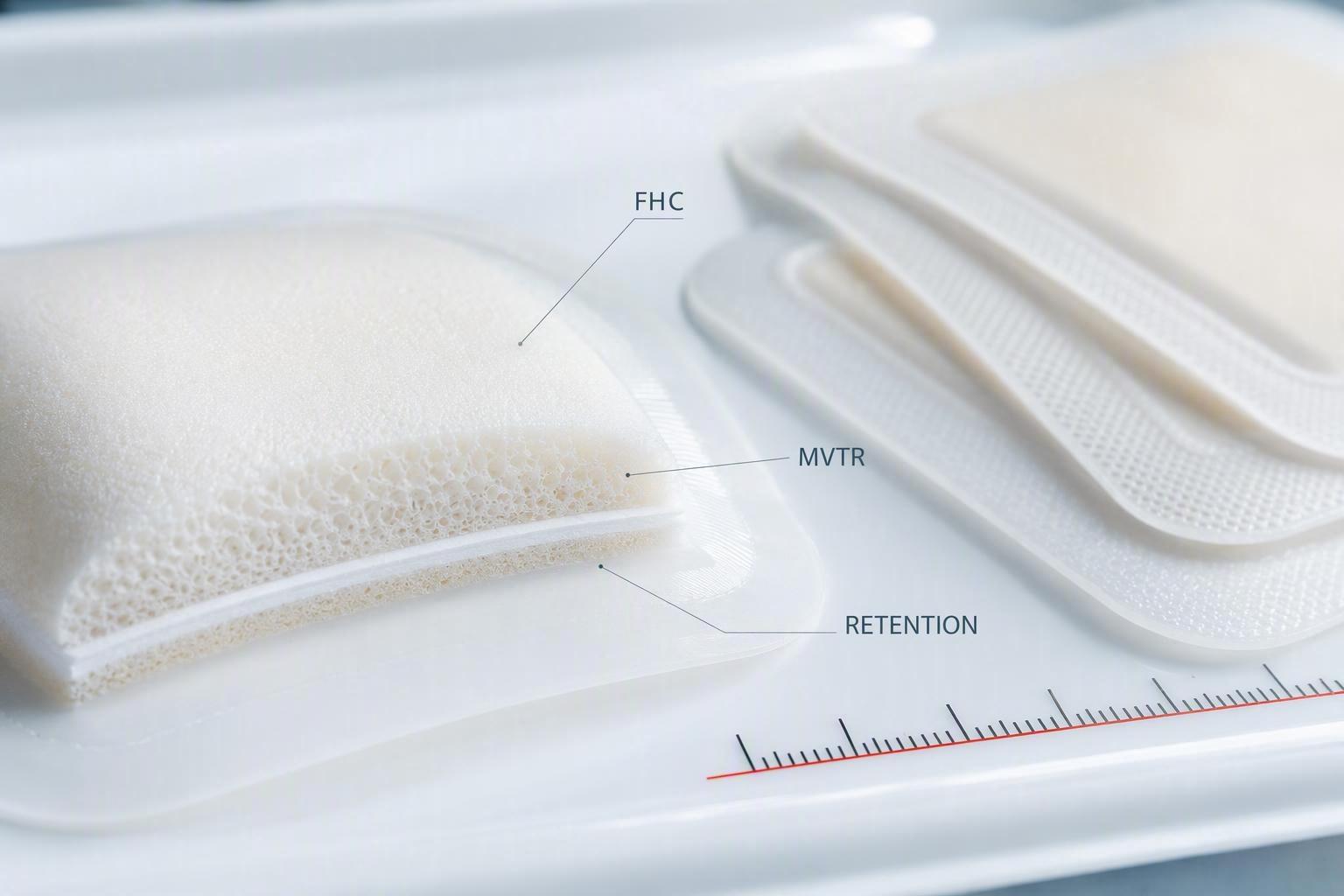
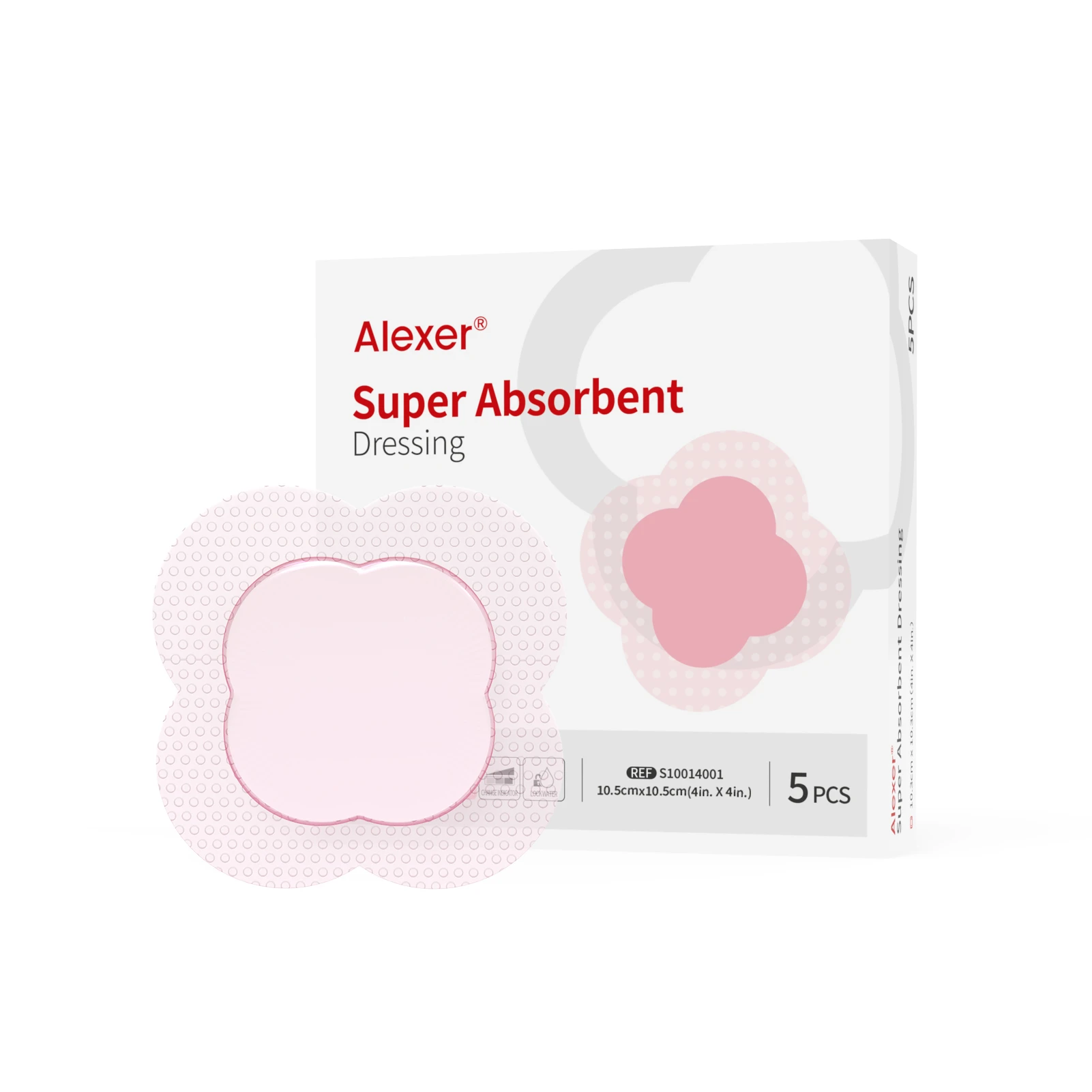
Exudate levels can change during healing. Foam dressings, alginates, gelling fiber/hydrofiber-type products, and superabsorbent dressings may be considered for wounds with moderate or heavy exudate.
The dressing should control excess fluid while avoiding unnecessary drying of the wound bed.
Assess Infection and Biofilm
Not every wound containing microorganisms is clinically infected. Infection assessment should consider clinical signs, wound progression, inflammation, and other patient factors.
When antimicrobial dressings are appropriate, they should have a clear clinical purpose and be regularly reassessed, rather than being routinely used for every wound.
The IWII consensus provides guidance on wound infection, biofilm, and antimicrobial stewardship. IWII — Wound Infection in Clinical Practice
Use T.I.M.E. as an Assessment Framework
The T.I.M.E. framework provides a practical structure for wound assessment:
- T – Tissue: Assess non-viable tissue.
- I – Infection/Inflammation: Assess infection and prolonged inflammation.
- M – Moisture: Manage exudate and moisture balance.
- E – Edge: Assess wound-edge progression.
T.I.M.E. is an assessment framework, not a rigid dressing prescription. The expanded TIMERS approach also considers repair/regeneration and social factors.
Wounds International — T.I.M.E. Clinical Decision Support Tool
Matching Dressings to Wound Characteristics
| Wound Characteristic | Primary Goal | Dressing Options |
| Dry / low-exudate wound | Support hydration or autolytic debridement where appropriate | Hydrogels |
| Moderate/high exudate | Manage fluid and protect periwound skin | Foam, alginate, gelling fiber, superabsorbent |
| Clinically infected wound | Support management of microbial burden | Appropriate antimicrobial dressings |
| Granulating wound | Protect fragile tissue | Soft silicone, low-trauma foam, contact layers |
| Epithelializing wound | Protect new tissue | Thin foam, film, hydrocolloid, soft silicone |
These are general examples rather than fixed treatment rules. Dressing selection should also consider wound depth, location, pain, periwound skin, infection status, patient preference, and dressing-change frequency.
NICE recommends considering these factors when selecting dressings for pressure ulcers. NICE — Pressure Ulcers: Prevention and Management
Treat the Cause, Not Just the Wound
A dressing can support wound management, but it cannot replace treatment of the underlying cause.
- Venous leg ulcers: underlying venous insufficiency and edema may require management.
- Pressure injuries: pressure redistribution and offloading are essential.
- Diabetic foot ulcers: offloading, infection management, vascular assessment, and debridement may all be required.
- Poorly perfused wounds: vascular assessment may be necessary.
NICE emphasizes that diabetic foot ulcers require a broader treatment strategy rather than dressing selection alone. NICE — Diabetic Foot Problems
For leg ulcers, NICE also distinguishes bacterial colonization from clinical infection and recommends addressing underlying causes. NICE — Leg Ulcer Infection
Reassess and Adjust
A practical approach is:
Assess → Identify the cause → Define the treatment goal → Select the dressing → Monitor → Reassess
A wound producing heavy exudate may initially require a highly absorbent dressing. As exudate decreases and granulation develops, a gentler dressing may become more appropriate.
There is also no universal reassessment interval. Follow-up should depend on wound severity, infection risk, healing progress, and the patient’s overall condition.
WHO similarly emphasizes that wound-management decisions should ultimately be based on clinical findings and available treatment options. WHO — Wound and Lymphoedema Management
Common Mistakes to Avoid
Using One Dressing for Every Wound
A dressing that works well at one stage may not remain appropriate as the wound changes.
Using Antimicrobials Without a Clear Objective
Antimicrobial dressings should not automatically be used for every wound. Their use should be clinically justified and regularly reviewed.
Ignoring the Underlying Cause
Changing a dressing cannot correct unresolved pressure, venous disease, ischemia, or inadequate offloading.
Overpacking Cavities
Deep wounds should be packed according to their depth, exudate, and clinical requirements. Excessive packing may create unnecessary pressure and tissue trauma.
Conclusion
There is no single “best” wound dressing for every patient.
Effective wound care combines wound assessment, moisture and exudate management, infection assessment, tissue protection, treatment of the underlying cause, and regular reassessment.
The most appropriate dressing is the one that addresses the wound’s current clinical needs while supporting patient comfort and the overall treatment plan.
The right dressing for the right wound, at the right stage—and knowing when to change it.
Medical Disclaimer
This article is for educational purposes only and does not constitute medical advice or replace assessment and treatment by a qualified healthcare professional. Dressing selection should be individualized according to the patient’s condition, wound characteristics, applicable clinical guidelines, and local protocols.
Further Reading