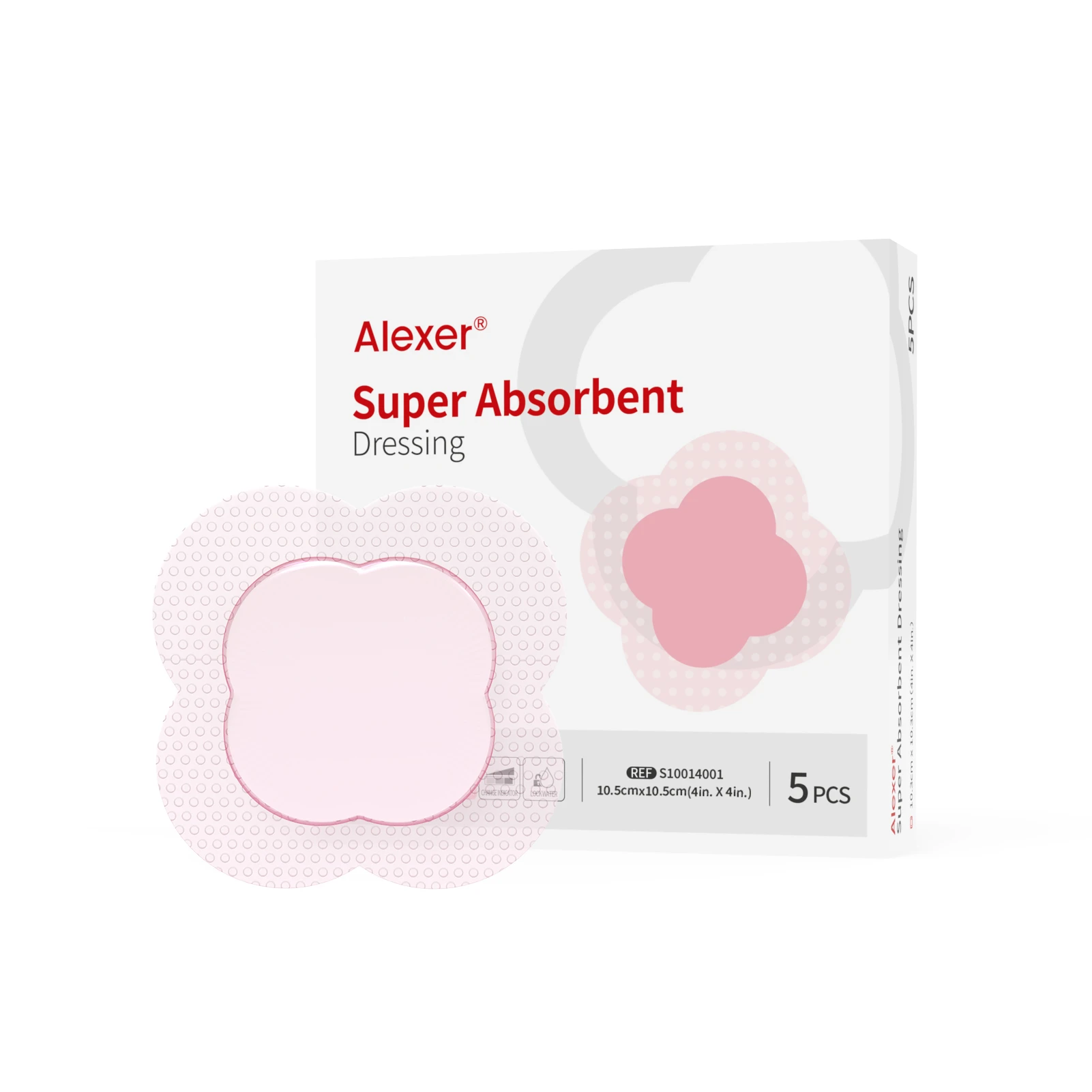
You need to use the right steps when you take care of an abdominal wound dressing after surgery. Clean hands and a clean area keep germs away from the abdominal area. Advanced dressings like silicone foam help stop infections at the surgical site.
-
These dressings block germs from getting in.
-
They let you look at the abdominal wound without taking off the dressing.
-
They fit the body’s shape, so the wound heals faster.
You should talk to a healthcare professional for help. Knowing each part of abdominal wound healing helps you pick the best products for your needs.
Key Takeaways
-
Clean hands are very important. Wash your hands before you change a wound dressing. Wash your hands after you finish. This helps stop infections.
-
Pick the right dressing for your wound. Silicone foam and super absorbent dressings work well for wounds with lots of fluid.
-
Check your wound every day for infection. Watch for redness, swelling, or pus. Call your doctor if you see any changes.
-
Change dressings when your healthcare provider tells you. Keeping the wound clean and dry helps it heal faster.
-
Move gently to help your body recover. Start with slow walks. Do not lift heavy things. This keeps your wound safe while it heals.
Why Proper Abdominal Wound Dressing Matters
Healing And Infection Prevention
You help your body heal after abdominal surgery. Good wound care lowers the chance of infection. Using the right dressing keeps germs and dirt away from the surgical site. The abdominal area is sensitive and can get infected easily. Keeping the wound clean and dry helps your body heal better.
You should follow safe steps for wound care. Experts say you should:
-
Change bandages often with clean gloves.
-
Wash open cuts with saline or antiseptic.
-
Keep closed cuts clean and dry, and check them every day.
-
Eat healthy foods and drink water to help healing.
These steps lower infection risks and help your body heal. If you see redness, swelling, or pus, call your doctor right away. Acting early stops bigger problems and helps you recover faster.
Supporting Recovery With Wound Care
Wound care does more than protect your surgery spot. It helps you heal and get back to normal life sooner. Using special wound care products helps your abdominal wound heal well. These products control moisture, soak up extra fluid, and lower infection risks. They also keep the wound area steady, which helps healing.
Pick wound care products that work for you. Some dressings are best for wounds with lots of fluid. Others are good for sensitive skin. Good wound care means you check your wound often and change dressings when needed. This helps you find infection risks early and keeps healing on track. With the right care, you can lower infection risks and recover better.
Supplies For Abdominal Wound Care
Essential Abdominal Pads And Dressings
You need the right supplies to care for wounds after surgery. Abdominal pads and abd sterile medical dressings are important tools. These supplies help with wounds that leak fluid. They also protect the area from germs. Always use sterile abdominal pads and abd sterile medical dressings. This lowers the chance of infection. These dressings work well for wounds with lots of fluid. They keep the wound moist, which helps it heal faster.
Here is a table to show what these supplies do:
|
Supply Type |
Key Features |
|---|---|
|
Abdominal pads |
High absorbency, soft, protect large wounds, keep wounds moist |
|
ABD sterile medical dressings |
Designed for heavy exudate, sterile, lower infection risk, speed up healing |
|
Surgical pads |
Versatile, absorbent, gentle on healing tissue |
Pick abdominal pads and abd sterile medical dressings that are soft and absorbent. Cotton pads are a good choice. They let wounds breathe and soak up extra fluid. Cotton pads feel gentle on your skin. Cotton is expected to be very popular in 2025. It is absorbent and lets air in. These features help stop skin problems and keep the wound safe.
SLK Medical Advanced Products
SLK Medical makes advanced products for abdominal wounds. The company has silicone foam dressings and abd sterile medical dressings. These protect sensitive skin and help with wounds that leak a lot. Their products use D-Pore™ technology. This balances pressure and fluid. It helps wounds heal faster and keeps you comfortable.
Some SLK Medical products are:
-
Silicone foam dressing for wounds with moderate to lots of fluid
-
Silicone post-op dressing for surgical wounds with fluid
-
Super absorbent dressing for wounds with heavy fluid
-
Silicone wound contact layer for sensitive skin
-
Hydrocolloid, alginate, and gelling fiber dressings for different needs
Clinical studies show SLK Medical products help wounds heal 25.8% faster in 15 days. They also protect against germs and help control swelling. These products are great for abdominal wounds and people with sensitive skin. You can trust SLK Medical for safe and effective wound care.
Abdominal Wound Dressing Steps
Hand Hygiene And Setup
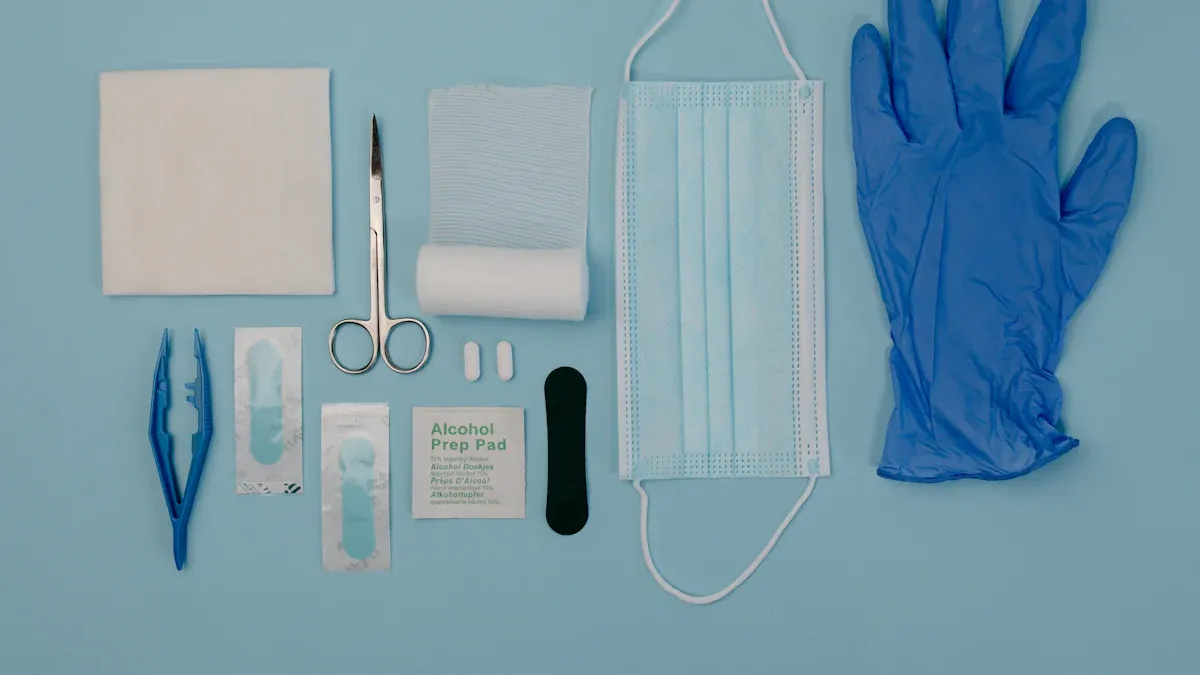
You must clean your hands before you change a wound dressing. This keeps germs away and helps the wound stay safe. Wash your hands with soap and water if they look dirty. If your hands look clean, use an alcohol hand rub. Always clean your hands before you touch the wound or put on gloves. Clean your hands again after you take off gloves or touch body fluids. Get all your supplies ready before you start. You need sterile gloves, abdominal pads, antiseptic solution, gauze, scissors, and a new dressing. Put your tools on a clean surface. This helps you keep germs away and makes the job easier.
Tip: Always use a clean area for your supplies. This step helps stop germs from getting into the wound.
Removing Old Dressings Safely
Be gentle when you take off the old abdominal wound dressing. Pulling too hard can hurt your skin and slow healing. If the dressing sticks, wet it with sterile saline or water for a few minutes. This makes it softer and easier to remove. Use wet gauze to clean off dried blood or dirt. Do not pull on weak skin. If the area looks delicate, put a nonadherent dressing over the wound. This protects new skin and lowers the chance of hurting it. Throw away the old dressing and gloves in a sealed bag to keep germs away.
Wound Assessment And Cleaning
After you take off the dressing, look at the wound closely. Check for redness, swelling, pus, or color changes. These signs may mean infection. Clean the wound gently with warm sterile saline. Do not soak the wound in water. Keep cleaning away from the rest of your body. Do not use strong cleaners. Dry the area with sterile gauze. Pick the right dressing for how much fluid the wound has. For wounds with lots of fluid, SLK Medical’s silicone foam or post-op dressings work well. These help keep the wound clean and help it heal.
Note: Always use an aseptic technique. For simple wounds, nonsterile gloves and a clean area are enough. For complex surgical wounds, use sterile gloves and a special clean area.
Applying New Dressing Techniques
Putting on the new dressing the right way helps you heal. Dry the wound before you start. Use a skin protectant if your doctor says to. Place the new dressing gently over the wound. Make sure it covers the wound but does not touch healthy skin. SLK Medical’s silicone foam dressings are easy to use and fit the abdomen. Their post-op dressings give extra protection for wounds with fluid. These dressings use special ways to soak up fluid and keep the wound moist. Studies show polyabsorbent fibers and hydrofiber dressings can help wounds heal faster. Pick the dressing that fits your wound for the best results.
|
Dressing Type |
Best For |
Benefits |
|---|---|---|
|
Silicone foam dressing |
Moderate to heavy exudate |
Soaks up fluid, gentle on skin |
|
Silicone post-op dressing |
Surgical wounds with exudate |
Waterproof, blocks germs, easy to remove |
|
Super absorbent dressing |
Heavy exudate, dehisced wounds |
Holds more fluid, fewer changes needed |
Securing Dressings For Protection
You must keep the dressing in place to protect the wound. Use medical tape or sticky borders if needed. Do not let the tape touch the wound. Make sure the dressing fits well but does not press too hard. SLK Medical’s dressings have soft borders that move with your body. This helps stop the dressing from coming off when you move. A secure dressing keeps germs out and helps the wound heal. Check the dressing every day for leaks or dirt. Change it if it gets wet or loose.
Alert: If you see redness, swelling, or pus, call your doctor. Acting fast can stop bigger problems.
Changing a wound dressing the right way helps you heal faster and keeps infection away. Using advanced products and good steps gives you the best chance to get better after abdominal surgery.
Specialized Wound Management Techniques
Managing Drainage And Exudate
You face special challenges when you care for abdominal wounds that leak a lot of fluid. Too much drainage can slow healing and cause skin problems. You need to control the fluid to keep the wound moist but not too wet. This balance helps new tissue grow and keeps the area safe from infection.
You should check the wound every day. Look for signs of too much fluid, like wet dressings or skin that looks white and soft around the wound. Change the dressing if it gets soaked. Always use gloves and clean hands. Pick dressings that soak up fluid but do not stick to the skin. This step protects the skin around the wound and lowers the risk of infection.
When you use the right wound management supplies, you help the wound heal faster. You also make the patient more comfortable. Good management of drainage is a key part of effective wound management for abdominal wounds.
Using SLK Medical Silicone And Super Absorbent Dressings
SLK Medical offers advanced dressings that help you manage wounds with a lot of drainage. These dressings use special technology to soak up fluid and keep the wound moist. You can use silicone foam dressings for wounds with moderate to heavy fluid. Super absorbent dressings work best for wounds that leak a lot.
-
Managing exudate is crucial for creating a moist wound environment that enhances healing.
-
Superabsorbent wound dressings are specifically designed to absorb and retain large volumes of exudate, making them ideal for wounds with moderate-to-high exudate levels.
-
Choosing the right dressing helps you minimize leakage and protect the skin around the wound.
SLK Medical silicone dressings fit the shape of the abdomen. They do not stick to the wound, so you can remove them without pain. The super absorbent dressings hold more fluid, so you do not need to change them as often. This feature makes wound management easier and lowers the risk of infection.
You should use these dressings for wounds that need extra care. They help you keep the wound clean and dry. You also protect the skin around the wound. These products support effective wound management and help you get better results for abdominal wound dressing.
Moisture Balance And Negative Pressure
Keeping the right moisture level is important for wound healing. If the wound is too dry, it will not heal well. If it is too wet, the skin can break down. You need to check the wound often and pick dressings that keep the right balance.
For some complex abdominal wounds, you may need more advanced wound management. Negative pressure wound therapy (NPWT) is a special method. This therapy uses a gentle vacuum to remove extra fluid and help the wound close faster. NPWT can help wounds heal better than some traditional methods.
|
Measure |
NPWT |
CWT |
Difference |
|---|---|---|---|
|
Mean time to wound closure |
36.1 days |
39.1 days |
3.0 days (P < .001) |
|
Wound closure rate (42 days) |
35.9% |
21.5% |
14.4% (P < .001) |
|
Risk of wound-related AEs |
Higher (RR 1.51) |
N/A |
N/A |
You can see that NPWT helps wounds close faster and increases the chance of healing in 42 days. You should talk to your doctor to see if this method is right for your abdominal wound. Always use NPWT with the right dressings to get the best results.
You play a big role in wound management. You need to watch for changes, use the right products, and keep the wound at the right moisture level. With the right steps, you support effective wound management and help the abdominal wound heal faster.
Monitoring Wound Healing And Preventing Complications
Signs Of Infection
You must watch your abdominal wound for infection signs. Infection can make healing slow and cause big problems. Look for redness, swelling, warmth, or pus near the surgical incision. You might feel more pain or get a fever. Sometimes, the wound smells bad or leaks more fluid than before. These signs mean you need to act fast.
Tip: Check your wound every day and write down changes. Acting early helps you avoid surgical site infections and helps wound healing go faster.
When To Seek Medical Help
Call your doctor if you see any warning signs. Get help if you have a fever over 100.4°F, chills, or if the abdominal wound looks red and swollen. If you see bleeding that will not stop or the wound edges pull apart, get help right away. Pain that does not get better or new pain can mean trouble. Your doctor can check for healthcare-associated infections and give you the right care.
|
Symptom |
What To Do |
|---|---|
|
Fever or chills |
Call your doctor |
|
Redness or swelling |
Get medical advice |
|
Bleeding or pus |
Seek help immediately |
|
Wound opening |
Visit the clinic quickly |
Avoiding Common Problems
You can stop many problems by following easy steps. Wash your hands before and after you touch the wound. Use clean gloves and keep your supplies sterile. Move your legs and walk when your doctor says it is safe. This helps stop deep vein thrombosis and pulmonary embolism. Watch for wound dehiscence, which means the wound edges come apart. Careful wound management and gentle handling protect the surgical incision.
-
Common problems include:
-
Hospital-acquired infections
-
Deep vein thrombosis or pulmonary embolism
-
Wound dehiscence
-
Shock or hemorrhage
-
You play a big part in wound healing. Careful watching and quick action help you avoid problems and support a healthy recovery from abdominal surgery.
Patient Self-Care And Dressing Integrity
At-Home Wound Care Tips
You play a big role in your recovery after abdominal surgery. You need to care for your wound every day. Here are some important tips to help you:
-
Clean the wound properly with gentle movements.
-
Choose the right type of dressing for your wound.
-
Monitor for signs of infection, such as redness or swelling.
-
Keep the wound clean and dry at all times.
-
Change dressings as directed by your healthcare provider.
-
Watch for any discharge or changes in the wound.
-
Avoid unnecessary movement that could strain stitches or sutures.
Tip: Write down any changes you see in your wound. This helps you notice problems early.
Mobility And Activity Guidance
You need to move safely after abdominal surgery. Movement helps your body heal, but you must protect your wound. Start with slow walks around your home. Avoid heavy lifting or sudden twisting. If you feel pain near your wound, stop and rest. Ask your doctor when you can return to normal activities. Gentle movement helps blood flow and lowers the risk of blood clots.
|
Activity |
Safe to Do? |
Notes |
|---|---|---|
|
Walking |
Yes |
Start slow, increase daily |
|
Lifting objects |
No |
Wait until cleared by doctor |
|
Stretching |
Yes, gently |
Avoid straining abdomen |
|
Running |
No |
Wait for full healing |
Maintaining Abdominal Wound Dressings
You must keep your abdominal wound dressing secure and clean. Check the dressing every day for leaks or dirt. If the dressing gets wet or loose, change it right away. Use medical tape or dressings with borders to keep everything in place. Make sure the dressing covers the wound but does not press too hard. SLK Medical dressings help you keep the wound safe and comfortable. Always wash your hands before and after touching the wound. This step lowers the risk of infection and helps your abdominal wound heal faster.
Alert: If you see more redness, swelling, or fluid, call your doctor. Quick action helps prevent bigger problems.
You keep yourself healthy when you follow abdominal wound dressing rules. If you make a mistake, your chance of infection goes up by 60%. Using the right products and steps helps stop problems like dehiscence and surgical site infections. Doctors say you should check your wound every day. Clean your wound carefully and change your dressing on time. SLK Medical dressings help your abdominal wounds heal safely. Pay attention, ask for help if you need it, and make good choices for your patients.
FAQ
How often should you change your abdominal wound dressing?
You should change your dressing as your doctor tells you. Most wounds need a new dressing every one to three days. If the dressing gets wet, dirty, or loose, change it right away.
What type of dressing works best for wounds with a lot of fluid?
You should use a super absorbent or silicone foam dressing for wounds with heavy fluid. These dressings soak up extra fluid and protect your skin.
|
Dressing Type |
Best Use |
|---|---|
|
Super Absorbent |
Heavy exudate |
|
Silicone Foam |
Moderate exudate |
Can you shower with an abdominal wound dressing?
You can shower if you use a waterproof dressing, like SLK Medical’s silicone foam or post-op dressing. Keep the dressing sealed and avoid soaking the wound.
Tip: Always pat the area dry after your shower.
What signs show your wound is not healing well?
Watch for redness, swelling, pus, or a bad smell. If you see these signs, call your doctor. Pain that gets worse or a wound that opens up also means you need help.
Are SLK Medical dressings safe for sensitive skin?
Yes, SLK Medical dressings use gentle silicone layers. These dressings protect your skin and lower pain during changes. You can use them if you have sensitive or fragile skin.