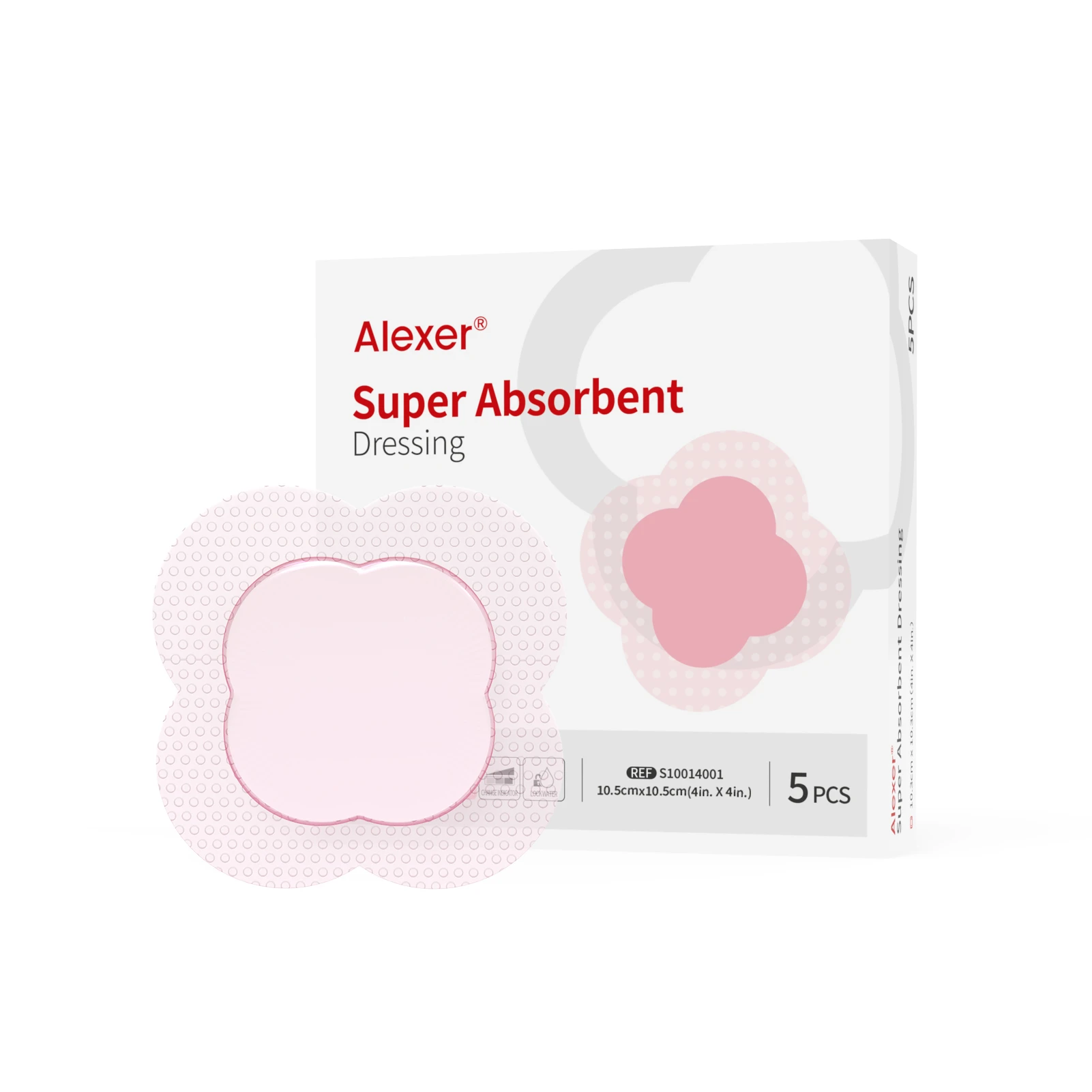
Wound dressing pads help you protect and heal your skin after injury. You use a sterile pad to cover a wound, keep it clean, and support first aid. Choosing the right dressing can make a big difference in how quickly your wound heals and how comfortable you feel. Clinical studies show that dressings can speed up healing and improve quality of life.
|
Study Reference |
Findings |
Patient Count |
Wound Closure Rate |
|---|---|---|---|
|
Augustin (2021) |
92% closure or improvement |
941 |
92% |
|
Dissemond et al (2020b) |
48.5% healed, 48.8% improved |
1,140 |
48.5% |
You want to select dressings that fit your needs for wound care and comfort.
Key Takeaways
-
Wound dressing pads cover injuries and help them heal. They keep wounds clean and moist.
-
Picking the right dressing for your wound can help you heal faster. It can also help lower pain.
-
Find dressings that soak up liquid well and control moisture. This helps stop infection and helps wounds heal.
-
Ask healthcare professionals for help when choosing a dressing. They can help you pick the best one for your wound.
-
Check your wound often and change dressings when needed. This helps you heal well and stay comfortable.
What Are Wound Dressing Pads?
Definition and Role in Wound Care
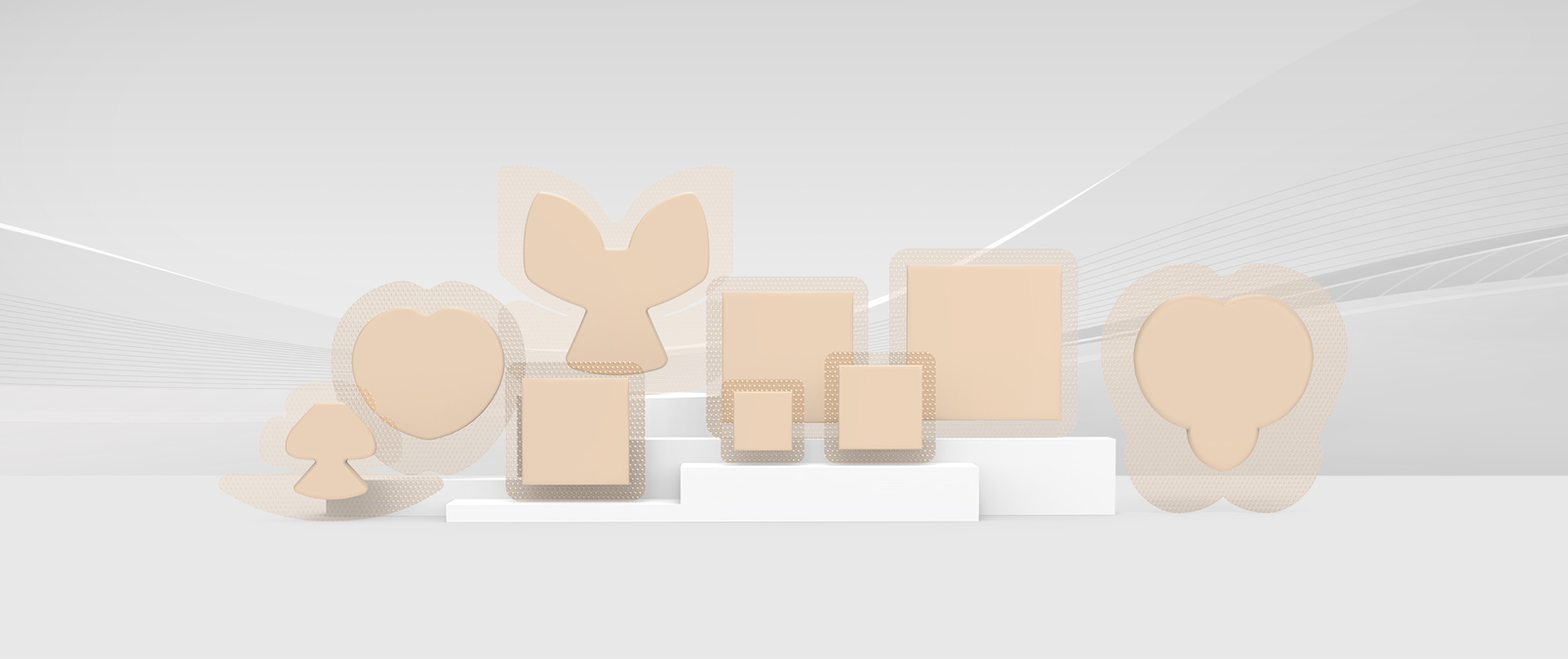
Wound dressing pads cover your skin after you get hurt. They protect the wound and help it heal. The pad keeps out dirt and germs. This helps your skin get better faster.
These pads do more than just cover the wound. They soak up any fluid from the wound. They keep the area moist. This lowers the chance of infection. Some dressings help new skin cells grow. They also help new blood vessels form. A few dressings can make the wound less friendly to bacteria. This helps the wound heal even faster.
Here is a table that lists what wound dressing pads do:
|
Function |
Description |
|---|---|
|
Keep the wound clean |
Stops dirt and germs from getting in |
|
Apply pressure |
Helps stop bleeding and swelling |
|
Immobilise the wound |
Keeps the area still so it can heal |
|
Reduce infection risk |
Makes it harder for bacteria to grow |
|
Absorb drainage |
Soaks up blood or other fluids |
|
Provide insulation |
Keeps the wound warm |
|
Allow gas exchange |
Lets air in and water vapor out |
|
Cosmetic coverage |
Makes the wound look better |
Importance of the Right Wound Dressing
Picking the right wound dressing helps you heal and feel better. Different wounds need different dressings. Burns may need a moist pad. Surgical wounds may need extra protection from germs. New dressings keep wounds moist and help remove dead skin. They also keep the wound at the right temperature.
The right dressing can stop infection and lower pain. It can help your skin heal faster. Doctors choose dressings based on the wound and how it is healing. This helps you heal well and avoid problems. Old-style dressings cost less, but new ones protect and heal better.
Tip: If you do not know which dressing to use, ask a healthcare professional for help.
Key Features of Wound Dressing Pads
Absorbency and Moisture Control
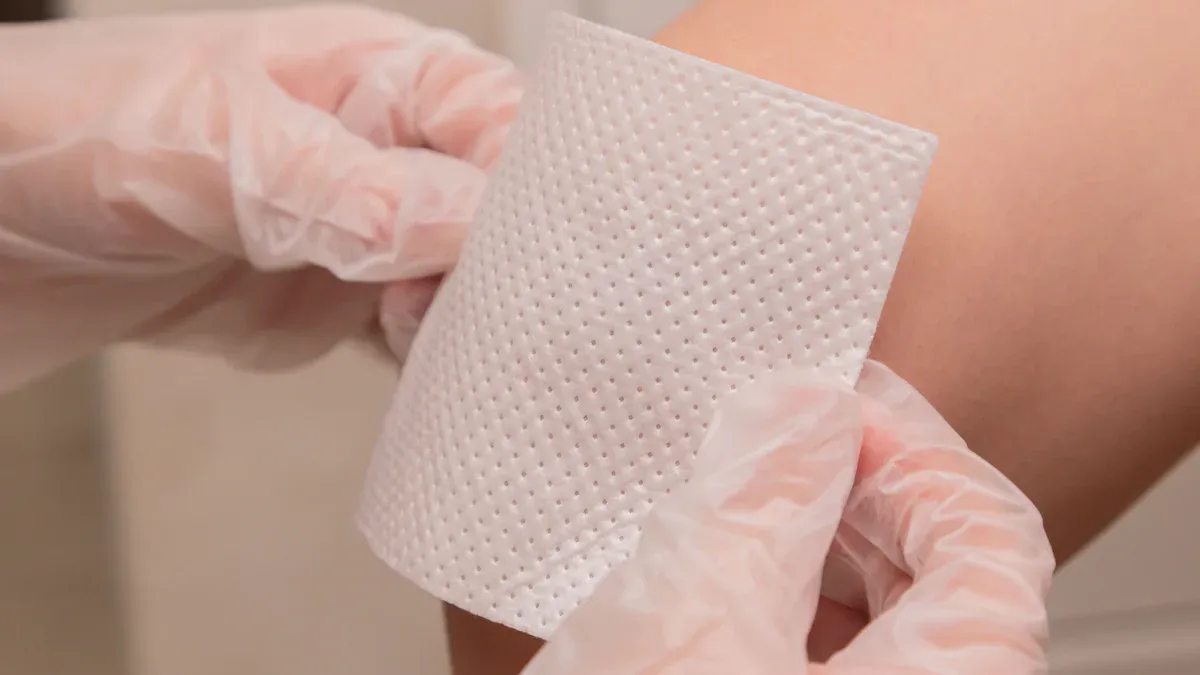
You need a pad that soaks up fluids well. Good absorbency keeps wounds clean. It helps wounds heal faster. If a pad holds too much fluid, skin can get hurt. If it does not hold enough, the wound can dry out. SLK Medical’s D-Pore™ technology helps absorb fluid. It keeps the area moist. This helps wounds heal in a moist place. The table below shows why absorbency and moisture control are important:
|
Key Aspect |
Why It Matters |
|---|---|
|
Wounds heal faster in a moist environment. |
|
|
Absorbency Importance |
The pad should match the wound’s fluid level to prevent problems. |
|
WVTR Significance |
The right water vapor transmission rate keeps the wound from drying or soaking. |
Material and Skin Compatibility
Dressings should be made from safe materials. Foam, hydrocolloid, and film dressings work for many wounds. These materials help skin stay healthy and feel good. SLK Medical uses soft silicone foam for sensitive skin. Hydrocolloid dressings are good for fragile skin and small wounds. These pads help lower pain. They make changing dressings easier.
-
Foam and hydrocolloid dressings help wounds heal.
-
These materials make you more comfortable.
-
You do not need to change them often.
-
Modern dressings keep wounds moist and protect skin.
Breathability and Protection
A good dressing lets air in but keeps germs out. Breathable pads help skin heal. They lower the chance of infection. SLK Medical’s dressings use special film backings. These let air pass through but block water and bacteria. This gives strong protection and comfort. Elasticity is important for wounds on moving parts.
-
Breathable dressings help healing and comfort.
-
Elastic pads move with your body.
-
Waterproof layers give extra protection from germs.
Antimicrobial and Barrier Properties
Dressings should protect against infection. Some pads have things that fight bacteria. SLK Medical’s dressings use barrier films to keep germs away. This lowers the risk of infection. It helps wounds heal faster. Dressings with strong barriers give better protection.
-
Antimicrobial dressings help stop infection.
-
Barrier films keep bacteria out.
-
They help wounds heal.
-
Picking the right dressing helps patients get better.
Tip: If you have sensitive skin or a wound that lasts a long time, choose dressings with gentle materials and strong protection. SLK Medical’s silicone foam dressings are made for these needs.
Benefits of Using Wound Dressing Pads
Infection Prevention and Healing Support
You need to keep your wound safe from germs. Wound dressing pads work like a shield. They block bacteria and dirt. This helps lower your chance of infection. It also helps your skin heal faster. Some pads use special materials like silver or antimicrobial layers. These help fight bacteria. Studies show silver dressings can lower infections. This is true for people with medical devices and surgical wounds. SLK Medical’s silicone foam dressings have many layers. These layers keep wounds clean. They also keep the area moist. This helps wounds heal faster. It also helps you care for your wound the right way.
|
Benefit |
Description |
|---|---|
|
Provides cushioning |
Makes it comfortable for patients. |
|
Maintains a moist environment |
Promotes faster healing. |
|
Protection from contamination |
Acts as a barrier to keep bacteria and other contaminants out. |
Comfort and Pain Reduction
You should feel comfortable while your wound heals. The right dressing should not hurt when you use it. It should not hurt when you take it off. Many dressings, like SLK Medical’s silicone foam, stick gently. They help lower pain. Patients say these dressings feel better. They help with open wounds and wounds that last a long time. Transparent film dressings are easy to remove. They do not cause much pain. Comfort comes from dressings that stay in place. It also comes from less pain and being able to move. Silicone foam dressings help you heal and feel less discomfort.
-
Dressings should cause minimal pain during application and removal.
-
Transparent film dressings are comfortable and easy to remove.
-
Modified wound dressing groups report higher comfort and lower infection rates.
Ease of Use and Versatility
You need dressings that are simple to use. They should work for many kinds of wounds. SLK Medical’s products use foam, hydrocolloid, and other materials. These pads fit wounds at different healing stages. They also fit wounds with different drainage. You can use them for open wounds, wounds that last a long time, burns, and surgical wounds. This makes it easier to care for your wound. Multi-layered dressings handle wounds with lots of fluid. They do not stick too much. This makes them easy to take off. You can use these dressings for clean care and moist healing.
|
Feature |
Description |
|---|---|
|
Multiple Materials |
Combines foam, hydrocolloid, and alginate for comprehensive care. |
|
Complex Wounds |
Ideal for wounds with multiple healing stages and complex drainage patterns. |
|
Versatile Applications |
Can be used on various wound types, enhancing usability for healthcare providers. |
Tip: Pick dressings that match your wound and healing needs. SLK Medical’s silicone foam dressings give comfort, protection, and support. They help heal open wounds and wounds that last a long time.
Choosing the Right Wound Dressing Pad
Assessing Wound Type and Exudate
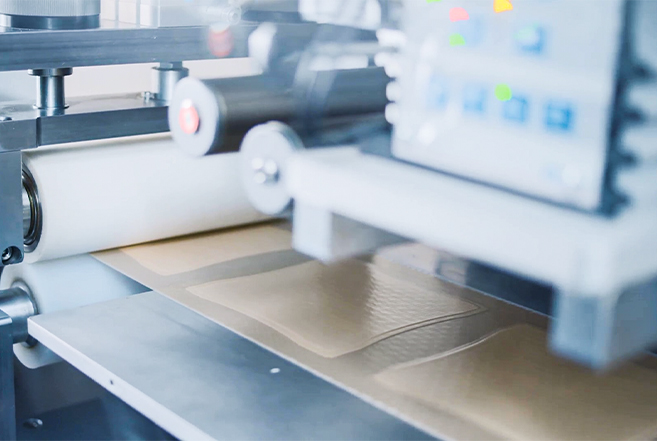
You need to look at your wound before you pick a pad. Start by measuring the depth, length, and width of the wound. Use a paper tape measure for accuracy. Check the edges to see if they are healing. Look at the skin around the wound. Watch for signs like redness, swelling, or soft, wet skin. These signs may show problems such as cellulitis or maceration.
Pain matters when you change dressings. Notice how much pain you feel before, during, and after each change. This helps you choose the right dressing. Think about moisture balance. Too much moisture can slow healing. Not enough moisture can dry out the wound. Infection risk increases if the wound stays wet or dirty. Nutrition and health problems also affect healing. If you have diabetes or poor nutrition, healing may take longer.
Follow these steps to assess your wound and drainage:
-
Measure the wound’s depth, length, and width with a paper tape measure.
-
Check the skin around the wound for redness, swelling, or softening.
-
Notice pain levels before, during, and after dressing changes.
-
Think about moisture balance and infection risk.
-
Consider your nutrition and any health conditions.
Heavy drainage wounds need pads that absorb a lot of fluid. SLK Medical’s super absorbent dressings work well for these wounds. For post-surgical wound sites, choose dressings that protect and keep the area sterile. Picking the right wound dressing pads helps you heal faster and feel better.
Considering Infection Risk and Sensitivity
Infection risk is important when you select a wound dressing. If your wound has a high risk of infection, use antimicrobial dressings. These dressings help fight bacteria and keep the wound clean. Skin sensitivity matters too. If your skin is fragile or you feel discomfort, choose dressings made for sensitive skin. SLK Medical’s silicone foam dressings are gentle and help reduce pain.
You must look at the wound’s size, depth, and drainage. These factors guide dressing selection. If you have allergies or a medical history that affects healing, tell your healthcare provider. Appropriate dressings match your wound’s needs and your comfort. Pads with barrier films protect against germs and help wounds heal.
-
Use antimicrobial dressings for wounds with high infection risk.
-
Pick dressings that are gentle for sensitive skin.
-
Match the dressing to the wound’s size, depth, and drainage.
-
Share your allergies and medical history with your provider.
Choosing the right wound dressing pad means thinking about infection risk, comfort, and wound type. Appropriate dressings help you heal and stay comfortable.
Consulting Healthcare Professionals
You should talk to a healthcare professional when you choose a wound dressing. Nurses and doctors know how to match dressings to your wound. They look at your wound’s size, drainage, and infection risk. They also think about your comfort and medical history. Their advice helps you get the best results from wound care.
Healthcare professionals play a key role in dressing selection. They use clinical assessment to find the best dressing for your wound. They help you choose pads that fit your needs. Their guidance leads to better healing and less pain.
Tip: Always ask a healthcare professional if you are unsure about dressing selection considerations. Their help ensures you use the most appropriate dressings for your wound.
SLK Medical offers a wide range of wound dressing pads for different needs. You can find dressings for heavy drainage wounds, sensitive skin, and post-surgical wound sites. Follow these steps and consult your provider to make the best choice for wound care and first aid.
Types of Wound Dressings by SLK Medical
SLK Medical offers several types of wound dressings. Each dressing has special features that help you care for your wound. You can choose the best dressing for an open wound by understanding how each type works.
Silicone Foam Dressing with Border
You can use silicone foam dressing with border for wounds that leak fluid. This dressing works well for pressure ulcers, venous leg ulcers, and skin tears. The border helps keep the dressing in place. It cushions your wound and protects the skin around it. The gentle adhesive makes it easy to remove without pain. Many experts recommend this as the best dressing for an open wound that needs extra protection and moisture.
|
Wound Type |
Why Use This Dressing? |
|---|---|
|
Pressure Ulcers |
Cushions and absorbs fluid |
|
Skin Tears |
Gentle on delicate skin |
|
Traumatic Wounds |
Maintains moist healing environment |
Silicone Foam Dressing without Border
You may need a silicone foam dressing without border for wounds in hard-to-cover areas. This dressing fits wounds with moderate to heavy drainage. It does not stick to your skin, so you feel less pain when you change it. You can cut it to fit your wound shape. Many nurses use this as the best dressing for an open wound that needs flexibility and comfort.
Tip: Choose this dressing for wounds on elbows, heels, or other tricky spots.
Non Adhesive Foam Dressing
Non adhesive foam dressing helps you manage wounds with lots of fluid. You do not need to worry about pain when you remove it. This dressing does not stick to your skin. You can secure it with tape or wrap. It creates a moist environment for healing and protects against bacteria. Many people find this is the best dressing for an open wound that needs gentle care and easy removal.
-
Lasts up to 7 days
-
Works for moderate to heavy exudate
-
Protects fragile skin
Super Absorbent Dressing Non Adherent
If your wound leaks a lot of fluid, you need a super absorbent dressing non adherent. This dressing absorbs and holds large amounts of exudate. It helps prevent leakage and protects the skin around your wound. You can use it for leg ulcers, diabetic foot ulcers, and surgical wounds. Many doctors say this is the best dressing for an open wound with heavy drainage.
-
Reduces risk of leakage
-
Protects periwound skin
-
Minimizes pain during dressing changes
Hydrocolloid Dressing
Hydrocolloid dressing works well for pressure ulcers, surgical wounds, and burns. It absorbs fluid and keeps your wound moist. Studies show hydrocolloid dressings help wounds heal faster than traditional dressings. You can use this type for shallow wounds that need a sterile and moist environment.
-
Promotes quick healing
-
Maintains moisture
-
Easy to monitor wound progress
Transparent Dressing
Transparent dressing lets you see your wound without removing the pad. It keeps moisture in and blocks germs. You can use it for catheter sites or minor wounds. The breathable design helps prevent infection. This dressing is not absorbent, so it works best for wounds with little fluid.
|
Benefits |
Description |
|---|---|
|
Moisture retention |
Keeps wound moist |
|
Infection prevention |
Blocks bacteria |
|
Breathable design |
Allows air flow |
Note: You should always use a sterile dressing to lower infection risk and support healing.
You can choose from these types of wound dressings to find the best dressing for an open wound. SLK Medical gives you options for every wound type and healing need.
Tips for Choosing the Best Dressing for an Open Wound
Matching Dressing to Wound Needs
You face many choices when you select a wound dressing. Hundreds of options exist, but you can simplify your decision by focusing on what your wound needs. You should look for dressings that support healing, prevent trauma, and protect against infection. Always choose a sterile pad to keep your wound safe. Match the dressing to the amount of fluid your wound produces and the stage of healing. Consider your allergies and how well you can follow the treatment plan.
-
Maintain a moist environment for faster healing.
-
Pick dressings that do not disturb new tissue during changes.
-
Choose products that allow air to reach the wound but block germs.
-
Make sure the dressing is safe and non-toxic.
-
Think about your wound’s drainage and healing phase.
-
Consider your own sensitivities and comfort.
SLK Medical offers advanced wound dressings designed for different needs. Their products help you heal quickly and stay comfortable.
Monitoring Healing and When to Change Dressings
You need to watch your wound closely. Change your dressing when you see heavy drainage, odor, or loose edges. Some modern dressings last up to seven days, but you may need to change them more often if you are active or your wound leaks a lot. Healing wounds usually need fewer changes.
|
Dressing Change Frequency |
Signs for Change |
|---|---|
|
Visible saturation |
|
|
As needed for saturation |
Odor development |
|
Based on advice |
Loosening edges |
|
After maximum wear time |
|
Check your wound every day. If you notice redness, swelling, or pain, talk to your healthcare provider. SLK Medical’s dressings make it easier to monitor healing and reduce pain during changes.
Cost, Quality, and Brand Considerations
You should think about cost and quality when you choose wound dressings. Unhealed wounds can lead to higher costs over time. Pick dressings that fit your budget and are easy to get. Make sure the dressing helps your wound heal and supports your treatment goals. Consider your allergies and ethical preferences. Use a structured approach to assess your wound and select the right product.
-
Check if the dressing is affordable and reimbursed.
-
Make sure you can follow the treatment plan.
-
Choose dressings that help clean the wound and support new skin growth.
-
Look for brands known for quality and innovation.
SLK Medical focuses on quality, innovation, and patient care. Their wound dressing pads offer reliable solutions for healing and comfort.
Tip: Always ask your healthcare provider for advice if you are unsure about which dressing to use.
You should know how wound dressing pads help your skin heal. The right pad keeps germs out and helps you heal faster. SLK Medical makes dressings with soft materials and smart designs. These dressings help wounds heal better and feel more comfortable.
Gauze pads keep the wound moist. This helps new cells grow. It also helps remove bad stuff from the wound.
You should ask a healthcare professional for help when picking dressings. Their advice helps you get the best care for your wound.
FAQ
How do you know which dressing pad is best for your wound?
You should look at the size, depth, and fluid level of your wound. Ask your healthcare provider for advice. Choose a pad that fits your needs and helps your skin heal.
Can you shower while wearing a wound dressing pad?
Many modern dressing pads, like those from SLK Medical, let you shower. Waterproof layers protect your wound from water. Always check the product instructions before you shower.
How often should you change your wound dressing pad?
Change your dressing when it gets wet, dirty, or loose. Some pads last up to seven days. Your healthcare provider can tell you the best schedule for your wound.
What should you do if your skin feels itchy under the dressing?
If you feel itchy, check for redness or swelling. You may have sensitive skin. Remove the pad and clean the area. Use a gentle dressing next time. Ask your doctor if the problem continues.
Are SLK Medical dressing pads safe for sensitive skin?
SLK Medical designs pads for sensitive skin. Silicone foam dressings stick gently and reduce pain. These pads help protect fragile skin and support healing.