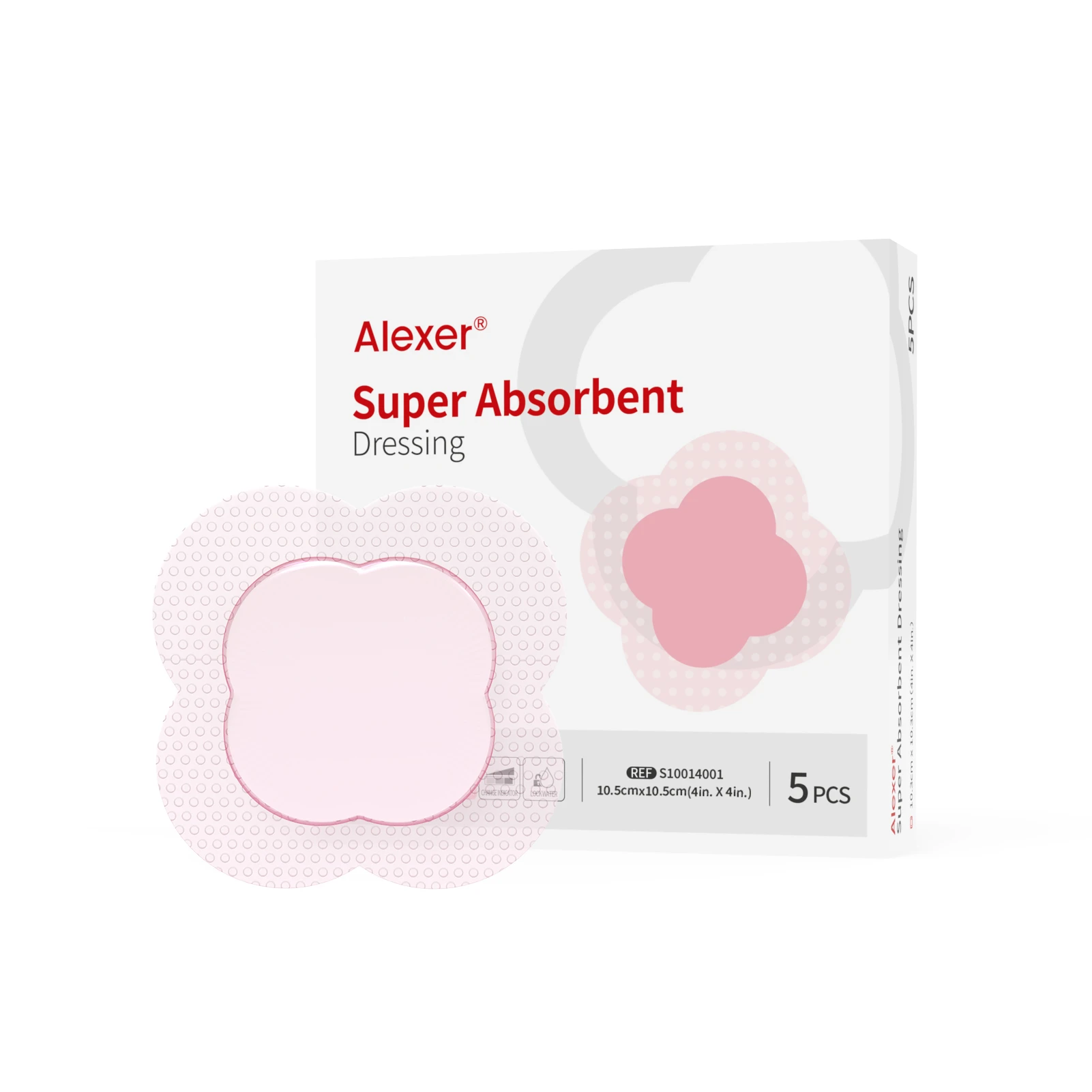
A silver foam dressing helps you take care of wounds. It uses special materials and silver to help healing. You often see this dressing on wounds that need more protection from germs. Many clinics pick it because it controls moisture and helps wounds heal.
-
Silver dressings are common in wound care clinics. They are used for wounds that stay dirty or infected.
-
These dressings fight many types of germs, even ones that do not respond to antibiotics.
-
People think they are simple to use and gentle to take off.
|
Benefit |
Description |
|---|---|
|
Infection control |
Silver lowers the number of bad germs on the wound. |
|
Healing support |
The foam keeps the wound wet and helps new skin grow. |
|
Comfort |
The dressing is soft and does not stick, so changes do not hurt. |
SLK Medical is a leader in this area. They make new products that focus on quality and patient comfort.
Key Takeaways
-
Silver foam dressings help stop infection in wounds. They also help wounds heal by keeping them moist.
-
These dressings are soft on the skin. They are good for people with sensitive skin. Children and older people can use them.
-
Change the dressing often to keep it working well. Change it every few days or sooner if it gets wet or dirty.
-
Pick the right dressing for the wound. Think about how wet the wound is and if there is a risk of infection.
-
Do not make mistakes like using the wrong size dressing. Do not leave the dressing on too long. This helps wounds heal better.
Silver foam dressing overview
What is a silver foam dressing
A silver foam dressing helps wounds heal faster and stay clean. It has a soft foam layer with silver particles inside. The foam soaks up extra fluid from the wound. The silver fights off germs that can cause infection. SLK Medical makes these dressings. Their Alexer® Silicone Foam Ag Dressing comes in two types. You can pick bordered or non-bordered, depending on what you need.
Each part of a silver foam dressing has a job. The structure helps the dressing work well:
|
Property |
Description |
|---|---|
|
Gives gentle support to protect the wound. |
|
|
Tensile strength |
Keeps the dressing strong while you use it. |
|
Bending stiffness |
Lets the dressing bend to fit your wound. |
|
Apparent density |
Helps the foam soak up wound fluid. |
|
Porosity |
Lets air and moisture move through the dressing. |
The foam layer helps new tissue grow. Silver nanoparticles protect the wound from infection.
How it works
When you put a silver foam dressing on a wound, the foam starts soaking up fluid right away. This keeps the wound moist but not too wet. The silver gets released when it touches the wound fluid. Silver ions attack bacteria in different ways:
|
Mechanism of Action |
Description |
|---|---|
|
Binding to Bacterial Components |
Silver ions stick to bacterial DNA and proteins, which kills the cell. |
|
Disruption of Cell Membranes |
Silver ions break the bacteria’s outer layer, making them burst. |
|
Inhibition of Enzyme Function |
Silver ions stop important bacterial enzymes from working. |
|
Prevention of Microbial Replication |
Silver ions stop bacteria from making more copies of themselves. |
|
Disruption of Energy Production |
Silver ions block bacteria from making energy, so the cell dies. |
This dressing covers and protects the wound. It also lowers the chance of infection. SLK Medical’s dressings work well for many kinds of wounds because of their design and materials.
Wound care applications

Types of wounds treated
Silver foam dressings can help many kinds of wounds. They give extra protection and help wounds heal better.
Acute wounds
Acute wounds happen after injuries or surgery. These wounds need fast care to stop infection and help healing. Alexer® Silicone Foam Ag Dressing works well for these wounds.
Chronic wounds
Chronic wounds heal slowly. Some examples are pressure ulcers, diabetic foot ulcers, and venous leg ulcers. Silver foam dressings keep wounds moist and fight infection. Studies show they help diabetic foot ulcers heal faster and get smaller.
Chronic wounds need special care. Silver foam dressings help control moisture and support healing.
Infected wounds
If a wound is infected or has tough bacteria, clean it first. Then use a silver foam dressing. This dressing lowers bacteria and swelling. It helps stop infection.
-
Check the wound after 14 days to see if it is healing.
-
Using them early may stop wounds from getting worse.
Surgical incisions
After surgery, wounds need to stay safe from germs. Silver foam dressings help lower infection risk and help healing.
Burns and abrasions
Silver foam dressings help burns and scrapes. They keep wounds moist and protect soft skin.
|
Clinical Scenario |
Description |
|---|---|
|
Hard-to-heal wounds managed with silver foam dressing |
|
|
Delayed Wound Healing |
Slow-healing wounds benefit from silver foam dressing |
|
Hard-to-Heal Wounds |
Silver foam dressing supports healing |
Patient groups
Silver foam dressings work for many people. The soft silicone layer in SLK Medical’s dressings is good for sensitive skin.
Patients with sensitive skin
Silver foam dressings help control fluid and protect weak skin. The soft feel makes changes less painful.
-
Keeps wounds moist for healing
-
Soft surface helps stop pain
Elderly patients
Older people often heal slowly. Silver foam dressings help wounds heal and lower infection risk.
Diabetic patients
People with diabetes can get wounds like foot ulcers. Silver foam dressings help lower bacteria and help wounds heal.
Bedridden or immobile patients
People who stay in bed can get pressure ulcers. Silver foam dressings help treat these wounds and help them heal.
Pediatric patients
Kids need dressings that do not hurt to change. Silver foam dressings with silicone make changes easier and less painful.
|
Study Focus |
Findings |
Population |
|---|---|---|
|
Effectiveness of silver dressings |
Pediatric patients |
|
|
Pain and distress during dressing changes |
Silicone layer lowers pain and trauma |
Pediatric patients |
|
Re-epithelialization rate |
Helps wounds heal faster |
Pediatric patients |
Silver foam dressing benefits

When you pick a silver foam dressing, you get many good things for wound care. These dressings use new technology and are made to help patients feel better. Here are the main benefits you will see.
Antimicrobial action
You want to keep wounds safe from infection. Silver dressings help because they have antimicrobial power. The silver ions in the dressing attack bacteria in different ways. They break cell walls, stop bacteria from making energy, and keep them from growing. This strong action helps lower infection risk, especially for wounds that heal slowly.
-
Silver dressings are not always better than other antimicrobial dressings.
-
Some nonwoven and gauze dressings can lower bacteria faster in the first two days.
-
More silver in a dressing does not always mean it works better.
Still, silver foam dressings are a good way to fight bacteria in wounds. They block tough germs, even ones that do not respond to antibiotics. This makes them a good choice for wounds that might get infected.
Moisture management
Keeping the right amount of moisture is important for healing. Silver foam dressings help you do this. The foam soaks up extra fluid but keeps the wound moist. This moist place helps wounds heal and lowers pain.
|
Feature |
How It Helps You and the Patient |
|---|---|
|
Water Vapor Transmission Rate |
Stops the wound from getting too dry or too wet |
|
Helps wounds heal faster, lowers pain, and helps stop scars |
|
|
High Absorption and Retention |
Handles wound fluid better than many other foam dressings |
|
Improved Healing Quality |
Less swelling and better new tissue |
These dressings work well for wounds with a lot of fluid. The waterproof top also keeps out water and germs from outside.
Comfort and pain reduction
Comfort is important for everyone. Silver foam dressings are made to be soft and gentle. The silicone layer sticks softly to the skin and does not pull or hurt. When you take off the dressing, it does not harm the wound or skin.
-
Many people say they feel less pain when changing silver dressings.
-
Reviews show that bordered foam dressings with silver are more comfortable.
-
Studies compare dressings and find that silver foam dressings often hurt less.
The gentle design means you do not need to change the dressing as much. This helps patients feel less stress and more comfort while healing.
Tip: The silicone layer makes it easier and less painful to change dressings, especially for people with sensitive skin.
Wound healing support
You want wounds to heal fast and safely. Silver foam dressings help wounds heal in many ways. They keep wounds moist, protect from infection, and lower pain. These things help wounds close faster and lower the chance of problems.
|
Study Type |
Findings |
|---|---|
|
Silver dressings help wounds heal faster and lower infection rates |
|
|
Comparative Study |
Infection rates in burns for kids stay low with silver foam dressings |
|
Healing Time |
Wounds heal in about 13 days on average with these dressings |
Silver dressings also block tough bacteria like MRSA. Some studies show they help new blood vessels grow and lower swelling. This means wounds heal better, even if they are hard to treat.
When you use a silver foam dressing, you give patients antimicrobial protection, moisture control, comfort, and strong healing support. These benefits make silver dressings a smart choice for many wounds.
Foam dressing best practices
Selection tips
You want to choose the right foam dressing for each wound. Look at the wound type, how much fluid it makes, and where it is on the body. Foam dressings work well for wounds over bony areas and for wounds that need moisture. You can use silver foam dressing for wounds that need extra infection protection. If you see a lot of fluid, pick a dressing that absorbs well. For wounds with less fluid, you may need to add a bit of saline. Some wounds need a secondary dressing to keep the foam dressing in place.
-
Foam dressings help with wound healing by keeping the area moist.
-
They work for many wounds, like venous leg ulcers and burns.
-
You can use antimicrobial foam dressings to prevent infection and help healing.
-
Bordered foam dressings stick better and work well for surgical wounds or pressure ulcers.
|
Bordered Foam Dressings |
Non-Bordered Foam Dressings |
|
|---|---|---|
|
Adhesive Borders |
Yes |
No |
|
Wound Types |
Many, including burns and ulcers |
Used for special applications |
|
Primary Dressing |
Yes |
Sometimes |
|
Secondary Dressing Needed |
No |
Often |
|
Antimicrobial Option |
Yes |
Sometimes |
Application steps
You need to follow the right steps for proper wound care. First, wash your hands and clean the wound. Dry the skin around the wound. Pick a foam dressing that fits the wound size. Place the dressing over the wound so it covers the edges. Smooth it down gently. If you use a non-bordered dressing, add a secondary dressing or wrap to keep it in place. Make sure the dressing fits well to help with healing and protection.
Tip: Always check the wound for signs of infection before you apply a new dressing.
Change frequency
You should change the foam dressing when it gets full of fluid or at least every few days. Some antimicrobial foam dressings last up to seven days. If the wound leaks or the dressing moves, change it sooner. Regular changes help with wound healing and lower the risk of infection. Always check the wound during each change to see how it is healing.
Precautions
You must take care when using foam dressings. Do not use silver foam dressing if you know the patient has a silver allergy. If you see redness, swelling, or a rash, stop using the dressing and talk to a healthcare provider. Foam dressings are safe for most people, but always watch for signs of sensitivity. Good wound management means checking for allergies and making sure the dressing helps with healing and protection.
Mistakes to avoid
When you use silver foam dressings, you want to avoid common mistakes that can slow down wound healing or cause harm. Paying attention to how you use these dressings helps you get the best results for every wound.
Incorrect use
You should always follow the instructions for each dressing. If you use the wrong size or do not cover the wound fully, you may not protect the area well. Sometimes, people leave the dressing on too long or do not change it when it gets too wet. This can lead to poor healing and even infection.
-
Do not use silver foam dressings on wounds that do not need antimicrobial action.
-
Always check for allergies before you apply the dressing.
-
Never use a dressing that is too small for the wound.
Note: Using silver foam dressings the wrong way can cause silver to build up in the body. This may lead to health problems like leukopenia, which lowers white blood cells, or argyria, which causes skin discoloration. These risks are higher in people with weak immune systems.
Overuse and underuse
You need to find the right balance when using silver foam dressings. If you use them too often, you may expose the wound to too much silver. This can slow healing and cause side effects. If you do not use them enough, the wound may not get the protection it needs.
|
Mistake |
Possible Result |
|---|---|
|
Overuse |
Silver toxicity, delayed healing |
|
Underuse |
Poor wound protection, slow healing |
Change the dressing as recommended. Watch the wound for signs of progress. If you see no improvement, talk to a healthcare provider.
Compatibility issues
Some dressings do not work well with certain creams or ointments. If you use products that block the foam, the dressing cannot absorb fluid or help with healing. Always check if your wound care products work together.
-
Avoid using petroleum-based ointments with silver foam dressings.
-
Make sure the dressing fits the wound and does not overlap healthy skin too much.
By avoiding these mistakes, you help the wound heal faster and lower the risk of problems. Careful use of silver foam dressings supports safe and effective healing.
You are important in wound care because you pick the right dressing. Silver foam dressings help wounds heal quicker and lower the chance of infection. Studies show that sustained-release silver foam dressings make ulcers 45% smaller and need fewer changes than other dressings.
|
Dressing Type |
Ulcer Size Reduction |
Change Frequency |
|---|---|---|
|
Sustained-release silver foam dressing |
45% |
Less frequent |
|
Non-active foam dressing |
25% |
More frequent |
|
Local best practice |
30% |
N/A |
|
Aquacel Ag |
23.9% |
N/A |

SLK Medical’s special dressings help you and your patients get better results. Always use the best steps and talk to a healthcare provider if you have a special case.
FAQ
How long can you leave a silver foam dressing on a wound?
You can leave most silver foam dressings on for up to 7 days. Check the dressing often. Change it sooner if it gets wet, dirty, or starts to peel off.
Can you use silver foam dressings on burns?
Yes, you can use silver foam dressings on burns. They help keep the burn moist and protect it from germs. You should ask your doctor before using them on deep burns.
Are silver foam dressings safe for children?
Silver foam dressings are safe for children. The soft silicone layer makes changes less painful. Always check with your healthcare provider before using any new dressing on a child.
What should you do if the skin gets red or itchy under the dressing?
If you see redness or itching, remove the dressing right away. Clean the area gently. Talk to your healthcare provider before using the dressing again.
Do silver foam dressings work for wounds with a lot of fluid?
Yes, silver foam dressings absorb extra fluid well. They keep the wound moist but not too wet. This helps the wound heal faster and lowers the risk of infection.