


You can manage wounds more effectively by using a silicone foam dressing from SLK Medical. Chronic wounds affect millions of people in the U.S., and proper wound care helps improve healing rates. The Silicone Foam Dressing with Border – Skin Color absorbs exudate, reduces pain during changes, and keeps the wound protected. Clinical studies show foam dressing speeds up healing and lowers discomfort. SLK Medical focuses on quality and innovation, making the process easy for you.
Tip: Select a foam dressing that fits your wound and follow each step for the best results.
Benefit | Result |
|---|---|
Absorbs exudate | Fewer dressing changes needed |
Gentle silicone contact | Less pain and trauma during removal |
Moist wound environment | Faster and more effective healing |
Key Takeaways
Choose the right size and shape of the foam dressing. It should extend 2-3 cm beyond the wound edges for full coverage.
Clean the wound gently before applying the dressing. This step reduces infection risk and helps the dressing adhere better.
Monitor the dressing daily for signs of saturation or looseness. Change it if exudate reaches the edge or if it becomes loose.
Use gentle techniques when applying and removing the dressing. This approach minimizes pain and protects sensitive skin.
Consult a healthcare professional if you notice signs of infection or if the wound does not improve. Early action can prevent complications.
SLK Medical and wound care
Brand overview
SLK Medical stands out as a leader in advanced wound care. You benefit from their commitment to innovation and patient comfort. The company offers a wide range of products designed for different wound types and healing needs. Their D-Pore™ technology improves fluid absorption and breathability, making each dressing more effective. SLK Medical’s mission is to empower you with high-quality solutions that support faster healing and reduce pain.
Description | |
|---|---|
Silicone Foam Dressing | For moderate to highly exudating wounds, optimal absorption and skin protection. |
Silicone Post-Op Dressing | Manages post-surgical wounds with moderate to high exudate. |
Hydrocolloid Dressing | Absorbs exudate for non-chronic wounds. |
Super Absorbent Dressing | Handles heavy exudate, including ulcers and diabetic wounds. |
Silicone Wound Contact Layer | Soft mesh layer for exudate transfer. |
Silicone Scar Sheets & Gel | Smooths and fades scars after surgery or trauma. |
Silicone Tape & Medical Tape | Secures dressings and devices, gentle for sensitive skin. |
Transparent & Alginate Dressings | Protects wounds and uses seaweed elements for absorption. |
Gelling Fiber Dressing | Maintains a moist wound environment for healing. |
D-Pore™ Technology | Enhances absorption and comfort. |
Product features
The Silicone Foam Dressing with Border – Skin Color gives you several advantages for wound care. You can use it for pressure ulcers, diabetic foot ulcers, burns, and skin tears. The multi-layer design combines soft polyurethane foam and a super-absorptive water-locking layer. This structure increases wound exudate absorption and reduces how often you need to change the dressing. The improved water-locking performance keeps the wound moist, which helps healing and lowers infection risk. You also save on nursing costs because fewer dressing changes are needed.
How to choose the right size
Select a dressing that extends 2-3 cm beyond the wound edges. This ensures full coverage and secure adhesion.
Match the dressing shape to the wound area. Choose square, rectangular, or oval foam dressings for the best fit.
For irregular wounds, pick a larger silicone foam dressing and trim the edges if needed. Keep the adhesive border intact.
If you feel unsure, ask a healthcare professional for help with sizing.
How to prepare the wound
Wash your hands with soap and water or use hand sanitizer.
Gather supplies: silicone foam dressing, sterile gloves, wound cleanser or saline, and clean gauze.
Gently clean the wound with wound cleanser or sterile saline to remove debris and exudate.
Pat the wound and surrounding skin dry with sterile gauze.
Check the wound for signs of infection before you apply the dressing.
How to apply the foam dressing
Remove the silicone foam dressing from its sterile package. Avoid touching the adhesive border.
Peel off the protective film from the adhesive side.
Center the foam pad over the wound. Make sure the absorbent side faces the wound bed.
Press the adhesive border onto the skin. Smooth out wrinkles for a secure fit.
Do not stretch the dressing during application.
How to monitor and determine when to change
Inspect the dressing every day for saturation, leakage, or detachment.
Change the silicone foam dressing if exudate reaches the edge of the foam pad or if it becomes loose.
Follow your healthcare provider’s advice for changing frequency, usually every 3-7 days.
Watch for signs of infection, such as redness, swelling, odor, or pain. Seek medical advice if you notice these.

How to remove the foam dressing
Wash your hands and wear gloves.
Gently lift one corner of the dressing. Slowly peel it back, supporting the skin.
If the dressing sticks, moisten it with sterile saline to ease removal.
Dispose of the used dressing according to local guidelines.
Reassess the wound and repeat cleaning and application as needed.
Frequently Asked Questions (FAQ)
What should you do if the dressing becomes wet or soiled? Replace it right away to protect the wound.
Can you shower with the dressing on? Most silicone foam dressings resist water. Use a waterproof cover for extra protection.
How do you know if you need a different size? If the dressing does not cover the wound with a 2-3 cm margin, choose a larger size.
What are the signs that you should contact a healthcare professional? Look for increased redness, swelling, odor, or pain.
Is the dressing suitable for sensitive skin? Yes, the silicone contact layer is gentle and self-adhesive.
How should you store unused dressings? Keep them in a cool, dry place, away from sunlight.
Can the dressing be cut to fit smaller wounds? Yes, but keep the adhesive border intact.
What if the dressing causes irritation or discomfort? Remove it and consult your healthcare provider.
Prepare foam dressing
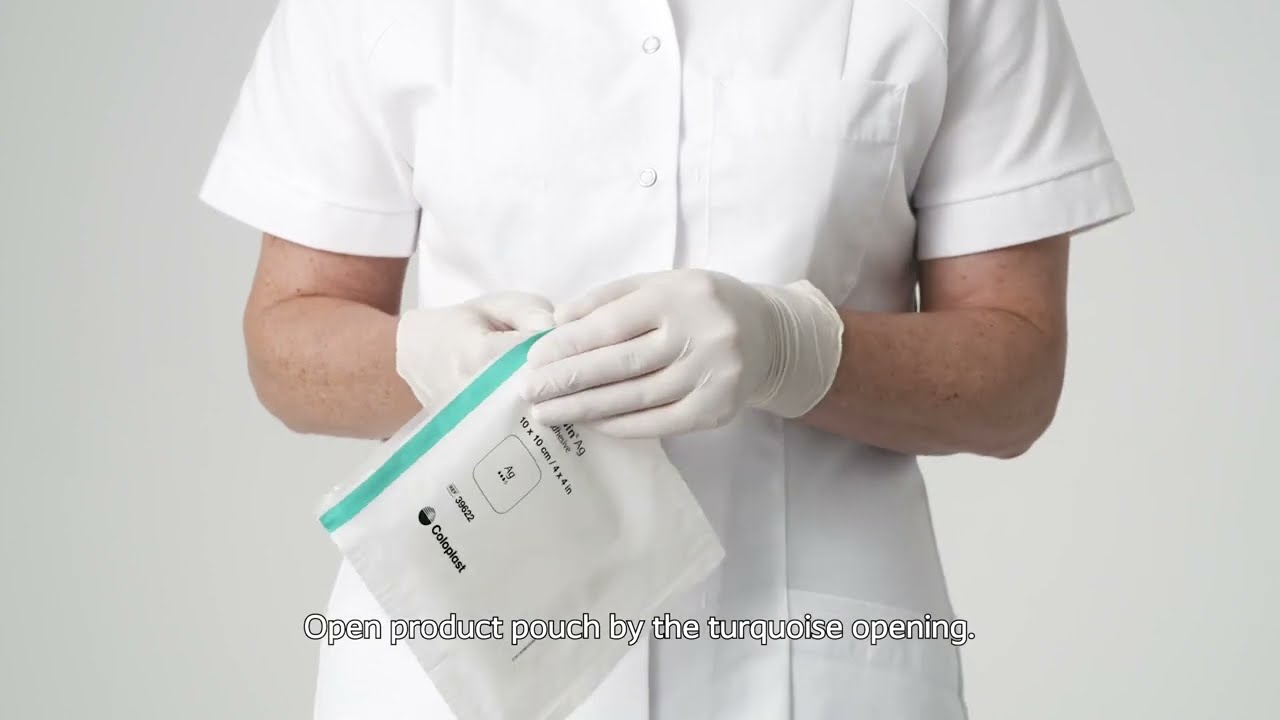
Gather supplies
You need to gather supplies before you start caring for your wound. This step helps you work efficiently and keeps the process safe. Make sure you have everything ready so you do not interrupt the dressing change. Here is a list of essential items for applying a foam dressing:
Clean gloves
Wound cleanser
Gauze pads
SLK Medical Silicone Foam Dressing with Border – Skin Color
Store your silicone foam dressing at 23°C (73°F) and maintain 50% relative humidity. Keep the dressing in its original packaging and out of direct sunlight. The shelf life is three years, so check the expiration date before use.
Tip: Always gather supplies before you begin. This habit reduces the risk of contamination and makes the dressing process smoother.
Clean wound
You must clean the wound to lower the risk of infection and help the foam dressing work effectively. Research shows that cleansing open wounds with drinkable tap water works well, especially for contaminated wounds. You should avoid disinfectants because they can harm the skin and slow healing. Antiseptics may help later in the healing process if the wound shows signs of local infection.
Evidence Source | Key Findings |
|---|---|
WOCN Fact Sheet (2011) | Clean techniques are preferred for routine dressing changes. |
Kent et al. (2018) | No difference in infection rates between clean and sterile techniques. |
CDC Guidelines | Only post-surgical wounds need sterile dressings in the operating room. |
Cost-Effectiveness | Clean technique is more cost-effective and uses fewer resources. |
Use clean gloves and a wound cleanser to gently cleanse area around the wound. Pat the skin dry with gauze pads. You should clean the wound every time you change the foam dressing.
Dry and assess
After you clean the wound, you need to dry and assess the area. Use sterile gauze pads to gently pat the wound and surrounding skin until dry. This step helps the silicone foam dressing stick better and prevents moisture from causing skin problems. Look at the wound for signs of infection, such as redness, swelling, or odor. If you see any of these, contact your healthcare provider. Make sure the foam dressing you choose covers the wound with a 2-3 cm margin for best protection.
Note: Drying and assessing the wound before applying a silicone foam dressing helps you spot problems early and ensures the dressing stays in place.
Place dressing

Select size
You need to choose the right foam dressing before you begin the application. The correct size and shape help you cover the wound completely and keep the dressing in place. You should select a silicone foam dressing that extends at least two centimeters beyond the wound edges. This extra margin protects the skin and helps the dressing stay secure. You can find foam dressings in different shapes, such as square, rectangular, or oval. Each shape fits a specific wound location. Flexible dressings work best for joints or curved areas because they reduce gaps and improve comfort. You should also match the dressing size to the wound dimensions to manage exudate effectively.
Criteria | Explanation |
|---|---|
Wound Size | The dressing should cover the wound and extend at least two centimeters beyond the edges. |
Wound Shape | Dressings come in various shapes (square, rectangular, oval) to fit different wound locations. |
Wound Location | Flexible dressings are better for joints or curved areas to reduce gaps. |
Exudate Level | Match dressing size to wound dimensions to manage exudate effectively. |
Antimicrobial Needs | Consider if antimicrobial properties are necessary based on the wound type. |
Tip: If you feel unsure about the size or shape, ask a healthcare professional for advice. The right foam dressing helps you achieve better healing and comfort.
Apply silicone foam dressing
You need to follow a step-by-step process for the application of the silicone foam dressing. This process ensures that the dressing adheres well and protects the wound. Begin by washing your hands and putting on gloves. Clean the wound gently with saline and dry the skin around the wound. Check the wound and surrounding skin for any changes. Gather all dressing supplies before you start the application.
Remove the backing from the foam dressing. Avoid touching the part that will go on the wound.
Place the soft, absorbent side of the foam directly over the wound.
Smooth the dressing from the center outward. This action removes air bubbles and wrinkles.
Make sure the dressing lies flat and covers the wound completely.
Secure the foam dressing properly to keep it in place.
You should use gentle pressure during the application. This step helps the silicone foam dressing adhere to the skin and prevents gaps. The foam layer absorbs exudate and keeps the wound moist, which supports healing.
Note: Always check that the dressing covers the wound with a two-centimeter margin. This coverage helps prevent leakage and protects the skin.
Secure dressing
You need to secure dressing to maintain protection and comfort. The silicone layer in the foam dressing adheres gently to the skin. This gentle adhesion lowers the risk of skin tears and makes the dressing ideal for sensitive skin. You can remove the dressing with minimal pain, which helps you avoid trauma during dressing changes.
Silicone foam dressings use a soft silicone layer that sticks gently to the skin and minimizes pain during removal.
The gentle adhesion reduces the risk of skin tears, making it suitable for patients with sensitive skin.
Clinical trials show that silicone foam dressings lower the risk of new pressure ulcers by 41%.
Silicone dressings limit skin damage and trauma during removal.
These dressings stick to dry skin but do not adhere to moist wound beds, which benefits sensitive skin.
You should check the dressing after application to make sure it stays in place. The foam dressing provides comfort and protection for the wound. The silicone adhesive keeps the dressing secure without causing irritation.
Tip: If you notice the dressing lifting or shifting, press the edges gently to reseal. The silicone foam dressing is designed for easy adjustment and reliable adhesion.
Remove foam dressing
When to change
You need to know when to change your foam dressing to support healing and prevent complications. Most silicone foam dressings can stay in place for three to seven days. The exact wear time depends on the wound’s size, location, and how much fluid it produces. You should check the dressing every day. If you see the foam saturated or notice leakage, you must replace the dressing. Follow the manufacturer’s guidelines and your healthcare provider’s advice for changing frequency.
Most dressings last between 3 to 7 days.
Change the foam dressing if exudate reaches the edge or if the dressing becomes loose.
Adjust the schedule based on wound characteristics and exudate levels.
Tip: Regular inspection helps you catch problems early and keeps the wound protected.
Removal tips
Removing a silicone foam dressing requires care to avoid pain and skin damage. Start by washing your hands and wearing clean gloves. You can moisten the edges of the dressing with sterile saline to reduce adhesion. If the foam sticks, use a medical adhesive remover. Gently lift one corner and peel the dressing back slowly. Support the skin as you remove the foam. Never rush or pull the dressing off without loosening it first.
Wash hands and sterilize tools before removal.
Moisten the edges to make removal easier.
Use adhesive remover if needed.
Lift the dressing gently to minimize discomfort.
Take your time and avoid pulling the foam dressing quickly.
Note: Gentle removal protects sensitive skin and reduces trauma during dressing changes.
Monitor wound
After you remove the foam dressing, you must check the wound for signs of healing or problems. Look for increased pain, redness, or swelling. Persistent drainage, bleeding, or a foul odor may signal infection. If you notice dark or blackened skin around the wound, contact your healthcare provider. Chronic wounds last longer than three weeks and need special attention. If your wound does not improve within a few days or fails to heal in two weeks, seek medical advice.
Signs to Watch | What to Do |
|---|---|
Consult your provider | |
Persistent drainage or odor | Monitor and seek help if needed |
Contact a wound care specialist | |
Dark or blackened skin | Get medical attention |
Alert: If you see any warning signs, act quickly to protect your health.
Choose silicone foam dressing
Match to wound type
You need to match the right silicone foam dressing to your wound for the best healing results. Each wound has unique needs. You should look at drainage, size, shape, and location before you choose a dressing. The SLK Medical Silicone Foam Dressing with Border – Skin Color works well for many wounds, including pressure ulcers, diabetic foot ulcers, and burns. The table below helps you decide which dressing features fit your wound:
Factor | Description |
|---|---|
Drainage Level | Use thicker foam for heavy drainage. Choose thinner foam for light or moderate exudate. |
Wound Size and Shape | Large wounds need bigger dressings. Some dressings can be trimmed for odd shapes. |
Location | Use adhesive dressings for areas that move. Pick non-adhesive for sensitive skin. |
Signs of Infection | Select antimicrobial dressings for infected wounds or those at risk of contamination. |
Tip: Always check the wound’s drainage and location before you pick a silicone foam dressing.
Sizing tips
Choosing the right size of dressing helps you cover the wound and protect the skin. You should select a dressing that extends 2-3 centimeters beyond the wound edges. This extra space keeps the wound sealed and prevents leaks. The table below gives you more tips for picking the right foam dressing:
Factors to consider | What to look for in the dressing |
|---|---|
Exudate level | For medium or high exudate, use a dressing that absorbs and locks in fluid. For low exudate, pick a thin foam. |
Condition of wound and skin | For fragile skin, use a silicone adhesive or non-adhesive dressing to avoid damage. |
Wound depth | For deep wounds, fill the cavity with alginate or gelling fiber, then cover with foam. |
Location on the body | The wound’s spot affects the dressing’s size, shape, and adhesive strength. |
Wound infection or pain | For infected wounds, use antimicrobial foam. For pain, try a foam dressing with pain relief. |
Wear time | Choose a dressing that lasts longer to save time and costs. |
Note: If you feel unsure about the size or type, ask a healthcare professional for help.
Consult professionals
You should talk to a healthcare professional if you have questions about wound care or dressing selection. Some wounds need special care and expert advice. You may need to consult a professional if:
You have an infected, chronic, surgical, or traumatic wound.
The wound does not heal or gets worse.
You see signs of infection, like redness, swelling, or odor.
You feel pain that does not go away.
You need help choosing the right silicone foam dressing for your wound type or stage.
A professional can help you choose the best dressing and guide you through each step. This support ensures you get the best results from your silicone foam dressing.
Tips for better healing
Avoid mistakes
You can improve healing and patient comfort by avoiding common mistakes with silicone foam dressings. Many people make errors that slow recovery or cause discomfort. You should pay attention to these points:
Do not use a stiff sacral foam dressing under compression therapy. This can leave skin imprints and cause inflammation.
Make sure you receive enough training before applying silicone dressings. Lack of training increases the risk of pressure ulcers.
Always include sacral foam dressings in your daily care routine. Skipping this step can hinder wound healing.
Tip: Consistent use of silicone foam dressings and proper technique help you achieve better patient comfort and faster healing.
Evidence Type | Description |
|---|---|
Healing Time Reduction | Mean healing time dropped from 269 days to 139 days after best practices. |
Cost Reduction | Treatment cost per patient decreased from SEK 38,000 to SEK 20,500. |
Infection Rate Improvement | Infection rate fell from 12% to 6% with systematic changes in care. |
Comfort tips
You can maximize patient comfort and healing by following these tips when using silicone foam dressings:
Keep the wound moist. Moisture reduces pain and makes the healing process easier for you.
Use the gentle silicone adhesion. This feature lowers pain and prevents skin damage during dressing changes.
Choose soft and flexible silicone-bordered dressings. These dressings fit any body part and protect healing tissues.
Note: Silicone foam dressings provide patient comfort by minimizing pain and supporting sensitive skin.
Signs to watch
You need to monitor the wound closely when using foam dressings. Loss of important cells and increased infection risk can occur if you do not check the wound often. Watch for these signs:
Redness
Swelling
Pus
If you see any of these symptoms, contact your healthcare provider. Early detection helps you prevent complications and maintain patient comfort.
Alert: Regular monitoring of the wound and dressing ensures patient comfort and supports healing.
You can achieve better healing by following each step for SLK Medical Silicone Foam Dressing with Border – Skin Color. Proper application and removal offer many benefits:
Improved comfort for sensitive skin
Scar reduction and moist wound healing
Protection against infection
Choose the right size and shape.
Clean and assess the wound.
Apply and secure the dressing.
Monitor and change as needed.
Patients and clinicians report faster healing and fewer complications. You can trust SLK Medical for advanced wound care and lasting benefits.
FAQ
What should you do if the dressing gets wet or dirty?
Replace the foam dressing right away. Wet or soiled dressings can let bacteria enter the wound. Clean the area and apply a new SLK Medical Silicone Foam Dressing for best protection.
Can you shower while wearing the foam dressing?
You can shower with the dressing on. The waterproof backing keeps water out. For extra safety, cover the dressing with a plastic wrap or waterproof shield during showers.
Tip: Always check the dressing after showering to make sure it stays secure.
How do you know if you need a different size?
Check if the foam dressing covers the wound with a 2-3 cm margin. If the dressing does not fit or leaves skin exposed, choose a larger size. You can trim the dressing, but keep the adhesive border intact.
What signs mean you should contact a healthcare provider?
Watch for redness, swelling, pain, or a bad smell from the wound. If you see pus or the wound does not heal, call your healthcare provider. These signs may show infection or other problems.


