


You need a wound dressing that protects and heals together. SLK Medical’s foam ag dressing uses advanced foam and antimicrobial silver. This special design helps wounds heal quicker and stops infections. It gives comfort for sensitive skin and strong protection for chronic wounds. SLK Medical focuses on new ideas and patient care, so you get a safer way to heal.
Key Takeaways
-
Foam Ag dressings help wounds heal faster. They keep the area moist, which helps new tissue grow. The silver in the foam stops germs from causing infections. This lowers the chance of problems in wounds that take a long time to heal. Soft silicone layers make the dressing comfortable for sensitive skin. Changing the dressing does not hurt as much and is less scary. Foam dressings soak up extra fluid well. This stops leaks and keeps the skin from getting too wet. It helps the wound stay healthy. These dressings work for many kinds of wounds. They can be used for burns, ulcers, and wounds from surgery.
What Sets Foam Ag Dressing Apart
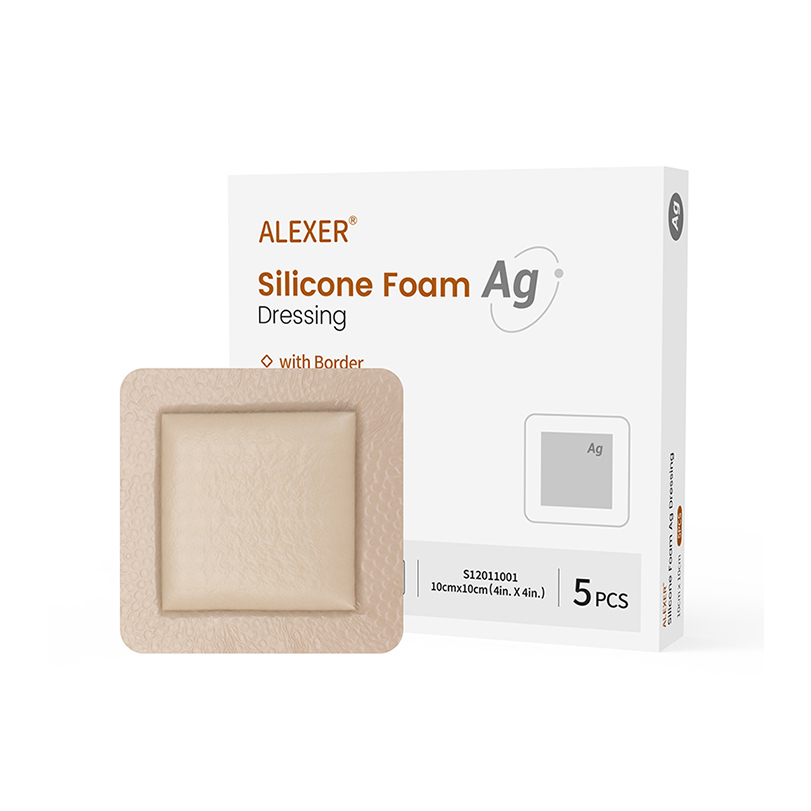
Unique Composition & D-Pore™ Technology
You want a foam dressing that works for many types of wounds. SLK Medical’s foam ag dressing comes in bordered and non-bordered options. Each foam dressing uses a special D-Pore™ technology. This design helps the foam absorb exudate quickly and lets air reach the wound. You get better breathability, which helps wound healing. The foam structure supports the wound and keeps it safe from outside germs. The gentle silicone contact layer sits softly on your skin. You can remove the foam dressing without pain or damage, even if your skin is sensitive.
D-Pore™ technology makes foam dressings more breathable. Oxygen can reach the wound, which helps cells grow and heal. The foam also blocks bacteria, so you get safer wound care.
Moisture Management with Advanced Foam Structure
Foam dressings keep the wound moist but not too wet. The foam absorbs extra fluid and stops it from leaking back onto the wound. This keeps the wound in a moist wound environment, which helps new tissue grow. The foam structure moves fluid away from the wound bed and locks it inside. You avoid problems like maceration, which happens when skin gets too wet. The foam dressing protects the wound from outside moisture and keeps the area clean.
Here is a table showing how foam ag dressing compares to other foam dressings:
|
Feature |
Description |
|---|---|
|
Moist Environment |
Foam dressings create a moist wound environment for better healing. |
|
Exudate Absorption |
Foam absorbs fluid and prevents backflow to the wound bed. |
|
Layer Structure |
Foam dressings have layers for absorption, protection, and comfort. |
|
Fluid Handling |
Advanced foam designs move fluid away and lock it inside. |
Infection Control through Antimicrobial Silver Ions
You need strong protection against infection. Foam ag dressing uses silver ions in the foam layer. Silver fights bacteria and lowers the risk of infection in chronic wounds. The antimicrobial effect lasts up to seven days. Silver ions break down bacterial cell walls and stop germs from growing. This helps wounds heal faster and keeps the wound clean.
Clinical studies show that silver in foam dressings helps wounds heal better. Silver nanoparticles reach deep into biofilms and lower inflammation. You get faster wound healing and less pain. Foam dressings with silver protect against many types of bacteria. The foam keeps the wound safe from outside germs and supports healthy tissue growth.
Here is a table with findings from clinical studies:
|
Study |
Findings |
|---|---|
|
Choi et al. |
Silver nanoparticles penetrate biofilm and improve bacterial control. |
|
Tian et al. |
Silver lowers inflammation and helps wounds heal early. |
|
Singla et al. |
Silver improves tissue growth and speeds up wound healing. |
Foam ag dressing gives you a moist wound environment, strong absorption, and antimicrobial protection. You get safer wound care and better healing for sensitive and chronic wounds.
Benefits for Safer Healing
Infection Prevention
You need to keep wounds safe from germs. Foam dressings with antimicrobial silver help stop bacteria from spreading. The foam soaks up fluid and holds bacteria inside. This keeps the wound clean. The waterproof layer stops outside germs from getting in. Silver in the foam kills bacteria, yeasts, and molds. This lowers the chance of infection and cross-contamination in hospitals and clinics.
Foam ag dressing helps prevent infections. You can use it for burns, chronic wounds, and after surgery. Studies show these dressings lower surgical site infections and help patients heal better. One study showed 90% of wounds with silver foam dressings had no infection.
|
Study Title |
Findings |
|---|---|
|
Comparative efficacy of advanced and traditional wound dressings in post-operative orthopaedic care for hip and knee surgeries |
Advanced wound dressings, like foam ag dressing, lower surgical site infections and help patients heal better than regular dressings. |
-
Silver foam dressings help wounds heal faster.
-
There are fewer infections after surgery.
-
The foam blocks bacteria and viruses.
Moisture Balance
Wounds need the right amount of moisture to heal. Foam dressings keep wounds moist but not too wet. The foam soaks up extra fluid and keeps it inside. This stops problems like maceration, which happens when skin gets too wet. The foam helps new tissue grow and wounds heal faster.
|
Evidence Description |
Key Points |
|---|---|
|
Moist Wound Environment |
A moist wound helps healing, growth, and cleaning. |
|
Absorptive and Occlusive Properties |
Foam dressings can be used for wounds with lots or little fluid to keep moisture balanced. |
|
Clinical Applications |
Foam dressings help heal pressure injuries, diabetic foot ulcers, and venous ulcers. |
|
Antimicrobial Properties |
Foam dressings can have silver to fight infection and keep moisture. |
|
Fluid Retention |
Foam dressings hold fluid well, so you change them less and healing is not disturbed. |
-
Foam dressings help with wounds that leak a lot.
-
You can use foam for pressure injuries, diabetic foot ulcers, and venous ulcers.
-
The foam keeps wounds moist, so cells can grow and repair.
-
You do not need to change the dressing as often.
Comfort for Sensitive Skin
You want wound care that feels soft and safe. Foam dressings use gentle silicone layers that rest lightly on your skin. The foam does not stick to wounds, so you can take it off without pain. The foam protects delicate skin and lowers the risk of damage when you change dressings. You get comfort and less pain, even if your skin is sensitive.
-
Patients feel less pain with foam dressings that have silicone.
-
The foam lowers irritation and keeps the wound calm.
-
You see less redness and swelling near the wound.
-
The foam makes changing dressings easier and less stressful.
Clinical trials show foam dressings with soft silicone cause less pain when removed. You feel more comfortable and have less wetness around the wound. Foam dressings help you heal without extra pain.
Foam dressings help you heal safely. You get strong infection protection, balanced moisture, and gentle care for sensitive skin. You can use foam for burns, chronic wounds, and after surgery. The foam helps wounds heal and makes wound care easier for you.
Comparing Foam Dressings
SLK Medical vs. Standard Foam Dressings
You want the best results for wound healing. SLK Medical’s foam dressings give you an edge over standard foam dressings. The foam ag dressing uses advanced silicone and silver technology. This combination helps wounds heal faster and keeps the area safe from germs. The foam absorbs exudate quickly and locks it away. You get less risk of maceration and better comfort for your skin.
Look at this table to see how healing rates compare:
|
Dressing Type |
Healing Rate at 3 Weeks |
Intention-to-Treat Healing Rate |
|---|---|---|
|
Adhesive Silicone Foam Dressing |
69% |
|
|
Meshed Silicone Interface Dressing |
59% |
42% |
You can see that foam dressings with silicone help wounds heal faster. The foam structure supports the wound and keeps it moist. You get better results in less time.
Foam dressings also manage exudate better than other types. The foam absorbs fluid and keeps the wound dry. Here is a chart that shows how foam dressings compare to hydrocolloid dressings:
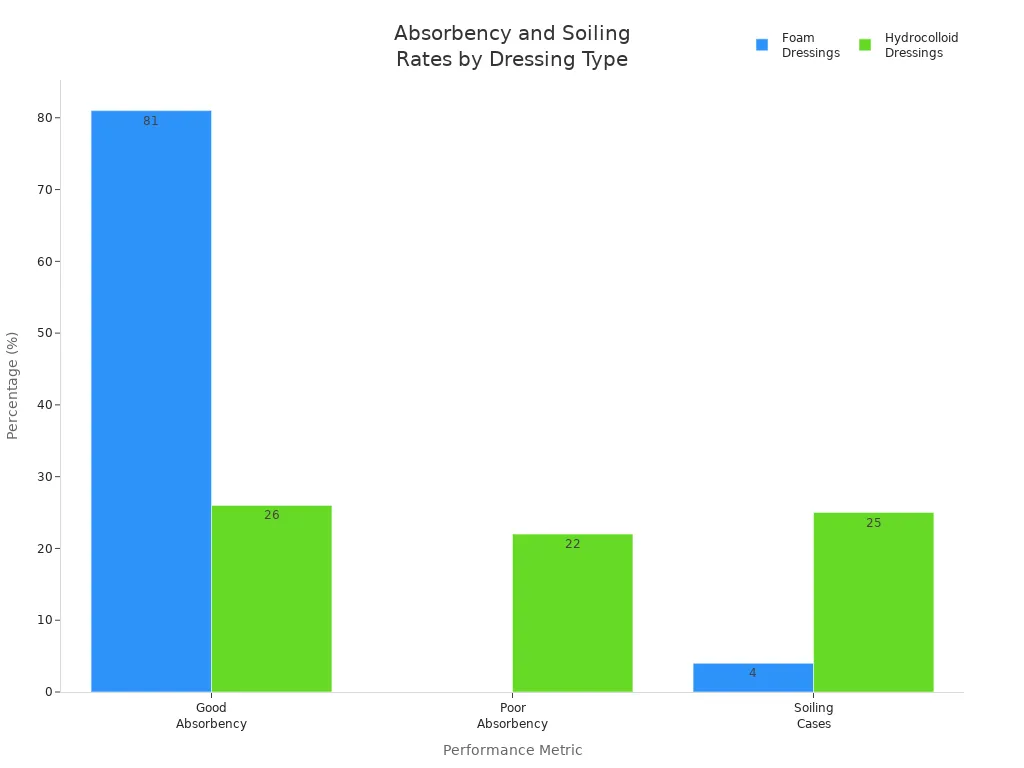
Foam dressings show higher absorbency and fewer soiling cases. You get cleaner wounds and less mess.
Advantages Over Gauze and Non-Silver Options
You want wound care that works. Foam dressings beat traditional gauze in many ways. Foam dressings help wounds heal faster and give higher cure rates. You do not need to change the foam as often, so you feel less pain and stress. The foam keeps the wound moist and safe from outside germs.
-
Foam dressings work better than gauze for pressure injuries and other wounds.
-
You see shorter healing times and better results.
-
Fewer dressing changes mean less discomfort for you and less work for nurses.
Foam ag dressing adds even more value. The silver in the foam fights bacteria and lowers infection risk. The silicone layer makes removal gentle and painless. You get safer, faster wound healing with less worry.
Foam dressings from SLK Medical give you advanced wound care. You get strong protection, comfort, and better healing for every wound.
Who Benefits Most
Ideal Wound Types
You want foam dressings that work for many wound types. Foam dressings help with wounds that leak fluid, like leg ulcers, pressure injuries, and diabetic foot ulcers. You can use foam for burns, surgical wounds, and trauma wounds. Foam dressings protect wounds from outside germs and keep the area moist. This helps wound healing happen faster. Foam dressings also work well for wounds that need extra comfort, especially if your skin is sensitive.
Foam dressings have a special structure. Foam absorbs fluid and locks it away. You get less risk of maceration. Foam dressings keep wounds clean and safe. Foam dressings also help wounds heal by letting air reach the wound. You can use foam dressings for wounds that need long-term care. Foam dressings stay in place and do not stick to the wound. You get less pain when you change foam dressings.
Here is a table showing how foam dressings help sensitive skin and chronic wounds:
|
Feature |
Benefit for Sensitive Skin or Chronic Wounds |
|---|---|
|
Hydrofiber® interface layer |
Provides a moist wound environment, promoting healing and comfort. |
|
Comfort of foam |
Reduces pain and discomfort for patients with sensitive skin. |
|
Ionic silver |
Offers antibacterial properties, reducing the risk of infection. |
|
Indications for use |
Effective for various chronic wounds, including leg ulcers and pressure injuries. |
Patient Scenarios
You see foam dressings used in many real-life situations. Foam dressings help patients with diabetic wounds. Foam dressings cover split-thickness skin grafts and keep wounds safe. Foam dressings manage exudate and lower infection rates. Foam dressings make wound care easier for doctors and nurses.
-
You have a diabetic wound and need foam dressings for skin grafts.
-
You want foam dressings that keep wounds moist and help grafts heal.
-
Doctors use foam dressings because they are easy to apply and remove.
-
Foam dressings help wounds heal with less infection.
-
Foam dressings work for burns, surgical wounds, and chronic wounds.
-
Foam dressings give comfort to patients with sensitive skin.
Foam dressings show versatility in wound care. Foam dressings help wounds heal faster and keep the area safe. Foam dressings make wound care better for you and your caregivers.
You want wound care that helps you heal safely. SLK Medical’s foam Ag dressings use special foam and silver. These dressings help wounds heal faster. They also lower the chance of infection. Clinical trials show foam Ag dressings work for many wounds.
-
Foam dressings help wounds heal quicker.
-
You feel more at ease.
-
There is less risk of infection.
-
Studies say foam dressings work better than gauze.
|
Evidence Description |
Details |
|---|---|
|
Trial Objective |
The trial checks if silicone foam border dressings stop sacral pressure injuries in patients. |
|
Trial Design |
The trial happened at three hospitals in Australia. It used random groups. |
|
Trial Strengths |
The trial is strong and looks at cost, too. |
You pick SLK Medical because they care about new ideas and quality. Your healing is most important.
FAQ
How long can you leave a foam Ag dressing on a wound?
You can leave the foam Ag dressing on for up to 7 days. Check the wound daily for signs of infection or excess fluid. Change the dressing sooner if it becomes saturated or loose.
Can you use foam Ag dressings on sensitive skin?
Yes, you can use foam Ag dressings on sensitive skin. The silicone layer feels gentle and does not stick to the wound. You will experience less pain during removal.
What types of wounds work best with foam Ag dressings?
Foam Ag dressings work best for burns, ulcers, surgical wounds, and pressure injuries. You can use them for wounds that leak fluid or need extra protection from infection.
Do foam Ag dressings help prevent infection?
Foam Ag dressings contain silver ions that fight bacteria. You get strong protection against infection. The waterproof layer blocks germs from entering the wound.


