


Caring for a wound can be hard. It is even harder when you want to protect sensitive skin. A foam border dressing is gentle and keeps the area safe. It helps keep the wound clean and comfortable. Silicone bordered dressings are good for chronic wounds. They also help with fragile skin. SLK Medical makes new ways to help you care for wounds. These solutions help you feel less pain and more confident.
Key Takeaways
Foam border dressings help protect sensitive skin. They keep wounds clean and make them feel comfortable. Silicone bordered dressings work well for chronic wounds. They help lower pain when you change the dressing. These dressings soak up a lot of fluid. This makes them good for wounds that leak. You can wear them for many days. SLK Medical uses new technology to help comfort and healing. This makes wound care easier for patients and caregivers. Using foam border dressings the right way helps wounds heal faster. Changing them often also lowers the risk of infection.
What Is a Foam Border Dressing
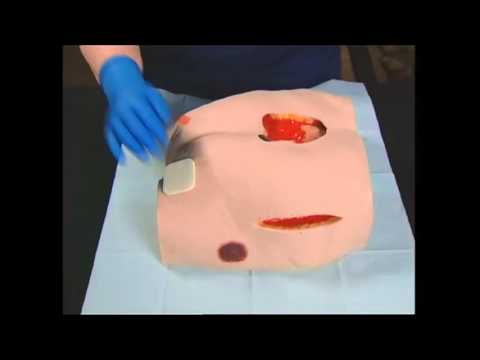
Key Features and Materials
You might ask what makes a foam border dressing different. This dressing uses special materials to help wounds heal. Most foam dressings are made with polymeric foams like polyurethane. Some have extra layers such as cellulose or superabsorbent materials. These layers soak up fluid and protect the wound.
SLK Medical’s silicone bordered dressing is unique because it has five layers. Each layer does something important:
The polyurethane film backing keeps water out. It stops bacteria and lowers rubbing.
The SAF absorption and retention layer soaks up more fluid and holds in moisture.
The non-woven distribution layer spreads fluid across the dressing.
The foam absorbent layer stops the wound from getting too wet and keeps it moist.
The silicone wound contact layer is soft and sticks by itself. It helps care for delicate skin.
Here is a table that shows how these features compare:
Component/Feature | Description |
|---|---|
Material | Opaque polyurethane membrane, blocks some liquids, lets vapors pass through. |
Outer Film Coating | Waterproof, protects from rubbing, bacteria, and things that can irritate skin. |
Absorbency | Soaks up a lot, can stay on for days, helps stop skin around the wound from getting too wet. |
Adhesive Border | Some have a sticky border, but it does not stick to the wound, so it is easier to take off. |
Usage | Good for main or extra dressings on wounds that drain, not for wounds that are dry. |
Additional Protection | You can use another dressing on top for more padding. |
How Silicone Bordered Dressings Work
A silicone bordered dressing gives gentle care to your wound. The silicone layer sticks softly to your skin. It hurts less when you take it off. This is good if your skin is sensitive or weak.
The layers work together to soak up and hold fluid. This stops leaks and keeps the skin near your wound healthy. The waterproof film keeps out germs and dirt. Your wound stays safe and clean.
You can use a silicone bordered dressing for many wounds. These include wounds after surgery, pressure ulcers, diabetic foot ulcers, venous and arterial ulcers, and burns. The foam border dressing soaks up a lot of fluid. It can hold up to ten times its own weight in fluid. This makes it a great choice for wounds that leak a lot.
SLK Medical Foam Border Dressing Solutions
Product Overview and Innovations
You want a dressing that helps your wound heal fast. SLK Medical gives you new ways to care for wounds. The brand uses smart technology to make silicone bordered dressings better. These dressings help you and your patient feel more comfortable.
SLK Medical’s D-Pore™ Dual-Dimensional Pore Foaming Technology helps the dressing soak up fluid quickly. This technology lets air move through the foam. Your wound stays moist but not too wet. Flex Technology lets the dressing stretch in all directions. You can use it on hard-to-cover spots. It stays in place even when you move.
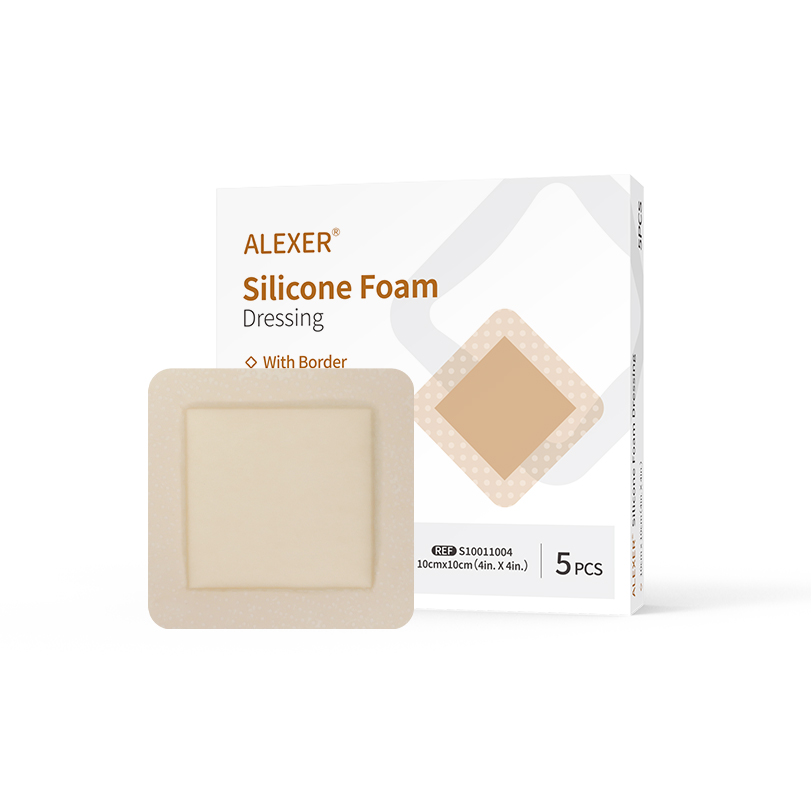
You can pick from different products. The Silicone Foam Dressing with Border is good for wounds that leak a lot. It has a waterproof film and a soft silicone bordered layer. The Border Flex dressing uses Flex Technology for more stretch and comfort. The Silicone Foam Ag Dressing has silver. Silver helps lower the chance of infection. Each dressing helps you care for wounds and makes patients feel better.
Tip: SLK Medical dressings are good for wounds that need extra care. The silicone bordered dressing helps you change dressings with less pain.
Here is a table that shows how SLK Medical’s foam border dressing technologies compare with other brands:
Dressing Type | Evidence Count | RCTs Published | Cost-Effectiveness Demonstrated |
|---|---|---|---|
Mepilex® Border | Over 80 pieces | 4 | Yes |
SLK Medical uses similar smart technologies to help wounds heal and save money.
Suitable Wound Types and Patient Needs
You can use a silicone bordered dressing for many wounds. These dressings work well for surgery wounds, pressure ulcers, diabetic foot ulcers, venous ulcers, and burns. If your wound leaks a lot, a foam border dressing helps keep it dry and safe.
SLK Medical dressings fit many shapes and sizes. You can use them on your heel, sacrum, or other hard-to-cover places. The foam dressing soaks up fluid and keeps your wound moist. This helps your wound heal. The silicone bordered layer protects sensitive skin and lowers pain when you change the dressing.
You want your patient to feel good. SLK Medical dressings give extra padding and help stop skin damage. The foam border dressing holds fluid and stops leaks. You can wear the dressing for days. This means you change it less and feel less stress.
Here is a table that explains the main features of SLK Medical foam border dressings:
Feature | Description |
|---|---|
Absorption | Foam dressings soak up fluid well, especially for wounds that leak. |
Retention | The porous structure keeps fluid in and helps healing. |
Comfort | Foam dressings give padding and help stop skin maceration. |
You can trust SLK Medical to give you good wound care solutions. The silicone bordered dressing helps you care for wounds with less pain and more comfort.
Applications of Foam Border Dressings
Clinical and Home Use Cases
You can use a foam border dressing in many places. In hospitals, nurses often choose these dressings for wounds that need extra care. At home, you can use them to help wounds heal faster and keep the area clean. Here are some common situations where you might use a silicone bordered dressing:
Diabetic foot ulcers
Venous leg ulcers
Surgical wounds
Leg ulcers
Foot ulcers
Donor or graft sites
Abscesses
Trauma wounds
A silicone bordered dressing works well for both clinical and home care. You get strong moisture control and less pain during changes. The foam dressing protects the wound and helps with moist wound healing. It also keeps the skin around the wound healthy.
Here is a table that shows how foam border dressings perform in different settings:
Feature | Home Care Setting | Hospital Environment |
|---|---|---|
Absorbency | Effective management of exudate, reducing dressing changes | Proven to reduce hospital-acquired pressure injuries by nearly 47% |
Comfort | Gentle silicone adhesive minimizes pain during removal | Enhanced comfort reported in clinical trials |
Cost-Effectiveness | Long-term savings by improving healing outcomes | Significant cost savings and higher staff satisfaction |
You help your patient feel better and support wound healing by choosing the right dressing.
Step-by-Step Application Guide
You want to make sure you apply the dressing the right way. Follow these steps for the best results:
Wash your hands and put on gloves.
Clean the wound gently with saline.
Dry the skin around the wound.
Check the wound and the skin nearby for any changes.
Gather all your dressing supplies.
Next, get your silicone bordered dressing ready:
Remove the backing without touching the part that will go on the wound.
Place the soft, absorbent side over the wound.
Smooth the dressing from the center outward to remove air bubbles.
Make sure the dressing covers the wound completely and lies flat.
When it is time to remove the dressing:
Look at the skin and wound first.
Gently lift one edge of the foam dressing.
Peel it back slowly, keeping it close to the skin.
Use adhesive remover if needed.
Clean the skin after you take off the dressing.
Tip: Do not stretch the dressing during application. Stretching can cause tension and damage the skin. Always use a flexible silicone bordered dressing, like those from SLK Medical, for hard-to-cover areas.
You avoid mistakes and help with wound management by following these steps. This keeps moisture balanced and supports patient comfort. You also lower the risk of skin damage and help the wound heal.
Benefits of Silicone Bordered Dressings
Enhanced Protection and Comfort
You want your wound to be safe and feel good. A silicone bordered dressing helps with both. The soft silicone layer sticks gently to your skin. You feel less pain when you change it. The foam border dressing cushions the area and protects weak skin. You can move around and not worry about it falling off.
Studies show silicone bordered dressings lower ulcer rates and pain.
The VIPES study found these dressings fill the space between wound and dressing. This helps you heal faster and feel less pain.
Silicone foam dressings cost less over time. You have fewer problems and need fewer changes.
You notice more comfort with silicone bordered dressings. The gentle adhesive does not pull on your skin. You feel less discomfort when you take it off. Many patients say dressing changes hurt less and are easier.
Note: You can use a foam dressing for wounds that need extra protection. The soft border helps keep it in place and makes you feel safer.
Moisture Management and Healing
You need the right moisture for your wound to heal. A silicone bordered dressing helps keep this balance. The foam layer absorbs fluid from the wound. It holds moisture so your skin does not get too wet. This stops maceration and keeps the area healthy.
Silicone bordered dressings keep wounds moist by absorbing exudate. They stop skin from getting soggy.
These dressings let moisture vapor escape. This balances the wound environment.
You get a barrier against germs and dirt. This helps your tissue grow and repair.
You see better healing with a foam border dressing. The moist wound healing helps new skin form. The dressing keeps the wound clean and helps you recover faster. You can trust your wound will heal well with good moisture control.
Feature | Benefit for You |
|---|---|
Absorbs fluid | Keeps wound moist, stops maceration |
Releases vapor | Balances moisture, helps healing |
Blocks contaminants | Protects wound, helps tissue repair |
Infection Prevention and Cost-Effectiveness
You want to avoid infection and save money on wound care. A silicone bordered dressing helps you do both. The waterproof film blocks bacteria and keeps your wound safe. You change the dressing less often, so you lower your risk of infection.
RespoSorb Silicone Border gives better health and saves money compared to regular foam dressings.
Patients see better quality of life with silicone bordered dressings.
Local manufacturing of dressings like Silflex helps lower costs and makes wound care cheaper.
You spend less on wound care because you need fewer changes. The foam dressing stays in place and protects your wound for days. You get better healing and lower costs at the same time.
Tip: You can use a silicone bordered dressing for wounds that leak a lot. The foam layer absorbs fluid and helps stop infection. This makes wound care easier for you.
Comparing Foam Border Dressings to Other Types
Foam Border vs. Traditional Gauze
You want to pick the best dressing for your wound. Foam border dressings work better than traditional gauze. They soak up more fluid and feel softer. Foam dressings keep the wound moist. Gauze can dry out and stick to your wound. This can hurt when you take it off.
Foam border dressings hold more fluid and keep wounds moist.
Gauze does not handle lots of fluid well and needs more changes.
Foam border dressings help stop pain when you change them.
Here is a table that shows how foam border dressings and gauze are different:
Feature | Foam Dressings | Traditional Gauze |
|---|---|---|
Absorbency | Soaks up lots of fluid | Does not keep wounds moist |
Moisture Retention | Keeps wounds moist for healing | Dries out and sticks to wounds |
Dressing Changes | Needs fewer changes | Needs more changes, which can spread germs |
Pain during Dressing Change | Hurts less when you change it | Can hurt and damage healing skin |
Overall Infection Risk | Lower risk because it keeps wounds moist | Higher risk because it can cause pain and germs |
Foam Border vs. Non-Border Foam Dressing
You might wonder how foam border dressings are different from non-border foam dressings. Foam border dressings have sticky edges. This helps them stay on, even on fingers or feet. Non-border foam dressings may not stick well and can leave sticky stuff behind.
Feature | Foam Border Dressings | Non-Border Foam Dressings |
|---|---|---|
Fixation | Stays on well, even after many uses | May not stick as well |
Breathability | Lets air in, keeps water out, blocks germs | Depends on the product |
Absorbency | Soaks up fluid better, stops skin from getting too wet | Not as good at soaking up fluid |
Comfort | Hurts less when you take it off | Can be uncomfortable |
Residue | Does not leave sticky stuff on skin | May leave sticky stuff |
Application Areas | Good for hard-to-cover places like fingers and feet | Works best on easy areas |
Foam border dressings are good for pressure ulcers, leg ulcers, foot ulcers, surgery wounds, and burns. They seal better and stop fluid from leaking.
Foam Border vs. Non-Adhesive Foam Dressing
You want your dressing to stay on while you move. Adhesive foam border dressings stick to your skin. You do not need extra tape or bandages. Non-adhesive foam dressings need another dressing to hold them. This can make it harder to move.
Dressing Type | Mobility Impact |
|---|---|
Adhesive Foam Dressings | Sticks to your skin, lets you move easily |
Non-Adhesive Foam Dressings | Needs extra support, can make moving harder |
Foam border dressings help you stay active and feel good. You can trust them to protect your wound and help it heal.
Best Practices for Foam Border Dressing Use
Application Tips and Common Mistakes
You want to give the best care to your wound. Start by following foam dressing application instructions closely. Always wash your hands before you touch the dressing. Clean the wound with saline and dry the skin around it. Place the dressing gently over the wound. Smooth it out from the center to the edges. Make sure the dressing covers the wound completely.
Many people make mistakes during care. You might stretch the dressing too much. This can hurt your skin. You may forget to check the wound environment before you apply a new dressing. Always look for signs of infection or changes in the wound. If you use an antimicrobial foam dressing, follow the instructions for safe use.
Tip: Change the dressing every 2-3 days or as your healthcare provider tells you. This helps keep the wound clean and supports healing.
Troubleshooting and Care
FAQ
You may face problems like leakage or poor adhesion. Here are steps you can try:
Gently lift the adhesive film border while pressing down on the skin.
If you have trouble lifting the border, place tape on the edge and use it to help lift.
Grasp one edge and pull it straight out, parallel to the skin, to release adhesion.
Keep stretching and releasing the edge until all sides are free.
Remove the dressing slowly and pull in the direction of hair growth.
You want to give the best care to your patient. If the dressing becomes loose or leaks, replace it right away. Make sure the wound area is clean and dry before you put on a new dressing. If leakage keeps happening, talk to your healthcare provider.
Here is a table to answer common questions about foam border dressings:
Question | Answer |
|---|---|
How often should I change a foam border dressing? | Change every 2-3 days, or as directed by your healthcare professional. |
What types of wounds are SLK Medical foam border dressings suitable for? | They work for post-operative wounds, pressure ulcers, diabetic foot ulcers, venous and arterial ulcers, and burns. |
Can I shower while wearing a foam border dressing? | Yes, the waterproof backing allows for showering, but avoid soaking the dressing. |
What should I do if the dressing becomes loose or leaks? | Replace the dressing and clean the area. If leakage continues, consult your provider. |
Are SLK Medical foam border dressings safe for sensitive skin? | Yes, the silicone layer is gentle and minimizes trauma. |
We recommend SLK Medical’s foam border dressings for optimal results. For questions about wound care product options or wound management, leave a comment or contact us directly.
You get many good things when you use foam border dressings. Studies show you need to change dressings less often. Your wound heals faster and feels better. SLK Medical’s silicone bordered dressings help protect your skin. They make wound care simple and gentle. It is easy to put on and take off these dressings. Nurses and doctors like these dressings for chronic wounds.
Feature/Outcome | Summary/Benefit |
|---|---|
Dressing Change Frequency | You change dressings less, healing is smoother |
Wound Size Reduction | Wounds get smaller, healing gets better |
Patient Comfort | Dressings feel soft and come off gently |
Almost all nurses say these dressings work best.
Every patient feels happy with how their wound heals.
You can look at SLK Medical’s products to find what you need. Talk to your doctor or nurse to get the best care.
FAQ
How often should you change a foam border dressing?
You should change the dressing every two to three days. Your healthcare provider may tell you to change it more often if the dressing gets wet or dirty.
Can you shower while wearing a foam border dressing?
You can shower with the dressing on. The waterproof layer keeps water out. Avoid soaking or swimming with the dressing.
What types of wounds work best with SLK Medical foam border dressings?
You can use these dressings for post-operative wounds, pressure ulcers, diabetic foot ulcers, venous ulcers, and burns. The foam border helps protect and heal many types of wounds.
What should you do if the dressing becomes loose or leaks?
Replace the dressing right away. Clean the skin around the area before you put on a new dressing. If the problem continues, ask your healthcare provider for advice.
Are SLK Medical foam border dressings safe for sensitive skin?
You can use these dressings on sensitive skin. The silicone layer is gentle and helps prevent pain during removal.


