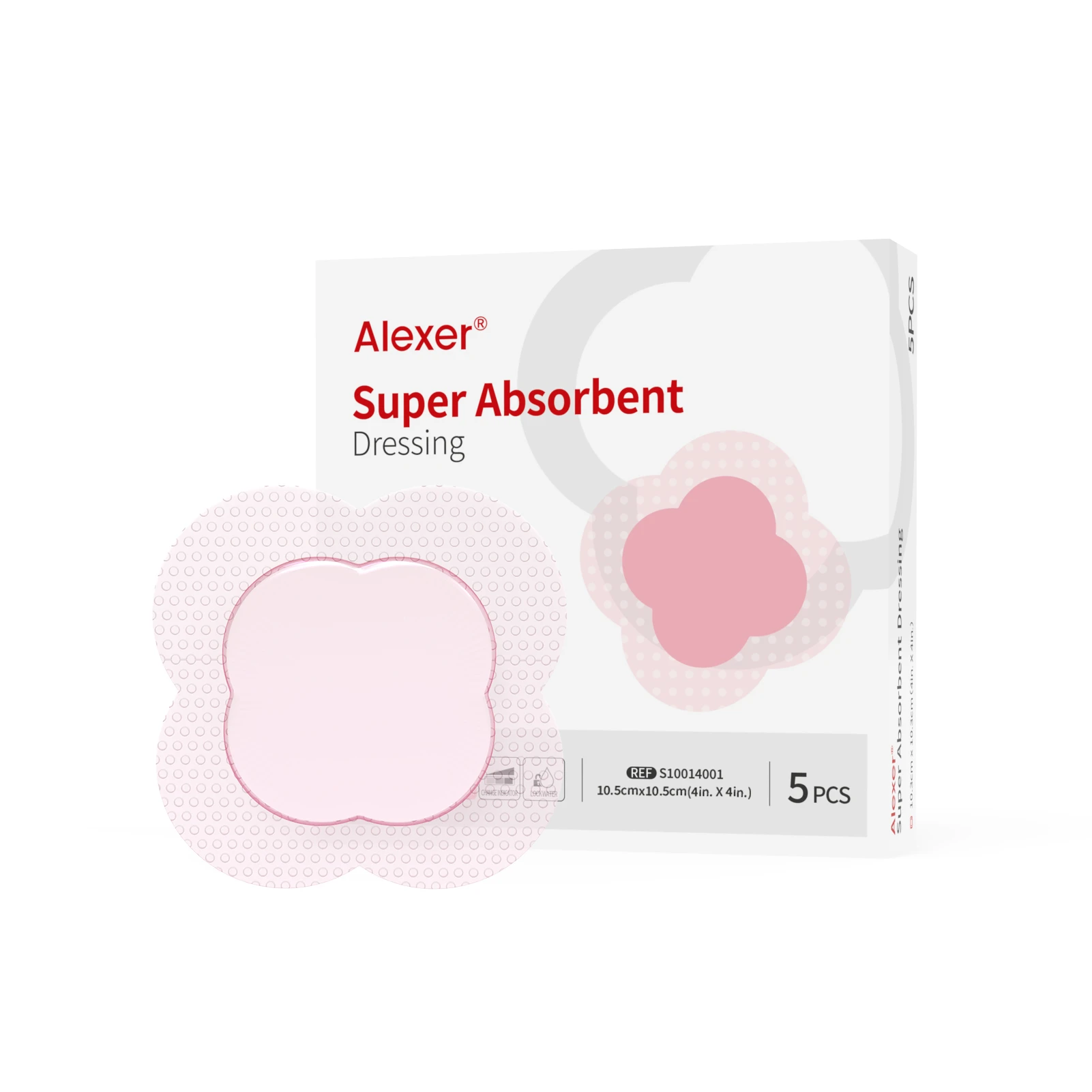
A non adhesive dressing helps you protect wounds without sticking to your skin. This type of dressing lets you change it easily, which means you feel less pain and avoid trauma. Many people find these dressings gentle, especially if you have sensitive or fragile skin. Studies show that:
-
95% of patients with acute wounds felt less pain when using non-adherent dressings.
-
88% of patients with chronic wounds also reported less pain.
Choosing the right dressing is important for good wound care and comfort. Brands like SLK Medical offer innovative solutions for your needs.
Key Takeaways
-
Non-adhesive dressings cover wounds but do not stick. This helps lower pain when you change them. These dressings keep wounds wet. Wet wounds heal faster and have less chance of infection. Non-adhesive dressings work well for sensitive skin. They are good for burns, ulcers, and wounds that last a long time. Picking the right dressing makes you feel better. It also helps wounds heal well. Ask a healthcare worker for advice. They can help you choose the best dressing for you.
How Non Adhesive Dressings Work
Mechanism and Benefits in Wound Care
You need something to cover your wound and help it heal. A non adhesive dressing does this by making a shield that does not stick to your skin. This shield keeps germs and rubbing away from your wound. The dressing also keeps the wound wet, which helps it heal.
-
Non adhesive dressings keep the wound moist and control water vapor. This stops the wound from getting too dry.
-
The water vapor transmission rate (WVTR) helps control moisture. If the WVTR is right, your wound stays balanced.
-
These dressings soak up extra fluid called exudate. They match how much fluid your wound makes, so your skin stays safe.
You get many good things from using a non-adherent dressing. If your skin is sensitive or fragile, this dressing helps. It does not use sticky glue, so your skin does not get irritated. Your skin can breathe, and you avoid problems like maceration and infection. You feel more comfortable, and your wound heals better.
People with delicate skin, like those with epidermolysis bullosa, older adults, or people getting radiation, find these dressings useful. You get a good place for healing and your skin stays safe.
Studies show moist healing with non adhesive dressing helps wounds heal faster than regular gauze. For example, donor site wounds healed in about 6.6 days with moist dressings. Regular dressings took 12.5 days. You get fewer infections and need to change dressings less often. If you have a diabetic foot ulcer, moist dressings help your skin grow back sooner and make you feel better.
SLK Medical works on new ideas and quality for wound care. Their dressings use technology to make a good healing space. You get products that soak up fluid, protect your skin, and help wounds heal fast.
Role in Reducing Pain and Trauma
You want less pain when you change your dressing. Non adhesive dressing helps with this. The dressing does not stick to your wound, so you feel less pain when you take it off. You do not pull your skin or cause new injuries.
-
Non adhesive dressings and ibuprofen foam dressings lower pain when you change them.
-
Gauze dressings often hurt more.
-
Good nursing care and helping patients also lower pain.
You also have less damage to your wound. The dressing protects your skin and stops it from tearing. You heal faster and have fewer problems. The table below shows how non-adhesive foam dressings help lower damage and help healing:
|
Outcome |
Non-Adhesive Foam Dressing |
No ICB |
|---|---|---|
|
Mean BWAT Score |
27.4 |
33.2 |
|
Mean Time to Healing (weeks) |
12.7 |
25.5 |
|
Mean Time Between Dressing Changes (days) |
3.1 |
1.9 |
|
Mean Labor Costs (CAD) |
1766 |
6488 |
|
Adverse Events |
None |
N/A |
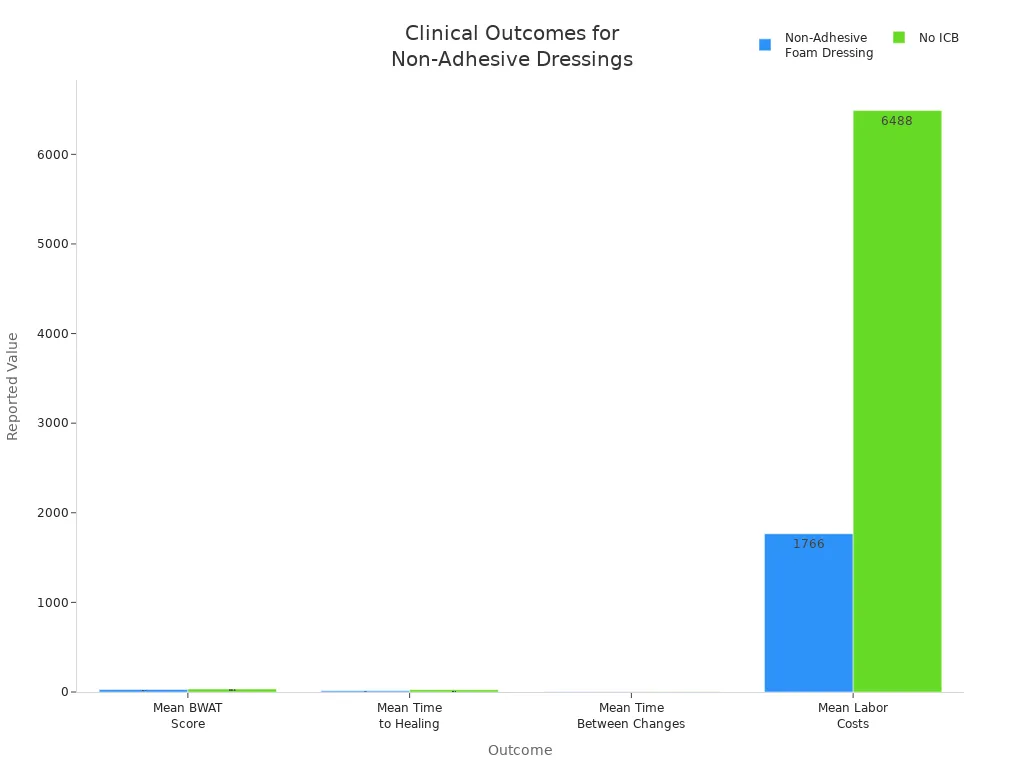
You see better results with non adhesive dressing. You heal faster, change dressings less, and spend less money. You also avoid bad events. SLK Medical’s focus on quality means you get dressings that help wound care and make healing easier.
Types of Wound Dressings: Non-Adherent Options

You have many choices for wound dressings. Each one works best for certain wounds and skin types. Low-adherent dressing is gentle for wounds that need soft care. Non-adherent dressings protect your skin. They make changing dressings simple.
Foam Dressings by SLK Medical
Foam dressings are very popular. You use them for wounds with a lot of exudate. SLK Medical makes advanced dressings with special technology. These dressings help wounds heal faster.
SLK Medical Non-Adhesive Foam Dressing
This dressing is made from absorbent polyurethane foam. The outside film is waterproof and blocks bacteria. It soaks up lots of exudate and keeps the wound moist. You can cut it to fit any wound spot. It is easy to change, which helps fragile skin. You use it for pressure ulcers, diabetic foot ulcers, venous leg ulcers, burns, post-operative wounds, and other wounds with much exudate.
SLK Medical Non-Adhesive Ag Foam Dressing
This dressing has foam with silver ions for antimicrobial protection. Silver ions release quickly and last up to 7 days. This lowers infection risk and keeps the wound moist. The dressing stops maceration and fits well. You use it for wounds with high infection risk, like pressure ulcers, diabetic foot ulcers, burns, and surgical wounds. Studies show it lowers bacteria like Staphylococcus aureus and Pseudomonas aeruginosa.
Hydrogel and Film Dressings
Hydrogel and film dressings work well for dry or painful wounds. You use them for necrotic wounds, pressure ulcers, skin grafts, cavity wounds, and post-operative wounds. These dressings keep wounds moist and cool.
|
Indication Type |
Description |
|---|---|
|
Necrotic and sloughy wounds |
Good for wounds with little exudate |
|
Pressure ulcers |
Helps with pressure injuries |
|
Skin graft and donor sites |
Used after surgery for grafts |
|
Cavity wounds |
Keeps deep wounds moist |
|
Postoperative wounds |
Helps healing after surgery |
|
Abrasions and lacerations |
Protects small injuries |
Alginate and Other Non-Adherent Dressings
Alginate dressings soak up lots of fluid. They can hold up to 20 times their weight. You use them for wounds with heavy exudate. They form a gel to keep wounds moist and help healing. Alginate dressings help stop bleeding and support healing. You use them for post-operative wounds and surgical sites.
Other types are xeroform dressings, adaptic dressings, and vaseline non-adhering gauze. Xeroform dressings have petrolatum and keep wounds moist. Adaptic dressings use mesh to stop sticking and protect the wound bed. Vaseline non-adhering gauze is soft and gentle. It is easy to remove and does not hurt your skin. You use these for burns, ulcers, and small wounds.
Tip: Always match the dressing type to your wound’s needs. Advanced dressings from SLK Medical give you more comfort and healing options.
You can pick from many wound dressings for different wounds. Foam, hydrogel, film, alginate, xeroform, adaptic, and vaseline non-adhering gauze all have special benefits. You get better healing and comfort when you choose the right one.
When to Use Non Adhesive Dressings in Wound Care
Suitable Wound Types and Scenarios
Picking the right dressing helps your wound heal. Non adhesive dressing is best for wounds that need gentle care. You use it when you must change dressings often. This dressing is good for fragile or sensitive skin. If you have burns, skin tears, or chronic wounds, it helps protect your skin. These dressings support healing and keep your skin safe.
Here is a table showing common wound types treated with non-adhesive dressings:
|
Type of Wound |
Description |
|---|---|
|
Burns |
First and second-degree burns where skin is too delicate for adhesive removal. |
|
Skin tears |
Common in elderly patients, preventing further damage to fragile skin. |
|
Lacerations and abrasions |
Non-adhesive dressings make changes more comfortable, especially for children. |
|
Surgical incisions |
Protects healing incisions with staples or sutures from disruption. |
|
Chronic wounds |
For leg ulcers, pressure ulcers, and diabetic ulcers, preventing trauma to fragile skin. |
|
Donor sites and eczema |
Provides a gentle, non-adherent barrier for weeping eczema and donor sites. |
You often use non adhesive dressing for wounds with lots of fluid. These include pressure ulcers, diabetic foot ulcers, venous leg ulcers, and burns. If you have a wound after surgery or one that needs to stay moist, this dressing works well. You feel less pain and avoid hurting your skin when you change it.
Patient Needs and Comfort
You want to feel safe and comfortable when caring for wounds. Non-adherent dressings help lower pain when you take them off. People say these dressings do not hurt when removed. One person said, “Those dressings helped my mum’s legs in that they didn’t hurt her when the nurse took them off.” Another said, “It is very important not to have them stuck on the area that has just been healed.”
You need a dressing that fits your wound and works for different spots. SLK Medical’s products are easy to put on and take off. You can cut them to fit any wound shape. If your wound leaks a lot or your skin is sensitive, you get more comfort and better care.
Here is a table showing recommended scenarios for using non-adhesive dressings:
|
Scenario Description |
Use |
Reason |
|---|---|---|
|
Toddler with eczema has scratched skin |
Non-adhesive dressing with soft bandage |
No adhesive needed, prevents further irritation |
|
Child needs frequent dressing changes on a healing wound |
Non-adhesive wound dressing |
Less painful removal, gentle on healing skin |
|
General use cases |
Non-adhesive dressings |
Ideal for fragile or sensitive skin, allergic reactions to adhesives, burn wounds, chronic wounds, and frequent dressing changes |
Choosing non adhesive dressing for the right wound helps you heal better. You make wound care easier for yourself and those who help you.
Advantages and Limitations of Non-Adherent Dressings
Benefits Over Adhesive Dressings
When you pick a dressing, you want it to help you heal. You also want it to feel comfortable. Non-adherent dressings have many good points compared to adhesive dressings. They cause less pain, are easier to take off, and help skin heal faster.
|
Advantage |
Non-Adherent Dressings |
Adhesive Dressings |
|---|---|---|
|
Pain Management |
Lesser pain |
More pain |
|
Removal Ease |
Easier removal |
More difficult |
|
Re-epithelization Rate |
Greater percentage |
Lower percentage |
You feel less pain when you change non-adherent dressings. They do not stick to your wound. This means new skin does not get hurt. These dressings protect soft skin and keep wounds moist. Moist wounds heal better. You can take them off easily, so you worry less.
Note: Non-adherent dressings are good for people with diabetes. They also help older adults and anyone with sensitive skin. Use them for wounds that need gentle care or need to be changed often.
Transparent film dressings are thin and bend easily. They block germs and water. This helps keep wounds safe. Petrolatum-based dressings hold in moisture. They make a shield that helps skin heal faster.
Considerations for Wound Care Choices
You should think about a few things before picking a dressing. The right dressing depends on your wound, your skin, and what feels best.
|
Factor Type |
Description |
|---|---|
|
Local Wound Factors |
Check how much fluid comes out and if the tissue is healthy. |
|
Patient-Specific Factors |
Look for allergies and see if you can follow care steps. |
|
Dressing Characteristics |
Make sure the dressing keeps wounds moist, stops injury, lets air in, and is clean. |
Pick a dressing that helps healing and stops injury. It should protect against infection. The dressing needs to be soft and comfy. It should soak up fluid. You want it to bend and last for daily use.
Sometimes, you need another dressing to hold non-adherent dressings in place. There are many choices, so it can be hard to decide. Ask your nurse or doctor for help. They can help you choose the best dressing.
Tip: Always match your dressing to how wet your wound is. Think about infection risk and comfort. Good wound care starts with the right dressing.
You now know that non adhesive dressing helps wounds heal quickly. It also keeps your skin feeling good. Picking the right dressing is important for your health. It can make your life better. SLK Medical has dressings that give comfort and help stop infections. These dressings also help you save money. Nurses and doctors help you choose the best care for your wound. In the future, dressings will be smarter and better for the planet. Always talk to your nurse or doctor if you need advice.
|
Key Point |
Why It Matters |
|---|---|
|
Comfort and healing |
Less pain, faster recovery |
|
Infection prevention |
Lower risk, better outcomes |
|
Expert guidance |
Personalized wound care |
FAQ
What is a non-adhesive dressing?
You use a non-adhesive dressing to cover wounds without sticking to your skin. This type protects your wound and makes removal easy, so you feel less pain.
When should you choose a non-adhesive dressing?
You pick a non-adhesive dressing for wounds with fragile or sensitive skin. It works well for burns, ulcers, surgical sites, and wounds that need frequent changes.
Can you cut non-adhesive dressings to fit your wound?
You can cut most non-adhesive dressings to match your wound’s shape. This helps you cover hard-to-reach areas and makes dressing changes easier.
How long can you leave a non-adhesive dressing on?
You can leave some non-adhesive dressings, like SLK Medical’s foam dressings, on for up to 7 days. Always check your wound and follow your healthcare provider’s advice.
Do non-adhesive dressings help prevent infection?
You get protection from bacteria with many non-adhesive dressings. Some, like silver foam dressings, release antimicrobial agents to lower infection risk and help your wound heal.