


Choosing the right foam dressing non adhesive helps wounds heal better. You should pick a dressing that fits the wound and the patient. SLK Medical makes good products for healing and comfort. Taking care of wounds can be hard.
|
Challenge |
Description |
|---|---|
|
You need to keep enough moisture for every wound. |
|
|
Risk of over-drying |
Some wounds get too dry, so you may need to add moisture. |
|
Requirement for secondary dressings |
Foam dressing non adhesive might need another dressing to hold them. |
|
Frequency of dressing changes |
You may have to change foam dressings more often than others. |
|
Malodorous discharge |
Dressings can sometimes start to smell bad. |
|
Suitability for specific wound characteristics |
You should check if the dressing matches the wound’s needs. |
You want a dressing that works for each patient. SLK Medical uses new technology and cares about patients.
Key Takeaways
-
Pick a foam dressing that fits the wound type. Make sure it meets the patient’s needs for good healing.
-
Find dressings with D-Pore™ technology. These keep the right moisture and help wounds heal faster.
-
Choose non-adhesive foam dressings with waterproof backing. This protects wounds when patients shower or take a bath.
-
Think about the patient’s skin sensitivity and how much they move. This helps make sure the dressing is comfortable and works well.
-
Use silver ion foam dressings for wounds that might get infected. These help lower bacteria and help wounds heal.
SLK Medical Foam Dressing Non Adhesive Overview
Key Features and Benefits
You want a foam dressing non adhesive that helps wounds heal fast. It should keep patients comfortable. SLK Medical has smart solutions for wound care. The Alexer® Non Adhesive Foam Dressing uses D-Pore™ technology. This helps soak up fluid quickly. It keeps the wound moist. This stops the wound from getting too wet and helps it heal. The waterproof polyurethane film backing keeps germs out. Patients can shower without worrying about their wound.
Foam dressing non adhesive works for many kinds of wounds. The dressing feels soft and gentle. It is safe for weak skin. You can cut it to fit any shape or size. The multi-way stretch design helps cover hard-to-reach spots. The Alexer® non-adhesive Ag foam dressing gives extra protection. Silver ions fight germs and lower infection risk. The dressing lets out silver ions slowly. This gives long-lasting protection.
Tip: Pick foam dressing non adhesive with waterproof backing if patients need to shower or bathe while healing.
Product Range and Applications
SLK Medical gives you choices for different wound care needs. The Alexer® Non Adhesive Foam Dressing comes in many sizes. You can pick the best one for each patient. Use it for post-op wounds, pressure ulcers, diabetic foot ulcers, venous leg ulcers, and burns. The dressing works well for wounds with lots of fluid.
The Alexer® non-adhesive Ag foam dressing is good when you need more germ protection. Use it for wounds that might get infected or show signs of germs. Both foam dressing non adhesive types are easy to put on and take off. You can cut them to fit, which saves time and cuts down on waste.
|
Product Name |
Key Feature |
Best Use Cases |
|---|---|---|
|
Alexer® Non Adhesive Foam Dressing |
High absorbency, waterproof |
Post-op, ulcers, burns |
|
Alexer® non-adhesive Ag foam dressing |
Antimicrobial silver ions |
Infected wounds, high exudate |
You can trust SLK Medical to give you good non-adhesive foam dressings for many medical needs.
Wound Assessment for Dressing Selection
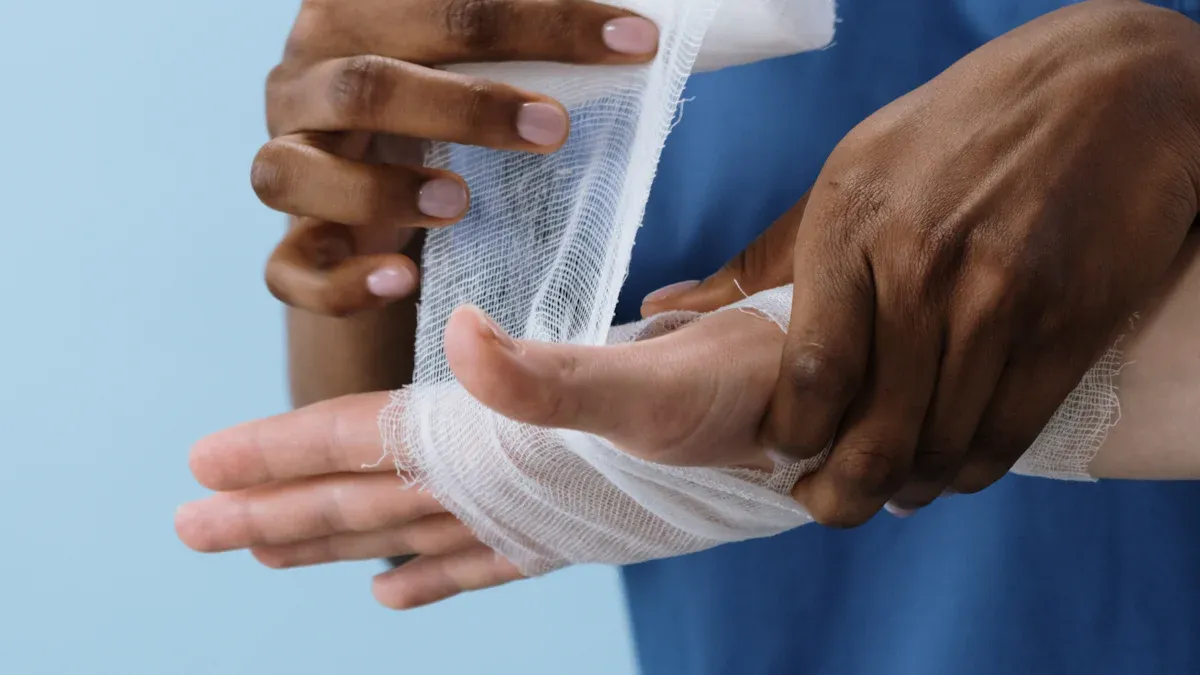
Choosing the right foam dressing non adhesive starts with a careful look at the wound. You need to check how much fluid the wound makes, where it is, how deep it goes, and if there is a risk of infection. Good wound care begins with a smart assessment.
Exudate Level and Wound Type
You should always check the amount of fluid, or exudate, that comes from the wound. This helps you pick the best dressing. Some wounds stay dry, while others leak a lot. The table below shows how to match exudate levels with dressing choices:
|
Exudate Level |
Dressing Recommendation |
|---|---|
|
None |
Dry dressing and wound bed |
|
Scant |
Nothing measurable on the dressing, wound bed moist |
|
Small/minimal |
<25% of the dressing involved, wound bed very moist |
|
Moderate |
25% to 75% of the dressing involved, wound bed wet |
|
Large/copious |
>75% of the dressing involved, wound filled with fluid |
If you see the dressing gets wet fast or the skin around the wound looks soft and white, you may need a more absorbent dressing. Foam dressings work well for wounds with moderate to high exudate. You should also think about the wound type. Surgical wounds, ulcers, and burns all need different care. Always match the dressing to the wound’s needs.
Tip: Check the dressing every time you change it. Look for signs of too much fluid or skin damage.
Location and Depth
Wound location and depth matter when you choose a foam dressing non adhesive. Wounds on elbows, heels, or other bony areas need dressings that bend and stretch. Shallow wounds may need a thin dressing. Deep wounds often need a thicker, more absorbent foam. You can cut SLK Medical’s foam dressings to fit tricky spots. This helps you cover the wound well and keep the dressing in place.
-
Wound type, size, and location
-
Amount and type of exudate produced
-
The patient’s skin condition and sensitivity
-
Presence of infection or risk factors for infection
-
Clinician’s preference and experience with specific dressing types
You should always look at the wound’s size and shape. Make sure the dressing covers the whole wound and protects the skin around it.
Infection Risk and Healing Stage
You need to watch for signs of infection. Redness, swelling, heat, and pus mean the wound may be infected. Some wounds have a higher risk, like diabetic foot ulcers or surgical wounds. Using a foam dressing with silver ions, like Alexer® non-adhesive Ag foam dressing, helps fight germs and lowers infection risk.
The table below shows infection rates for different dressings:
|
Dressing Type |
Superficial Wound Infection Rate |
Postsurgical Mediastinitis Rate |
|---|---|---|
|
Non-adhesive Foam Dressings |
2.3% |
2% |
|
Gauze |
3% |
2% |
|
Negative-Pressure Wound Therapy |
3% |
0.7% |
|
Overall Rate |
1.7% (14 patients) |
|
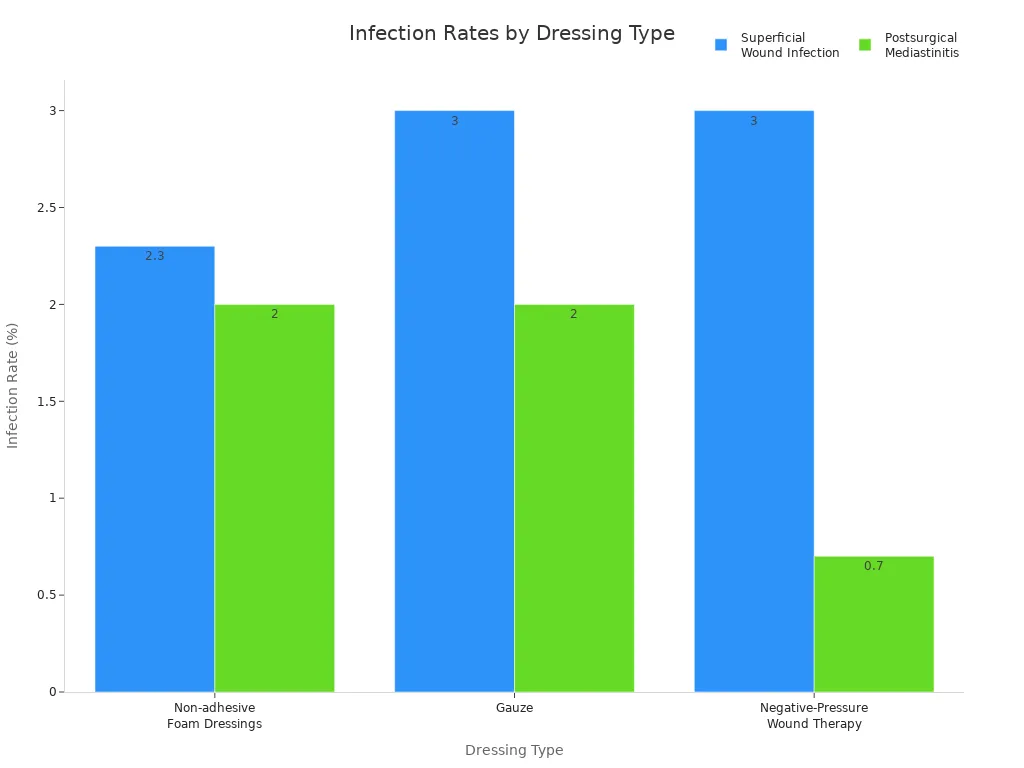
You should pick a dressing that matches the healing stage. Early wounds need moisture and protection. Healing wounds may need less absorbency. Good wound care means you check for infection and change the dressing as needed.
Note: Using the right foam dressing non adhesive can lower infection rates and help wounds heal faster.
Patient Factors in Wound Care
Skin Sensitivity and Allergies
Think about your patient’s skin before picking a foam dressing non adhesive. Some people have skin that gets irritated easily. Others might be allergic to some materials. If your patient’s skin is weak, choose a soft and gentle dressing. SLK Medical’s foam dressings are good for sensitive skin. You can cut the dressing to fit the wound shape. This helps stop rubbing or pressure on the skin. Always look for redness or itching after you put on a new dressing.
Tip: Ask your patient if they ever had problems with dressings or tapes before you pick one.
Mobility and Comfort
How much your patient moves is important for wound care. If your patient walks or moves a lot, you need a dressing that stays on and bends with the body. SLK Medical’s foam dressing non adhesive can stretch many ways. This helps it fit elbows, heels, and other hard spots. You can cut the dressing to match the wound. A comfy dressing helps your patient feel good and move easily.
|
Patient Activity Level |
Dressing Feature Needed |
|---|---|
|
Bedridden |
Soft, gentle, easy to remove |
|
Active |
Stretchable, secure fit |
|
Limited mobility |
Conformable, protective |
Age and Comorbidities
Age and health problems can make wounds heal slower. Older people often have thin skin and heal slowly. Pick dressings that protect weak skin. Many patients have health issues that affect healing. These include diabetes, poor blood flow, and weak immune systems. Some people cannot feel pain in their wounds because of nerve damage. Others may forget wound care steps because of memory problems or depression.
Common health problems that slow down wound healing:
-
Diabetes lowers blood flow and oxygen to wounds.
-
Diabetic neuropathy makes it hard to feel injuries.
-
Infection uses up nutrients and oxygen, making healing tough.
-
Weak immune systems cannot fight germs well.
-
Poor blood flow from artery or vein problems slows healing.
-
COPD means less oxygen for healing.
-
Paraplegia or quadriplegia raises risk of pressure sores.
-
Aging causes slower healing and weak skin.
-
Poor nutrition delays healing.
-
Dementia or Alzheimer’s makes care plans hard to follow.
-
Emotional disorders and depression lower motivation for wound care.
Always check for these health problems before you pick a foam dressing non adhesive. The right dressing protects the wound and helps it heal.
Compare Foam Dressing Non Adhesive Features
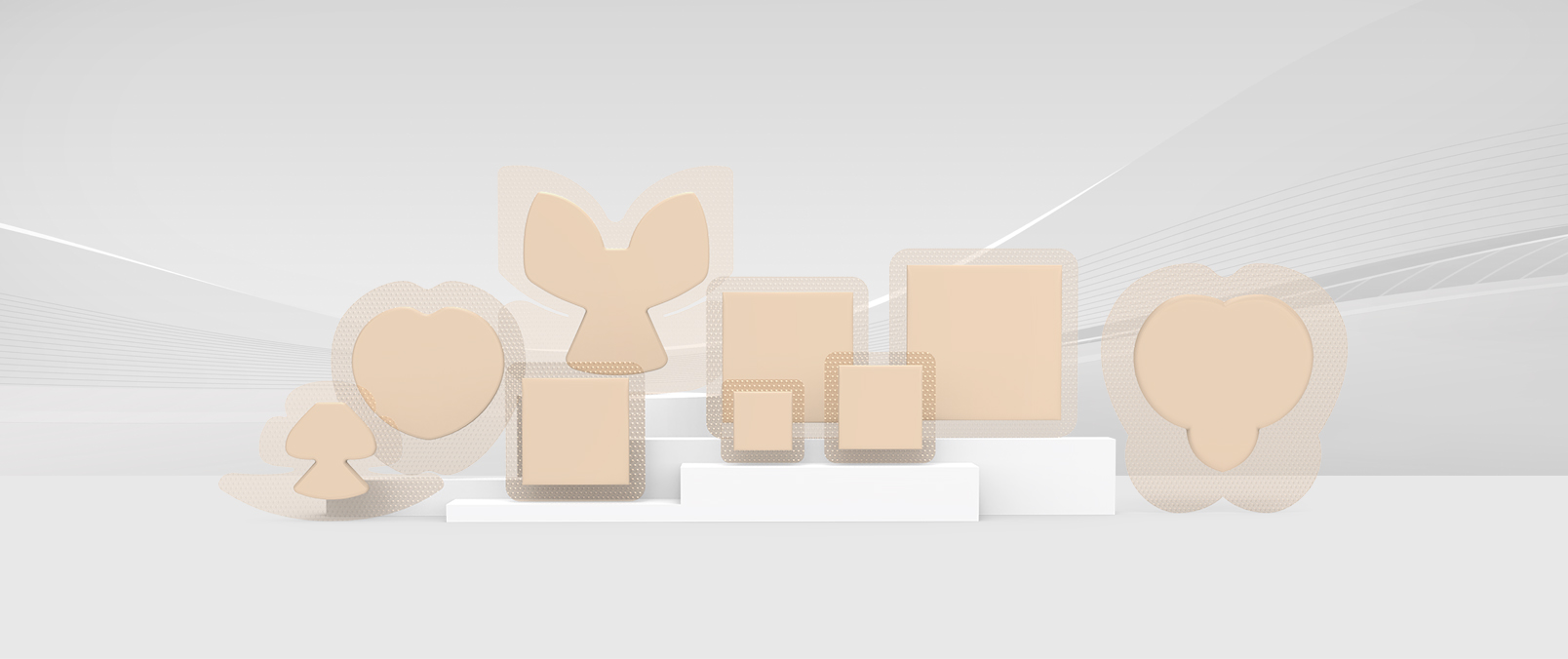
Absorbency and Moisture Control
You need a foam dressing that keeps wounds moist. It should not make the wound too wet. Good moisture control helps wounds heal faster. It also protects the skin around the wound. SLK Medical’s Alexer® Non Adhesive Foam Dressing uses D-Pore™ technology. This design lets the foam soak up fluid fast. The foam holds the fluid inside. It absorbs better than many other foam dressings. The dressing keeps the wound at the right moisture level. You do not have to worry about the wound getting dry or too wet. Many other dressings do not have this special pore system. They may not control moisture as well.
Tip: Always look at the wound for dryness or too much fluid. The right foam dressing helps you keep moisture balanced for every patient.
Conformability and Cut-to-Size Options
You need a dressing that fits the wound shape and size. SLK Medical’s foam dressings bend and stretch to cover hard spots. You can cut them to fit elbows, heels, or tricky areas. This makes wound care easier and more comfortable for your patient. Many foam dressings only come in basic shapes. SLK Medical gives you more ways to fit the dressing.
|
Benefit |
Description |
|---|---|
|
Adaptability |
Foam dressings can be cut to size easily. This makes them good for many body parts. |
You save time and waste less when dressings fit well. Your patient can move better and feel less pain. Moisture control stays strong because the dressing covers the wound well.
Antimicrobial and Waterproof Properties
You want to keep wounds safe from germs and water. The Alexer® non-adhesive Ag foam dressing uses silver ions to fight germs. Silver ions help lower the number of germs in the wound. Studies show silver foam dressings can reduce bacteria. Some studies say silver release is not always strong enough to kill all germs. You should use silver foam dressings for wounds that need extra protection.
SLK Medical’s foam dressings also have a waterproof backing. This keeps water and germs out. Your patient can shower without worrying about the dressing. Many other dressings do not have both germ-fighting and waterproof features. SLK Medical puts these features together for better moisture control and wound safety.
Note: Pick foam dressings with silver ions and waterproof backing for wounds that need strong protection and moisture control.
Practical Considerations in Wound Care
Cost and Availability
You want foam dressings that are a good deal. SLK Medical’s non-adhesive foam dressings cost less than most others. You save money but still get great quality. Nurses and doctors say these dressings are easy to use. They work for people with different skill levels. The table below shows how SLK Medical compares to other brands:
|
Feature |
Non-Adhesive Foam Dressings |
Competitors (Skin Substitutes) |
|---|---|---|
|
Cost |
Lower cost compared to competitors |
Higher cost |
|
Suitability for Surgical Skills |
High suitability |
Varies, often lower |
|
Ease of Manipulation |
High |
Varies |
|
Feedback from Medical Professionals |
Positive feedback from all experience levels |
Varies |
You also need dressings that are easy to get. SLK Medical foam dressings are sold in hospitals, clinics, and homes. Many people want these products, so you can find them when you need them.
|
Healthcare Setting |
Annual Demand (Units) |
|---|---|
|
Hospitals |
|
|
Clinics |
210 million |
|
Home Healthcare |
150 million |
Tip: Ask your supplier if you have enough dressings for your patients.
Application and Removal Ease
You want dressings that are easy to put on and take off. SLK Medical’s foam dressings do not stick to wounds. You can remove them without hurting the patient. You can cut them to fit any wound shape. This makes your job easier and helps your patient feel better. The smooth surface lets you place the dressing fast. You do not need special tools or extra steps.
-
You save time when you change dressings.
-
Your patient feels less pain.
-
You lower the chance of skin damage.
Compatibility with Other Therapies
Sometimes you need foam dressings with other treatments. SLK Medical’s non-adhesive foam dressings work well with wraps, bandages, and medicines. You can use them with other products and they still absorb fluid and stay comfy. This helps you make a good wound care plan for each patient.
Note: Always check that your dressing does not block other treatments. SLK Medical’s products let you use more therapies for better healing.
Quick Reference for Product Selection
Comparison Table
You need to pick the best foam dressing non adhesive for your patient. The table below lets you compare SLK Medical’s Alexer® series with other choices. It shows which features help most with wound care.
|
Feature |
Alexer® Non Adhesive Foam |
Alexer® Ag Non Adhesive Foam |
Standard Foam Dressing |
|---|---|---|---|
|
Absorbency |
High (D-Pore™ technology) |
High (D-Pore™ technology) |
Moderate |
|
Waterproof Backing |
Yes |
Yes |
Sometimes |
|
Antimicrobial Action |
No |
Silver ion technology |
No |
|
Cut-to-Size |
Yes |
Yes |
Sometimes |
|
Comfort for Sensitive Skin |
Yes |
Yes |
Varies |
|
Wear Time |
Up to 7 days |
Up to 7 days |
1-3 days |
|
Infection Protection |
Barrier only |
Barrier + silver ions |
Minimal |
|
Conformability |
Multi-way stretch |
Multi-way stretch |
Limited |
Tip: Pick dressings with D-Pore™ technology and silver ion antimicrobial action for tough wounds or high infection risk. It’s waterproof function does not fully support use during bathing or showering. For detailed information, it is recommended to consult business staff and professional doctors.
Selection Checklist
Use this checklist to help you choose the right foam dressing non adhesive for each patient:
-
Check if the wound has little, medium, or lots of fluid.
-
Find out what kind of wound it is and look for infection.
-
Think about how comfortable the dressing will be and if the patient’s skin is sensitive.
-
Look at proof from studies about each foam dressing.
-
Watch for infection when you change the dressing.
-
Decide if you need extra germ protection.
-
Make sure the dressing keeps water out and can be cut to fit.
-
Check if the dressing works with other treatments.
-
Look at the price and if you can get the product easily.
-
Choose dressings with D-Pore™ technology or silver ion for hard-to-treat wounds.
Silver kills many kinds of bacteria. You should use silver ion dressings for wounds that might get infected. New technology uses tiny silver particles to make dressings safer and work better. These dressings help stop infection, even when germs do not respond to other treatments.
For best results, pick SLK Medical’s Alexer® series. Your patients get better healing and more comfort.
You can choose the best foam dressing non adhesive by following simple steps. First, match the dressing to the wound type and patient needs. Next, create a moist wound environment for faster wound healing. SLK Medical foam dressings help you manage fluid and protect skin. You see better wound healing and fewer complications with proper wound care. For complex wounds, you should:
-
Ask wound care specialists for advice on proper wound care.
-
Use advanced dressings for a moist wound environment and improved wound healing.
-
Get a full assessment, including infection checks and nutrition.
SLK Medical products support proper wound care and help wounds heal faster. Choose better for your patients.
FAQ
How do you know when to change a non-adhesive foam dressing?
You should change the dressing when it looks wet, dirty, or loose. Most foam dressings last up to 7 days. Always check the wound for signs of infection or extra fluid.
Can you shower with SLK Medical foam dressings?
Yes, you can shower with SLK Medical foam dressings. The waterproof backing keeps water out and protects the wound. Make sure the dressing stays in place after you finish.
What wounds work best with Alexer® Non Adhesive Foam Dressing?
You can use Alexer® Non Adhesive Foam Dressing for post-op wounds, ulcers, burns, and wounds with moderate to high fluid. The dressing fits many shapes and helps keep the wound moist.
Do silver ion foam dressings help prevent infection?
Silver ion foam dressings, like Alexer® Ag, release silver ions that fight germs. You should use these dressings for wounds with a high risk of infection or when you see signs of bacteria.


