


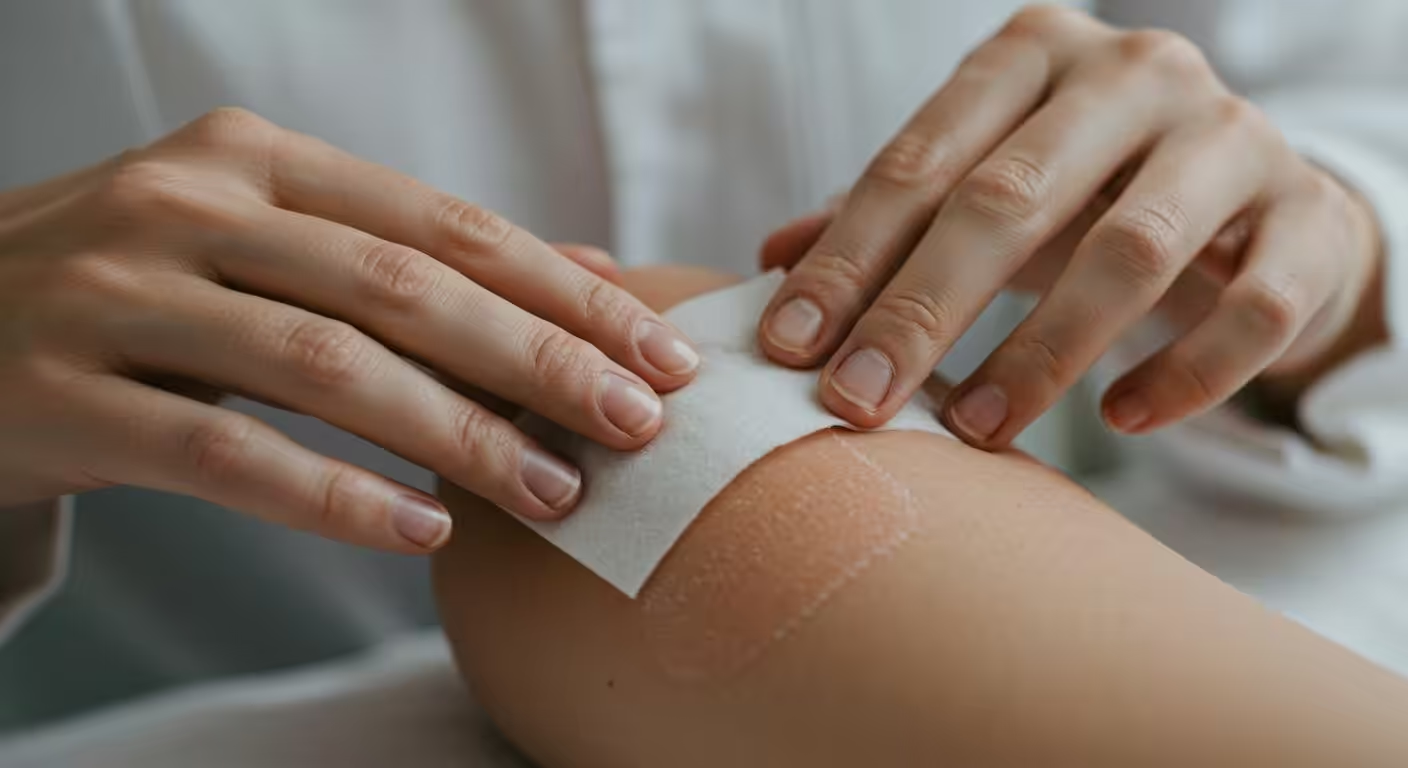
You want the best care for sensitive skin and fragile wounds. A non adhesive foam wound dressing offers gentle protection and absorbs fluids well, making it a smart choice for delicate wounds. Many studies show these dressings help wounds heal faster and with less pain.
-
They do not stick to new skin, so you feel less pain when you change the dressing.
-
They keep the wound safe by absorbing drainage and creating a soft barrier.
-
In one study, almost all skin tears healed within three weeks when using these dressings, while traditional options helped far fewer wounds heal.
You can trust this option to keep your skin comfortable and protected.
Key Takeaways
-
Non-adhesive foam dressings protect sensitive skin and fragile wounds without sticking, reducing pain during changes.
-
These dressings absorb excess fluid, keeping wounds moist and promoting faster healing while preventing infection.
-
Foam dressings are versatile and can be used on various wound types, including burns, surgical sites, and pressure ulcers.
-
They provide comfort and gentle protection, making them ideal for children and elderly patients with delicate skin.
-
Using foam dressings can lower overall wound care costs by reducing the need for frequent changes and hospital visits.
Non Adhesive Foam Wound Dressing Overview
What Is a Non Adhesive Foam Wound Dressing
You may notice that a non adhesive foam wound dressing looks like a soft, spongy pad. Manufacturers usually make these dressings from polyurethane, a gentle and flexible material. The foam has tiny open cells that soak up extra fluid from wounds. This helps keep the area moist, which supports faster healing. You do not need to worry about the dressing sticking to your skin. The non-adhesive surface lets you remove or change the dressing with less pain and less risk of skin damage.
You can find these dressings in many shapes and sizes. Some have extra layers, such as a waterproof film or a special coating, to protect the wound from germs and water. Others may combine foam with other materials or come pre-soaked in solutions. This variety lets you choose the best option for your wound type and location.
Tip: Non-adhesive foam dressings work well for wounds that need frequent dressing changes. They are especially helpful for people with sensitive or fragile skin, such as children or older adults.
Key Features
When you look at foam dressings, you will see several features that make them stand out among wound care products. Here are some of the most important qualities:
-
High Absorbency: The porous structure of the foam draws in and holds wound fluids. This keeps the wound moist but not too wet, which helps prevent skin breakdown.
-
Gentle Protection: The soft foam cushions the wound and shields it from bumps or friction. You get less pain and less risk of further injury.
-
Easy Removal: The non-adhesive surface means you can lift the dressing away without pulling on new skin or causing trauma.
-
Moisture Balance: Foam dressings help maintain the right level of moisture. This supports new tissue growth and reduces the chance of infection.
-
Versatility: You can use these dressings on many types of wounds, including pressure ulcers, diabetic foot ulcers, burns, and surgical sites.
-
Flexible Design: Many foam dressings can be cut to fit hard-to-cover areas. Some have waterproof backings, so you can shower without worry.
Here is a table showing some popular non adhesive foam wound dressing brands and their unique features:
|
Product Name |
Unique Features |
Common Indications |
|---|---|---|
|
Biatain |
Soft polyurethane foam, semi-permeable waterproof film, high absorbency |
Leg ulcers, pressure ulcers, diabetic foot ulcers, donor sites, post-op wounds, traumatic wounds |
|
Mepilex |
Safetac® technology for gentle removal, minimizes pain and trauma |
Skin tears, abrasions, burns, surgical wounds |
|
ZeniFOAM |
Hydrophilic foam, absorbs and retains exudate, non-adhesive surface |
Chronic wounds, acute wounds, pressure ulcers |
|
ActivHeal |
Conformable foam, maintains moist environment, cost-effective |
Exuding wounds, pressure ulcers, leg ulcers |
|
Optifoam |
Hydrophilic foam pad, waterproof backing, expands as it absorbs fluid |
Partial and full thickness wounds, burns, surgical wounds |
|
Tegaderm Foam |
Thin foam, waterproof film, flexible fit |
Partial and full thickness dermal wounds |
|
Allevyn Life |
Multi-layered foam, non-bordered, manages exudate, provides cushioning |
Shallow, granulating wounds, chronic and acute exudative wounds, full- and partial-thickness wounds |
You will find that foam dressings offer more than just comfort. They also help lower the risk of infection and speed up healing. Studies show that patients using foam dressings need fewer dressing changes and spend less time in the hospital. This means you save money and reduce stress during recovery.
Note: The initial price of foam dressings may seem higher than standard gauze, but you often need fewer changes and experience fewer complications. Over time, this can lower your total wound care costs.
If you want a dressing that absorbs well, protects fragile skin, and makes wound care easier, a non adhesive foam wound dressing is a smart choice.
How It Works
Absorption and Exudate Management
When you use foam dressings, you give your wound a powerful tool for managing fluids. These dressings use a special structure to absorb and control exudate, which is the fluid that leaks from wounds. The open-cell design of foam dressings pulls moisture away from the wound surface and spreads it throughout the dressing. This action keeps the wound bed moist but prevents pooling, which can slow healing.
You can see how foam dressings manage exudate in the table below:
|
Mechanism |
Description |
|---|---|
|
Absorption |
The hydrophilic layer quickly wicks away excess fluid from the wound surface. |
|
Vertical Wicking |
The dressing spreads exudate throughout its layers, preventing pooling. |
|
Hydrophobic Barrier |
The outer layer blocks outside moisture and contaminants. |
|
Synergistic Effect |
Both layers work together to keep the wound at the right moisture level. |
Many studies show that foam dressings have high water vapor transmission rates (WVTR). This means they let just enough moisture escape, so the wound does not get too wet or too dry. For example, research found that WVTRs for foam dressings can range from 80 to 12,750 g/m²/24h, depending on the conditions. This wide range shows that foam dressings can adapt to different wound needs and help maintain a healthy healing environment.
When you compare foam dressings to other wound care products, you notice some differences. Hydrocolloid dressings absorb exudate by turning it into a gel, which helps keep the wound moist and blocks bacteria. Alginate dressings soak up a lot of fluid but may need a second dressing to hold everything in place. Foam dressings stand out because they absorb well, hold onto the fluid, and keep the wound surface balanced.
Tip: If you have a wound that produces a lot of fluid, foam dressings can help you avoid leaks and skin irritation.
Protection for Sensitive and Fragile Skin
Foam dressings offer gentle protection, which is important if you have sensitive or fragile skin. The soft, cushiony material shields your wound from bumps, friction, and outside germs. You do not have to worry about the dressing sticking to your skin, which lowers the risk of tearing or irritation during changes.
Some foam dressings, like Mepilex Ag, use advanced technology to seal the wound edges. This design keeps exudate from leaking onto the surrounding skin and helps prevent maceration, which is when skin becomes too wet and breaks down. The hydrophobic outer layer acts as a barrier, blocking water and bacteria from getting in. This extra protection is especially helpful for wounds on areas that move a lot or rub against clothing.
You can trust foam dressings to keep your wound safe while letting it breathe. The combination of absorption, moisture control, and a protective barrier makes these dressings a top choice for people with delicate skin.
-
The hydrophilic layer absorbs exudate and keeps the wound bed from getting soggy.
-
The hydrophobic layer protects against outside moisture and germs.
-
The soft foam reduces pressure and friction, lowering the risk of new injuries.
Comfort and Pain Reduction
Comfort matters when you care for a wound. Foam dressings help you feel better in several ways. The soft, flexible material molds to your body, so you can move without discomfort. Most foam dressings do not stick to the wound or the skin around it, which means you can change them with less pain.
Many patients say they prefer foam dressings over adhesive alternatives. In fact, about 69% of people consider comfort very important when choosing a dressing. Non-adherent foam dressings reduce pain during removal and make the whole healing process easier.
Some foam dressings, like those with Safetac technology, seal the wound edges and prevent exudate from leaking. This feature helps you avoid skin irritation and pain from maceration. You can change these dressings without damaging new skin or causing extra pain.
The table below shows how foam dressings compare for pain relief:
|
Group |
Statistical Significance |
|
|---|---|---|
|
Ibuprofen-foam dressing |
40 |
P < 0.05 |
|
Non-ibuprofen comparator |
30 |
P < 0.05 |
You see that foam dressings can make a real difference in your comfort and healing. They cushion your wound, protect fragile skin, and let you change dressings with less pain.
😊 If you want a dressing that feels good and helps you heal, foam dressings are a smart choice.
Comparison With Other Dressings
Non Adhesive vs Adhesive Dressings
Skin Contact and Fixation
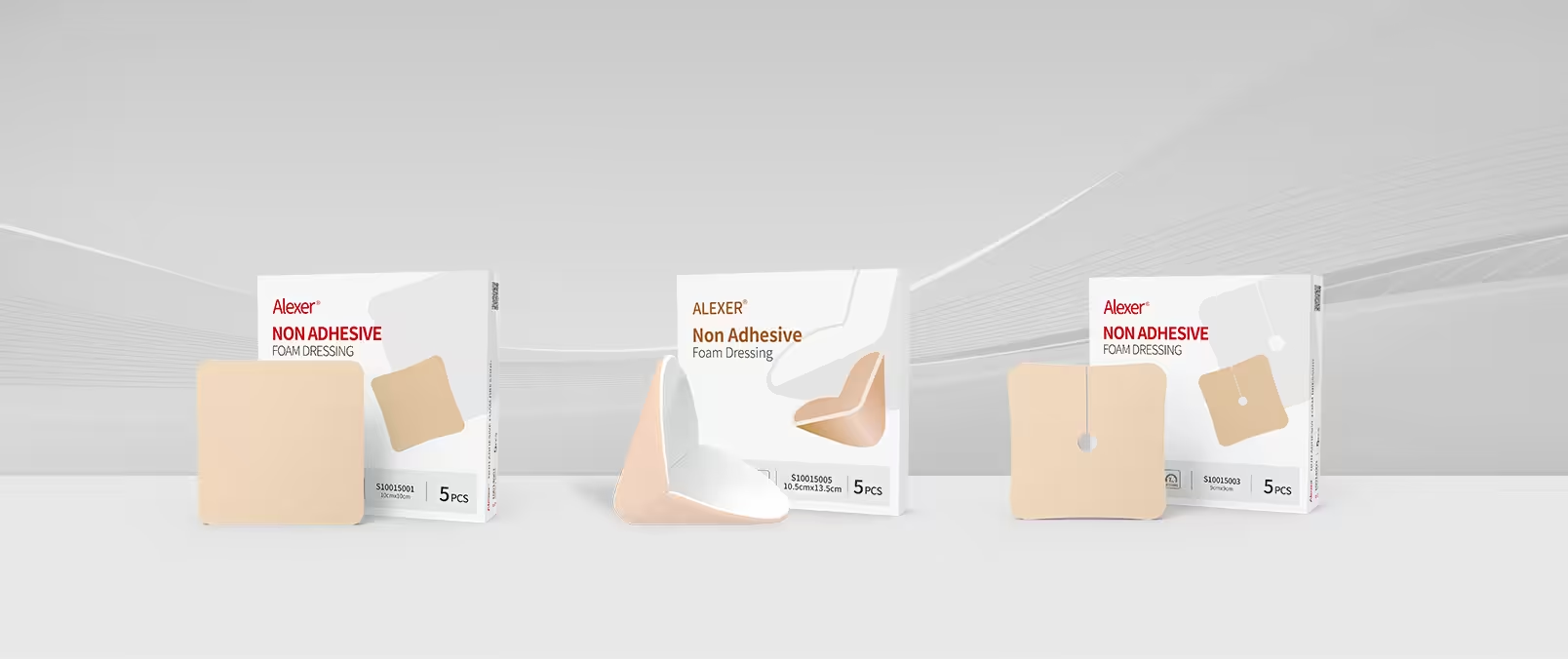
When you compare foam dressings, you notice a big difference in how they touch your skin. Non-adhesive foam dressings, such as SLK Medical Alexer, do not stick directly to your skin. You use a bandage or net to keep them in place. This design helps you avoid pain and damage when you remove the dressing. The CMC fibers in non-adhesive dressings keep the wound moist and allow for easy removal with little harm to new tissue. Adhesive dressings, even those with gentle silicone, attach to dry skin but not the wound itself. This feature can lower pain during removal, but some risk of skin stripping remains.
Risk of Skin Damage
You want to protect your skin, especially if it is fragile. Non-adhesive foam dressings lower the risk of injury because they do not stick to the skin. You can remove them with less force, which helps prevent skin tears. In contrast, adhesive dressings can cause problems. Studies show that silicone adhesive dressings have a 31.8% chance of causing skin injuries. Acrylate adhesives have an even higher rate at 56.8%. Silicone adhesives need less force to peel off, but they still carry some risk.
Comfort and Wear Experience
Foam dressings give you a soft, comfortable feel. They mold to your body and move with you. Non-adhesive types do not pull on your skin, so you feel less pain during changes. You may need to secure them with a wrap, but you avoid the discomfort of sticky adhesives. Many people find foam dressings easier to wear, especially for wounds that need frequent care.
Benefits for Delicate Wounds
Gentle Protection and Infection Prevention
You want gentle care for delicate wounds. Foam dressings provide a soft barrier that shields your wound from bumps and germs. They do not stick to the wound, which means you avoid extra pain and lower the risk of infection.
Effective Exudate Management
Foam dressings absorb fluids well. They keep the wound moist but not soggy, which helps new tissue grow. You avoid leaks and skin breakdown, making healing smoother.
Versatility and Adaptability
You can use foam dressings on many wounds, such as burns, skin grafts, post-operative sites, pressure ulcers, and diabetic foot ulcers. You can cut them to fit hard-to-cover spots. Many have waterproof layers, so you can shower without worry.
Enhanced Quality of Life
Foam dressings help you feel better during healing. They reduce pain, protect fragile skin, and make wound care easier. You spend less time changing dressings and more time healing. When you choose the right wound care products, you support your comfort and recovery.
Usage Tips
When to Use
You should choose foam dressings when you need gentle care for wounds that produce moderate to heavy fluid. These dressings work well for pressure ulcers, burns, surgical wounds, and skin tears. You can use foam dressings on areas that move a lot, such as elbows or heels, because they cushion and protect the skin. If you have sensitive skin or a wound that needs frequent changes, foam dressings help reduce pain and trauma.
Tip: Foam dressings can stay on a wound for up to seven days. You may need to change them sooner if the dressing becomes saturated or if you see signs of infection.
Application and Removal
You want to keep your wound safe and healing. Follow these steps for best results with foam dressings:
-
Wash your hands and clean the wound before you start.
-
Inspect the wound for any signs of infection or changes.
-
Choose a foam dressing that fits the wound size and shape.
-
Place the dressing gently over the wound, making sure it covers the area fully.
-
Secure the foam dressing with a bandage or net, especially on joints or places that move.
-
When removing, loosen the edges slowly. If the dressing sticks, moisten it to help lift it away without harming new tissue.
-
Check the wound again after removal and dispose of the used foam dressing safely.
Note: Take your time during removal. Rushing can damage fragile skin or disrupt healing.
Common Concerns
Foam dressings offer many benefits, but you should know their limits. Do not use foam dressings with antiseptics like iodine, chlorhexidine, or hydrogen peroxide. These chemicals can break down the dressing and harm your wound. If you see bone or tendon in the wound, or if the wound is infected, foam dressings may not be the best choice. Always check with your healthcare provider if you are unsure.
|
Concern |
What You Should Do |
|---|---|
|
Dressing dries out |
Change the foam dressing more often. |
|
Dressing leaks |
Use a larger or more absorbent foam dressing. |
|
Skin irritation |
Make sure the foam dressing does not rub or bunch up. |
|
Unsure about use |
Ask a nurse or doctor for advice. |
Foam dressings help you manage wounds with comfort and safety. You can trust them for many situations, but always watch for changes and seek help if you have concerns.
You want a wound dressing that protects your skin and helps you heal. Non-adhesive foam dressings give you gentle care, high absorbency, and comfort. These dressings manage wound fluid well and keep bacteria out. You can apply them easily and feel less pain during changes. Many doctors use these dressings for wounds that need extra care, such as skin graft donor sites. You can trust their safety and effectiveness for sensitive or fragile wounds.
FAQ
How often should you change a non-adhesive foam wound dressing?
You should change the dressing every one to seven days. Change it sooner if it becomes saturated, leaks, or if you notice signs of infection. Always follow your healthcare provider’s advice for your specific wound.
Can you shower while wearing a non-adhesive foam dressing?
Most foam dressings with a waterproof backing let you shower without removing them. Check the product label. If your dressing does not have a waterproof layer, cover it with a plastic wrap during showers.
Are non-adhesive foam dressings safe for children and elderly patients?
Yes, you can use these dressings for children and elderly patients. The soft, non-sticky surface protects fragile skin and reduces pain during changes. Always monitor for skin reactions and consult a healthcare provider if you have concerns.
What should you do if the dressing sticks to your wound?
If the dressing sticks, moisten it with sterile saline or water. This helps you lift it away gently without damaging new tissue. Never pull forcefully, as this can harm healing skin.
Can you cut non-adhesive foam dressings to fit smaller wounds?
You can cut most non-adhesive foam dressings to fit your wound shape. Use clean scissors and make sure the dressing covers the wound completely. Avoid cutting near the edge if the dressing has a waterproof border.