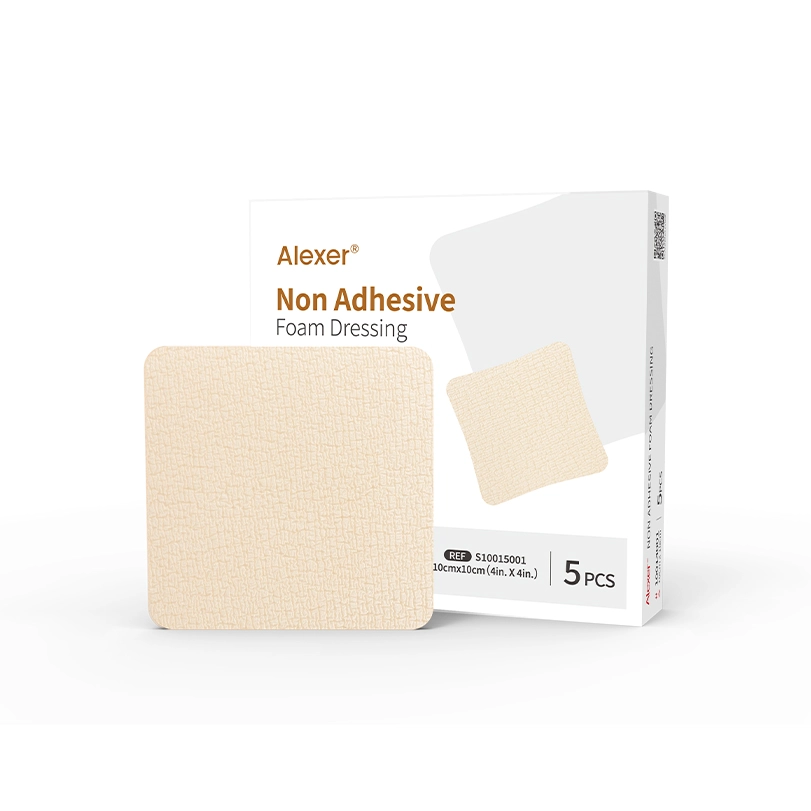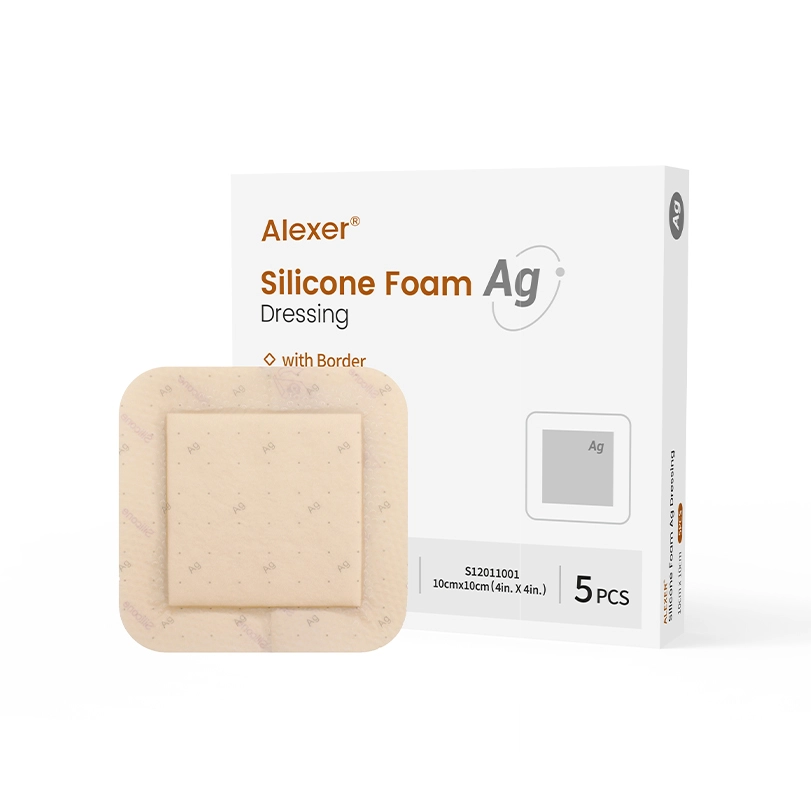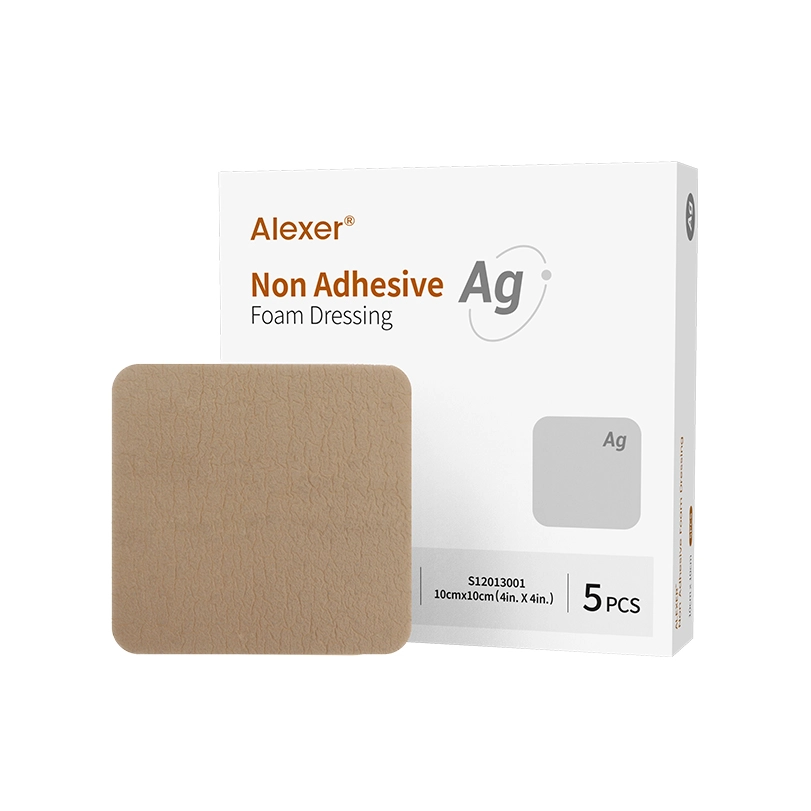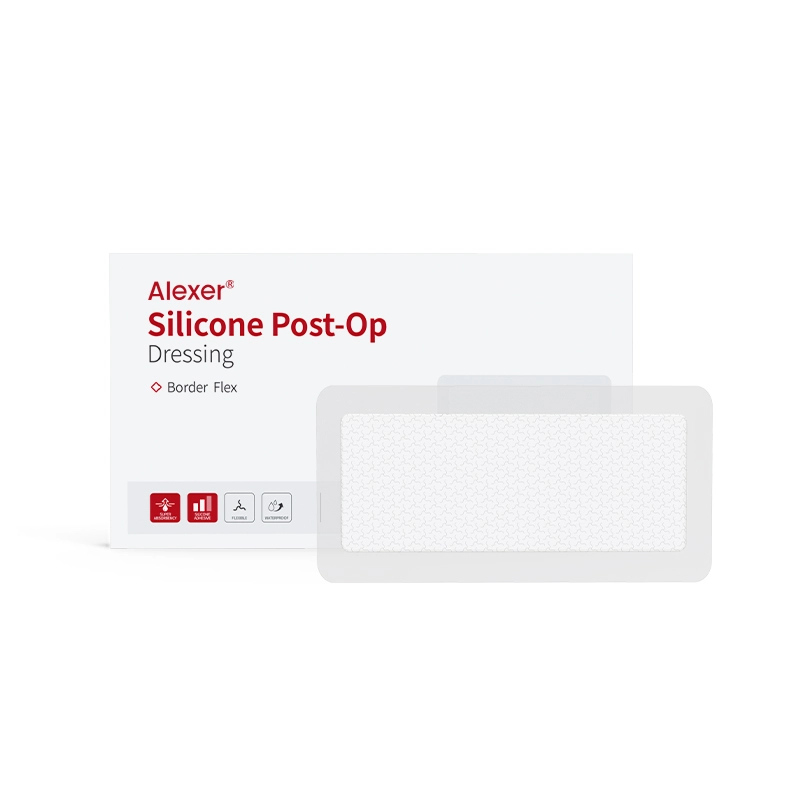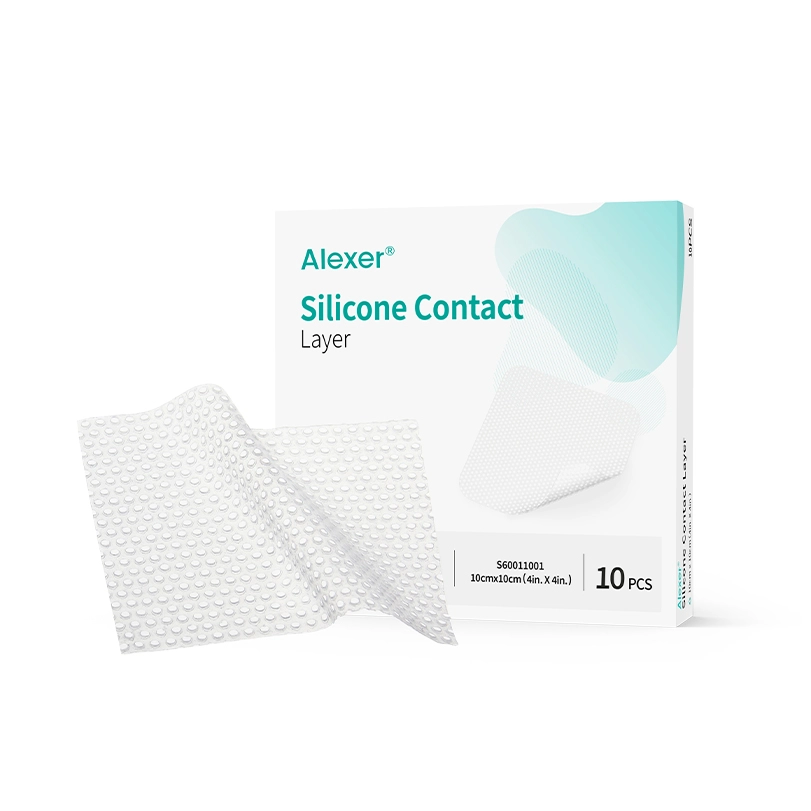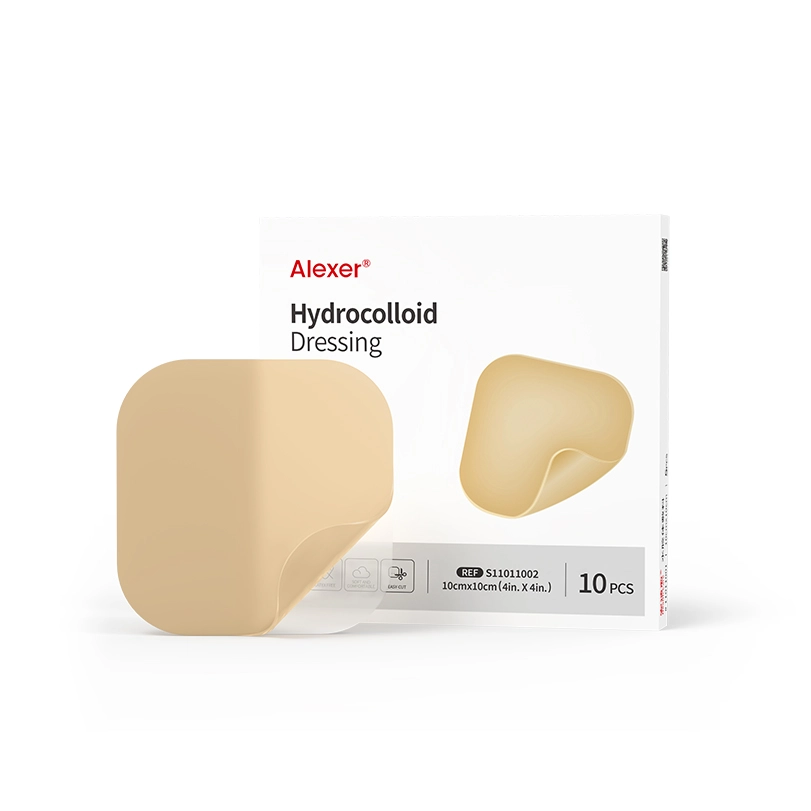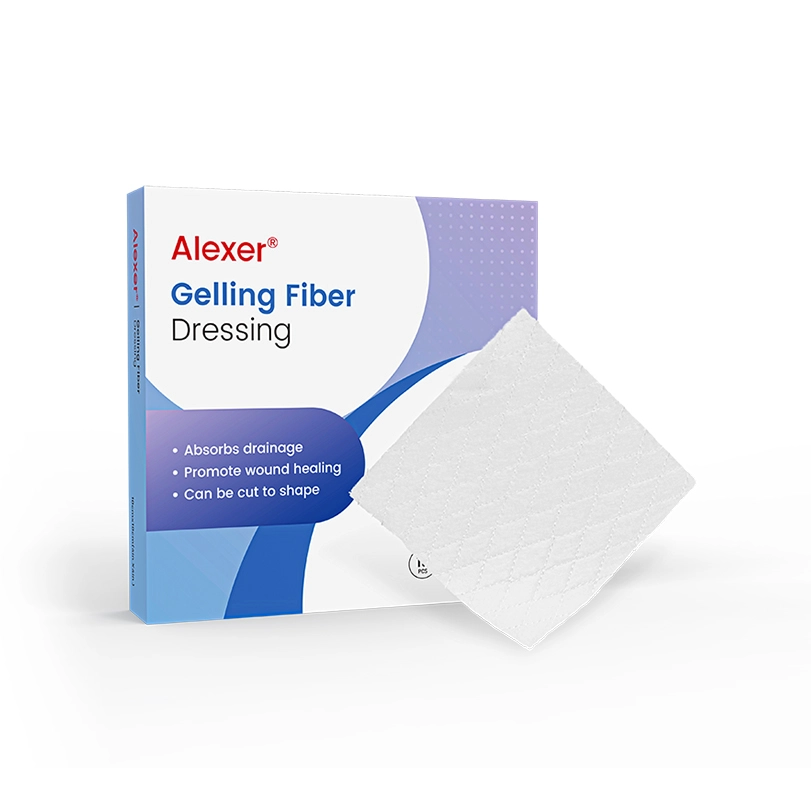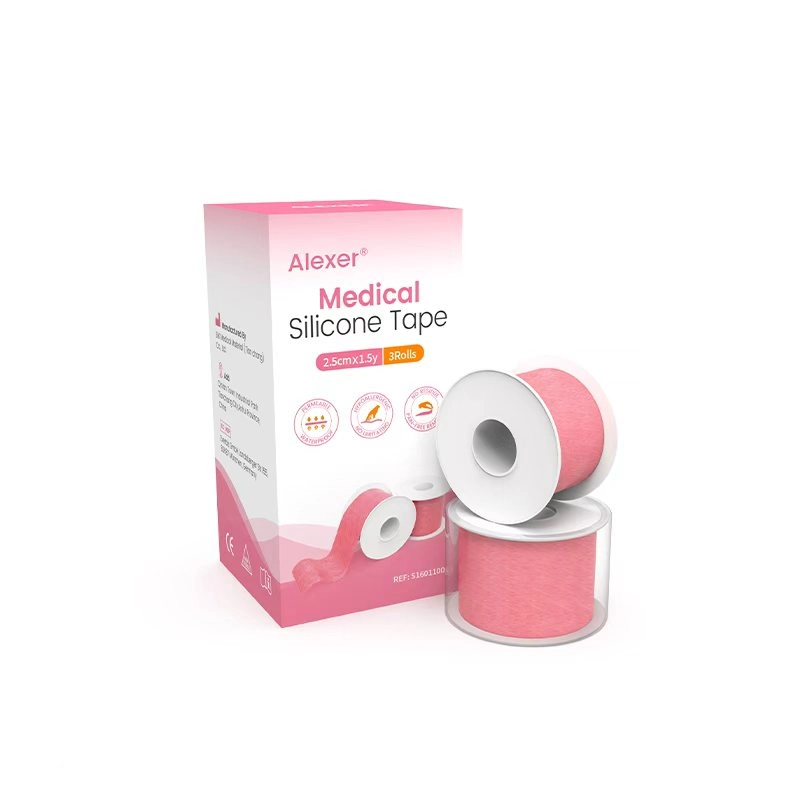


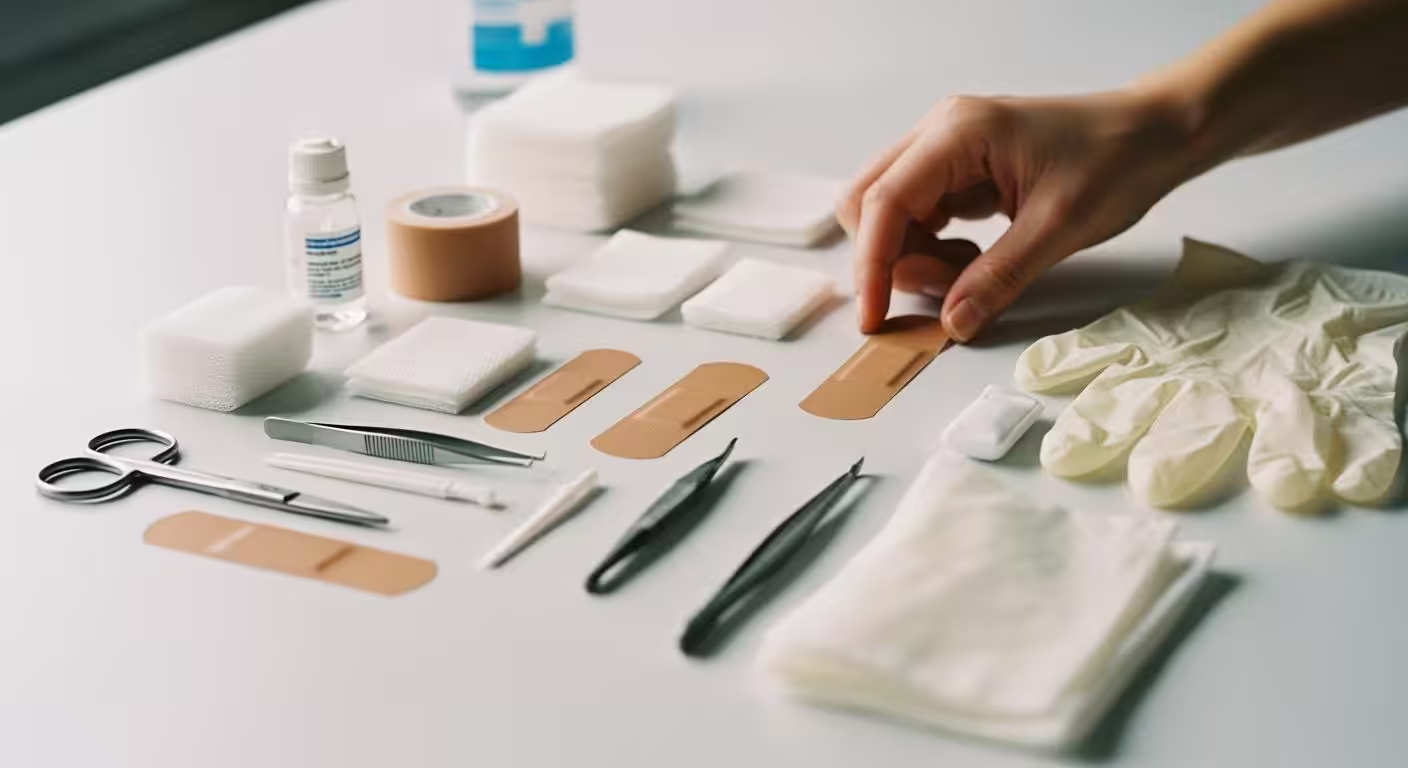
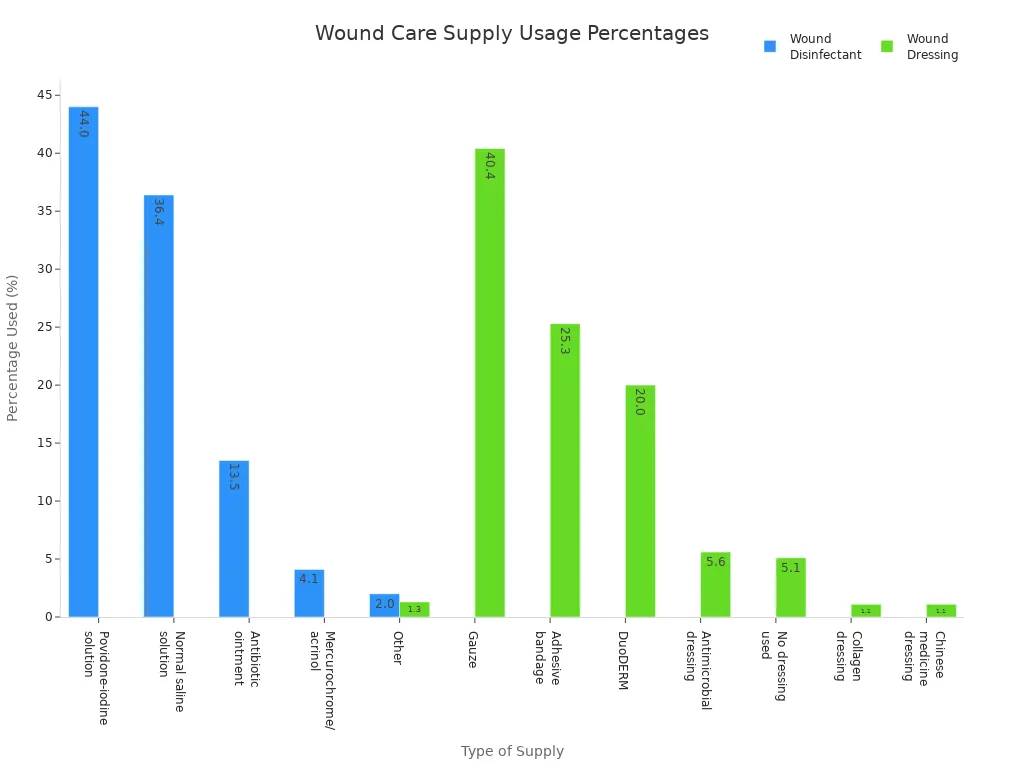
You want wounds to heal well, right? Start with the right wound care supplies. You need medical disinfectants like povidone-iodine or saline solution. These help clean wounds and stop infection. Medical gauze and adhesive bandages protect your skin. They also help wounds heal better. Good products, like those from SLK Medical, help sensitive skin, one of wound care supply companies. They are also good for chronic wounds.
|
Percentage Used (%) |
|
|---|---|
|
Povidone-iodine solution |
44.0 |
|
Normal saline solution |
36.4 |
|
Antibiotic ointment |
13.5 |
|
Mercurochrome/acrinol |
4.1 |
|
Other |
2.0 |
|
Type of Wound Dressing |
Percentage Used (%) |
|---|---|
|
Gauze |
40.4 |
|
Adhesive bandage |
25.3 |
|
DuoDERM |
20.0 |
|
Antimicrobial dressing |
5.6 |
|
No dressing used |
5.1 |
|
Collagen dressing |
1.1 |
|
Chinese medicine dressing |
1.1 |
|
Other |
1.3 |
When you pick advanced wound care supplies, you lower infection risk. These supplies help wounds heal faster. You can feel sure about caring for wounds with the right products.
Key Takeaways
-
The right wound care supplies help wounds heal fast. Disinfectants and dressings lower the chance of infection.
-
Clean wounds with gentle solutions every time. Use sterile gloves to stop germs and help healing.
-
Keep your wound care supplies neat and easy to find. This helps you act fast when you need to care for a wound.
Essential Wound Care Supplies
When you care for wounds, you need the right wound care supplies. These items help you clean wounds. They protect and heal wounds at home or in a clinic. Each supply helps stop infection and helps wounds heal.
Tip: Keep your wound dressing kits neat and ready. This makes cleaning wounds safer and faster.
Wound Cleansers and Antiseptics
First, you clean the wound. Wound cleansers and antiseptics wash away germs and dirt. This step stops infection. You can use saline, hydrogen peroxide, or antibiotic solutions. For small cuts, antibiotic antiseptic solutions work well. For scrapes, alcohol-based antiseptics help, but they may sting. Chronic wounds need broad-spectrum antimicrobial cleansers. Saline is gentle and safe for most wounds.
|
Wound Type |
Notes |
|
|---|---|---|
|
Acute, minor cuts and burns |
Antibiotic antiseptic solutions |
Cleans and protects against contamination. |
|
Scrapes and skin abrasions |
Alcohol-based antiseptics |
Good for quick rinse, but may harm healthy skin. |
|
Dirty or necrotic wounds |
Antimicrobial wound cleansers |
Reduces infection rates and helps healing. |
|
General cleansing |
Normal saline (0.9% NaCl) |
Safe for non-contaminated wounds. |
|
Chronic wounds |
Broad-spectrum antimicrobial cleansers |
Helps healing and reduces bacteria. |
Cleaning wounds the right way lowers infection risk. Experts say using the right solutions helps a lot. You can get advanced wound care supplies for cleaning at SLK Medical.
Sterile Gauze Pads
Sterile gauze pads are important in wound dressing kits. Gauze absorbs fluids and covers wounds. Gauze sponges and rolls come in many sizes. Gauze pads keep wounds clean and dry. You can use them for pressure relief or to cushion sore spots.
|
Evidence Type |
|
|---|---|
|
Woven Gauze |
Needs force to remove, may cause trauma. |
|
Wet-to-Dry Dressings |
Can hurt the wound and spread bacteria. |
|
Nonocclusive Nature |
Bacteria can pass through dry gauze layers. |
Pick sterile gauze for better protection. SLK Medical has high-quality gauze for sensitive skin and chronic wounds.
Adhesive Bandages
Adhesive bandages are simple to use. Put them over small cuts or scrapes. They keep dirt and germs out. Bandages help wounds heal faster. Some bandages work better than others. Polyurethane dressings heal and look better than regular adhesive bandages.
|
Rate of Reepithelialization |
Cosmetic Appearance |
Depression Level |
|
|---|---|---|---|
|
Copolymer of Polyurethane Dressing |
Superior |
Better |
Less |
|
Adhesive Bandages |
Inferior |
Worse |
More |
You can buy advanced bandages and dressings at SLK Medical. These products help wounds heal and feel comfortable.
Medical Tape
Medical tape holds bandages and dressings in place. Use tape to keep gauze pads and non-stick pads secure. High-adhesion tapes like Tegaderm and ThermoTape work well for wound care supplies. Tegaderm works for all ages. ThermoTape may lower pain when you change dressings.
-
Medical tape keeps dressings in place.
-
It helps wounds stay protected.
-
Some tapes lower pain when you take them off.
SLK Medical has medical tape that is gentle and strong.
Non-Stick Pads
Non-stick pads make changing dressings easier. Put these pads over wounds so they do not stick. Non-adherent pads lower pain and trauma. They keep wounds moist, which helps cells grow and heal.
|
Description |
Impact on Pain and Trauma During Dressing Changes |
|---|---|
|
Non-adherent pads prevent sticking to the wound, reducing pain during removal. |
This minimizes tissue damage and discomfort, making dressing changes smoother. |
|
They maintain a moist healing environment, promoting cell growth. |
A moist environment aids healing and lowers the chance of reopening wounds. |
|
Designed for easy removal without harming the wound. |
This design decreases trauma during dressing changes. |
You can find non-stick pads in wound dressing kits from SLK Medical. These pads are great for sensitive skin.
Disposable Gloves
Disposable gloves protect you and the patient. Medical gloves block germs and fluids. Always wear gloves when you handle wounds. Medical gloves stop cross-contamination. Change gloves between patients or tasks. Throw away gloves the right way to keep things clean.
-
Gloves block harmful germs.
-
Medical gloves protect you and the patient.
-
Using and throwing away gloves the right way keeps wounds safe.
SLK Medical has medical gloves that fit well and feel good.
Scissors and Tweezers
Scissors and tweezers are key tools in wound dressing kits. Use scissors to cut gauze, bandages, or tape. Tweezers help you remove dirt or place dressings. Clean these tools before and after you use them. Sharp scissors and tweezers make wound care supplies easier to use.
Note: Always keep scissors and tweezers in your kits. Clean them after each use to stop infection.
Table: Categories of Essential Wound Care Supplies
|
Category |
Description |
|---|---|
|
Cleaners and Antiseptics |
Wash away dirt and bacteria, prevent infection. Includes saline and hydrogen peroxide. |
|
Dressings and Bandages |
Protect wounds and help healing. Includes hydrocolloid, foam, and alginate dressings. |
|
Gloves and Barrier Equipment |
Block contaminants, keep the environment clean. |
|
Gauze and Tapes |
Absorb fluids and secure dressings. Gauze sponges, gauze rolls, and medical tape. |
|
Specialty Items for Advanced Care |
Used for severe wounds, like drainage collectors and pressure bandages. |
You need all these wound care supplies in your kits. They help you clean wounds, stop infection, and give pressure relief. SLK Medical is a trusted source for advanced wound dressing supplies. Their products help healing, comfort, and safety for sensitive skin and chronic wounds.
Types of Bandages and Dressings

Picking the right bandage helps wounds heal better. SLK Medical has many choices for different wounds. Some dressings keep wounds moist. Others help stop infection. Some make you feel more comfortable. Let’s see which ones are best for you.
Silicone Foam Dressings (SLK Medical)
These dressings work well for wounds with lots of fluid. They keep wounds moist and help them heal faster. The surface is soft and does not stick to skin.
-
Silicone foam dressings help wounds heal quickly.
-
You can wear them for days without changing often.
-
This means less pain and less harm to your skin.
-
Studies show they work better than regular gauze for deep wounds.
Non Adhesive Foam Dressings (SLK Medical)
These dressings are good for wounds that need little skin contact. They do not stick to wounds. This makes changing dressings less painful.
-
Non-adhesive foam dressings help wounds heal fast.
-
They do not stick, so changing them does not hurt much.
-
These dressings are great for people with weak skin.
-
Healing rates are high for skin tears in three weeks.
Silicone Foam Ag Dressings (SLK Medical)
These dressings have silver ions that fight germs. They help stop infection and keep wounds moist.
-
Silver ions kill bacteria and lower infection risk.
-
You can use these dressings for wounds that heal slowly or after surgery.
Super Absorbent Dressings (SLK Medical)
These dressings are best for wounds with lots of fluid. They soak up fluid fast and keep it locked inside.
-
Super absorbent dressings take in lots of fluid.
-
They protect skin around the wound and need fewer changes.
-
Studies show they help wounds heal and save time.
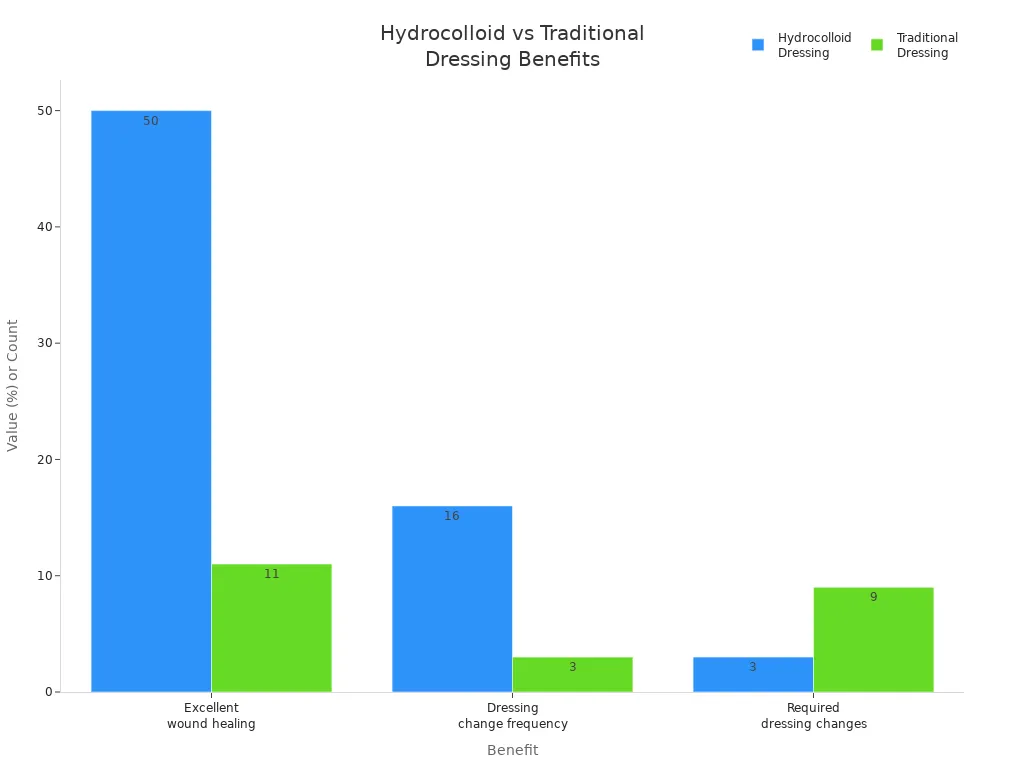
Hydrocolloid Dressings (SLK Medical)
These dressings make a moist cover over wounds. They help wounds heal faster and hurt less. They are good for shallow wounds and small burns.
|
Benefit |
Traditional Dressing |
|
|---|---|---|
|
Great wound healing |
50% |
11% |
|
Change frequency |
16% |
3% |
|
Easy to put on |
Easier |
N/A |
|
Easy to take off |
Easier |
N/A |
|
Needed changes |
3 |
9 |
|
Recovery time (median) |
12 days |
N/A |
|
Infection rate |
2 |
1 |
Transparent Dressings (SLK Medical)
These dressings let you see wounds without taking them off. They keep wounds moist and block germs. They are good for small wounds and IV sites.
|
Feature |
Benefit |
|---|---|
|
See wounds all the time |
You can check wounds every day without removing the dressing. |
|
Moisture and air flow |
Keeps wounds damp and blocks germs. |
|
Fewer changes needed |
Less harm to skin and more comfort. |
|
Lower infection risk |
Protects IV sites from bacteria. |
|
Lasts a long time |
Can stay on for up to 7 days. |
Silicone Wound Contact Layers (SLK Medical)
These dressings go between wounds and other dressings. They stick gently and do not hurt skin. They help keep wounds moist and block germs.
|
Advantage |
Description |
|---|---|
|
Gentle stickiness |
Sticks softly and does not hurt skin. |
|
Less pain when changing |
Hurts less than strong sticky dressings. |
|
Keeps wounds moist |
Helps wounds heal by keeping them damp. |
|
Blocks germs |
Stops outside germs and lowers infection risk. |
SLK Medical dressings work for many kinds of wounds. Gauze is good for simple wounds. Advanced dressings help with wounds that are hard to heal. These choices make wound care easier and safer for you.
Choosing Wound Care Supplies
Picking the right wound care supplies makes a big difference in healing. You want to match each product to your wound’s needs. Let’s break down what you should look for.
Assessing Wound Type
Start by looking at the wound. Is it dry, wet, deep, or infected? Each type needs a different approach. Here’s a quick guide:
|
Type |
Use |
Duration |
|---|---|---|
|
Silver |
For infected wounds |
Up to 7 days |
|
Alginate |
For wounds with lots of fluid |
1-7 days |
|
Foam |
For protection and moisture balance |
1-7 days |
|
Hydro fibre |
For filling deep or uneven wounds |
As needed |
Other things matter too. Your nutrition, age, and any medical conditions can affect healing. Where the wound sits on your body and how much pressure it gets also play a role.
Size and Location Considerations
Wound size and spot matter. A big wound or one on a joint needs a dressing that stays put and covers well. Always check the wound’s shape and location before picking supplies. Good documentation helps you set goals and track progress.
Sensitivity and Allergies
Many people have sensitive skin or allergies, especially with chronic wounds. Up to 82.5% of people with leg ulcers react to at least one medical product. Always choose gentle, hypoallergenic wound care supplies. SLK Medical offers products designed for sensitive skin and patient wound care.
Product Quality and Expiry
Never use expired or low-quality medical supplies. Old products may not work and can cause infections or skin problems. Always check the expiry date and packaging. High-quality wound care supplies, like those from SLK Medical, keep wounds safe and healing on track.
Tip: When in doubt, ask your medical provider for advice on the best supplies for your needs.
Using and Storing Supplies
Taking care of wounds goes beyond picking the right products. You also need to know how to use and store your supplies. This helps wounds heal faster and keeps everything safe and clean.
Application Techniques
You want to get the most out of your wound care supplies. Here are some tips to help you apply them the right way:
-
Clean the wound with sterile saline solution. Avoid harsh cleaners that can hurt the skin.
-
Remove dead tissue using the right method. You might use gentle cleaning, special gels, or a sharp tool if a doctor says it’s okay.
-
Always use sterile gloves when touching wounds or supplies.
-
Apply dressings that fit the wound’s size and shape. Make sure they cover the area well.
-
Use topical creams or ointments only if your doctor tells you to.
Hygiene Practices
Keeping things clean is key to stopping infection. Check out this table for the best hygiene steps:
|
Hygiene Practice |
Description |
|---|---|
|
Hand Hygiene |
Wash hands well with soap and water before and after touching a wound or supplies. |
|
Proper Wound Cleaning |
Clean wounds gently with saline to avoid irritation. |
|
Use Sterile Supplies |
Always use sterile gloves, dressings, and supplies to keep bacteria away. |
|
Apply the Right Dressing |
Pick dressings that match the wound type and stage. |
|
Change Dressings Regularly |
Stick to a schedule for changing dressings to keep wounds clean. |
|
Monitor for Signs of Infection |
Watch for redness, swelling, or pus. Get medical help if you see these signs. |
Tip: Never reuse gloves or dressings. Throw them away after each use.
Storage Tips
You want your wound care supplies to stay clean and ready to use. Here’s how you can store them safely:
-
Keep all supplies in a dry, cool place away from sunlight and moisture.
-
Store sterile items in their original packaging until you need them.
-
Don’t overload storage bins. Stack supplies neatly to avoid damage.
-
Check packages for dirt or damage. If you see any, throw them out.
-
Keep medical supplies away from food or cleaning products.
Taking these steps helps you keep your supplies safe and your wound care routine effective.
When to Seek Help
You might wonder when it’s time to call a doctor about a wound. Sometimes, wounds heal on their own with good care. Other times, you need medical help to keep things safe. Knowing the warning signs can help you act fast and avoid bigger problems.
Signs of Infection
If you notice any of these signs, don’t wait. Get help from a medical professional right away:
-
Pain or redness that gets worse around the wound
-
Swelling and warmth in the skin near the wound
-
Drainage or discharge, especially if it looks yellow, green, or smells bad
-
Fever, chills, or feeling tired and sick
-
Pus in the wound
-
Wound not getting better after a few days
-
Fast changes like confusion or severe muscle pain
Tip: If you see pus or feel feverish, your body might be fighting an infection. Quick action can prevent serious problems.
Wounds Needing Medical Attention
Some wounds need more than home care. Here’s a table to help you spot when you should see a doctor:
|
Type of Wound Complication |
Description |
Management |
|---|---|---|
|
Infection |
Bacteria can cause redness, swelling, and pus. |
Doctors may use antibiotics or surgery. |
|
Wound Dehiscence |
The wound opens up again after closing. |
Medical care and sometimes surgery help. |
|
Hemorrhage |
Bleeding that won’t stop. |
Pressure or medical treatment is needed. |
If you see any of these problems, reach out to your medical provider. Getting help early can make healing easier and safer.
You want your wounds to heal well, so keep supplies ready. SLK Medical has advanced products that help you heal faster. These products also help you feel less pain. Look at the table below to see why these supplies are important:
|
Benefit |
Why It Matters |
|---|---|
|
Patient comfort |
Less pain and stress for sensitive skin |
|
Faster healing |
Shorter recovery times, fewer problems |
|
Infection prevention |
|
|
Cost savings |
Fewer hospital visits, less money spent |
|
Innovation |
New materials help healing and comfort |
Having the right supplies helps you feel sure and heal better. If you see any problems, talk to your doctor.
-
The right wound care supplies help you heal faster and lower infection risk.
-
You feel more sure when you know what to use.
-
Being prepared means less worry and better healing.
FAQ
How often should you change a wound dressing?
You should change your dressing when it gets wet or dirty. For most wounds, once a day works well. Always follow your doctor’s advice.
Can you shower with a wound dressing on?
Yes, you can shower if you use a waterproof dressing. Try not to soak the wound. Pat the area dry after your shower.
What should you do if a wound looks worse?
-
Call your doctor if you see more redness, swelling, or pus.
-
Don’t wait if you feel feverish or the pain gets stronger.