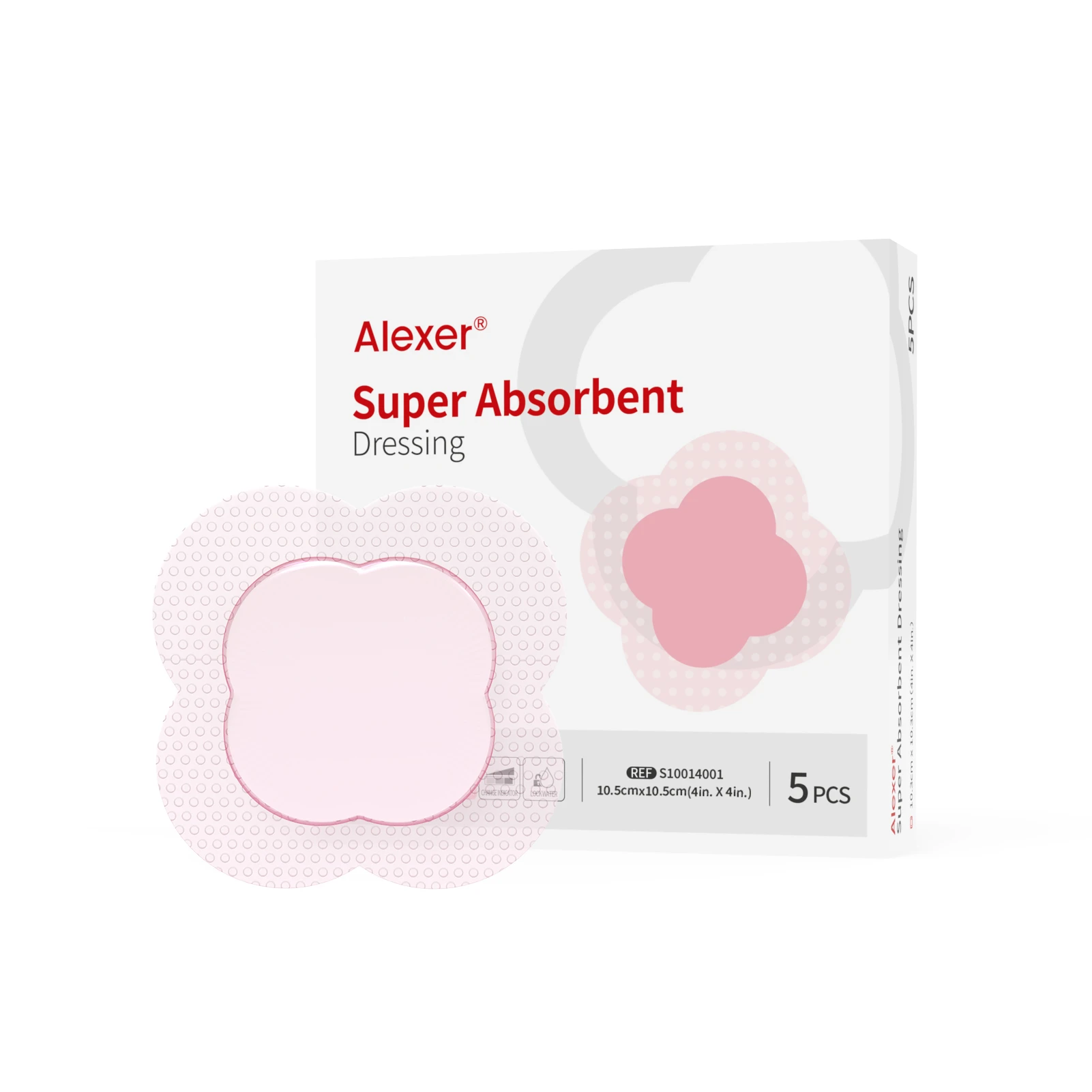
You can use a silicone foam dressing for wounds with a lot of fluid. These wounds include pressure ulcers, diabetic foot ulcers, burns, and wounds after surgery. Advanced wound care is now more important because more people use these products. The market for foam dressings may reach over USD 3 billion by 2032. SLK Medical has new silicone foam dressings. These dressings protect sensitive skin. They also help you care for chronic wounds better.
Key Takeaways
-
Silicone foam dressings work well for wounds with lots of fluid, like pressure ulcers and diabetic foot ulcers. These dressings have a soft silicone layer. This layer lets you take them off without pain. They are good for people with sensitive skin. SLK Medical’s silicone dressings use special D-Pore™ technology. This helps them soak up more fluid and let air in. Using silicone foam dressings can help wounds heal faster. They also make people feel more comfortable with chronic wounds. Pick silicone dressings because they protect skin better. They also last longer, so you do not have to change them as often.
What is a silicone foam dressing?
Structure and materials
A silicone foam dressing is more than a regular bandage. It has many layers that help wounds heal faster and stay safe. The main parts are a soft silicone contact layer, an absorbent foam layer, and a polyurethane film backing. The silicone layer gently sticks to your skin. It does not hurt when you take it off. The foam layer soaks up extra fluid from the wound. It keeps the area moist. The polyurethane film backing stops water and germs. It lets air move through, so your skin can breathe.
SLK Medical uses special D-Pore™ technology in their silicone dressings. This technology makes tiny holes in the foam. It helps the dressing soak up fluid better and lets air pass through. The layers help keep moisture, let oxygen in, and keep the wound warm. These things help your wound heal in the best way.
How silicone foam dressings work
Silicone foam dressings help control fluid from wounds and protect your skin. When you put the dressing on, the silicone layer seals the wound and keeps it comfy. The foam layer pulls in fluid and holds it. This keeps the wound clean and not too wet. The nonwoven layer gives support and helps the dressing keep its shape. The polyurethane film stops water and germs but lets vapor out. This keeps the wound from getting too wet.
Here is a table that shows what each layer does in SLK Medical’s D-Pore™ silicone dressings:
|
Layer Type |
Function |
|---|---|
|
Foam Layer |
Cushions and lowers pressure, making you more comfortable. |
|
Superabsorbent Fiber Layer |
Pulls in and holds wound fluid, keeping the area clean. |
|
Nonwoven Layer |
Gives extra support and shape to the dressing. |
|
Polyurethane Backing Film |
Blocks germs and water but lets vapor out, keeping a moist wound healing environment. |
|
Perforated Silicone Contact Layer |
Seals the wound and makes removal gentle, reducing pain. |
You can use silicone dressings for many kinds of wounds. They are good for wounds that need extra care and comfort.
Main uses of silicone foam dressings
Pressure ulcers and bedsores
Foam dressings help stop and treat pressure injuries. Hospitals use silicone dressings for people who stay in bed a lot. These dressings protect your skin and lower the chance of getting pressure ulcers. SLK Medical has silicone foam dressings for different body parts, like the sacrum and heel. You can use them to stop pressure ulcers or help wounds heal.
Here is a table that shows what studies say about silicone foam dressings for pressure ulcers:
|
Study Type |
Findings |
|---|---|
|
Quantitative |
Most studies show they help lower pressure sores in people who stay in bed. |
|
Mixed Methods |
Studies say silicone foam dressings work well with other care steps. |
|
Qualitative |
Shows it is important to use silicone foam dressings in normal care routines. |
This table shows silicone foam dressings work well to stop pressure ulcers. You can use them to protect your skin if you might get pressure injuries. Nurses often use silicone adhesive multilayer foam dressings for people who need more protection. You can use these dressings in your group and compare with a group that does not use them to see how well they work.
-
Silicone foam dressings help stop pressure injuries.
-
They protect the skin for people who might get pressure injuries.
Diabetic and venous leg ulcers
Some wounds do not heal fast, like diabetic foot ulcers or venous leg ulcers. Foam dressings help by soaking up fluid and keeping the wound moist. SLK Medical’s silicone dressings are gentle on sensitive skin. You can use these dressings for wounds that last a long time. The foam layer holds fluid and stops the skin from breaking down. You can use silicone adhesive multilayer foam dressings in your group to help healing. You can check results with another group to see how well they work.
Burns and post-op wounds
You can use foam dressings for burns and wounds after surgery. These wounds leak fluid and need to be kept safe from germs. SLK Medical’s silicone foam dressing makes a barrier to keep water and bacteria out. You can use these dressings to help wounds heal faster. The foam layer soaks up fluid and keeps the wound moist. You can use silicone dressings for burns and surgical wounds in your group. You can compare healing with another group to see the benefits.
Tip: Pick SLK Medical’s foam dressings for wounds that need to soak up a lot of fluid and come off gently. These dressings help you avoid pain and protect weak skin.
Sensitive skin and chronic wounds
If you have sensitive skin or a wound that lasts a long time, you need special care. SLK Medical’s foam dressings have a soft silicone layer that does not stick to your skin. You can take off the dressing without pain or hurting your skin. These dressings help you take care of wounds that do not heal fast. You can use silicone dressings for long-lasting wounds in your group. You can check comfort and healing with another group. You may see better healing and less pain.
You can use silicone foam dressings for many kinds of wounds. You can pick SLK Medical’s foam dressings for pressure ulcers, diabetic foot ulcers, burns, and wounds that last a long time. You can trust these dressings to protect your skin and help wounds heal.
Benefits of silicone dressings from SLK Medical
Exudate management and absorption
Foam dressings need to handle lots of fluid. SLK Medical silicone dressings do this well. The foam layer pulls in exudate and keeps it off your skin. This stops leaks and keeps wounds clean. These dressings use special technology to lock in moisture. This gives wounds a moist place to heal. Wounds can heal faster this way.
Here is a table that shows how these foam dressings help with exudate:
|
Benefit |
Description |
|---|---|
|
Effective Absorption |
Silicone foam dressings soak up exudate well and stop leaks. |
|
Minimizes Trauma |
The soft silicone layer is gentle and does not hurt skin when changed. |
You can see that silicone foam dressings help wounds better than regular ones. People using these dressings often heal better than those who do not.
Skin protection and comfort
You want dressings that keep your skin safe and feel nice. SLK Medical silicone dressings have a soft silicone layer. This layer sticks softly and does not hurt when you take it off. Many people pick these dressings for skin tears. The group using these dressings feels less pain and more comfort than others.
-
SLK Medical foam dressings are bought again by many people. This shows people trust them for comfort and safety.
-
People using these dressings often like them more than other kinds.
-
People not using them may not feel as comfortable.
You can use these dressings for sensitive skin and wounds that last a long time. They help you feel safe and comfy every day.
Pain-free removal and extended wear
You do not want pain when changing dressings. SLK Medical silicone foam dressings come off easily and gently. The silicone layer does not stick to wounds, so it does not hurt to remove. You can wear these dressings for many days. You do not need to change them often. People using these dressings change them less than others.
The benefits of silicone dressings from SLK Medical are:
-
They soak up lots of exudate
-
They protect skin and feel comfortable
-
They come off without pain and last longer
These foam dressings help wounds heal better. You can trust them for all your wound care.
Silicone foam vs. other foam dressings
Comparison with traditional foam dressings
You might wonder how silicone dressings are different from regular foam dressings. SLK Medical silicone dressings use D-Pore™ technology. This helps the dressing soak up more fluid. It also lets your skin breathe better. The silicone layer does not stick to your wound. You can take it off without pain. Regular foam dressings often stick to your skin. This can hurt when you remove them. You may get more skin damage with regular foam dressings. Silicone adhesive multilayer foam dressings protect your skin better. You feel less pain and more comfort.
|
Feature |
Silicone Dressings (SLK Medical) |
Traditional Foam Dressings |
|---|---|---|
|
Absorption |
High |
Moderate |
|
Breathability |
Excellent |
Good |
|
Pain-free Removal |
Yes |
No |
|
Skin Protection |
Superior |
Basic |
Comparison with hydrocolloid and alginate dressings
You may also see hydrocolloid and alginate dressings used for wounds. Hydrocolloid dressings work best for wounds with little fluid. They do not handle lots of drainage well. Alginate dressings come from seaweed. They soak up a lot of fluid. But they may not protect your skin as gently. Silicone dressings soak up fluid and feel soft. You can use them for wounds needing comfort and strong fluid control. Silicone adhesive multilayer foam dressings help with chronic wounds and sensitive skin.
Note: You can use silicone dressings for wounds that need gentle care and strong absorption. You may see better results than with other dressings.
When to choose SLK Medical silicone foam dressings
Pick SLK Medical silicone foam dressings for wounds with moderate or high fluid. These foam dressings work well for pressure ulcers and diabetic foot ulcers. They also help with wounds after surgery. If you care for sensitive skin, silicone dressings help you avoid pain. You can use them to see better comfort and healing. These foam dressings last longer. You do not need to change them often. You can trust them for many wound types.
-
Use for wounds with moderate or high fluid
-
Choose for sensitive or fragile skin
-
Pick for longer wear and fewer changes
-
Try in your group for better results
You can count on silicone foam dressings for many wound types. These dressings help control fluid and keep your skin safe. They also help wounds heal better. SLK Medical uses new technology and cares about the environment. Their products are good for people and nature. Pick SLK Medical silicone foam dressings for more comfort and better healing. Always ask your doctor for advice that is right for you.
FAQ
How often should you change a silicone foam dressing?
You should change the dressing every 3 to 7 days. If the dressing becomes soaked or dirty, change it sooner. Always follow your healthcare provider’s advice.
Can you shower with a silicone foam dressing on?
Yes, you can shower with the dressing on. The waterproof backing keeps water out and protects your wound. Pat the area dry after your shower.
Is a silicone foam dressing safe for sensitive skin?
You can use silicone foam dressings on sensitive skin. The soft silicone layer gently sticks to your skin and does not cause pain when you remove it.
What types of wounds work best with silicone foam dressings?
You can use these dressings for pressure ulcers, diabetic foot ulcers, burns, and surgical wounds. They work best for wounds with moderate to heavy fluid.
Do silicone foam dressings help reduce pain during removal?
Yes! The silicone layer does not stick to the wound. You can remove the dressing without pain or skin damage.