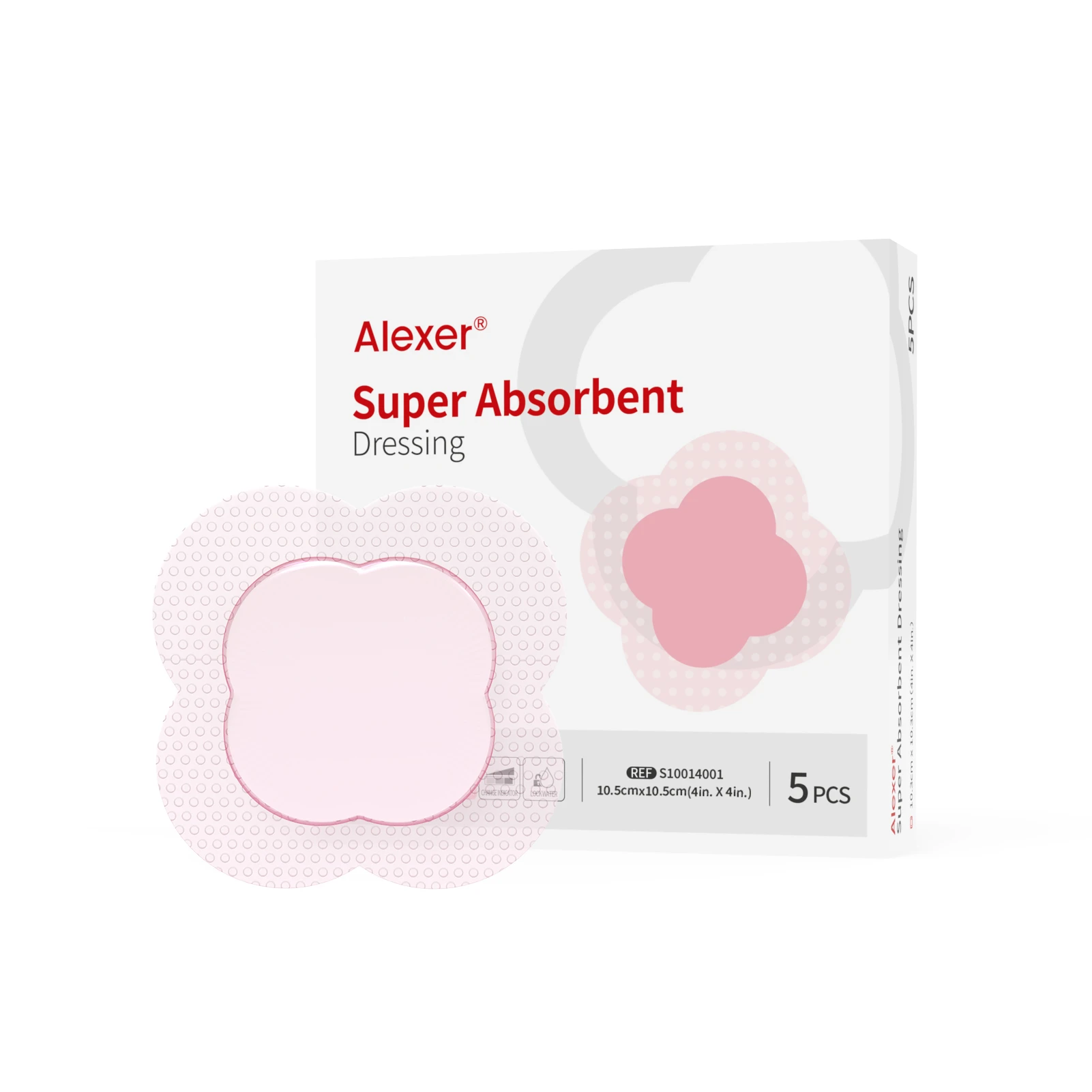
When you pick between alginate dressing and hydrocolloid dressing, think about what your wound needs. Alginate dressing is best for wounds with a lot of fluid, like burns or ulcers. It helps wounds heal faster because it soaks up more fluid. Hydrocolloid dressings are good for shallow wounds that do not have much fluid. They can stay on the skin for many days. Here is how often these wounds happen in different places:
|
Region |
|
|---|---|
|
USA |
1% |
|
Europe |
0.8% |
|
Australia |
0.86% |
|
China |
0.8-1% |
|
India |
0.6-1% |
-
Alginate dressings help wounds with lots of fluid heal faster.
-
Hydrocolloid dressings work well for shallow wounds with less fluid.
SLK Medical gives you better wound care with the trusted Alexer® product line.
Key Takeaways
-
Pick alginate dressings for wounds with lots of fluid. They soak up extra liquid and help wounds heal faster.
-
Use hydrocolloid dressings for shallow wounds with little fluid. They keep the wound wet and block germs from getting in.
-
Always pick the right dressing for your wound. This stops problems and helps you heal quicker.
-
Ask a healthcare worker if you do not know which dressing to use. Their help can make healing better.
-
SLK Medical sells safe wound care products you can trust. Their dressings are comfy and help wounds heal well.
Overview of Wound Dressings
Wound dressings help wounds heal. They protect the wound and keep it clean. Dressings also help your body fix itself. There are many kinds of dressings for different wounds. Some keep the wound wet. Others soak up extra fluid or block germs.
Here is a table that lists some main types of wound dressings and what they do:
|
Type of Dressing |
Description |
Indications for Use |
|---|---|---|
|
Contact Layer Dressings |
These liners do not stick. They protect wounds and make changes less painful. |
They protect the wound bed, help with skin tears, and manage scars. |
|
Foam Dressings |
These dressings keep moisture in and block germs. |
They help with pressure ulcers, small burns, and diabetic ulcers. |
|
Gellable Fiber Dressings |
These covers soak up fluid and help wounds heal. |
They work for chronic wounds, pressure injuries, and burns. |
|
Silver Dressings |
These dressings fight germs and help stop infections. |
They are used for infected wounds, chronic wounds, and surgical wounds. |
What Is an Alginate Dressing?
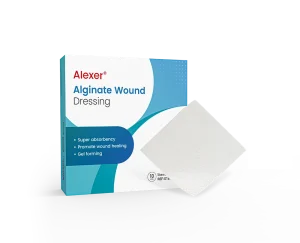
Alginate dressing is made from seaweed. It is used for wounds that leak a lot. When it touches the wound, it turns into a soft gel. This gel keeps the wound wet and helps it heal. Alginate dressings can help stop small bleeding. They work well for pressure ulcers, burns, and deep wounds with lots of fluid. SLK Medical’s Alexer alginate dressing uses seaweed fibers for strong soaking and comfort.
What Are Hydrocolloid Dressings?
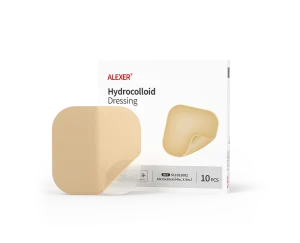
Hydrocolloid dressings have two layers. The inside layer turns into a gel when it touches wound fluid. The outside layer keeps water and germs out but lets air in. You use hydrocolloid dressings for wounds with a little fluid. These dressings help wounds heal by keeping them wet. They also protect the wound and make changing the dressing less painful. SLK Medical’s Alexer hydrocolloid dressing is thin, bends easily, and works on many body parts.
Key Differences
-
Alginate dressings soak up more fluid than hydrocolloid dressings.
-
Alginate dressings make a gel that lasts longer and helps with lots of fluid.
-
Hydrocolloid dressings are best for wounds with less fluid and keep the wound moist and safe.
SLK Medical has both types of dressings, so you can pick the best one for your wound care.
Healing Effectiveness
Alginate Dressing for Healing
You want your wound to heal fast and safely. Alginate dressing can help you do this. When you put alginate on a wound, it turns into a soft gel. This gel keeps the wound wet and helps new skin grow. Alginate dressings are best for wounds with lots of fluid, like ulcers or burns. They also help stop small bleeding.
Many studies have checked how alginate dressings help wounds heal. Some research shows these dressings can make wounds heal faster and give better results for long-lasting wounds. Other reviews say alginate dressings do not always make wounds heal quicker. You should ask your doctor if alginate is good for your wound.
Here is a table that shows what different studies found about alginate dressings:
|
Study Title |
Findings |
|---|---|
|
Chronic Wounds and Their Therapy with Alginate-Based Dressings |
Many studies show good results when using alginate dressings for chronic wounds. |
|
Journal of Clinical & Experimental Dermatology Research |
The study says alginate dressings can help wounds heal faster and better, which matches what nine other trials found. |
|
Systematic Review of RCTs on Ulcers |
Three reviews said alginate dressings do not make wounds heal much faster. |
|
The review looked at how alginate dressings help wounds heal, but some studies do not agree. |
SLK Medical’s Alexer® alginate dressing uses seaweed fibers. It soaks up extra fluid and makes a soft gel. The dressing does not stick to your skin, so it hurts less when you change it. You can use it for many kinds of wounds, both new and old.
Hydrocolloid Dressings for Healing
Hydrocolloid dressings help wounds heal by keeping them wet. When you put hydrocolloid on a wound, it mixes with the fluid and turns into a gel. This gel protects the wound and helps your skin fix itself. Hydrocolloid dressings are best for shallow wounds with little fluid.
Researchers have compared hydrocolloid dressings to other types. Some studies show hydrocolloid works better than gauze and tape. Other studies say there is not a big difference between hydrocolloid and collagen dressings. Hydrocolloid dressings may not always be better than other dressings, but they do help wounds heal and lower pain.
Here is a table that shows what studies found about hydrocolloid:
|
Study |
Comparison |
Result |
|---|---|---|
|
E627 – Graumlich et al |
Hydrocolloid vs Collagen |
No big difference in healing rates |
|
E348 – Hondé; Derks; Tudor |
Hydrocolloid vs Amino Acid Copolymer |
Amino Acid Copolymer worked better (p=0.089) |
|
Systematic Review |
Hydrocolloid vs Collagen |
No big difference in healing of venous ulcers |
|
Systematic Review |
Hydrocolloid vs Other Dressings |
Not enough proof to say one is better |
|
E169 – Hollisaz; Khedmat; Yari |
Hydrocolloid vs Gauze and Tape |
Hydrocolloid worked better (p<0.005) |
|
Systematic Review of 29 Trials |
Hydrocolloid vs Gauze |
Hydrocolloid helped wounds heal faster and get smaller |
SLK Medical’s Alexer® hydrocolloid dressing is thin and bends easily. You can use it on many body parts. It keeps your wound safe from germs and helps you feel less pain.
Clinical Evidence
You want to know which dressing helps wounds heal best. Studies show both alginate and hydrocolloid dressings help wounds heal. Some studies say alginate dressing can help wounds heal faster, but other reviews do not see a big difference. Hydrocolloid dressings often work better than gauze, but they may not always be better than other advanced dressings.
SLK Medical’s Alexer® wound dressings have special features that help you heal:
|
Feature |
Description |
|---|---|
|
High absorbency |
Soaks up extra fluid, can hold up to 23g per 100 cm² in one day. |
|
Cohesive gel |
Keeps the wound wet and helps new skin grow. |
|
Non-adherent |
Comes off easily and protects new skin. |
|
Versatile use |
Works for many wound types, both new and old. |
Tip: Pick the dressing that fits your wound and healing needs. Ask your doctor or nurse for advice.
You can trust SLK Medical’s Alexer® alginate and hydrocolloid dressings to help your wound heal. These dressings give comfort, strong protection, and help your skin stay healthy.
Absorption and Moisture Control
Alginate Dressing Absorption
You need strong absorption when your wound leaks a lot of fluid. Alginate dressing gives you this power. When you place alginate on a wound, it quickly soaks up exudate and forms a soft gel. This gel keeps the wound moist and helps your skin heal. Alginate dressings can absorb up to 20 times their weight in fluid. You get these benefits:
-
Alginate dressings wick and hold fluid away from the wound bed.
-
They keep harmful substances from slowing down wound healing.
-
The moist wound environment helps new skin grow.
-
High absorbency keeps the area dry and lowers the risk of skin breakdown.
You can trust alginate for wounds with moderate to heavy exudate. It works well for diabetic foot ulcers, surgical wounds, and deep wounds.
Hydrocolloid Moisture Management
Hydrocolloid dressings help you control moisture for wounds that do not leak much. When you use hydrocolloid, it absorbs small to moderate amounts of fluid and turns into a gel. This gel keeps the wound moist and protects it from germs. You get a dressing that:
-
Maintains a moist wound environment for better healing.
-
Helps your body clean the wound by itself.
-
Reduces pain and helps new skin cells move in.
-
Lets water vapor out at the right rate, so the wound does not dry out or get too wet.
Hydrocolloid works best for shallow wounds and in the later stages of healing.
Preventing Complications
If you do not control moisture, wounds can get worse. Too much fluid can cause the skin around the wound to break down. Too little moisture can slow healing. You can use the right wound dressings to avoid these problems. Here is a table to help you choose:
|
Dressing Type |
Key Features |
Ideal Use Cases |
|---|---|---|
|
Hydrocolloid |
Forms a gel with exudate, blocks germs, keeps wound moist |
Shallow wounds, later healing stages |
|
Alginate |
Soaks up lots of fluid, forms gel, keeps wound moist |
Wounds with heavy exudate, diabetic foot ulcers, cavity wounds, surgical wounds |
Pick the dressing that matches your wound. This helps you heal faster and keeps your skin safe.
Best Use Cases
When to Use Alginate Dressing
You should choose alginate dressing when you need strong absorption for wounds that leak a lot. This type of wound care dressing works best for wounds that need to stay moist but also need to have extra fluid removed. Alginate dressings help your wound heal by forming a soft gel that keeps the area moist and comfortable. You can use alginate for many types of wounds. Here are some examples:
-
Pressure ulcers
-
Cavity wounds
-
Venous leg ulcers
-
Post-operative wounds
-
Trauma wounds
-
Partial thickness burns
If you have a wound that bleeds a little, alginate can help stop the bleeding. You can also use this dressing for wounds that are deep or have uneven surfaces. Alginate dressings do not stick to the wound, so you feel less pain when you change them. This makes them a good choice for wounds that need gentle care.
When to Use Hydrocolloid Dressings
Hydrocolloid dressings work well for wounds that do not have much fluid. You should use hydrocolloid when your wound is clean, not infected, and has started to heal. These dressings keep the wound moist and protect it from germs. They also help your skin grow back faster. You can use hydrocolloid for wounds that are not too deep and do not bleed much.
Here is a table to help you decide if hydrocolloid is right for your wound:
|
Wound Characteristics |
Description |
|---|---|
|
Clean and uninfected |
Suitable for hydrocolloid dressings. |
|
Free of dirt or other debris |
Ensures optimal healing conditions. |
|
Dry with little to no drainage |
Ideal for maintaining a moist environment. |
|
Medium thickness |
Compatible with the dressing’s absorption capacity. |
|
Recently healed or partly healed wounds |
Provides protection from surface trauma. |
You can use hydrocolloid dressings during the epithelialization stage of healing. This is when new skin starts to form. These dressings are also helpful for wounds that need a gentle cover and do not require frequent changes.
When to Avoid Each
You need to know when not to use certain dressings. Using the wrong type can slow healing or cause problems. Here is a table that shows when you should avoid hydrocolloid dressings:
|
Contraindications for Hydrocolloid Dressings |
|---|
|
Burns or dry wounds |
|
Wounds with heavy exudate |
|
Tunneling wounds or sinus tracts |
|
Infected wounds |
|
Wounds with exposed tendon or bone |
|
Wounds with fragile periwound skin |
|
Full-thickness wounds (some dressings) |
You should not use hydrocolloid on wounds that leak a lot, have infection, or are very deep. These dressings do not work well for burns or wounds with dry surfaces.
For alginate, you should avoid using it on wounds that are dry or have very little fluid. Alginate needs moisture to form a gel and help healing. If you use it on a dry wound, it may stick and cause pain. You should also not use alginate on wounds that do not need extra absorption.
Tip: Always check your wound type before choosing a dressing. If you are not sure, ask a healthcare professional for advice. Picking the right wound care dressing helps you heal faster and keeps your skin safe.
Application Tips and Mistakes

How to Apply Alginate Dressing
You want to help your wound heal well. Start by cleaning the wound with a gentle solution. Pat the area dry around the wound. Place the alginate dressing directly onto the wound bed. Make sure it touches all parts of the wound, especially if there is a lot of fluid. For deep or tunneling wounds, use alginate ropes or ribbons. Fill the space loosely so the dressing can absorb fluid and help healing from the inside out.
Add a secondary dressing, like foam or film, on top. This keeps the alginate in place and helps manage odor. Change the dressing when it becomes saturated or as your healthcare provider recommends. Do not use alginate on dry wounds. It needs moisture to work well.
Tip: Using the right dressing for your wound type can prevent complications and speed up healing.
How to Apply Hydrocolloid Dressings
Hydrocolloid dressings work best on clean, shallow wounds with little fluid. Clean the wound and dry the skin around it. Remove the backing from the hydrocolloid dressing. Place it gently over the wound, making sure it covers the area with a small border on healthy skin. Press the edges to seal the dressing. This helps keep out germs and keeps the wound moist.
Check the dressing every few days. Change it if it lifts, leaks, or after the time your provider suggests. Do not use hydrocolloid dressings on infected or heavily draining wounds.
Note: Keeping the wound moist helps new skin grow and reduces scarring.
Common Mistakes
Many people make mistakes when using wound dressings. Here are some to avoid:
-
Picking the wrong dressing for the wound type can slow healing.
-
Not measuring the wound correctly can lead to poor treatment.
-
Using medical terms incorrectly can cause confusion.
-
Not checking the wound often enough may delay needed changes.
-
Ignoring signs of infection can make things worse.
-
Waiting too long for care can harm healing.
-
Not eating well can slow down your body’s ability to heal.
|
Mistake |
Impact on Healing |
|---|---|
|
Wrong dressing choice |
Slower healing, more problems |
|
Poor wound measurement |
Bad treatment decisions |
|
Ignoring infection signs |
Risk of serious complications |
|
Not enough wound checks |
Delayed care, worse outcomes |
Always ask a healthcare professional if you are unsure about which dressing to use or how to apply it.
SLK Medical Solutions

Why Choose SLK Medical
You want wound care products you can trust. SLK Medical is special because it cares about quality and safety. The company has important certificates like FDA approval, CE MDR, and ISO 13485. These show SLK Medical follows strict rules for safety and quality. You can feel safe using products that meet world standards for medical devices.
SLK Medical also works hard to make new and better products. The company uses smart technology to help wounds heal faster. You get dressings that help wounds heal and keep people comfortable.
Alexer® Alginate Wound Dressing
You can use Alexer® Alginate Wound Dressing for wounds with lots of fluid. This dressing uses seaweed fibers that turn into a soft gel when they touch wound fluid. The gel keeps the wound moist and helps new skin grow. The dressing soaks up a lot of fluid, so it is good for pressure ulcers and diabetic foot ulcers. It does not stick to the wound, so changing it hurts less. The calcium ions in the dressing help stop small bleeding and give extra protection.
Alexer® Hydrocolloid Dressing
Alexer® Hydrocolloid Dressing is a gentle way to care for shallow wounds. The dressing makes a gel when it touches wound fluid. This gel keeps the wound moist and safe from germs. The dressing is thin and bends easily, so you can use it on many body parts. You can see the wound through the clear layer without taking off the dressing. This helps you avoid pain and keeps healing going well.
OEM and Bulk Services
SLK Medical gives you many choices if you need custom or big orders. You can pick different types, sizes, and shapes of dressings. The company offers special packaging and features, like layers that fight germs. You can also ask for free samples to try before buying a lot.
|
Best Practice |
Description |
|---|---|
|
Supplier Selection |
Pick a maker with top certificates for safety and rules. |
|
Manufacturing Location |
Choose a place that saves money and works well for shipping. |
|
Prototyping |
Test materials and samples before making a lot of products. |
Tip: SLK Medical helps you find the best wound care for your needs, whether you are a healthcare worker or a seller.
Real-World Feedback
Patient and Caregiver Experiences
You might wonder how people feel about alginate and hydrocolloid dressings. Many patients say alginate dressings are comfy and simple to take off. Most dressings come off all at once. Some people notice the dressing does not stick to the wound. If there is leftover gel, it is easy to clean. Maceration means the skin around the wound gets too wet. This problem does not happen often. Here is what patients have said:
|
Experience |
Number of Patients (%) |
|---|---|
|
Dressing removed in one piece |
67 of 83 (81%) |
|
Dressing stuck to wound bed |
9 of 16 (56%) |
|
No residue left |
56 of 83 (67%) |
|
Residue easy to remove |
22 of 83 (27%) |
|
No maceration |
75 of 83 (90%) |
|
Maceration occurred |
3 of 83 (4%) |
Caregivers also share good things about hydrocolloid dressings. They say these dressings work for wounds with little or medium fluid. These include pressure ulcers and small burns. You will find hydrocolloid dressings easy to use. They help wounds heal and make changing dressings less painful. One caregiver talked about a man with a leg ulcer. After using hydrocolloid, his pain got better and his wound healed faster. He needed fewer dressing changes, so he felt more comfortable.
Tip: Listening to stories from patients and caregivers helps you pick the right dressing for your wound.
Professional Insights
Wound care experts give advice on picking alginate or hydrocolloid dressings. They say hydrocolloid dressings soak up fluid and keep germs out. These dressings help new skin grow and speed up healing. They also lower the chance of infection. Alginate dressings are safe for skin and soak up lots of fluid. They form a gel and help stop bleeding. Experts say alginate dressings work for many wounds and help reduce swelling.
|
Dressing Type |
|
|---|---|
|
Hydrocolloid |
Soaks up fluid, blocks water vapor, keeps wounds moist, helps healing, lowers bacteria, stops germs. |
|
Alginate |
Safe for skin, absorbs fluid, forms gel, lowers swelling, helps stop bleeding, fits many wounds. |
Note: Always talk to a healthcare professional before picking a dressing. They can help you choose the best one for your wound.
You should use alginate dressings for wounds with lots of fluid. Hydrocolloid dressings are better for shallow wounds with less fluid. Always pick a dressing that matches your wound type. This helps your wound heal faster. Doctors and nurses can help you choose the right product. They make sure you get good results. SLK Medical gives safe wound care with certified products.
|
Dressing Type |
Key Benefit |
|
|---|---|---|
|
Alginate |
Up to 20x weight |
Controls fluid, helps healing |
|
Hydrocolloid |
Moderate |
Protects, keeps wound moist |
-
Check your nutrition and learn about wound care.
-
Go to SLK Medical to find out more or ask for free samples.
FAQ
What is the main difference between alginate and hydrocolloid dressings?
Alginate dressings are for wounds with a lot of fluid. Hydrocolloid dressings are best for wounds with just a little fluid. Alginate soaks up more fluid. Hydrocolloid keeps the wound moist and safe.
Can you use alginate dressings on dry wounds?
You should not use alginate dressings on dry wounds. Alginate needs some moisture to make a gel and help healing. If the wound is dry, it can stick to the dressing and hurt when you take it off.
How often should you change hydrocolloid dressings?
Most people change hydrocolloid dressings every few days. Look at the dressing to see if it leaks or lifts up. If it gets wet or dirty, you need to change it sooner.
Tip: Always do what your healthcare provider tells you about changing dressings.
Are SLK Medical dressings safe for sensitive skin?
SLK Medical makes dressings that are safe and comfortable. These products protect sensitive skin and help wounds heal faster.
|
Dressing Type |
Skin Safety |
Comfort Level |
|---|---|---|
|
Alginate |
High |
High |
|
Hydrocolloid |
High |
High |