You might know that diabetic foot ulcers can make life hard. Many people with diabetic wounds have problems with their bodies and feelings. Each year, up to 4% of people with diabetes get foot ulcers. Over a lifetime, the risk can be as high as 34%. If you want comfort and good care, an alginate dressing is a great choice. SLK Medical’s alginate dressings are soft and help manage wounds well. They support you as you heal. Their focus on new ideas and quality helps you feel sure about your healing.
Key Takeaways
-
Alginate dressings come from natural seaweed and change into a gel when they touch wound fluid. They help keep diabetic foot ulcers moist so they heal better. These dressings soak up extra fluid. This lowers the chance of infection and stops the wound from getting too wet or too dry. Alginate dressings do not stick to wounds. This makes changing them less painful and more comfortable for patients. SLK Medical’s alginate dressings can absorb a lot and break down naturally. They are easy to remove and do not hurt new skin. Always talk to a healthcare professional to see if alginate dressings are right for your wound.
What Is an Alginate Dressing?
How Alginate Dressings Work
You might wonder why alginate dressings are good for diabetic wounds. These dressings come from nature. People make them using brown seaweed. They have calcium and sodium alginate fibers inside. When you put the dressing on a wound, it meets the wound fluid. The fibers soak up the fluid and get bigger. They turn into a soft gel. This gel keeps the wound moist. It helps the wound heal in the right way.
Here is how alginate dressings work with wound exudate:
|
Mechanism |
Description |
|---|---|
|
Ion Exchange |
Alginate fibers mix with sodium ions in wound fluid and make a gel. |
|
Moist Environment |
The gel keeps the wound moist, which helps it heal. |
|
Absorption |
Alginate can soak up a lot of fluid, so the skin stays safe. |
|
Reduced Trauma |
The gel does not stick to the wound, so changing dressings hurts less. |
This dressing can hold a lot of fluid. It does not stick to your skin. This makes changing the dressing less painful. You will feel more comfortable during care.
Unique Properties for Ulcer Care
Alginate dressings have special features that help with diabetic ulcers. You can see these features in the table below:
|
Property |
Description |
|---|---|
|
Alginate dressings can soak up a lot of wound fluid. |
|
|
Biodegradability |
These dressings come from nature and break down safely. |
|
Haemostatic Qualities |
Alginate dressings help stop small bleeds by helping blood clot. |
|
Gel Formation |
They make a gel that controls wound fluid and lowers infection risk. |
You can count on alginate dressings to keep the wound moist and help it heal. The dressing soaks up extra fluid, so the wound stays clean. It breaks down safely, so taking it off does not hurt. The haemostatic quality helps stop bleeding, which is important for diabetic wounds. These features make alginate dressings very helpful for diabetic ulcers.
Alginate Dressing in the Treatment of Diabetic Foot Ulcers
Moisture Management and Healing
You need a dressing that keeps your wound in the best condition for healing. Alginate dressings help you manage moisture very well. When you place an alginate dressing on your ulcer, it reacts with the wound fluid. The fibers turn into a soft gel. This gel locks in moisture and creates a moist environment. Your wound stays protected from dryness and damage. The moist environment helps new skin cells grow faster. You get better healing and less risk of infection.
If you have diabetic foot ulcers, you know how important it is to keep the wound clean and moist. Alginate dressings absorb extra fluid. They stop the wound from getting too wet or too dry. This balance helps your body heal the ulcer. You can use alginate dressings for many types of wounds, but they work especially well for diabetic ulcers that have a lot of fluid.
Reducing Pain and Trauma
You want a dressing that does not hurt when you change it. Alginate dressings do not stick to your wound. The gel they form acts as a cushion. You feel less pain during dressing changes. Studies show that patients with diabetic foot ulcers feel much less pain when using alginate dressings compared to other treatments. You also need fewer dressing changes because alginate dressings absorb so much fluid. This means less trauma to your skin and less stress for you.
Here are some ways alginate dressings help reduce pain and trauma:
-
They lower pain levels in diabetic foot ulcer patients more than other dressings.
-
They help wounds heal faster, so you spend less time in treatment.
-
You need to change the dressing less often, which means less disturbance to your wound.
-
The soft gel protects your skin and keeps the wound safe from friction.
You get more comfort and better protection with alginate dressings. You can trust them for gentle care.
SLK Medical’s Alginate Wound Dressing Advantages
SLK Medical’s alginate wound dressing gives you many benefits for the management of diabetic foot ulcers. The dressing has high absorbency. It soaks up large amounts of wound fluid, which is important for diabetic wounds that leak a lot. The calcium alginate in the dressing helps stop minor bleeding. This hemostatic property gives you extra protection if your wound bleeds.
You do not have to worry about painful removal. The dressing is biodegradable. It breaks down naturally in the wound, so you do not need to pull it off. This makes your experience much more comfortable. The non-adherent design means the dressing will not stick to your wound bed. You avoid extra pain and trauma during dressing changes.
SLK Medical’s alginate dressing fits many wound types. You can use it for diabetic ulcers, pressure ulcers, burns, and surgical wounds. The dressing comes in different sizes and shapes. You can choose the best fit for your wound. The product supports wound healing and gives you reliable protection.
Tip: Always choose a diabetic wound dressing that matches your wound’s needs. SLK Medical’s alginate dressing offers high effectiveness and comfort for the treatment of diabetic foot ulcers.
You can trust SLK Medical to provide a diabetic ulcer dressing that meets high standards. The company focuses on innovation, quality, and patient care. You get a wound dressing that helps you heal faster and feel better every day.
Benefits for Diabetic Ulcer Treatment
Superior Comfort and Protective Cushioning
You want to feel comfortable when caring for your feet. Alginate dressings give a soft layer over your wound. This layer acts like a cushion for your foot. It lowers pressure and stops rubbing. You feel less pain when you walk or move. The gel from alginate fibers forms a shield. This shield keeps your skin safe from harm. The dressing stays in place and does not slide around. You feel relief because it does not rub your ulcer. Many people pick alginate dressings for diabetic foot ulcers. They help you stay comfortable while you heal.
Outstanding Absorption and Infection Control for Exudative, High-Risk Ulcers
Diabetic wounds can leak a lot of fluid. Alginate dressings soak up this fluid fast. They keep the wound area dry and clean. This helps lower your risk of infection. You can see how alginate dressings compare to others in the table below:
|
Dressing Type |
Wound Infection Rate |
|
|---|---|---|
|
Silver Alginate |
Higher |
Lower |
|
Other Dressings |
Lower |
Higher |
Alginate dressings work well for wounds with lots of fluid. They hold in some moisture but do not let the wound get too wet. This balance helps your wound heal and keeps germs away. You can trust alginate dressings for diabetic foot ulcers. They are good when you need strong infection control.
Simple, Painless Application and Removal for Daily Use
You want a wound dressing that is easy to use. Alginate dressings make daily care simple for you. You can put them on without any trouble. When you change the dressing, it does not hurt. The gel does not stick to your skin. This means new skin does not get damaged. Here are some reasons alginate dressings are easy for you and your caregiver:
-
Alginate dressings do not stick to the wound bed.
-
They keep the wound moist, which helps healing.
-
You can take them off gently, with little risk of harm.
You save time and worry at every dressing change. This makes alginate dressings a great choice for diabetic foot ulcers. You get comfort, safety, and help as you heal.
Comparing Alginate Dressings to Other Treatments
Alginate vs. Foam and Hydrocolloid Dressings
Superior Absorption and Moisture Control
If you need a dressing for a diabetic wound, you want one that handles fluid well. Alginate dressings are great because they soak up a lot of fluid. When they touch wound exudate, they turn into a gel. This gel keeps the wound moist and helps it heal. Alginate dressings work best for ulcers that leak a lot. Hydrocolloid and foam dressings also help with fluid, but alginate dressings soak up more. Here is a simple way to see how these dressings are different:
-
Alginate dressings: Soak up lots of fluid, make a gel, and are good for wounds with heavy exudate.
-
Hydrocolloid dressings: Work for some fluid, but do not soak up as much as alginate.
-
Foam dressings: Take in fluid, but do not make a gel like alginate.
Non-Adherence for Sensitive, Exudative Diabetic Ulcers
You want a dressing that will not stick to your wound. Alginate dressings do not stick to the wound bed. This makes changing the dressing less painful. You protect new skin and avoid extra harm. Foam and hydrocolloid dressings might stick sometimes, but alginate dressings stay gentle. This is very important for diabetic foot ulcers, where the skin is sensitive and needs gentle care.
Key Differences in Diabetic Foot Ulcer Management
A review shows that alginate, foam, and hydrocolloid dressings all help with diabetic foot ulcers. They have about the same healing rates. You can use any of them, but alginate dressings give better comfort and soak up more fluid. You get a dressing that helps healing and makes daily care easier.
Why Choose SLK Medical for Diabetic Ulcers
Enhanced Patient Comfort and Healing Promotion
SLK Medical’s alginate dressing is soft and gives comfort. It forms a cushion, so you feel less pain and get more protection. The dressing soaks up fluid and helps your wound heal.
Easy Application and Removal for Daily Care
You can put on and take off SLK Medical’s alginate dressing easily. It does not stick, so you do not feel pain when you change it. This saves you time and makes daily care simple.
Certified Quality and Industry Leadership
SLK Medical is a leader in the market. The company makes alginate dressings in places with FDA, ISO 13485, and CE certificates. You get products that are safe and high quality. SLK Medical offers full OEM and ODM services. You can ask for special thickness, absorption, or shapes for your needs. The company makes a lot of dressings, so you get a steady supply and good prices.
Choose SLK Medical for your diabetic ulcer dressing needs. You get new technology, trusted quality, and support for better healing.
Practical Tips for Using Alginate Dressings
When to Use for Ulcer Treatment
Indications for Alginate Dressing in Diabetic Foot Ulcers
You should use alginate dressings if your wound leaks a lot. These dressings are best for wounds with lots of fluid and a risk of infection. Many doctors say alginate is good for wounds that are very wet. But, the International Working Group on the Diabetic Foot does not suggest alginate dressings for healing diabetic foot ulcers. Always talk to your doctor before you try a new dressing for your diabetic wound.
Clinical Scenarios and Wound Types
Alginate dressings can help in these cases:
-
Deep wounds or wounds with holes
-
Ulcers that are not shaped like a circle
-
Wounds that bleed or have yellowish tissue
-
Wounds that make a lot of fluid
Do not use alginate dressings on wounds that are dry or have little fluid. These dressings are not good for wounds that do not need more moisture.
Application and Removal Steps
Step-by-Step Application Guide
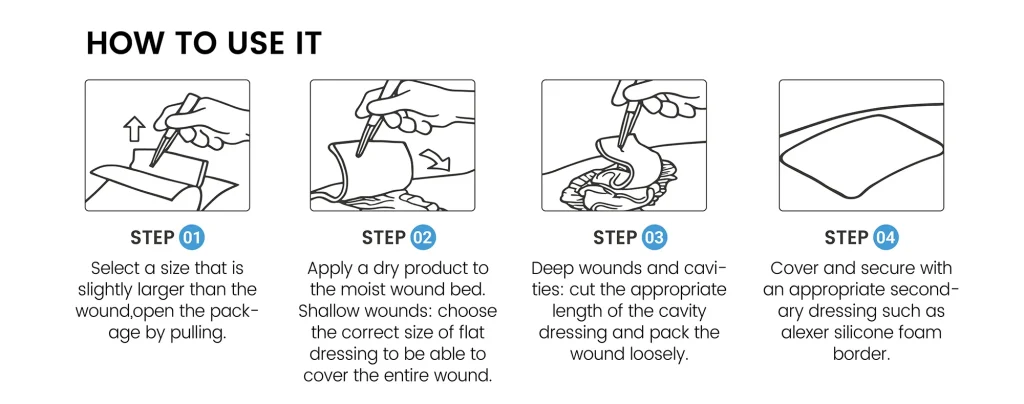
Here are the steps to put on an alginate dressing:
-
Look at the wound to see if alginate is right.
-
Clean the wound gently. Take away any dead tissue if needed.
-
Pick the right size and type of alginate dressing.
-
Cut the dressing to fit. Place it softly on the wound.
-
Put another dressing on top to keep it in place.
-
Change the dressing when it is full or as your doctor says.
Safe Removal and Dressing Change Tips
When you take off the dressing, remember these tips:
-
Remove the top dressing first.
-
If the wound is dry, wet the alginate with clean salt water before taking it off.
-
Lift the dressing gently from the wound.
-
Throw away the used dressing safely.
-
Clean the wound before putting on a new dressing.
-
Check for signs of infection or redness.
Tip: Always check your wound and dressing. Change your care plan if you see changes in your wound or health.
SLK Medical Support and Custom Solutions
OEM/ODM Capabilities and Clinical Support
SLK Medical can make special alginate dressings for your needs. You can ask for custom dressings for different wounds. The company helps you pick the best dressing for diabetic ulcers.
Personalized Solutions for Different Wound Types
You can get dressings made for many wounds, like diabetic foot ulcers. SLK Medical makes dressings for deep wounds, wounds with holes, and wounds with lots of fluid.
Free Sample Application and Customer Service
Doctors and nurses can ask for free samples to try the products. SLK Medical’s customer service team helps answer your questions and supports you during your care.
Note: SLK Medical works hard to help you and your patients heal better.
You want the best care for your diabetic feet. Alginate dressings give you comfort and help manage wound moisture. SLK Medical’s alginate dressing stands out for high absorbency, non-stick gel, and easy changes. Experts say you should pick a dressing that fits well, absorbs exudate, and does not raise infection risk. Studies show healing is similar to other products, but you get less pain and more comfort. Choose wisely for better healing and peace of mind.
FAQ
What is an alginate dressing made from?
You get alginate dressings made from natural seaweed. The fibers turn into a soft gel when they touch wound fluid. This gel helps keep your wound moist and supports healing.
Can you use alginate dressings on all wounds?
You should use alginate dressings on wounds with moderate or heavy fluid. Do not use them on dry wounds. They work best for ulcers, burns, and wounds that bleed.
How often should you change an alginate dressing?
You need to change the dressing when it becomes full of fluid or as your doctor tells you. Most people change it every one to three days.
Does removing an alginate dressing hurt?
Good news! Alginate dressings do not stick to your wound. You can remove them gently. You feel less pain during dressing changes.
Why choose SLK Medical’s alginate dressing?
You get high absorbency, easy removal, and comfort. SLK Medical’s dressings meet strict quality standards. You can trust them for safe and effective wound care.