


You want the best wound care dressing to heal wounds. Studies show alginate dressings heal wounds faster than hydrocolloid dressings. One study found alginate dressings helped 31% of leg ulcers heal. Hydrocolloid dressings only helped 4% of leg ulcers heal. The best dressing depends on your wound type. It also depends on how much fluid your wound makes. Your healing goals matter too. If you need special care, try Alexer® Alginate Wound Dressing. It gives comfort and works well.
|
Dressing Type |
Healing Rate (%) |
Study Context |
|---|---|---|
|
Alginate |
31 |
Healed leg ulcers better than paraffin gauze. |
|
Hydrocolloid |
4 |
Did not work as well as alginate in the study. |
|
Hydrogel |
Faster closure |
Helped surgical wounds heal faster than hydrocolloid. |
Key Takeaways
-
Alginate dressings help wounds heal faster than hydrocolloid dressings. This is true for wounds that have a lot of fluid.
-
Pick alginate dressings for burns, ulcers, and surgical wounds that leak fluid. They can soak up a lot of fluid, even up to 20 times their weight.
-
Hydrocolloid dressings work best for shallow wounds with little fluid. They protect wounds and can stay on for many days.
-
Both dressings keep wounds moist. This helps wounds heal faster and makes changing dressings hurt less.
-
Always ask a healthcare professional to help you choose the right dressing for your wound.
Alginate Wound Dressing and Hydrocolloid Overview
What Is an Alginate Wound Dressing?
Alginate dressings help wounds that need more care. They are made from seaweed fibers. When you put one on a wound, it reacts with the fluid. This makes a soft gel. The gel keeps the wound wet. It helps new cells grow. Alginate dressings are good for wounds with lots of fluid. Burns, venous ulcers, and surgical wounds use them. They also clean out dead tissue and help healing.
-
Alginate dressings:
-
Made from calcium alginate and sodium carboxymethyl cellulose
-
Make a gel when they touch wound fluid
-
Soak up lots of liquid fast
-
Help stop bleeding and help healing
-
What Is a Hydrocolloid Dressing?
Hydrocolloid dressings are for wounds with little fluid. They have elastic polymer hydrogels, synthetic rubber, and hydroxypropyl cellulose. When you use one, it makes a gel film over the wound. This film keeps the wound wet. It protects the wound from germs. Hydrocolloid dressings work best for pressure ulcers and shallow wounds. You can leave them on for days. This means you do not need to change them often.
-
Hydrocolloid dressings:
-
Made from elastic polymer hydrogels and synthetic rubber
-
Soak up fluid slowly
-
Keep the wound wet for healing
-
Lower pain and help clean dead tissue
-
Key Differences
You can look at what alginate and hydrocolloid dressings are made of. You can also see how they work. Here is a table to show the main differences:
|
Property |
Alginate Dressings |
Hydrocolloid Dressings |
|---|---|---|
|
Calcium alginate, sodium carboxymethyl cellulose |
Elastic polymer hydrogels, synthetic rubber, hydroxypropyl cellulose |
|
|
Absorption Capacity |
Highest absorption, breaks down fast |
Low absorption, soaks up slowly |
|
Moisture Control |
Makes gel, keeps wound wet |
Makes gel film, keeps wound wet |
|
Best For |
Lots of fluid, burns, ulcers |
Little fluid, pressure ulcers |
|
Water Vapor Transmission |
Lets vapor pass |
Stops vapor |
Tip: Use alginate dressings for wounds with lots of fluid. Use hydrocolloid dressings for wounds with less fluid.
Healing Effectiveness Comparison
How Alginate Wound Dressing Heals
Alginate wound dressings keep wounds moist and safe. They are made from seaweed fibers. When they touch wound fluid, they turn into a soft gel. This gel holds moisture and helps new skin cells grow. Alexer® Alginate Wound Dressing can soak up lots of fluid. It absorbs 15–17 times its weight in saline. This is much more than regular gauze. The gel forms when calcium in the dressing swaps with sodium in the wound fluid. This keeps the wound wet and helps it heal faster.
|
Evidence Type |
Description |
|---|---|
|
Water Absorption |
Alginate-based dressings retain 15–17 times their weight in saline. |
|
Gel Formation |
Ion exchange forms a hydrogel layer, keeping the wound moist. |
|
Recommended Use |
Best for wounds with a lot of fluid due to high absorbency and gel formation. |
Alginate dressings help stop small amounts of bleeding. Calcium in the dressing helps blood clot. This is good for wounds that bleed. The gel does not stick to the wound. This means you feel less pain when you change the dressing. You can take off the dressing without hurting new skin. Many people say this makes healing easier.
-
Alginate dressings soak up fluid well, so skin around the wound stays healthy.
-
They help keep the wound clean and moist to stop infection.
-
High absorbency and non-stick features lower pain and trauma during changes.
How Hydrocolloid Heals
Hydrocolloid dressings make a moist cover over the wound. When you put one on, it forms a gel as it takes in fluid. This gel keeps germs out and stops the wound from drying. The moist area helps skin cells move and grow faster. Studies show moist wounds heal quicker than dry ones.
|
Mechanism |
Evidence |
|---|---|
|
Moist Wound Healing |
Moist wounds heal faster, as shown in early animal studies. |
|
M2 Macrophage Polarization |
Hydrocolloid dressings help the body control inflammation, which is key for healing. |
|
Angiogenesis and Collagen Growth |
These dressings support new blood vessel growth and collagen, both needed for wound repair. |
Hydrocolloid dressings work best for wounds with little or medium fluid. You can leave them on for several days. This means you do not have to change them often. The wound stays protected and gets time to heal.
Which Is More Effective?
You might wonder which dressing heals wounds faster. It depends on your wound and how much fluid it makes. Some studies say hydrocolloid dressings heal wounds a bit quicker. In one study, 87% of wounds with hydrocolloid were almost healed. Alginate dressings healed 86% of wounds. Hydrocolloid took 10 days to heal, while alginate took 15.5 days.
Alginate dressings work better for wounds with lots of fluid or bleeding. They handle exudate well and keep wounds moist. Alexer® Alginate Wound Dressing is great for burns, ulcers, and chronic wounds. It also lowers pain and trauma when you change the dressing. This helps you heal more comfortably.
Note: If your wound has lots of fluid or bleeds, use an alginate dressing. For shallow wounds with less fluid, hydrocolloid dressings may heal a little faster.
Both dressings help wounds heal by keeping them moist and safe. Pick the one that fits your wound and feels best for you.
Absorption and Moisture Control
Alginate Wound Dressing Absorption
Some wounds leak a lot of fluid. Alginate wound dressings are good for these wounds. They can soak up much more fluid than most other dressings. When you put an alginate dressing on, the fibers mix with the fluid. This makes a soft gel on the wound. The gel keeps the wound wet and helps it heal. Calcium alginate dressings come from brown seaweed. They can take in up to 20 times their weight in fluid. This makes them great for burns or ulcers that leak a lot.
-
Alginate dressings soak up fluid very fast.
-
The gel keeps wounds wet and helps skin grow.
-
Use alginate dressings for wounds with lots of exudate.
Hydrocolloid Moisture Management
Hydrocolloid dressings work in a different way. They take in fluid slowly and make a gel layer over the wound. This gel keeps the wound wet and blocks germs. Hydrocolloid dressings do not soak up as much fluid as alginate dressings. They work well for wounds with only a little or medium fluid. You can leave them on for a few days. This means you do not have to change them often and it hurts less.
|
Dressing Type |
Moisture Retention Level |
Indication for Use |
|---|---|---|
|
Hydrocolloid |
Mildly absorptive, suitable for light to moderate exudate |
Wounds with light to moderate exudate |
|
Alginate |
Absorbs up to 20 times its weight in fluid |
Wounds with large amounts of exudate |
Impact on Healing
Keeping the right amount of moisture helps wounds heal faster. Both alginate and hydrocolloid dressings help wounds heal by staying moist. Wet wounds hurt less and heal better. Moist dressings help clean out dead skin and lower scars. They also help new skin grow and keep healing nutrients in place. You see less swelling and less tissue loss, especially with burns. Picking the right dressing helps you heal faster and feel better.
-
Wounds heal faster when they stay moist.
-
Moisture control lowers pain and scarring.
-
Good absorption stops infection and helps healing.
Tip: Use alginate dressings for wounds with lots of fluid. Pick hydrocolloid dressings for wounds with less fluid.
Best Uses for Each Dressing
Wound Types for Alginate Wound Dressing
Pick an alginate dressing for wounds that leak a lot. These dressings work well for wounds with lots of fluid. You can use them for burns, ulcers, and surgical wounds. Alginate dressings help wounds heal faster. They also help stop bleeding and keep wounds wet. They are good for wounds that need many dressing changes. Alginate dressings soak up fluid quickly and make removal less painful.
-
Chronic wounds
-
Pressure ulcers
-
Venous and arterial leg ulcers
-
Diabetic ulcers
-
Surgical wounds
-
Donor and graft sites
-
Partial thickness burns
Tip: Alginate dressings are best for wounds that need strong absorption and comfort during dressing changes.
Wound Types for Hydrocolloid
Hydrocolloid dressings work best for wounds with little or medium fluid. You can use them for pressure ulcers and shallow wounds. They also help some sudden wounds, like facial dermatitis or acne. Hydrocolloid dressings protect wounds and keep them wet. You can leave them on for days. This means you do not need to change them often.
-
Ulcerative conditions
-
Acute wounds, such as facial dermatitis and acne
-
Partial or full-thickness wounds
Note: Hydrocolloid dressings are a good choice when you want fewer dressing changes and a moist healing environment.
When to Avoid Each
Do not use hydrocolloid dressings if your wound bleeds or leaks a lot. They do not work for dry wounds or wounds with open tendons. Do not use them on infected wounds. They seal the area and can trap germs. People with weak skin may have trouble with sticky dressings. Allergies and skin problems can happen if you are sensitive.
Alginate dressings rarely cause skin problems, but watch for allergies. If your wound is dry or has little fluid, alginate dressings are not the best choice.
|
Dressing Type |
Common Adverse Reactions |
Sensitisation Rate |
|---|---|---|
|
Hydrocolloid |
Allergic contact dermatitis, skin irritation |
5.1% |
|
Alginate |
Skin irritation, allergic reactions |
1.7%–1.6% |
Always check your wound and skin for signs of irritation during dressing changes. If you notice redness or itching, talk to your healthcare provider.
Clinical Evidence and Real-World Results
Research on Alginate Wound Dressing
Recent studies show alginate dressings work well. Researchers looked at healing speed and comfort. Here are some important results:
-
Alginate dressings help wounds heal faster than others. Healing time is about one day shorter.
-
People feel less pain with alginate dressings. Pain scores are much lower.
-
You do not need to change alginate dressings more often.
-
Side effects are about the same as other dressings.
Alexer® Alginate Wound Dressing makes a soft gel. This gel lowers friction and pain. You can take it off easily. This helps you feel better when you change the dressing.
Research on Hydrocolloid
Studies show hydrocolloid dressings help many wounds. Researchers compared hydrocolloid dressings to polyurethane foam in big trials.
|
Study Type |
Comparison |
Outcome |
Result |
|---|---|---|---|
|
Multi-center randomized clinical trial |
Hydrocolloid vs. Polyurethane foam |
Healing rates for venous ulcers |
No statistically significant difference |
|
Meta-analysis |
Hydrocolloid vs. Polyurethane foam |
Healing rates for pressure ulcers |
No significant difference |
People often like hydrocolloid dressings after surgery. Many say these dressings feel good and are easy to use. Simple care with hydrocolloid dressings can help you feel better. It may also help your skin look nicer after healing.
Tip: Hydrocolloid dressings give comfort and are easy to use. They work best for wounds with less fluid.
Patient and Clinician Feedback
Feedback from patients and doctors helps you pick the right dressing. People using calcium alginate dressings with silver feel less pain and more comfort. The gel texture lowers friction and makes changes easier. You can put on and take off these dressings without problems. This makes people happier.
|
Dressing Type |
Comfort and Ease of Use |
Additional Notes |
|---|---|---|
|
Calcium Alginate with Silver |
Gives lots of comfort and less pain during changes. Gel texture lowers friction. |
Easy to use and remove, helps people follow care and feel better. |
|
Hydrocolloid Dressings |
Keeps wounds moist but does not fight many germs. |
Not the best for infected or risky wounds. |
Doctors also like dressings that keep wounds moist and lower pain. Advanced choices like Alexer® Alginate Wound Dressing make wound care easier and more comfortable for you.
Choosing the Right Dressing
Quick Guide: Alginate Wound Dressing vs Hydrocolloid
You want to choose the best dressing for your wound. The table below helps you decide between alginate and hydrocolloid dressings. Look at your wound type and how much fluid it produces.
|
Dressing Type |
Suitable For |
Exudate Level |
|---|---|---|
|
Alginate |
Infected and non-infected wounds |
Large amount of exudate |
|
Hydrocolloid |
Non-infected, shallow wounds |
Light to moderate exudate |
Hydrocolloid dressings work well for shallow wounds that do not leak much. You should not use hydrocolloid dressings for dry wounds or wounds with infection. Alginate dressings, like Alexer®, help with wounds that leak a lot or bleed. They also support a moist wound environment, which helps your skin heal faster.
Application Tips
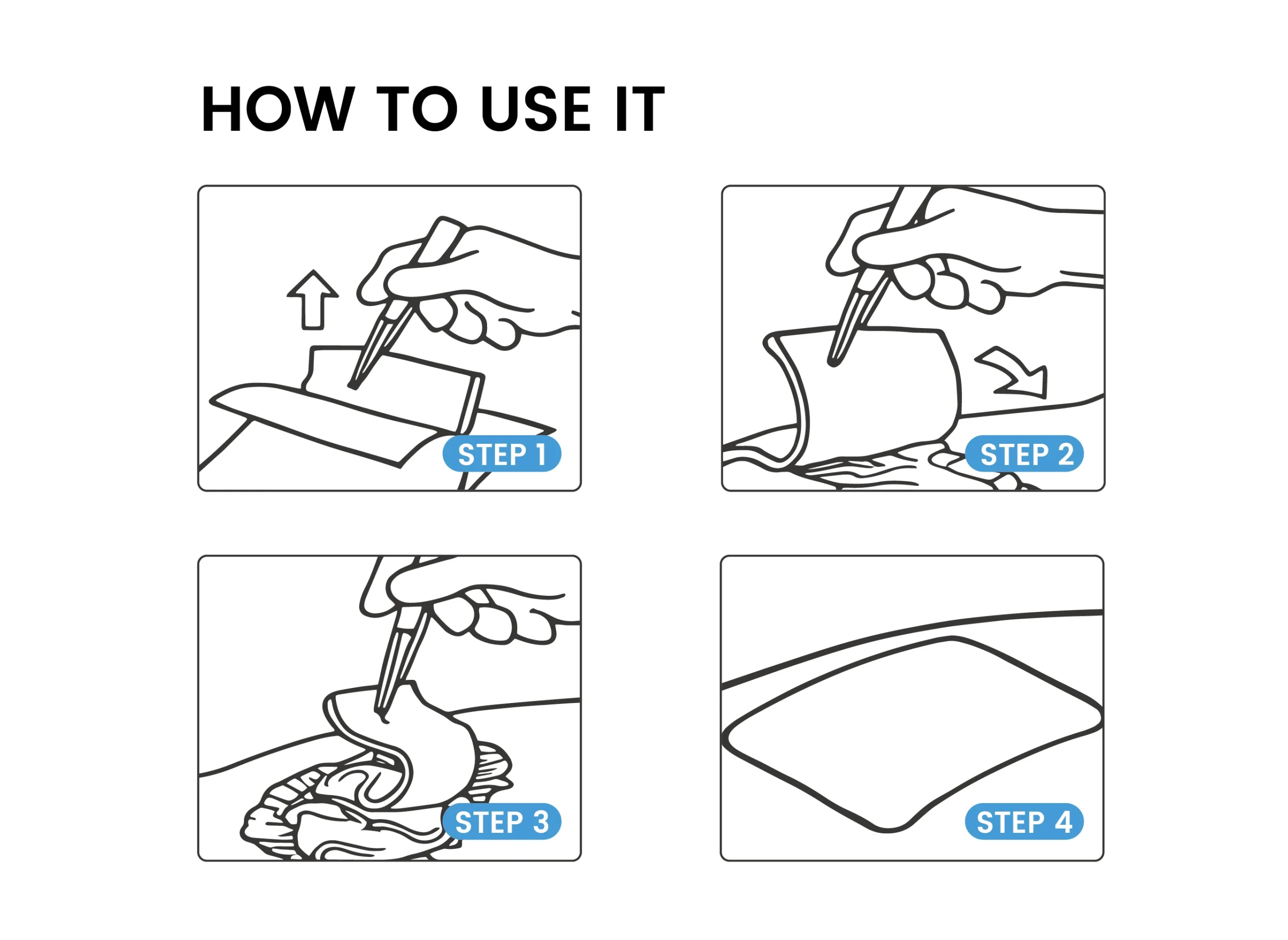
You can get the best results by following these steps for wound care:
-
Clean the wound with a gentle solution. Dry the area with sterile gauze.
-
Pick the right dressing. For Alexer® Alginate Wound Dressing, choose the size and shape that fits your wound.
-
Place the dressing on the wound. Cut sheet dressings to fit with a small overlap. For deep wounds, use ribbon dressings and pack gently.
-
Cover the alginate or hydrocolloid dressing with a secondary dressing to keep it in place.
-
Check the wound often. Change the dressing every 1–3 days or sooner if it gets soaked.
-
Remove the dressing carefully. If it sticks, moisten it with saline before taking it off. Clean the wound again before applying a new dressing.
Hydrocolloid dressings are easy to use and stay on for several days. You can use Alexer® Alginate Wound Dressing for many wound shapes and sizes.
Common Mistakes
You can avoid problems by watching for these common mistakes:
-
Forgetting to change hydrocolloid or alginate dressings on time.
-
Not checking for allergic reactions to the dressing.
-
Letting too much moisture build up, which can harm the skin around the wound.
-
Missing signs of infection, such as more pain, redness, or extra fluid.
Tip: Always check your wound and the skin around it during each dressing change. Good wound care helps you heal faster and feel better.
You need to pick the right dressing for your wound. Alginate dressings are good for wounds with lots of fluid or bleeding. Hydrocolloid dressings are better for shallow wounds with less fluid. Always ask a healthcare professional for help. Every wound is different and needs its own care.
|
Feature |
Benefit |
|---|---|
|
High absorbency |
Soaks up extra fluid, can hold up to 23g per 100 cm² in one day. |
|
Cohesive gel |
Keeps the wound wet and helps new skin grow. |
|
Non-adherent |
Comes off easily and protects new skin. |
|
Versatile use |
Works for many wound types, both new and old. |
-
Talking to a healthcare provider helps you get the right care.
-
Checking your wound often lets you change your treatment as you heal.
FAQ
What wounds can you treat with alginate dressing?
You can use alginate dressing for pressure ulcers, burns, venous ulcers, and surgical wounds. This dressing works well for wounds that leak a lot of fluid. You may also use it for diabetic-foot-ulcer and donor sites.
How does hydrocolloid dressing help pressure ulcers heal?
Hydrocolloid dressing keeps pressure ulcers moist. You get a gel layer that protects the wound. This helps new skin cells grow. You can leave the dressing on for several days. Healing becomes easier and more comfortable.
Can you use alginate dressing for pressure ulcers with bleeding?
You can use alginate dressing for pressure ulcers that bleed. The calcium in the dressing helps blood clot. You get less pain during dressing changes. The gel does not stick to the wound. Healing becomes faster and safer.
How often should you change a dressing for pressure ulcers?
You should check pressure ulcers every day. Change the dressing when it gets soaked or dirty. Alginate dressing may need changing every one to three days. Hydrocolloid dressing can stay on for several days if the wound stays clean.
What is the best dressing for a pressure-ulcer with lots of fluid?
You should use alginate dressing for a pressure-ulcer with heavy fluid. This dressing absorbs more liquid than hydrocolloid. You get better moisture control. Healing becomes faster. You protect the skin around the wound.
Tip: Always ask your healthcare provider before choosing a dressing for pressure ulcers.


