-
SLK Medical Silicone Foam Dressing without Border
-
SLK Medical Non Adhesive Foam Dressing
-
SLK Medical Silicone Foam Ag Dressing – without Border
-
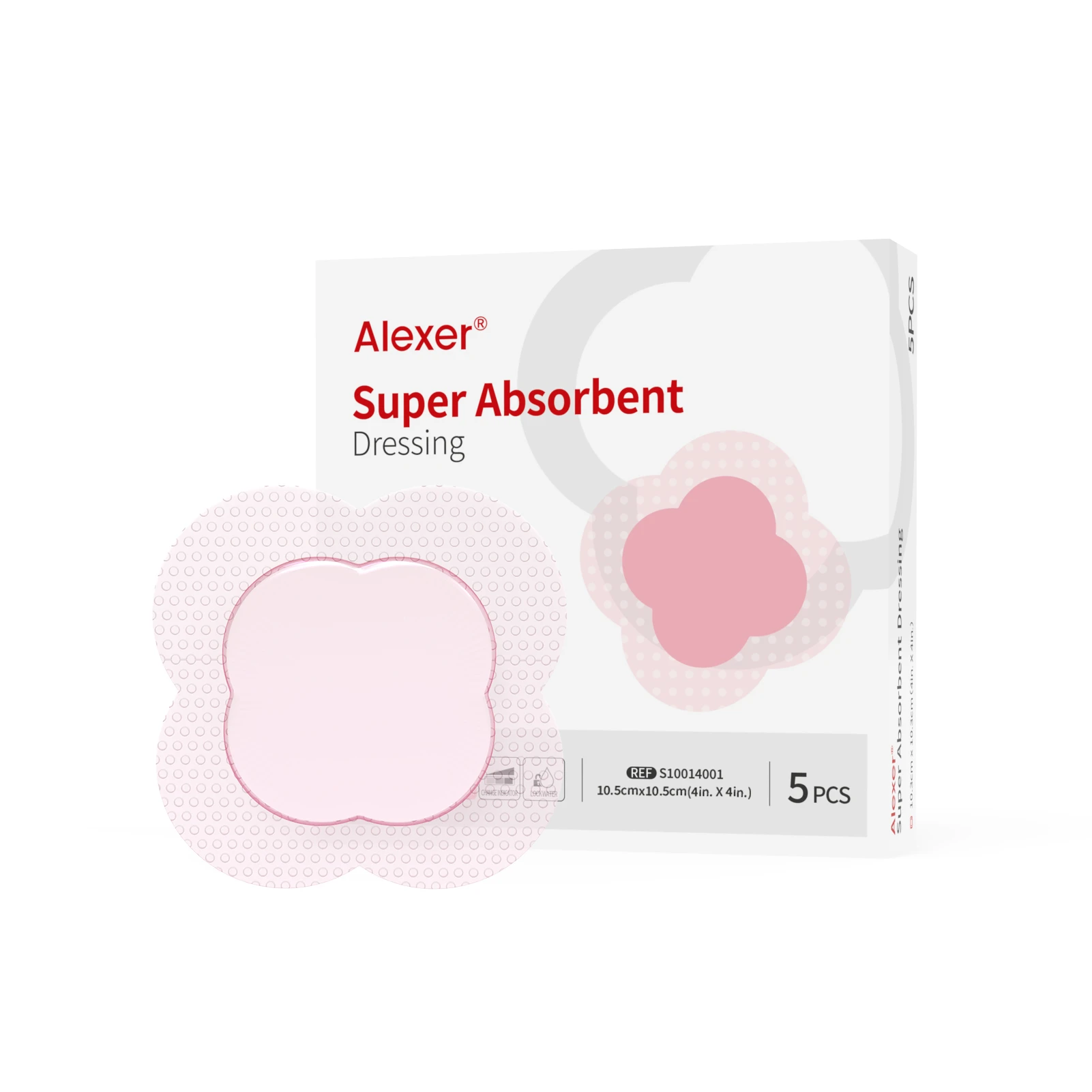
SLK Medical Super Absorbent Dressing Non Adherent
-
SLK Medical Hydrocolloid Dressing
-
SLK Medical Alginate Wound Dressing
-
Hydrogel Dressings
People with diabetes have many problems with wounds. Wounds heal slowly and can get infected easily. Silver dressings work well for diabetic wounds. They help wounds heal faster and lower the chance of problems. SLK Medical makes special wound dressings. These dressings feel comfortable and help stop infection. Each diabetic wound dressing is a good choice for your care.
Key Takeaways
-
Pick the best dressing by looking at your wound’s fluid, size, and infection risk. This helps your wound heal faster. – SLK Medical dressings are comfortable and help stop infection. They work well for diabetic wounds. – Check your wound often and talk to doctors. This helps you use the right dressing for your wound. – Keep your wound moist to lower pain and help it heal. Use dressings with antimicrobial properties to stop infection. – Put on and take off dressings the right way. This keeps your skin safe and helps your wound heal better.
Diabetic Wound Dressings Comparison
Key Features Overview
When you compare diabetic wound dressings, look at some main things. These things help you pick the best one for your wound.
-
Absorbency: Pick a dressing that matches how much fluid your wound has.
-
Infection Control: If you worry about infection, pick dressings with things that fight germs.
-
Size and Depth: Check how big and deep your wound is before you choose.
-
Adhesive Strength: You may need a strong sticky dressing for wounds on moving body parts.
SLK Medical dressings use D-Pore™ Technology. This helps air flow and controls fluid better. Some dressings have silver to help stop infections. The five-layer design and Flex Technology make them comfy and easy to move with. Dressings that keep moisture help wounds heal faster. Silicone adhesive makes it hurt less when you change the dressing.
Here is a table to help you compare the top 10 diabetic wound dressings:
|
Dressing Name |
Absorbency |
Infection Control |
Comfort & Flexibility |
Best For |
|---|---|---|---|---|
|
SLK Silicone Foam Ag Dressing – with Border |
High |
Silver (Ag) |
Excellent |
Chronic wounds, ulcers |
|
SLK Silicone Foam Dressing without Border |
High |
No |
Excellent |
Diabetic ulcers, burns |
|
SLK Non Adhesive Foam Dressing |
High |
No |
High |
Fragile skin, post-op wounds |
|
SLK Silicone Foam Ag Dressing – without Border |
High |
Silver (Ag) |
Excellent |
Exuding wounds, compression care |
|
SLK Super Absorbent Dressing Non Adherent |
Very High |
No |
High |
Heavy exudate, ulcers |
|
SLK Hydrocolloid Dressing |
Moderate |
No |
High |
Non-chronic wounds, shallow |
|
SLK Alginate Wound Dressing |
Very High |
No |
High |
Deep wounds, bleeding ulcers |
|
Hydrogel Dressings |
Moderate |
No |
Moderate |
Dry wounds, burns |
|
Silver Dressings |
Moderate |
Silver (Ag) |
Moderate |
Infected wounds |
|
Transparent Film Dressings |
Low |
No |
High |
Superficial wounds, protection |
Best Use Cases
Different dressings work best for different wound needs.
-
If your wound has lots of fluid, use super absorbent or alginate dressings.
-
If you need to fight infection, silver dressings or SLK Medical’s silver dressings are good.
-
If your skin is fragile, silicone foam dressings are soft and easy to take off.
-
If your wound is shallow or not chronic, hydrocolloid dressings keep it moist and safe.
Pick the right diabetic wound dressing by matching its features to your wound. This helps you heal faster and keeps problems away.
Reviews of Top Diabetic Wound Dressings
SLK Medical Silicone Foam Ag Dressing – with Border
The SLK Medical Silicone Foam Ag Dressing with Border helps wounds heal. It controls infection and keeps moisture balanced. This dressing uses D-Pore™ technology and silver ions to fight germs. It has five layers that soak up fluid and protect new skin. The border keeps the dressing in place, even if you move a lot.
-
How it works:
Silver ions kill bacteria and lower infection risk. The foam soaks up extra fluid. This keeps the wound from getting too wet or dry. The silicone layer sticks softly and does not hurt when you take it off. -
Key benefits:
-
Reduces infection risk
-
Keeps the wound moist
-
Easy and painless to remove
-
Fits well on many body parts
-
Waterproof and bacteria-proof
-
-
Best use cases:
-
Diabetic foot ulcers
-
Chronic wounds with high fluid
-
Pressure injuries
-
Surgical wounds
-
-
Pros:
-
Strong antimicrobial action
-
Comfortable for sensitive skin
-
Can stay on for up to 7 days
-
Studies show antimicrobial dressings like this help lower infection in diabetic wounds. They work against tough bacteria like MRSA. Silver and gentle silicone make changes less painful and protect new skin.
SLK Medical Silicone Foam Dressing without Border
This dressing is good if you want comfort and moisture control. The SLK Medical Silicone Foam Dressing without Border uses a soft silicone layer and foam core. It manages fluid and protects skin.
|
Feature |
Benefit |
Limitation |
|---|---|---|
|
Gentle Adhesion |
Yes |
Variable |
|
Moisture Management |
Effective |
Limited |
|
Protection to Peri-wound |
Yes |
No |
|
Comfort during Changes |
High |
Low |
-
How it works:
The foam soaks up fluid and keeps the wound moist. The silicone layer sticks softly, so changing the dressing hurts less. -
Key benefits:
-
Good moisture control
-
Comfortable during changes
-
Protects skin around the wound
-
Can be worn for up to 7 days
-
-
Best use cases:
-
Diabetic ulcers
-
Burns
-
Post-surgery wounds
-
Pressure sores
-
-
Pros:
-
Soft and gentle for sensitive skin
-
Fewer dressing changes needed
-
Easy to use
-
Many people say this dressing controls moisture well and feels nice. Studies show you may need fewer changes, and healing is like other dressings.
SLK Medical Non Adhesive Foam Dressing
If your skin is fragile or your wound is hard to cover, try the SLK Medical Non Adhesive Foam Dressing. It does not stick, so you can cut it to fit any shape.
-
How it works:
The three layers soak up fluid and keep the wound moist. The dressing is waterproof and lets air flow. This helps the wound heal. You can take it off without pain. -
Key benefits:
-
High absorbency
-
Painless removal
-
Fits any wound shape
-
Waterproof and bacteria-proof
-
Breathable for better healing
-
-
Best use cases:
-
Fragile or sensitive skin
-
Post-operative wounds
-
Diabetic foot wounds
-
Burns
-
-
Pros:
-
Easy to cut and shape
-
Comfortable for long wear
-
Keeps the wound clean
-
This dressing controls moisture and feels comfortable. It helps wounds heal and protects against bacteria.
SLK Medical Silicone Foam Ag Dressing – without Border
Use the SLK Medical Silicone Foam Ag Dressing without Border for wounds needing infection control and flexibility. Silver ions fight germs. The soft silicone layer adds comfort.
-
How it works:
The foam soaks up fluid and keeps the wound moist. Silver ions kill bacteria and lower infection risk. The silicone layer sticks gently and does not hurt when removed. -
Key benefits:
-
Antimicrobial protection
-
Moisture balance
-
Painless removal
-
High breathability
-
Waterproof and bacteria-proof
-
-
Best use cases:
-
Exuding wounds
-
Wounds under compression
-
Diabetic wounds
-
Chronic ulcers
-
-
Pros:
-
Stays in place
-
Less pain during changes
-
Can be worn for up to 7 days
-
The design stops tissue from sticking and helps healing. It works well for wounds needing extra infection control.
SLK Medical Super Absorbent Dressing Non Adherent
If your wound leaks a lot, use the SLK Medical Super Absorbent Dressing Non Adherent. It absorbs lots of fluid and keeps the wound dry.
-
How it works:
The core pulls in fluid and locks it away. The non-adherent layer does not stick, so changing it hurts less. -
Key benefits:
-
Very high absorption
-
Fewer dressing changes
-
Painless removal
-
Fits body shape
-
Stops leaks and skin damage
-
-
Best use cases:
-
Heavy exudate wounds
-
Diabetic ulcers
-
Pressure sores
-
Surgical wounds
-
-
Pros:
-
Saves time and supplies
-
Comfortable for patients
-
Keeps the wound clean
-
Polyurethane foam dressings like this soak up more fluid than others. High absorption helps manage wounds with lots of fluid.
SLK Medical Hydrocolloid Dressing
Use the SLK Medical Hydrocolloid Dressing for wounds needing moisture to heal. It forms a gel when it touches fluid. This helps clean the wound and protect new skin.
-
How it works:
The dressing absorbs fluid and turns into a gel. This keeps the wound moist and helps remove dead tissue. The thin design fits many body parts. -
Key benefits:
-
Maintains moisture
-
Supports gentle cleaning
-
Protects nerve endings
-
Reduces pain
-
Lets you check the wound without removing the dressing
-
-
Best use cases:
-
Non-chronic wounds
-
Shallow wounds
-
Minor burns
-
Skin tears
-
-
Pros:
-
Flexible and easy to use
-
Fewer dressing changes
-
Improves comfort
-
Hydrocolloid dressings keep wounds moist, which helps diabetic wound care. Guidelines say to use your judgment to pick the right moist dressing.
SLK Medical Alginate Wound Dressing
The SLK Medical Alginate Wound Dressing is made from seaweed fibers. It works for wounds with lots of fluid or bleeding. It forms a gel when it touches fluid, keeping the wound moist and helping stop bleeding.
-
How it works:
Alginate fibers soak up fluid and turn into a soft gel. The gel keeps the wound moist and helps remove dead tissue. The dressing is biodegradable and does not stick, so removal is gentle. -
Key benefits:
-
High absorbency
-
Helps control bleeding
-
Painless removal
-
Supports gentle cleaning
-
Biodegradable
-
-
Best use cases:
-
Deep wounds
-
Bleeding ulcers
-
Diabetic foot wounds
-
Surgical wounds
-
-
Pros:
-
Fits many wound shapes
-
Less pain during changes
-
Keeps the wound clean
-
Studies show alginate dressings work as well as foam dressings for diabetic wounds. They are good for wounds with lots of fluid or bleeding.
Hydrogel Dressings
Hydrogel dressings are soft and jelly-like. Use them for dry wounds or burns. They keep the wound moist and help healing.
|
Advantage |
Description |
|---|---|
|
Moisture Retention |
Keeps the wound moist, which helps healing. |
|
Drug Delivery |
Can deliver antibacterial or anti-inflammatory agents. |
|
Patient Compliance |
Easy to use and needs fewer changes. |
|
Versatility |
Can be made for special uses, like releasing medicine when needed. |
|
Transparency |
Lets you see the wound without removing the dressing. |
|
Shape Memory |
Fits the wound shape for comfort. |
-
How it works:
The gel holds water and keeps the wound from drying out. Some hydrogels can deliver medicine right to the wound. -
Key benefits:
-
Keeps wounds moist
-
Can deliver medicine
-
Easy to use
-
Lets you see the wound
-
-
Best use cases:
-
Dry wounds
-
Burns
-
Wounds needing gentle care
-
-
Pros:
-
Comfortable
-
Flexible
-
Good for self-care
-
Silver Dressings
Silver dressings use silver to fight infection. Use them for wounds showing infection or at high risk.
|
Aspect |
Silver Dressings |
Non-Silver Dressings |
|---|---|---|
|
Healing Rates |
No difference |
No difference |
|
Infection Management |
Similar |
Similar |
|
Need for Antibiotics |
No reduction |
No reduction |
|
Cost Comparison |
Higher |
Lower |
|
Clinical Benefit |
None found |
None found |
-
How it works:
Silver kills bacteria and helps control infection. The dressing keeps the wound moist and safe. -
Key benefits:
-
Fights infection
-
Keeps wounds moist
-
Easy to use
-
-
Best use cases:
-
Infected wounds
-
Wounds at risk of infection
-
Diabetic wounds
-
-
Pros:
-
Antimicrobial action
-
Good for infection control
-
Transparent Film Dressings
Transparent film dressings are thin and clear. Use them to cover and protect wounds while watching healing.
-
How it works:
The film sticks to skin and keeps out dirt and germs. You can see the wound heal without taking off the dressing. -
Key benefits:
-
Lets you see the wound
-
Protects from germs
-
Comfortable and flexible
-
Can stay on for up to 14 days
-
-
Best use cases:
-
Superficial wounds
-
Surgical sites
-
Wounds needing monitoring
-
-
Pros:
-
Easy to check the wound
-
Well-tolerated
-
Helps you stay involved in your care
-
Transparent film dressings help you and your care team spot problems early. They support better results in diabetic wound care.
Choosing the Right Diabetic Wound Dressing

Assessing Wound Type
You need to look closely at your wound before you pick a diabetic wound dressing. Start by checking the size and shape. Notice what kind of tissue is inside the wound and how the skin around it looks. If you have ulcers, you should also think about your blood flow and nerve health. Some wounds leak a lot of fluid, while others stay dry. For diabetic wound care, matching the dressing to the wound’s needs helps you heal faster.
-
Check the wound’s size and depth.
-
Look at the color and type of tissue.
-
Notice if the wound is wet or dry.
-
Pay attention to the skin around the wound.
-
Think about your blood flow and nerve health.
If your wound leaks a lot, foam dressings or alginate dressings work well. For dry wounds, you may need a dressing that adds moisture, like a hydrogel. Infected wounds need antimicrobial dressings to fight germs.
Patient Needs and Comfort
Your comfort matters in diabetic wound care. Many people want dressings that help wounds heal quickly and reduce pain. You may prefer dressings that are easy to remove and do not hurt your skin. If you have sensitive skin, choose dressings that lower the risk of irritation or injury. Some dressings let you see the wound without taking them off, which helps you avoid extra changes.
-
Pick dressings that feel gentle and do not cause pain.
-
Choose dressings that fit your daily life and make care easier.
-
Look for dressings that protect your skin from damage.
-
Think about how often you want to change your dressing.
-
Use tools like the Cardiff Wound Impact Schedule to share your needs with your care team.
Consulting Healthcare Providers
You should always talk to your healthcare provider before choosing a dressing. Wound care specialists help you match the right dressing to your wound. They check your wound often and adjust your care as needed. For diabetic wound healing, they may suggest negative-pressure dressings for chronic wounds or antimicrobial dressings for infected wounds. They help you keep a moist healing environment, which supports faster recovery.
Tip: Regular check-ups help you get the best results from your diabetic wound care plan. SLK Medical offers many types of wound dressings, so you can find one that fits your needs.
Diabetic Wound Care Tips
Application and Removal
It is important to follow the right steps when you put on and take off a diabetic wound dressing. This helps your wound heal and keeps your skin safe. First, wash your hands with soap and water. Clean the wound gently with saline or as your doctor says. Dry the skin around the wound before you add the dressing.
SLK Medical’s foam dressings make this easier. The silicone foam dressing does not stick to your skin. You can take it off without pain or hurting your skin. These dressings soak up fluid and keep the wound moist. This helps your wound heal better. Always check your wound for infection or changes before you use a new dressing.
Here is a table with tips for different wound types:
|
Wound Condition |
Recommended Dressing Type |
Key Features |
|---|---|---|
|
Dry wounds |
Hydrocolloid dressings |
Keeps moisture in, helps clean the wound |
|
Exudative wounds |
Soaks up fluid, fits deep wounds |
|
|
Very exudative wounds |
Hydrofiber dressings |
Needs more changes, absorbs a lot of fluid |
|
Infected wounds |
Antimicrobial ointments or silver dressings |
Fights germs, helps healing |
|
Fragile skin |
Hydrogel sheets, nonadhesive dressings |
Gentle on skin, easy to secure |
Tip: Use gentle dressings like SLK Medical’s silicone foam. This lowers pain and protects new skin.
Infection Prevention
You can lower your chance of infection by doing simple things in diabetic wound care. Keep your wound covered and moist. This helps your body heal and keeps germs out. Use dressings with antimicrobial features if your wound looks infected. SLK Medical’s dressings help stop infection by keeping the wound moist and blocking bacteria.
Here are some ways to stop infection:
-
Change your wound dressings as your doctor says.
-
Keep your blood sugar under control to help healing.
-
Use negative-pressure therapy for chronic ulcers if your doctor suggests.
-
Clean the wound before you put on a new dressing.
-
Teach your family or helpers about good wound care.
-
Only use narrow-spectrum antibiotics when needed.
Note: Advanced dressings like SLK Medical’s silicone foam dressings help you heal faster and lower your risk of infection.
You can pick from many diabetic wound dressings. Each one helps you heal faster. They also keep your wound safe. The table below lists the main benefits:
|
Description |
|
|---|---|
|
Enhanced Healing Efficiency |
Special materials help wounds heal quicker. |
|
Infection Control |
Silver ions fight bacteria. |
|
Optimal Healing Environment |
Moist dressings help ulcers heal better. |
You should talk to your healthcare team. They help you pick the best dressing. They also show you how to care for your wound. SLK Medical uses new technology. This helps patients heal and makes wound care easier.
FAQ
What is the best dressing for diabetic foot ulcers?
Pick a dressing that keeps the wound moist. It should also fight infection. Doctors often suggest silicone foam or silver dressings. These help wounds heal faster. They also lower the chance of infection.
How often should you change a diabetic foot ulcer dressing?
Change your dressing as your doctor says. Most dressings last one to seven days. If it gets wet, dirty, or loose, change it sooner.
Can negative pressure wound therapy help with diabetic ulcer treatment?
Yes, this therapy can help some wounds heal. It uses a pump to remove fluid. It also helps blood flow better. Your doctor will tell you if it is right for you.
What should you do if your diabetic foot ulcer shows signs of infection?
Call your doctor right away if you see infection signs. These signs are redness, swelling, pus, or a bad smell. Your doctor may give you a new dressing or medicine.
Are SLK Medical dressings safe for sensitive skin?
Yes, SLK Medical dressings use gentle silicone. They use advanced technology too. You can use them on sensitive skin. They do not cause pain or damage. These dressings protect your wound and help healing.