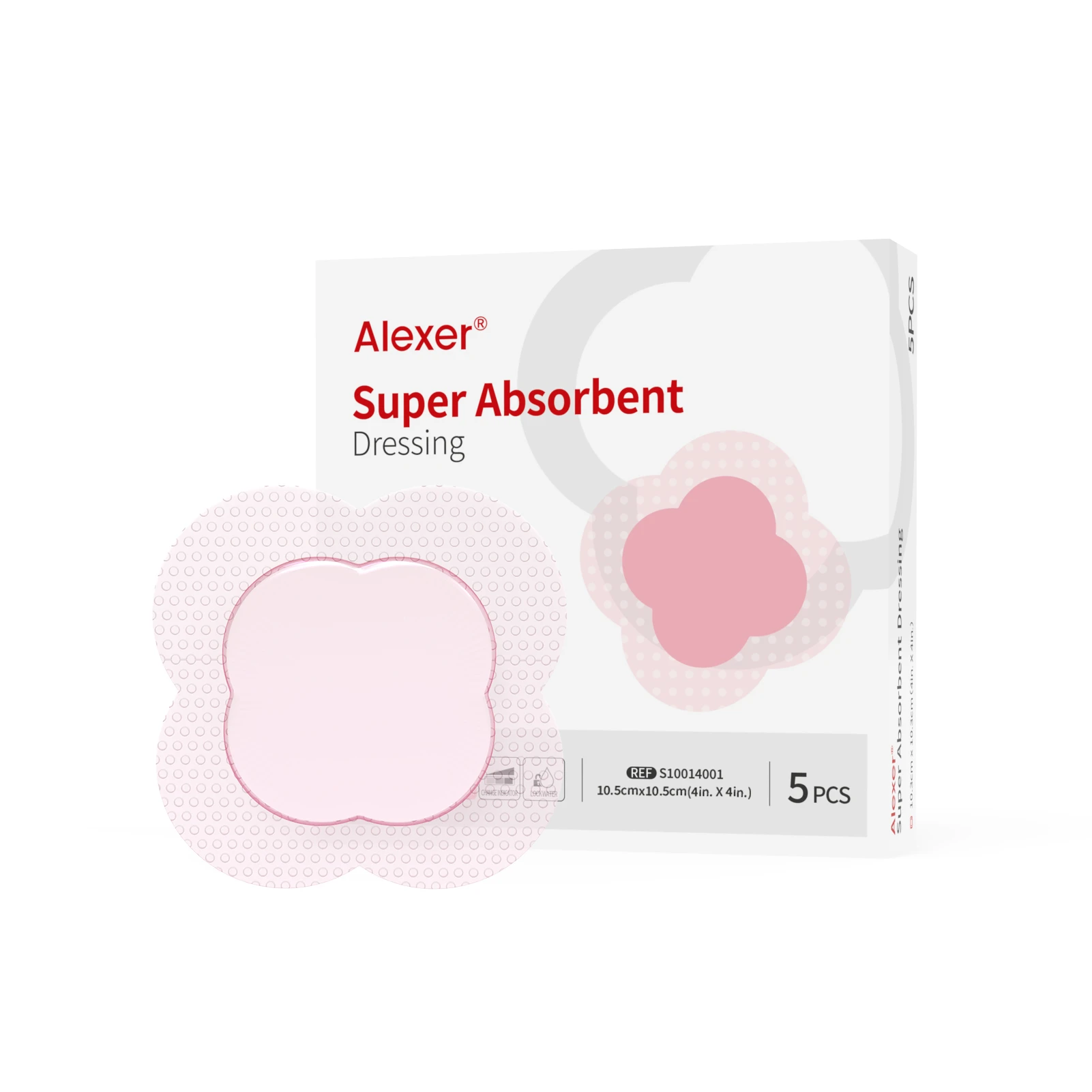
You might ask if a gelling fiber dressing can help your wound heal faster in 2026. Many experts trust gelling fiber dressings like SLK Medical’s Alexer® because they use new technology and have global certificates. These dressings help wounds heal faster, even if they are hard to treat. SLK Medical uses new ideas and follows strict rules to make safe products for your wound care.
Key Takeaways
-
Gelling fiber dressings keep wounds wet. This helps wounds heal faster. It also makes pain less. These dressings soak up extra fluid. They stop infection from happening. This makes wound care easier and safer. Patients say they feel less pain when putting on or taking off gelling fiber dressings. This makes them more comfortable. Gelling fiber dressings help your body heal. They clean the wound and help new skin grow. SLK Medical’s gelling fiber dressings are very safe. They give good and dependable wound care.
How Gelling Fiber Dressings Work

Gel Formation and Moist Wound Healing
Gelling fiber dressings help wounds heal faster. They have special fibers inside. When these fibers touch wound fluid, they turn into a soft gel. The gel keeps the wound wet, which helps healing. Wet wounds heal better and hurt less. Your body can clean the wound by itself. New skin cells move over the wound more easily. Collagen grows and fixes the tissue.
Tip: Keeping your wound wet helps your cells work well and heal quickly.
Here is a table that shows how gel formation helps wounds heal in a moist environment:
|
Evidence Point |
Description |
|---|---|
|
Autolytic Debridement |
Your body cleans the wound gently |
|
Reduced Pain |
Healing hurts less |
|
Collagen Synthesis |
Tissue repairs faster |
|
Keratinocyte Migration |
Skin cells close the wound |
|
Nutrient Support |
Growth factors and nutrients stay in the wound |
|
Wounds heal quicker when kept moist |
|
|
Vitality of Cells |
Cells stay strong and do their job |
Exudate Absorption and Skin Protection
Gelling fiber dressings soak up fluid from wounds. This fluid is called exudate. The fibers take in the fluid and become gel. The gel traps fluid and bacteria inside. This helps stop infection and leaking. The gel fits the wound’s shape, even deep or odd-shaped wounds. By soaking up extra fluid, these dressings protect skin around the wound. This stops the skin from getting too wet and damaged, called maceration.
Studies show gelling fiber dressings control wound fluid well. They keep wounds wet and block germs and outside harm. You can use another dressing on top to help control fluid. This helps wounds heal faster. These dressings make caring for wounds easier and safer.
Key Benefits of Gelling Fiber Dressing
Moist Environment for Healing
You need a moist wound environment for your wound to heal well. Gelling fiber dressing helps you keep the wound moist. The fibers in the dressing turn into a gel when they touch wound fluid. This gel covers the wound and keeps it from drying out. Moist wound healing lets your skin cells move and grow faster. You get less pain and better healing. The dressing also keeps nutrients and growth factors close to the wound. This helps your body repair tissue quickly. You can see faster healing times when you use a gelling fiber dressing for chronic wound treatment.
Exudate and Odor Control
Gelling fiber dressings soak up extra fluid from your wound. This fluid is called exudate. Too much exudate can slow healing and cause odor. The dressing locks the fluid inside the gel. This keeps the wound clean and helps stop bad smells. You do not have to worry about leaks or wet skin around the wound. The dressing fits wounds of many shapes, so it works for deep or uneven wounds. You get better control over wound fluid and odor, which makes daily life easier.
Non-Traumatic Removal and Comfort
You want comfort during wound care. Gelling fiber dressing gives you that. The gel does not stick to your wound bed. When you remove the dressing, you feel less pain. Most people say the dressing feels comfortable while they wear it. You can see this in the table below:
|
Pain level |
None |
Mild |
Moderate |
Severe |
Total |
|---|---|---|---|---|---|
|
92 (95.8%) |
2 (2.1%) |
2 (2.1%) |
0 (0%) |
96 |
|
|
Pain on removal |
84 (88.4%) |
6 (6.3%) |
4 (4.2%) |
1 (1.1%) |
95 |
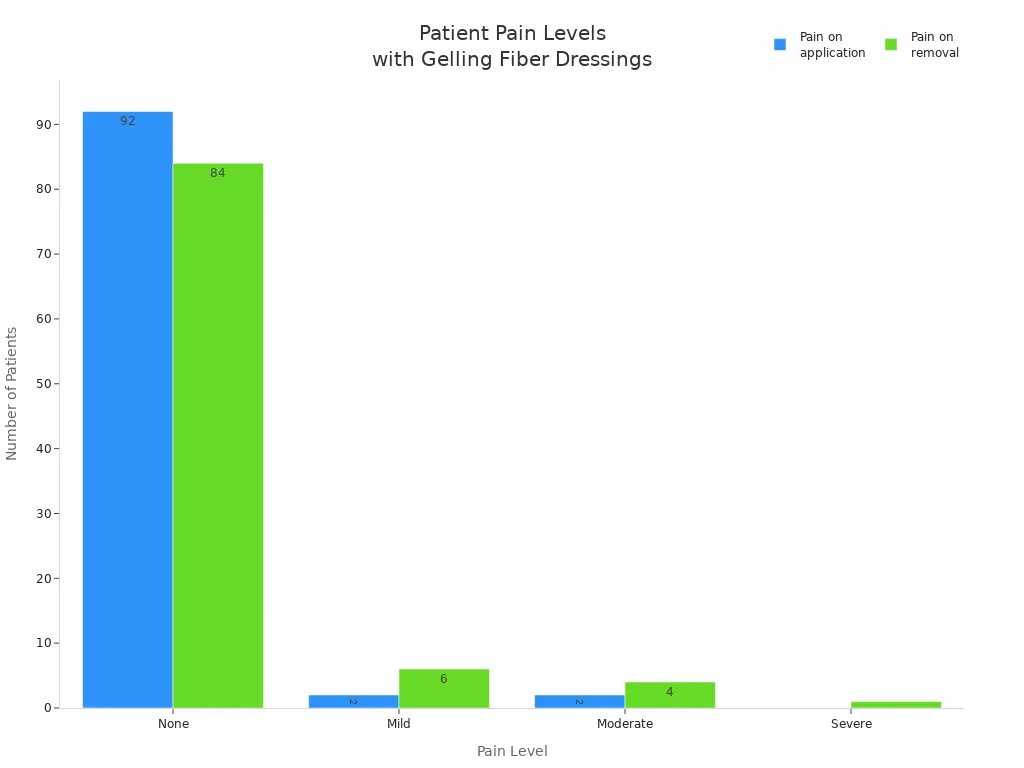
Most patients report no pain when the dressing is applied or removed. Almost all patients say the dressing does not cause trauma when removed. You can wear the dressing and do your daily activities with comfort. Pain levels go down over time, and you can enjoy better comfort every day.
Autolytic Debridement Support
Gelling fiber dressings help your body clean the wound by itself. This process is called autolytic debridement. The dressing keeps the wound moist and absorbs extra fluid. It traps slough, necrotic tissue, and bacteria inside the gel. You get a cleaner wound bed and less risk of infection. Here are some ways the dressing supports healing:
-
The dressing removes extra exudate, slough, and dead tissue.
-
It helps new, healthy tissue grow in the wound.
-
The dressing keeps the right moisture balance for healing.
-
You do not damage the wound bed when you change the dressing.
-
You see a faster change from unhealthy to healthy tissue.
You get better results for chronic wounds. The dressing helps you heal faster and with less pain. You can trust gelling fiber dressings like Alexer to support your healing journey.
Clinical Evidence and Innovations in Wound Care
Research on Healing Speed
You might wonder if gelling fiber dressings really help wounds heal faster. New studies show they work well. One study looked at skin graft donor sites. By day 14, more than 60% of wounds healed. By day 21, over 75% were healed. Both patients and doctors liked using the dressing. Gelling fiber dressings make healing easier for everyone. They soak up exudate and keep wounds moist. They also protect wounds from bacteria. You get better new tissue growth and less chance of infection, even with tough wounds like ulcers or infected wounds.
Advances in Hydrogel Wound Dressings
Wound care has changed a lot in the last two years. Now, there are new hydrogel wound dressings that help wounds heal better. Here are some new features:
-
Antimicrobial-infused hydrogel wound dressings fight bacteria and help stop infection.
-
Bioactive hydrogel wound dressings help your body grow new tissue and heal faster.
-
Smart hydrogel wound dressings let you and your care team check wounds in real time. This helps you manage exudate and find problems early.
-
Hydrogel sheets fit many wound shapes and help control exudate, even in deep or odd-shaped wounds.
You can use these hydrogel wound dressings for wounds with lots of exudate, wounds that last a long time, or wounds that need help growing new tissue. These dressings also keep bacteria away and lower the risk of infection.
SLK Medical’s Technology and Certifications
You want wound care products that are safe and work well. SLK Medical uses D-Pore™ technology in its hydrogel wound dressings. This helps the dressing soak up exudate and lets air through. You get better healing and less chance of skin getting too wet. SLK Medical’s Alexer® Gelling Fiber Dressing meets top safety rules. Here is a table with the certifications:
|
Certification |
Description |
|---|---|
|
ISO 13485:2016 |
Quality management system for medical devices |
|
FDA Standards |
Follows U.S. rules for medical devices |
|
CE MDR |
Proves it follows European safety rules |
You can trust SLK Medical’s hydrogel wound dressings for today’s wound care. These dressings help you control exudate, fight bacteria, and help new tissue grow. You get products that help wounds heal faster and keep you safe.
Choosing the Right Dressing for Your Wound
Ideal Wound Types and Patient Profiles
Suitable Wound Types
It is important to pick the right dressing for your wound. Gelling fiber dressings work best for wounds with a lot of fluid. You can use them for chronic ulcers, pressure injuries, diabetic foot ulcers, and surgical wounds. The dressing turns into gel when it touches wound fluid. This helps control fluid and keeps the wound wet. Wet wounds heal better and need extra care. These dressings also fit wounds with odd shapes.
Here is a table to help you choose the best dressing:
|
Factor |
Description |
|---|---|
|
Wound Depth |
Pick a dressing that matches how deep your wound is. |
|
Exudate Volume |
Use a dressing that fits how much fluid your wound makes. |
|
Infection Presence |
Choose a dressing that helps with infection if needed. |
|
Compression Need |
Some wounds need compression, like venous leg ulcers. |
|
Location |
The dressing should fit where the wound is on your body. |
|
Patient Factors |
Think about what you need and what feels comfortable. |
Patient Profiles Who Benefit Most
Gelling fiber dressings help people with wounds that heal slowly. They are good for people with chronic wounds or diabetic foot ulcers. If you stay in bed or cannot move much, these dressings help you too. People with blood vessel problems also see better healing. Studies show these dressings help wounds get smaller each week. You may feel less pain when you change the dressing.
Safety and Application Tips
Safe Application Guidelines
Always clean your wound before you put on the dressing. Watch the gel and change the dressing when it gets full. Do not use this dressing on dry wounds or wounds with little fluid. The dressing is safe for hard-to-treat wounds and meets ISO and FDA rules. Use a clean, sterile dressing to stop infection.
Best Practices for Effective Use
Follow your doctor’s advice for wound care and changing dressings. Look for signs of infection like redness or bad smell. Make sure the dressing covers your wound well. You can use another dressing on top to keep the gel in place. The dressing should not get too full too fast. The gel must stay together when you change it so nothing is left in the wound.
Tip: Check the dressing often and change it when needed. This helps your wound heal and stops problems.
SLK Medical’s Custom Solutions and Free Samples
OEM and Customization Services
SLK Medical gives you special wound care choices. You can ask for dressings with different thickness, absorption, or shape. This helps you get what you need for your wound. The company sends orders quickly, even for big or special requests. This makes caring for wounds easier.
Free Sample Offer
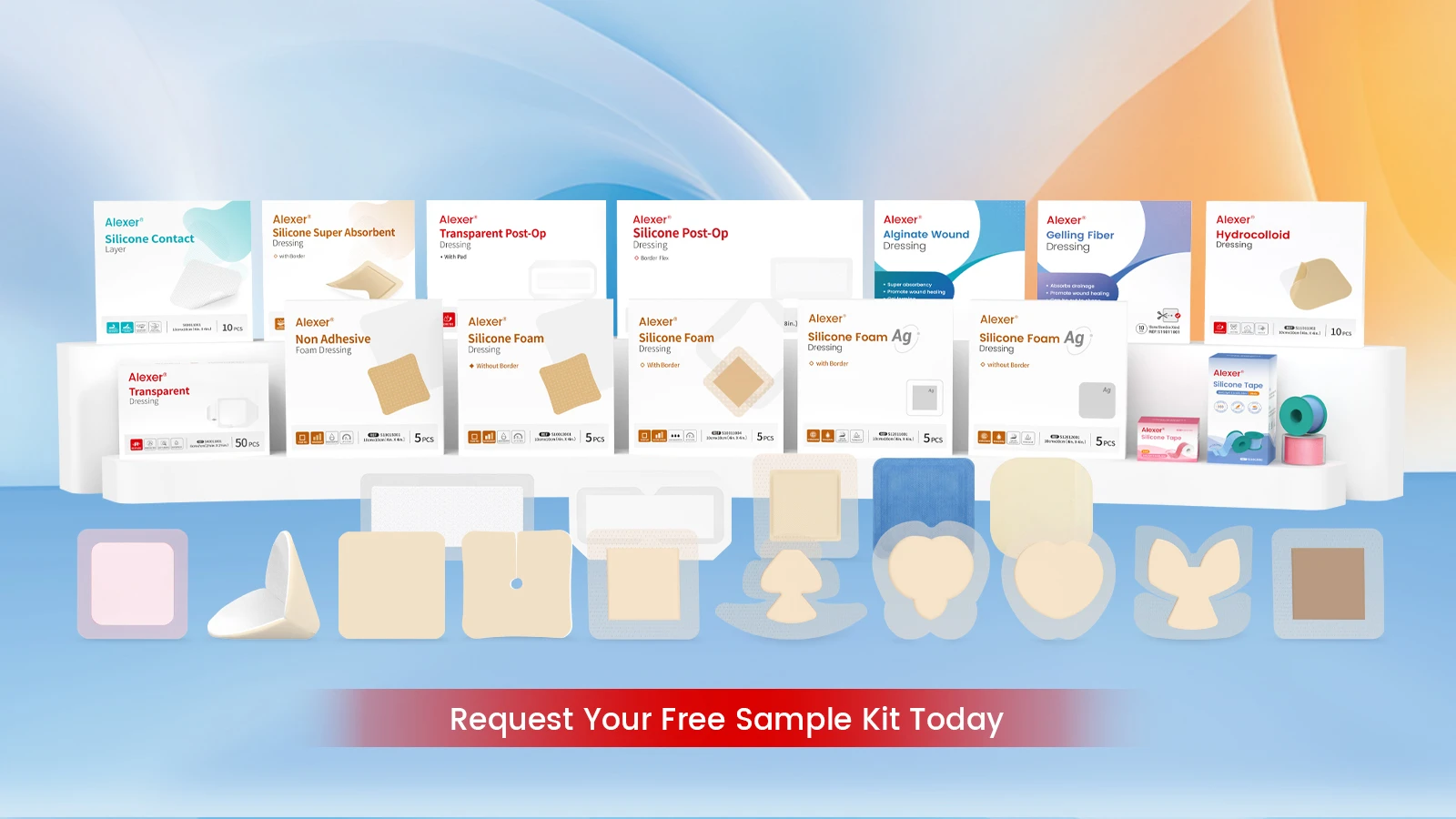
If you are a healthcare worker, you can ask for a free sample of SLK Medical’s gelling fiber dressing. You can test how the gel works and see how it helps wound care in your clinic.
You can see that gelling fiber dressings help wounds heal faster in 2026. These dressings control exudate well and fight germs. They also help wounds get smaller over time. You will notice less fluid and no infection signs. SLK Medical makes advanced hydrogel dressings with top safety certificates. You can trust their hydrogel dressings to be safe and work well. If you want to try hydrogel dressings, ask SLK Medical for a free sample. You can see how they help your wound heal.
-
Control exudate well for better healing
-
Help stop infection in wounds that last a long time
-
Help wounds get much smaller
-
Work well to manage exudate in real cases
FAQ
How often should you change a gelling fiber dressing?
Change the dressing when it is full of wound fluid. Most people need to change it every 1 to 3 days. Always listen to your healthcare provider for the best care.
Tip: Look at the dressing every day for too much fluid or leaks.
Can you use Alexer® Gelling Fiber Dressing on infected wounds?
Yes, you can use Alexer® Gelling Fiber Dressing on wounds with infection. The dressing soaks up exudate and holds bacteria inside. Always talk to your doctor to treat infection.
|
Wound Type |
Suitable for Alexer®? |
|---|---|
|
Infected wound |
✅ |
|
Dry wound |
❌ |
Is removal of the dressing painful?
You will not feel much pain when you take off the dressing. The gel does not stick to the wound bed. Most people say they feel little or no pain when changing dressings.
😊 Comfort level: High
What wounds benefit most from gelling fiber dressings?
Wounds with a lot of exudate heal best with this dressing. Chronic ulcers, pressure injuries, diabetic foot ulcers, and surgical wounds do well with it.
Note: Do not use on dry wounds or wounds with very little fluid.