You see more people needing advanced wound care now. Specialists say millions of people have complex wounds around the world.
-
Diabetic foot ulcers affect 6.3% of people worldwide.
-
Chronic wounds cost healthcare systems billions of dollars.
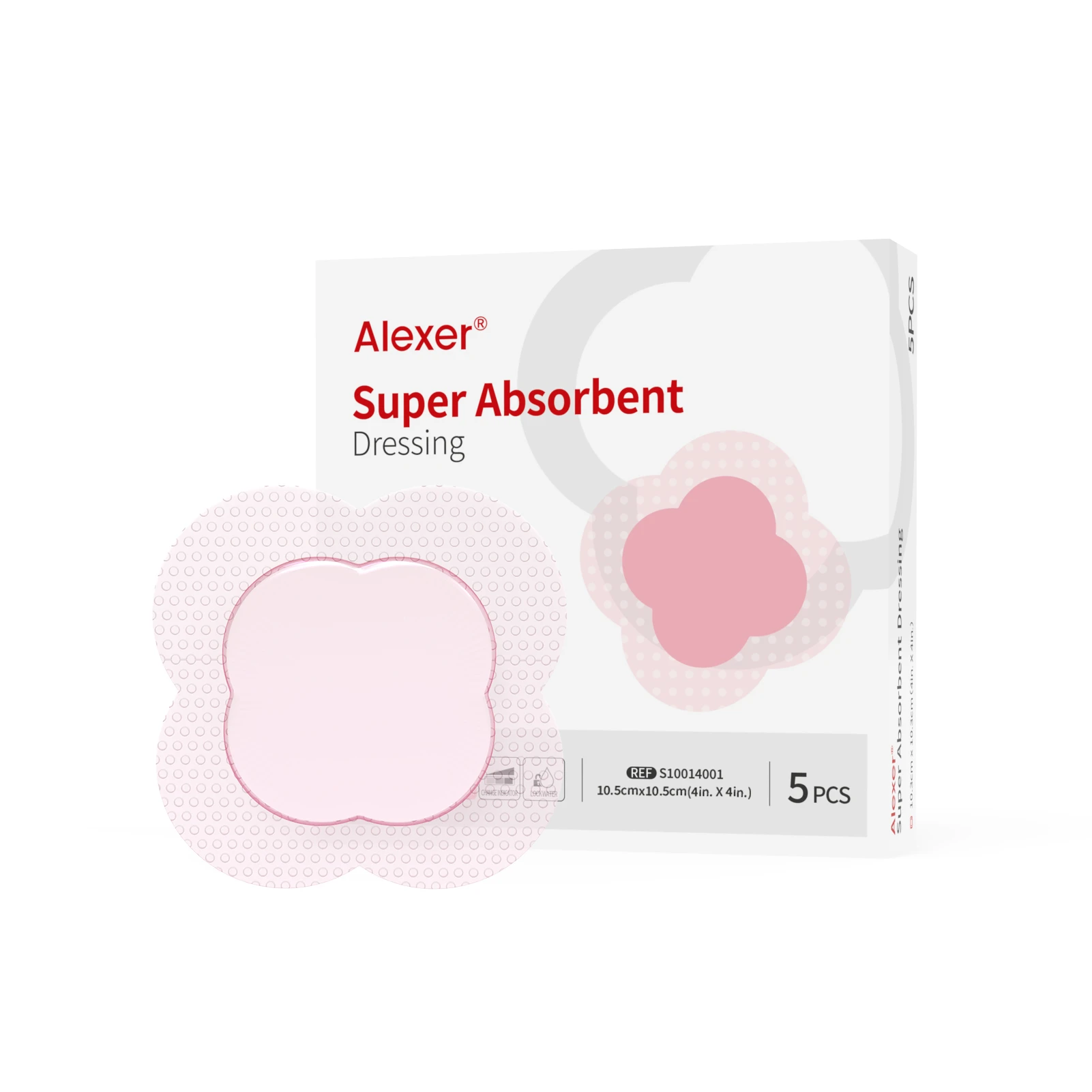
A bordered silicone foam dressing has many layers. You use it to protect wounds, absorb fluid, and give comfort. Specialists use bordered foam dressings to help wounds heal better. These dressings give important benefits for treating hard-to-heal wounds. Specialists use research and reviews to check if these dressings are comfortable and work well.
You can look at the following research and review data:
|
Evidence Type |
Description |
|---|---|
|
Clinical Study |
Specialists say bordered silicone foam dressings keep wounds moist and lower infection risk. |
|
Systematic Review |
Specialists find bordered foam dressings work for many wounds and help healing and comfort. |
|
Clinical Research |
Bordered foam dressings help treat hard wounds with better results. |
SLK Medical is a leader in wound care innovation. Specialists pick SLK for D-Pore™ technology, global certificates, and focus on patient results. You can look at SLK’s dressings for treating hard wounds, comfort, and healing. Check out SLK Medical products or ask for free samples to help patients heal better.
Key Takeaways
-
Bordered silicone foam dressings keep wounds moist. This helps wounds heal faster and lowers scarring.
-
These dressings stick gently to the skin. They cause less pain when changed. This makes them good for people with sensitive skin.
-
Bordered foam dressings soak up extra fluid well. This stops discomfort and helps wounds heal.
-
These dressings can lower the risk of infection. They have a waterproof back and block bacteria.
-
You do not need to change these dressings as often. This saves time and money for patients and healthcare workers.
What Is a Bordered Silicone Foam Dressing?
Structure and Key Features
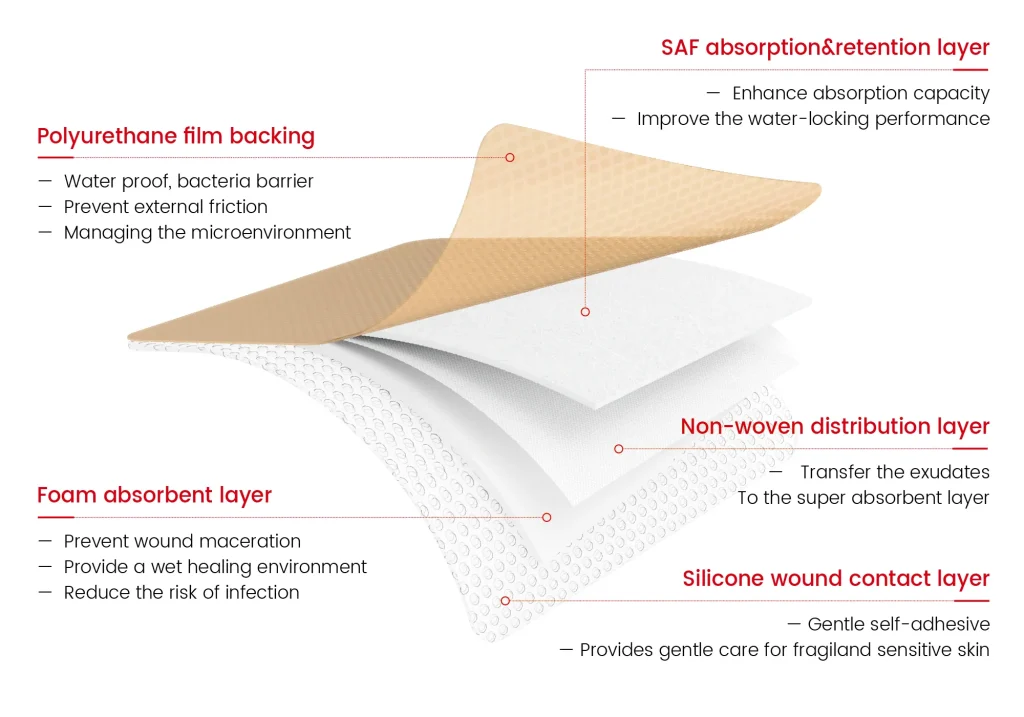
Bordered silicone foam dressings help with tough wounds. They make patients feel more comfortable. These dressings have many layers that work together. The soft silicone layer sticks gently to the skin. It helps stop pain when you change the dressing. The foam core soaks up fluid and keeps the wound moist. The backing film is waterproof and lets air through. It keeps germs and dirt away from the wound. The sticky border holds the dressing in place, even on hard-to-cover wounds.
Here are the main parts of a bordered silicone foam dressing and how each helps wounds heal:
|
Component |
How It Helps Wounds Heal |
|---|---|
|
Nonadherent silicone-based mesh |
Lets you take off the dressing gently without hurting the wound. |
|
Absorbent hydrophilic wound pad |
Soaks up fluid and keeps the wound moist for better healing. |
|
Backing film |
Stops germs and keeps fluid in, protecting the wound. |
|
Adhesive border |
Holds the dressing tight and makes it easy to put on and take off. |
Foam dressings work for many kinds of wounds. The layers keep the dressing in place and protect the skin. They help stop skin from getting too wet. Bordered foam dressings help with hard wounds and give better results.
How It Supports Wound Healing
Bordered silicone foam dressings help wounds heal by keeping them moist. Moist wounds heal faster and leave less scars. The foam core controls fluid and stops skin from getting too wet. The waterproof layer blocks germs and lowers the chance of infection. The silicone layer lets you change dressings with less pain. It protects new skin and helps patients feel better.
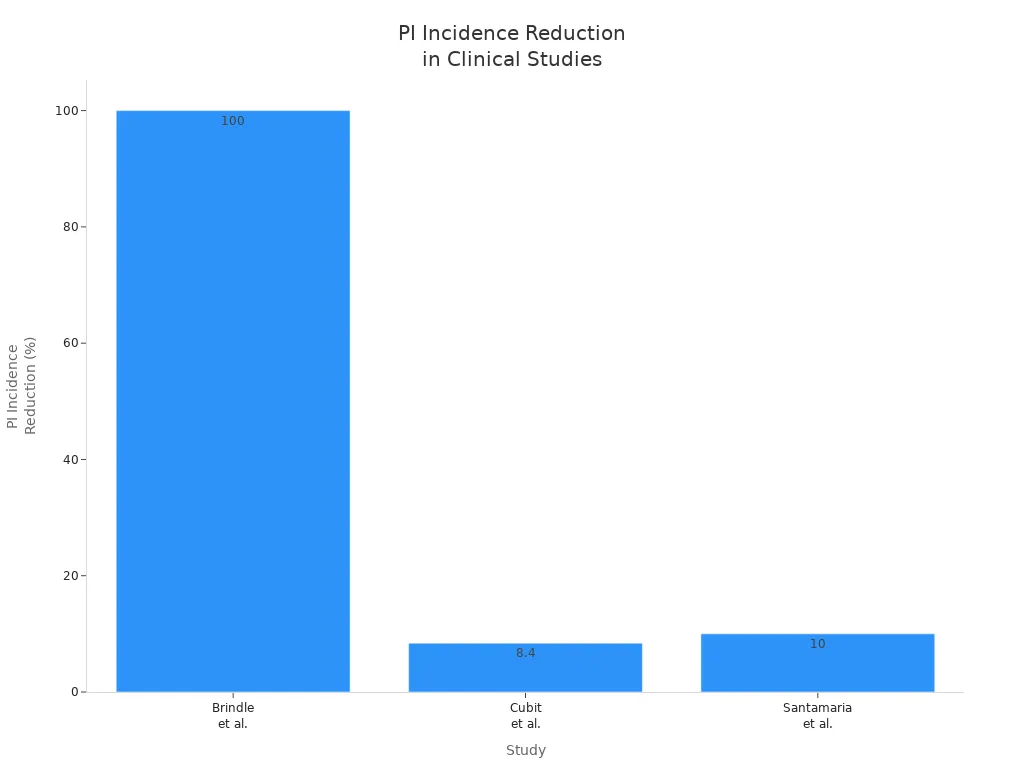
Studies show foam dressings with borders lower pressure injury rates and save money. You can see the results in the chart below:
Moist wound care helps wounds heal faster. Moist places help skin cells move and fix wounds. Cells called fibroblasts make more collagen, which helps new tissue grow. Dead tissue breaks down better in moist conditions. Patients feel less pain and have fewer scars. Nutrients get to the wound more easily. Bordered foam dressings help tough wounds heal and make patients more comfortable.
Exudate Management in Wound Care
High Absorbency and Moist Environment
Caring for complex wounds can be hard. One big problem is handling exudate. Too much fluid from wounds can slow healing. It can also make patients uncomfortable. Foam dressings help control this extra fluid. Bordered foam dressings use special technology to soak up exudate. They keep the wound moist. Dressings with high absorbency give better results.
The International Wound Dressing Technology Expert Panel says good exudate management protects wounds. It also keeps the skin around the wound safe. Picking dressings that balance absorption and holding fluid helps patients heal. It also makes them feel better. Bordered foam dressings absorb more than other types. Clinical studies show foam dressings like Biatain have a 76% excellent absorbency score. Patients feel less pain when changing dressings. They also follow care instructions better.
Tip: Pick foam dressings with hydrocellular cores. These dressings keep wounds moist and help healing. Triple layer technology manages fluid well. It creates a good place for wounds to heal.
Bordered foam dressings work for wounds with moderate to heavy exudate. They help wounds heal faster. Patients feel more comfortable and get better results.
Prevention of Maceration
Stopping maceration is important in wound care. Maceration happens when skin near the wound gets too wet. This can hurt the skin and slow healing. Foam dressings help stop this from happening. Bordered foam dressings lock in fluid and protect the skin. Patients feel less pain and have fewer problems.
-
Soft-silicone foam dressings lower pain when changing dressings.
-
These dressings help stop maceration and keep the wound bed healthy.
-
You help patients avoid skin damage and heal better.
Clinical guidelines say good exudate management helps wounds heal. It also keeps patients comfortable and protects tough wounds. Bordered foam dressings give steady care and help you get better results.
Gentle Adhesion for Sensitive Wounds
Reduced Skin Trauma
It is important to keep your skin safe when treating wounds. Bordered foam dressings use soft silicone to stick softly to the skin. This gentle stick lowers the chance of hurting the skin. It is helpful for people with weak or sensitive skin. Many studies show silicone dressings cause less harm than regular sticky bandages. You can take off and put back silicone dressings without hurting the skin. This makes them good for wounds that need to be checked often.
Soft silicone dressings help stop skin injuries from medical tape. You can use them for children, older adults, or cancer patients who need gentle care.
Here is a table that shows how different sticky bandages affect the skin:
|
Adhesive Type |
Trauma Risk |
Atraumatic Removal |
Source |
|---|---|---|---|
|
Acrylic Adhesive |
High |
No |
LeBlanc et al, 2021 |
|
Silicone Adhesive |
Low |
Yes |
LeBlanc et al, 2021 |
|
Soft Silicone Dressings |
Very Low |
Yes |
Kim and Shin, 2021 |
Foam dressings with silicone borders help you care for wounds safely. They keep the bandage in place and let you check the wound often. This helps wounds heal better and keeps patients comfortable.
Pain-Free Dressing Changes
Changing bandages can hurt for people with hard-to-heal wounds. Foam dressings with soft silicone make this easier. You can take off the bandage without pulling on the skin. This means less pain and more comfort for patients.
Reports show patients feel little or no pain with silicone foam dressings. Experts like Acton, Benbow, and Upton say these dressings do not stick to the wound or skin. This means less harm and less pain for patients. You can use bordered foam dressings to help wounds heal better.
Tip: Pick foam dressings with gentle silicone for tough wounds. You help patients heal faster and make care easier.
Foam dressings with gentle stick help wounds heal well. They protect the wound, lower harm, and make patients feel better. You give your patients a better chance to heal.
Infection Protection for Wounds
Bacteria Barrier and Waterproof Backing
You want to keep wounds safe from infection. Bordered foam dressings help you do this. The waterproof backing on these dressings blocks water and germs. You protect the wound from outside bacteria. This barrier lowers the risk of infection. You give wounds a better chance to heal. Foam dressings let air pass through, so the wound can breathe. You keep the wound moist, which helps with healing. You also stop dirt and other things from getting into the wound. This is important for complex wounds. You see better outcomes when you use dressings with a strong barrier. You help patients feel more comfort during treatment. Clinical studies show that bordered foam dressings lower infection rates in complex wounds. You use these dressings for many types of wounds in wound care.
Note: Always check the dressing for leaks. A good seal keeps the wound safe from infection.
Antimicrobial Options (e.g., Ag Dressings)
You can choose dressings with antimicrobial properties for extra protection. These dressings have silver or other agents that fight bacteria. You use antimicrobial foam dressings when wounds have a high risk of infection. Silver ions in the dressing kill germs and stop them from growing. You help wounds heal faster and lower the chance of infection. Clinical experts recommend antimicrobial dressings for complex wounds that do not heal well. You see better healing and fewer problems with infection. These dressings work well for chronic wounds, burns, and surgical wounds. You give patients more comfort and better outcomes. You use antimicrobial foam dressings as part of your wound care plan. You improve healing and protect the wound from infection during treatment.
Tip: Use antimicrobial dressings when wounds show signs of infection or when patients have complex wounds that need extra care.
You make a big difference in wound healing when you choose the right dressing. You lower infection risk, help wounds heal, and give patients more comfort. Bordered foam dressings with antimicrobial options support better clinical outcomes in wound care.
Extended Wear and Cost-Effectiveness
Fewer Changes, Lower Costs
You want to help patients with complex wounds heal faster and feel more comfort. Bordered foam dressings give you longer wear times. You do not need to change the dressing every day. This means you save time and lower costs for wound care. When you use foam dressings, you see fewer dressing changes. Patients spend less time in treatment and more time healing. You help families and clinics save money.
Clinical studies show that bordered foam dressings last longer than many other dressings. You can look at the table below to see how often you need to change dressings for different groups:
|
Group |
Average Frequency of Dressing Change (days) |
Standard Deviation (days) |
|---|---|---|
|
Standard Care Group |
4.69 |
2.36 |
|
Dressing-Specific Education Group |
2.38 |
1.73 |
|
General and Dressing-Specific Education |
5.33 |
2.05 |
You see that bordered foam dressings can stay on wounds for up to five days or more. This helps you lower costs and improve outcomes for patients with complex wounds. You also reduce waste and make wound care more efficient.
Consistent Wound Protection
You need dressings that protect wounds all the time. Bordered foam dressings give you steady coverage. The dressing stays in place, even on complex wounds or areas that move a lot. You do not worry about the dressing slipping or exposing the wound. Patients feel more comfort and safety during healing.
Foam dressings keep wounds moist and shield them from germs. You see better healing and fewer problems. When you use foam dressings, you help wounds heal faster and keep patients comfortable. You also support better clinical outcomes in wound care. You give patients a better chance for strong healing and less pain.
Tip: Choose foam dressings for complex wounds when you want long-lasting protection and fewer dressing changes. You help patients heal and save costs in treatment.
Patient Comfort and Mobility
Soft, Conformable Materials
You want your patients to feel safe and calm. Foam dressings use soft and bendy materials. These dressings fit the skin well. They cushion wounds and help lower pain. Patients feel more comfortable with bordered foam dressings. The gentle silicone layer protects weak skin. It helps stop injuries. Foam dressings make changing dressings easier and less painful.
-
Foam dressings soak up fluid and give a soft cover.
-
Soft-silicone dressings come off without hurting the skin.
-
Silicone foam dressings lower pain and stop skin damage, especially for older or sensitive skin.
Clinical studies show bordered foam dressings help patients feel less pain. You help patients feel better and heal faster by using dressings that fit well and protect wounds.
Secure Fit for Active Lifestyles

You need dressings that stay on during daily movement. Bordered foam dressings use strong sticky borders to keep dressings in place. Patients with complex wounds can move without worrying about dressings slipping. You help patients stay active and feel good during care. Foam dressings work well for wounds on joints, heels, or hard-to-cover spots.
|
Feature |
Benefit for Patient Comfort and Mobility |
|---|---|
|
Flexible foam materials |
Move with the skin and body |
|
Secure adhesive border |
Keeps dressing in place |
|
Waterproof backing |
Protects wounds during movement |
Clinical trials show foam dressings with borders lower pressure injury risk. You see better results when patients can move and heal at the same time. Bordered foam dressings help you give steady wound care and improve comfort. You help wounds heal and let patients get back to normal life faster.
Tip: Pick foam dressings with soft, bendy materials for tough wounds. You give your patients comfort for better healing and movement.
Versatility Across Wound Types
Chronic and Acute Wounds
Suitable for Various Wound Types
You need a dressing that works for many wounds. Bordered foam dressings give you this flexibility in wound care. You can use these dressings for both chronic and acute wounds. You see them used for complex wounds that need special care. Clinical guidelines show that foam dressings help with many types of wounds. You can use them for:
-
Partial and full wounds
-
Skin tears
-
Donation sites
-
Surgical wounds
-
Dermal wounds
-
Granulated or necrotic wounds
-
Wound infections
You get better outcomes when you choose foam dressings for complex wounds. These dressings support wound healing and make treatment easier. You help your patient feel more comfort and see faster healing. You can trust foam dressings for wounds that need steady care.
Adaptability to Different Anatomical Sites
Secure Fit on Challenging Body Areas

You often treat wounds on elbows, knees, heels, or other hard-to-cover places. Bordered foam dressings adapt to these areas. You find them in many shapes, sizes, and thicknesses. You can cut the dressing to fit the wound. This makes foam dressings perfect for complex wounds in tricky spots. You use them as cavity dressings when wounds are deep.
You see that foam dressings stay in place, even when your patient moves. The flexible design supports wound healing and keeps the dressing secure. You give your patient comfort and protection during treatment. You improve outcomes by using dressings that fit every wound and every body part.
Tip: Choose foam dressings that match the shape and size of the wound. You help wounds heal and make wound care simple for your patient.
Why Choose SLK Medical Bordered Foam Dressings
Innovative Technologies (e.g., D-Pore™)
You want your patients to get the best care. SLK Medical uses new technology to help wounds heal better. D-Pore™ Dual-Dimensional Pore Foaming Technology is special in foam dressings. This technology helps the dressing soak up fluid and lets air pass through. Wounds stay moist, which helps them heal faster. The foam also gives support to the wound. You keep the right amount of moisture and air for healing. D-Pore™ technology helps you take care of tough wounds with less chance of skin getting too wet. You can count on these bordered foam dressings for good healing and comfort.
Product Range and Customization
You treat many kinds of wounds in your clinic. SLK Medical has lots of bordered foam dressings for different needs. You find dressings for surgery wounds, diabetic foot ulcers, burns, and pressure injuries. You can pick from many shapes and sizes. This helps you fit dressings to elbows, heels, or other hard spots. You also get dressings with antimicrobial options for wounds that might get infected. These foam dressings help you care for tough wounds and help healing. You give each patient the right dressing for their wound. Custom choices mean you always have what you need for good wound care and better results.
Certifications, Global Standards, and Reliable Supply
You want dressings that follow strict rules. SLK Medical bordered foam dressings meet international certifications. You can see the main certifications in the table below:
|
Certification |
Description |
|---|---|
|
Quality management system for medical devices |
|
|
FDA Standards |
Compliance with U.S. regulatory requirements |
|
CE HDR Standards |
Conforms to applicable EU regulations (e.g. EU MDR 2017/745) |
You know these foam dressings are safe and high quality. SLK Medical makes sure you always have dressings when you need them. You can trust these dressings for tough wounds and wound care. You help your patient heal with comfort and confidence. You see better results at every step of treatment.
Bordered foam dressings make a big difference in wound care. They help wounds heal, keep wounds safe, and make patients feel better. Patients with hard wounds can heal faster and do better. Foam dressings work well in many treatments. SLK Medical has advanced dressings for all kinds of wounds. You can count on these dressings for tough wounds and healing. If you want to learn more or get free samples, contact SLK Medical to help your patients heal better.
FAQ
What wounds can you treat with bordered silicone foam dressings?
You can use these dressings for many wounds. They work well for pressure ulcers, diabetic foot ulcers, surgical wounds, burns, and skin tears. You can also use them for both chronic and acute wounds.
How often should you change a bordered silicone foam dressing?
You usually change the dressing every 3 to 7 days. The exact time depends on how much fluid the wound makes and your doctor’s advice. Always check the dressing for leaks or signs of infection.
Can you use bordered silicone foam dressings on sensitive skin?
Yes, you can. The soft silicone layer sticks gently to your skin. It helps prevent pain and skin damage during dressing changes. You can use these dressings for people with fragile or sensitive skin.
Are bordered silicone foam dressings waterproof?
Yes, they are. The top layer keeps water and germs out. You can shower without worrying about the dressing getting wet. The wound stays protected and clean.