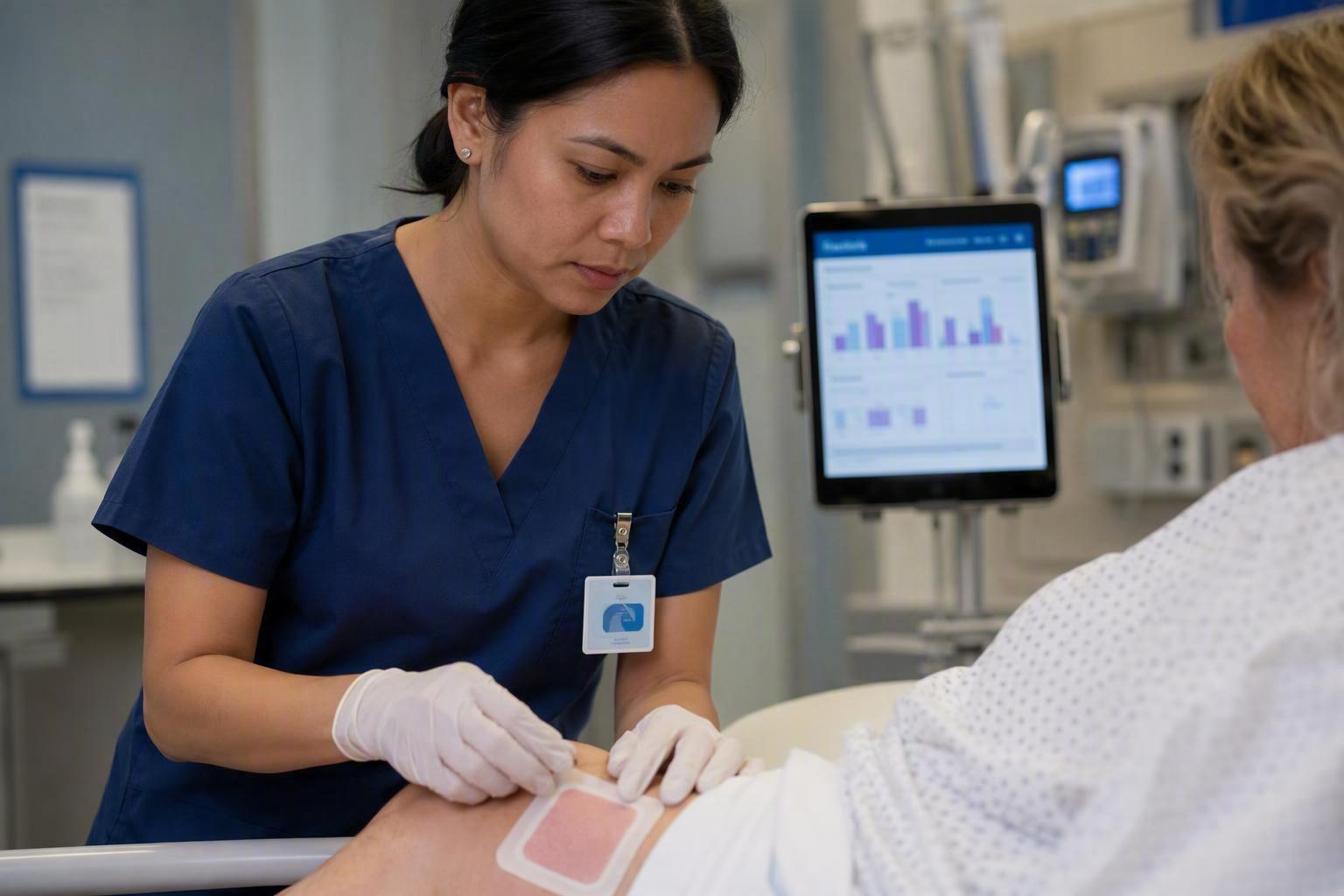
You can make pressure ulcer care better and save money by using a silicone foam dressing. Studies show you do not need to change dressings as often. You also have fewer problems with this choice.
A study in Spain showed polyurethane foams cut weekly costs by 59%. They also made people change dressings less often. You see fewer problems than with regular dressings.
|
Study Title |
Cost Savings |
Clinical Effectiveness |
|---|---|---|
|
Clinical effectiveness of a silicone foam dressing for the prevention of heel pressure ulcers in critically ill patients |
Big savings |
Strong results in stopping pressure ulcers |
|
Clinical performance and cost‐effectiveness of a Silicone foam with 3DFit™ technology in chronic wounds |
About the same wound area reduction |
Key Takeaways
-
Silicone foam dressings need fewer changes. This saves time and supplies for nurses and doctors.
-
These dressings protect skin better. They lower the chance of pressure ulcers and infections. This is very helpful for people with weak skin.
-
Using silicone foam dressings saves a lot of money. Studies show costs can drop by 59% each week compared to regular dressings.
-
Patients feel more comfortable with these dressings. They like the gentle removal and moist healing that silicone foam dressings give.
-
Teaching caregivers how to use silicone foam dressings helps care get better. It also helps patients heal faster and feel better.
Silicone foam dressing change frequency
Extended wear
You can leave a silicone foam dressing on a wound for several days. Most doctors recommend keeping it in place for three to seven days, depending on how much fluid comes from the wound. If the wound does not drain much, you do not need to change the dressing often. This means you spend less time checking and replacing dressings. When a wound has more fluid, you may need to change the dressing sooner to keep the skin safe. Longer wear times help you avoid extra work and keep the wound protected.
Labor savings
You save time when you use silicone foam dressings. Nurses spend less time changing dressings, so they can help more patients. You also lower costs because you need fewer supplies and less staff time. Here is a table that shows how much time and money you save:
|
Metric |
Value |
|---|---|
|
Estimated time per dressing |
2 minutes |
|
Total nursing time for dressing |
24.63 hours |
|
Marginal cost for PU prevention |
$8017.2 |
|
Average cost per person |
$36.61 |
-
You reduce dressing change frequency by 30-40%. This saves a lot of nursing time.
-
Nurses can care for more patients and do other important tasks.
-
Longer wear times and fewer problems help lower costs for hospitals and care centers.
Complication reduction
Skin protection
Silicone foam dressings help keep your skin safe. They make a shield that blocks water and bad forces. This lowers the chance of getting worse pressure injuries. Fragile skin stays safer and does not break down as easily.
-
Multilayer silicone foam dressings stop pressure ulcers on the sacral and coccygeal skin in people at high risk.
-
These dressings protect skin from water and rubbing. This helps people with delicate skin avoid harm.
-
In one study, very sick patients who used silicone foam dressings did not get pressure ulcers. Fourteen patients who did not use them got pressure ulcers. This means silicone foam dressings give strong protection.
-
Multilayer silicone foam dressings control water and lower rubbing. Patients with fragile skin and bad diarrhea get better results.
You get fewer problems when you use silicone foam dressings. You also spend less money because you do not need extra treatment.
Infection prevention
Silicone foam dressings help stop infections. They keep wounds clean and lower the chance of germs getting in. You avoid problems that happen with regular dressings.
Regular dressings can cause problems like wet skin and infection. Silicone foam dressings help stop these problems. Their design keeps wounds clean and lowers infection risk.
-
Silicone foam dressings lower the chance of infection.
-
They keep wounds clean for healing.
-
Sticky borders help stop germs from getting in.
-
Better water control and sticky borders help your body heal.
Some studies are not sure if silicone foam dressings heal pressure ulcers faster than other dressings. Many studies do not have strong results about healing time or other outcomes. Still, you see fewer problems and spend less money when you use silicone foam dressings.
Silicone foam dressing cost-effectiveness
Material costs
Silicone foam dressing costs more than gauze. You do not need to change it as much. This means you use fewer dressings. Nurses spend less time changing them. The table below shows the cost differences:
|
Dressing Type |
Material Cost |
Frequency of Change |
Overall Cost Impact |
|---|---|---|---|
|
Silicone Foam Dressing |
Higher |
Less frequent |
Potentially lower due to reduced nursing costs |
|
Traditional Gauze |
Lower |
More frequent |
Higher due to increased nursing expenses |
You save money because you use fewer supplies. You also need less staff time for changes.
Resource utilization
Silicone foam dressing helps your care team work faster. Nurses spend less time on dressing changes. You use fewer supplies. This leads to better results for patients and nurses.
|
Metric |
Value |
|---|---|
|
Dressing Change Frequency |
Reduced by 47.1% |
|
Weekly Cost Reduction |
58.7% decrease |
|
Average Wound Size Decrease |
28.3% after 4 weeks |
|
Patient Satisfaction |
90.2% |
|
Healthcare Professional Satisfaction |
92.2% |
Using silicone foam dressing improves how resources are used. It also helps patients heal better.
Prevention savings
Silicone foam dressing absorbs and holds wound fluid well. It keeps the wound moist and stops leaks. You need fewer extra treatments. Here are some important facts:
-
Silicone foam dressing lowers pressure ulcers in at-risk patients.
-
Absorbency and retention help wounds heal faster.
-
You avoid costly treatments because the wound stays healthy.
-
You do not need to change the dressing as often.
A study found silicone foam dressing costs about AU$36.61 per person. Treating pressure ulcers costs much more, at AU$1103.52 per person. This means you save money by preventing ulcers.
You help the healthcare system save money over time. It costs less to prevent ulcers than to treat them. Silicone foam dressing helps wounds heal and lowers problems.
Easier care process
Caregiver routine
Using silicone foam dressings makes your daily work easier. You do not have to change dressings as often. These dressings stick well and stay on, even if patients move. You do not worry about dressings falling off or changing them a lot. This gives you more time for other jobs.
-
Pressure ulcers happen less with silicone foam dressings. One study showed only 2% of patients got ulcers. With regular care, 11.4% of patients got ulcers.
-
Dressings that stick well mean you check them less.
-
Fewer problems mean you do not have extra work.
-
Moist wound healing helps wounds get better faster. You spend less time with each patient.
You feel less stress when you use silicone foam dressings. You see fewer bad pressure injuries. The dressings are waterproof and let skin breathe. This stops skin problems and means fewer dressing changes. Good sticking and moist healing make your job easier.
Training helps you use silicone foam dressings the right way. Learning in person gives you the skills you need. You learn how sticking and moist healing help care. Training also teaches family caregivers, so everyone can help.
|
Training Method |
Impact on Caregiver Knowledge |
Best Practice |
|---|---|---|
|
Face-to-face education |
Strong improvement |
Include family caregivers |
|
Practical skills |
Better dressing application |
Focus on secure adhesion and healing |
Patient comfort
Silicone foam dressings help patients feel better. Dressings that stick well do not move or slip. Moist wound healing keeps the skin soft and gentle. Patients say they feel less pain and are more comfortable.
-
Fewer pressure ulcers mean less pain for patients.
-
Moist wound healing keeps skin healthy and soft.
-
Dressings that stick well do not rub or hurt the skin.
-
Patients are very happy with silicone foam dressings.
A study showed only 4 out of 118 patients got sacral pressure ulcers with silicone foam dressings. No one had skin problems or felt discomfort. Patients feel better because moist healing protects weak skin. Dressings that stick well do not pull or tug, so patients can rest.
|
Evidence Type |
Findings |
Context |
|---|---|---|
|
Systematic Review |
Soft silicone foam dressings may reduce pressure injury incidence |
Focused on immobile patients in ICUs |
|
Study Result |
86% reduction in heel pressure injuries with silicone foam dressings |
Compared to standard care in critically ill patients |
You see better results and happier patients. Patients feel more comfortable and have fewer problems. Moist healing and good sticking work together to make care easier for you and better for patients. 😊
You can make pressure ulcer care better with silicone foam dressings. These dressings come off gently, so skin does not get hurt. Changing them is easier for everyone. Studies show silicone foam dressings help in many ways:
-
You can save up to 33% in costs.
-
You use fewer products and remove dressings gently.
-
You still save money even with less extra stuff.
-
Older studies show cost drops from 18% to 48% with gentle removal.
|
Recommendation |
Context |
Strength of Evidence |
|---|---|---|
|
Use five-layer silicone bordered dressings for high-risk patients |
Sacrum, buttocks, and heels in ED, ICU, and OR |
Good evidence |
|
Put five-layer soft silicone bordered foam dressing before long procedures |
When patient cannot move from lying on back |
SOE = B |
|
Use soft silicone dressings when head of bed stays up |
Head stays raised for a long time |
SOE = B |
|
Put multi-layer soft silicone foam dressings on heels |
Before long procedures when legs cannot move |
SOE = A |
|
Use five-layer soft silicone bordered foam dressing for better prevention |
For sacrum, buttock, and heel |
SOE = A |
Gentle removal means you change dressings less often. You see fewer problems and better healing. Patients get better faster and feel more comfortable. Pick silicone foam dressings for easy removal and smart pressure ulcer care. 😊
FAQ
How long can you leave a silicone foam dressing on a wound?
You can keep a silicone foam dressing on for three to seven days. The dressing stays in place if the wound exudate management is good. You should check the wound often to make sure the dressing works well.
Do silicone foam dressings help with wound healing environment?
Yes, silicone foam dressings create a moist wound healing environment. This helps your skin heal faster. The dressing protects the wound and keeps it clean.
What makes silicone foam dressings better for effective wound care?
You get better results because silicone foam dressings offer strong fluid handling performance. The dressing absorbs fluid and keeps the wound safe. You spend less time changing dressings and see fewer problems.
Can silicone foam dressings improve wound care practices for caregivers?
Silicone foam dressings make wound care practices easier for you. You change dressings less often. The dressing sticks well and does not fall off. You save time and help more patients.
Are silicone foam dressings good for wounds with a lot of fluid?
Yes, silicone foam dressings work well for wounds with much fluid. The dressing absorbs fluid and keeps the wound dry. You see fewer leaks and better healing.