


You want wounds to heal well. Picking the right pressure ulcer dressing helps a lot. SLK Medical uses D-Pore™ technology. This helps wounds heal faster. It also keeps skin healthy. Their products follow CE MDR / FDA and ISO 13485 rules. New studies show adhesive silicone foam dressings work well. SLK Medical’s dressings help 86% of wounds heal in 3 weeks.
|
Dressing Type |
Healing Rate at 3 Weeks |
|---|---|
|
Adhesive Silicone Foam Dressing |
86% |
|
Meshed Silicone Interface Dressing |
59% |
Check out SLK Medical’s products. They help patients feel better and heal faster.
Key Takeaways
-
Picking the right dressing is very important for healing pressure ulcers. Silicone foam dressings help wounds heal faster and keep skin safe.
-
Silicone foam dressings can be used for all pressure ulcer stages. They protect the skin, manage fluid, and lower the chance of new ulcers.
-
Check and change dressings often to stop infection. Change them every 3 to 7 days or sooner if needed.
-
Teach caregivers how to find and care for pressure ulcers early. This helps stop them from getting worse.
-
SLK Medical’s silicone foam dressings are FDA approved and made to meet strict quality rules. This makes sure care works well.
Pressure Ulcers: Stages and Risks
What Are Pressure Ulcers?
Doctors talk about pressure ulcers when a sore will not heal. These sores happen if you stay in one spot too long. They often show up on hips, heels, or tailbone. Blood cannot flow well, so skin and tissue get hurt. You might see red skin, feel pain, or see an open sore. Anyone can get pressure ulcers, but people who cannot move much have a bigger risk.
Stages of Pressure Ulcers
Pressure ulcers have different stages. Each stage tells how deep the sore is. Knowing the stages helps you heal better.
|
Stage |
Description |
|---|---|
|
Stage 1 |
Intact skin with non-blanchable redness over a bony spot; may feel warmer or cooler; pain possible. |
|
Stage 2 |
Partial-thickness skin loss with exposed dermis; wound bed is pink or red, moist, and may blister. |
|
Stage 3 |
Full-thickness skin loss; fat may show, granulation tissue and rolled edges often present. |
|
Stage 4 |
Full-thickness skin and tissue loss; exposed or palpable muscle, tendon, or bone. |
|
Unstageable |
Full-thickness skin and tissue loss hidden by slough; damage extent cannot be confirmed. |
Stage 1 pressure ulcers look red and may hurt. Stage 2 sores are open or look like blisters. Stage 3 ulcers go deeper and show fat or yellow tissue. Stage 4 ulcers are worst, with muscle or bone showing.
Risk Factors and Prevention
You have a higher chance of pressure ulcers if you cannot move well. Not eating enough, dry skin, and being underweight also raise your risk. Bad blood flow makes ulcers more likely. You can help prevent them by eating healthy food, drinking water, and checking your skin often.
Tip: Use special mattresses or cushions to lower pressure. Keep your heels up and ask someone to check your skin. Caregivers should learn how to spot and care for ulcers early.
|
Recommendation Area |
Specific Recommendations |
|---|---|
|
Support Surface Selection Assessment |
Use dynamic mattresses for early ulcers; foam mattresses for stage II; airflow beds for stage III or IV. |
|
Support Surface Use |
Use alternating pressure cushions for long sitting periods. |
|
Heel Pressure Ulcer Prevention |
Elevate the heel with a special device. |
|
Education for Caregivers |
Train caregivers on support surfaces and skin checks. |
Pressure ulcers need close care. Stopping them early helps you heal and keeps them from getting worse.
Silicone Foam Dressings in Pressure Ulcer Care
How Silicone Foam Dressings Work
Silicone foam dressings help ulcers heal and protect them. The soft foam layer pulls fluid away from the wound. The silicone part sticks softly to your skin. This makes changing the dressing hurt less. The foam keeps the wound dry and clean. These dressings are waterproof and let air in. They block germs but let your skin breathe.
Silicone foam wound dressings have a special design. They pull and trap exudate. This keeps wounds dry and clean. Exudate does not pool in the wound. This stops the skin from getting too wet.
Silicone foam dressings spread out pressure on the skin. This lowers pressure and shear on one spot. They also keep water out but let air in. This helps stop skin from getting too wet or infected. This is very helpful for the sacral area.
Benefits for Prevention and Treatment
You want to stop ulcers before they start. Silicone foam dressings help prevent pressure injuries. They lower the chance of new ulcers. They also help wounds heal faster. These dressings work for every stage of pressure ulcers. Studies show they can lower incontinence-associated dermatitis by over 60%. Using these dressings does not cost more for prevention.
-
A study looked at two silicone dressings for sacral and heel ulcers.
-
The study was done with high-risk ICU patients.
-
The dressings worked better than using nothing.
|
Outcome |
Result |
Statistical Significance |
|---|---|---|
|
Risk of developing new pressure ulcers |
Lowered by 41% |
p = 0.04 |
|
Absolute risk reduction |
2.0% |
95% CI -0.1–4.1% |
|
Number needed to treat |
50.0 |
N/A |
SLK Medical’s D-Pore™ Technology
SLK Medical’s D-Pore™ technology gives advanced care. It uses multilayer silicone foam dressings. These dressings control exudate and keep wounds moist. D-Pore™ lowers the number of ulcers and helps wounds heal better. Studies show SLK Medical’s dressings lower pressure ulcer risk by 41%. Guidelines say to use silicone foam dressings for all ulcer stages.
|
Evidence Type |
Description |
|---|---|
|
Effectiveness |
Studies show SLK Medical’s dressings lower pressure ulcer risk by 41%. |
|
Mechanism |
D-Pore technology controls fluid and eases pressure. This helps wounds heal faster and keeps skin healthy. |
|
Patient Impact |
Multilayer silicone foam dressings lower pressure ulcers in high-risk patients compared to no dressings. |
Choosing Pressure Ulcer Dressing by Stage
Picking the right dressing for each stage helps wounds heal. You need to know the ulcer stage, how much exudate there is, and how the skin looks. SLK Medical has silicone foam dressings for every stage. These dressings protect skin, control exudate, and help wounds heal faster.
Stage 1: Early Protection
Stage 1 ulcers look red but the skin is not broken. You might feel pain or notice the skin feels different. Protecting early helps stop ulcers from getting worse.
-
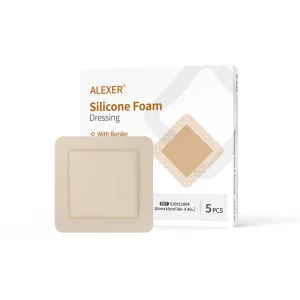
Multilayer silicone foam dressings like Alexer® Silicone Foam Dressing with Border or Border Flex work well. They lower new ulcers in patients who are at high risk.
-
Studies found only 1.7% of patients using these dressings got ulcers. In the control group, 7.3% got ulcers. The absolute risk reduction was 5.6%. The relative risk reduction was 76.7%. You need to treat 18 people to stop one ulcer.
-
The foam spreads out pressure and keeps skin safe. The silicone layer sticks softly and makes changing dressings hurt less.
Tip: Put on silicone foam dressings when you see redness. This helps stop pressure ulcers and gives better results.
Stage 2: Managing Partial Thickness
Stage 2 ulcers mean some skin is lost. You might see a blister or a shallow sore. The wound bed looks pink or red and feels wet. You need to protect the spot, control exudate, and keep the wound moist.
|
Wound Stage |
Clinical Signs |
Treatment Principles |
Recommended Dressings |
|---|---|---|---|
|
Stage 2 |
Some skin loss, pink or red wound bed, may blister |
Protect from rubbing, lower pressure, manage blisters, control exudate |
Silicone foam dressings, hydrocolloid dressings for mild exudate |

-
Alexer® Silicone Foam Dressing with Border and Composite Type work well for stage 2 ulcers. These dressings soak up exudate and keep wounds moist.
-
The foam locks in fluid and stops skin from getting too wet. The silicone layer protects weak skin.
Note: Experts say foam dressings are good for stage 2 ulcers. Check the wound often and change the dressing when needed.
Stage 3: Treating Full Thickness
Stage 3 ulcers are deeper. You might see fat or yellow tissue. These wounds need more care. You must control exudate, fill the wound, and cover it to help healing.
|
Wound Stage |
Clinical Signs |
Treatment Principles |
Recommended Dressings |
|---|---|---|---|
|
Stage 3 |
Deep skin loss, fat may show |
Remove dead tissue, fill wounds, cover with foam dressings |
Silicone foam dressings, hydrogel dressings, silver alginate dressings |
-
Alexer® Silicone Foam Dressing Composite Type and Border Flex are good for stage 3 ulcers. These dressings control lots of exudate and keep the wound covered.
-
The foam soaks up lots of fluid. The silicone layer keeps the dressing in place and protects skin around the ulcer.
Follow expert advice and use dressings that keep wounds moist and control exudate. This helps wounds heal better.
Stage 4: Advanced Wound Care
Stage 4 ulcers are the worst. You might see muscle, tendon, or bone. These ulcers need special care and close watching.
|
Wound Stage |
Clinical Signs |
Treatment Principles |
Recommended Dressings |
|---|---|---|---|
|
Stage 4 |
Deep tissue loss, muscle or bone showing |
Surgery to remove dead tissue, wound care, filling, covering |
Advanced silicone foam dressings with doctor’s help |
-
For stage 4 ulcers, use Alexer® Silicone Foam Dressing – Border Flex or Composite Type. These dressings control heavy exudate and protect wounds from germs.
-
The foam soaks up lots of exudate. The silicone layer makes changing dressings hurt less.
Always work with a doctor for stage 4 ulcers. You might need extra dressings or special treatments.
Special Cases: MDRPU and Sensitive Skin
Medical device-related pressure ulcers and sensitive skin need extra care. Things like masks or tubes can cause ulcers. Weak skin breaks down easily.
-
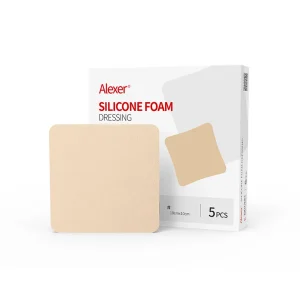
Use silicone foam dressings like Alexer® Silicone Foam Dressing without Border or Border Flex. These dressings lower pressure and help wounds heal.
-
Follow standard steps. Use low-pressure beds and move often. This helps silicone foam dressings work better.
-
Put on barrier creams with silicone foam dressings. This gives more protection in risky spots.
Silicone foam dressings are soft on sensitive skin. They help stop pressure injuries and lower new ulcers.
How to Choose the Best Pressure Ulcer Dressing
Think about these things when picking a dressing:
-
Ulcer stage
-
How much exudate there is
-
Skin condition
-
Where the ulcer is
-
Patient comfort and pain risk
SLK Medical’s silicone foam dressings meet all these needs. You can pick Alexer® Silicone Foam Dressing with Border, Composite Type, Border Flex, or without Border. Each one helps healing, protects skin, and controls exudate.
Table: Decision Criteria for Pressure Ulcer Dressing Selection
|
Criteria |
Why It Matters |
SLK Medical Solution |
|---|---|---|
|
Ulcer stage |
Helps pick the right dressing |
Choices for every stage |
|
Exudate level |
Stops skin from getting too wet |
Foam layers soak up lots of fluid |
|
Skin sensitivity |
Lowers pain, stops skin damage |
Soft silicone layers |
|
Wound location |
Makes sure dressing fits well |
Many shapes and sizes (sacrum, heel, butterfly) |
|
Frequency of changes |
Saves money, helps comfort |
Can wear up to 7 days |
You can trust SLK Medical’s silicone foam dressings for every stage of pressure ulcers. Studies show these dressings lower ulcers and help wounds heal. The foam and silicone layers work together to control exudate and help patients feel better. You get better healing and fewer problems.
Application Tips for Pressure Ulcer Dressing
Step-by-Step Guide
You want to use silicone foam dressings the right way. Follow these steps to help wounds heal and stop new pressure injuries:
-
Look at the skin near the wound. Decide if you need a skin protection product.
-
Choose a foam dressing that is big enough. Make sure it covers the wound and goes about 2 cm past the edges.
-
Check how much exudate is coming out. Pick multilayer silicone foam dressings that fit the wound’s needs.
-
Cut the foam dressing if the wound is hard to reach. Always make the dressing bigger than the wound.
-
Use silicone adhesive edges for weak skin. These edges help stop pain and keep the dressing in place.
-
Take off the foam dressing slowly and gently. If it sticks, look at the wound and try again.
-
Change the dressing when exudate gets close to the edge, usually 1-2 cm away.
-
Foam dressings can stay on for 3 to 7 days. This depends on exudate and the stage of the ulcer.
-
Pull sticky edge foam dressings off slowly and sideways. This helps stop skin tears.
-
Use foam dressings to help granulation in the wound bed.
Tip: Always follow your healthcare provider’s advice for each stage. Good technique helps stop pressure ulcers and gives better healing.
Monitoring and Changing Dressings
You need to check the wound often. Watch for changes in color, swelling, or smell. If you see infection or the foam dressing leaks, change it right away. For every stage, look at the dressing often. Replace it when exudate reaches the edge or if the foam does not stick anymore. Studies show regular checks help stop problems and improve healing.
Note: Multilayer silicone foam dressings work best when you watch the wound and change dressings as needed. This helps wounds heal and lowers new ulcers.
Common Concerns and Solutions
You may have problems when using silicone foam wound dressings. Here are some common issues and ways to fix them:
|
Challenge |
Solution |
|---|---|
|
Signs of contamination or infection |
Change the dressing right away if it leaks, smells bad, or gets more red or swollen. |
|
Skin condition |
Change the dressing sooner if skin around it is itchy, dry, or irritated. |
|
Cost |
Think about the cost of silicone dressings for patients who need many changes. |
|
Limited absorption |
Use a dressing that soaks up more for wounds with lots of exudate. |
|
Adhesion strength |
Use a stronger dressing in places that move a lot to stop it from shifting or coming off. |
If you have questions about foam dressings or need help, ask your healthcare provider. Guidelines say to use silicone foam for every stage to help healing.
SLK Medical Support and Free Samples
SLK Medical can help you with pressure ulcer dressing and wound care. SLK Medical gives professional support and free samples. You can try different foam dressings for each stage. This helps you find the best silicone product for your needs. SLK Medical’s team answers questions and gives advice for treatment. You can visit their website to ask for samples and learn more about stopping pressure injuries.
SLK Medical helps you stop pressure ulcers and get better healing. Their silicone foam dressings give good results for every stage.
Why Pick SLK Medical for Pressure Ulcers
Certified Quality and New Ideas
You want dressings that follow strict rules. SLK Medical’s silicone foam products have FDA, CE, and ISO 13485 approval. These show you can trust them in hospitals and clinics everywhere. The company uses D-Pore™ technology to help wounds heal and feel better. You get advanced silicone foam dressings that meet tough standards and help stop pressure ulcers.
|
Certification |
What It Means |
|---|---|
|
FDA |
Shows the product follows U.S. health rules. |
|
ISO 13485 |
International rules for medical device quality. |
|
CE MDR |
Needed to sell in Europe. |
SLK Medical works hard to make new products. You get the newest ideas and research in wound care.
Many Products and Choices
SLK Medical gives you lots of silicone foam dressings. You can pick dressings with borders, composite types, or flexible ones. The company has shapes for sacrum, heel, and butterfly wounds. You find answers for every stage of pressure ulcer care. SLK Medical also has antimicrobial dressings and smart wound monitoring. You get products that fit your needs better than most other brands.
|
Feature |
SLK Medical |
Other Brands |
|---|---|---|
|
Technology |
D-Pore™ for better healing |
Regular foam dressings |
|
Choices |
Many special products |
Not many options |
|
Antimicrobial |
Yes |
Not common |
|
Smart monitoring |
Yes |
Rarely offered |
|
Adhesive |
Soft silicone sticks gently |
Changes by brand |
|
Certifications |
FDA and ISO 13485 |
Changes by brand |
Quick Shipping and Good Prices
You want dressings fast and at a good price. SLK Medical ships quickly and keeps prices low. You save money and get foam dressings for every stage. The company’s fast service helps patients heal and lowers problems.
Awards and Events
SLK Medical goes to big medical events like CMEF and the China Nursing Management Conference. Experts show their silicone foam dressings. The company’s awards come from strong studies and research. You can visit SLK Medical’s official website to learn more or see products:
You pick SLK Medical for certified silicone foam dressings. Studies and guidelines show they help stop pressure ulcers and help wounds heal.
You help wounds heal better when you pick the right dressing for each stage. Foam dressings lower pressure and keep skin safe. This helps stop more harm. SLK Medical uses advanced silicone technology. They follow strict rules like CE MDR and ISO 13485. You get products you can trust and good support.
|
Feature |
Benefit |
|---|---|
|
Advanced Silicone |
Soft on skin, simple to use |
|
Multi-functional Design |
Soaks up fluid, eases tension |
|
Free Samples |
Try before you pick |
You can ask SLK Medical for free samples and expert help. This helps you choose the best wound care for your patients.
FAQ
What are the main risk factors for pressure ulcers?
You can get pressure ulcers if you do not move much. Eating poorly and having weak skin also raise your risk. People who have a high risk need regular checks. Pressure injuries in hospitals often happen on certain body parts. Using special care can help stop ulcers and make healing better.
How does silicone foam help with pressure injury prevention?
Silicone foam dressings protect your skin from harm. They lower the number of stage 1 pressure injuries. Foam dressings spread out pressure and keep ulcers dry. Studies show silicone foam helps stop hospital pressure injuries. It is a good choice for managing pressure injuries.
Which stage of ulcers benefits most from silicone foam dressings?
Silicone foam dressings help at every stage. Stage 1 and stage 2 ulcers heal faster with foam. Stage 3 and stage 4 ulcers need dressings that soak up more fluid. Foam dressings help stop new ulcers and lower the number of cases. Studies show they work well for people at high risk.
How often should you change silicone foam dressings for ulcers?
Check ulcers every day. Change foam dressings every 3 to 7 days. Change them sooner if fluid reaches the edge. Changing dressings often helps stop infection and helps healing. Checking risk helps you pick the best schedule for changing dressings.
What evidence supports silicone foam for preventing pressure ulcers?
Studies show silicone foam lowers stage 1 pressure injuries. Research proves foam dressings help stop pressure injuries and help healing. You see fewer hospital pressure injuries and better healing with foam dressings.


