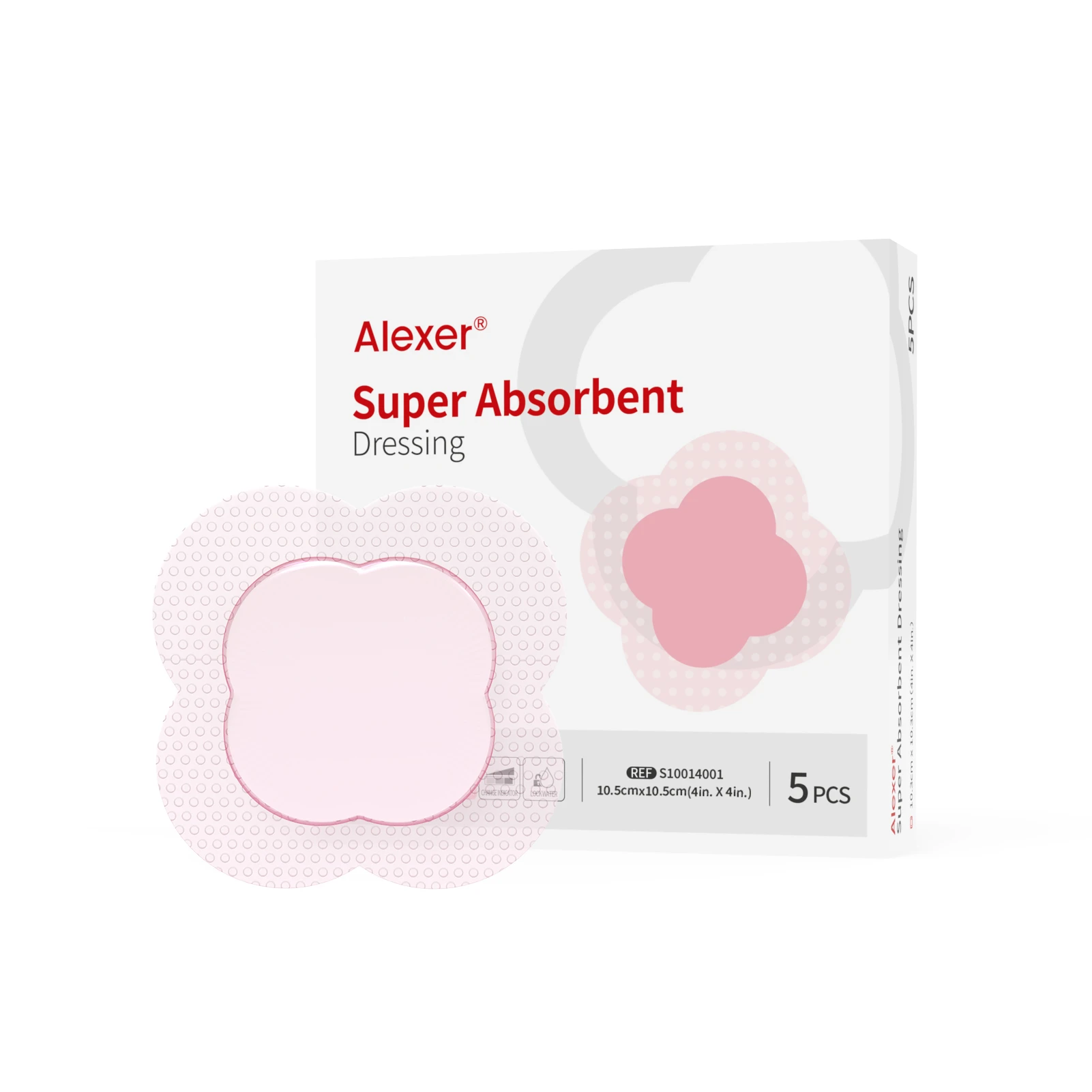
You can have real problems if you use a regular foam dressing. These problems are skin damage, pain, and slower healing. Many clinics do not use strict rules for foam dressings. This can cause problems like infection or injury. Multilayer silicone foam dressings are different. They give you more comfort and better exudate control. You also feel less pain. Most patients say they are happy and have less leakage. SLK Medical is a leader in quality and new ideas. They help make wound care safer for you.
Key Takeaways
-
Regular foam dressings can hurt your skin. They may cause pain and slow healing. Pick the right dressing to keep your skin safe.
-
Silicone dressings stick gently to your skin. They make taking them off less painful. These dressings work well for sensitive skin.
-
Silicone dressings control moisture well. This stops skin from getting too wet. It helps lower the chance of infection. Healing happens faster with good moisture control.
-
Silicone foam dressings need fewer changes. This saves time and supplies. You spend less money on treatment.
-
SLK Medical sells great silicone dressings. These dressings help you feel better and heal faster. Use certified products for the best care.
Foam Dressing Risks for Patients

Skin Trauma and Pain
Adhesion-Related Epidermal Stripping
Using a regular foam dressing can be risky. The sticky part can grab your skin too hard. When you take it off, it might pull away the top skin layer. This is called epidermal stripping. People with weak skin have a bigger risk. You might see red or sore spots after you remove it. Sometimes, you can get open wounds. This problem can make healing take longer.
Pain During Dressing Removal
Pain is another problem you should know about. Taking off a foam dressing can hurt a lot. The sticky part pulls on your skin and feels bad. Older people feel more pain when removing dressings. You might worry about changing your dressing because it hurts.
Risks for Vulnerable Skin (Elderly, Chronic Illness)
Older people and those with long-term sickness have weaker skin. They can get hurt more easily by foam dressings. You might get skin tears or blisters. These injuries can slow down healing and cause more trouble.
Maceration and Infection Risk
Excess Exudate Accumulation
Foam dressings that do not soak up fluid well are risky. Wetness can build up under the dressing. Too much moisture can harm your skin.
Skin Maceration and Breakdown
Maceration happens when skin stays wet for a long time. Your skin may look white, soft, or wrinkled. This can lead to skin damage. Treating maceration can cost a lot of money.
Increased Infection Susceptibility
If fluid leaks out, germs can get into your wound. This makes infection more likely. Too much moisture can slow healing and raise infection risk.
-
Poor exudate management can cause:
-
Maceration (moisture damage)
-
Higher infection risk
-
More treatment costs
-
Poor Absorption and Adhesion
Inadequate Fluid Management
If your foam dressing cannot hold enough fluid, it is risky. Fluid can leak out and make your wound wet and dirty.
Dressing Displacement and Leakage
If the dressing does not stick well, it can move or fall off. This can let germs and dirt touch your wound.
Impact on Healing Outcomes
Bad dressings mean you need to change them more often. Healing can take longer. Ordinary foam dressings do not work as well.
|
Dressing Type |
Adhesion Performance |
Absorption Performance |
|---|---|---|
|
Needs extra tape, can hurt skin when removed |
Soaks up some fluid, needs more changes |
|
|
Silicone Foam Dressings |
Less skin damage, less pain when changed |
Holds fluid better, keeps wound drier |
You should know these risks before picking a foam dressing. Your choice can change how you feel and heal.
Silicone Dressings: Benefits and Innovations

Gentle Adhesion for Sensitive Skin
Minimizing Pain and Trauma During Dressing Changes
Changing your wound dressing should not hurt. Silicone dressings help make this easier. They use a soft, sticky layer that holds to your skin gently. This layer does not pull on your wound. You feel less pain when you take it off. The contact layer is soft and does not bother your skin. You can change your dressing without hurting yourself. Many people with long-lasting wounds say silicone dressings feel better. A study showed people had less pain with silicone dressings than with regular foam dressings.
-
Silicone dressings fit well and are easy to remove.
-
The gentle stickiness does not bother your skin.
-
The soft layer helps with pain, especially for long-term wounds.
-
You can take off the dressing without hurting your skin.
Protection for Fragile and Sensitive Skin Types
If your skin is fragile or sensitive, you need more care. Silicone dressings are good for kids, older people, and anyone with delicate skin. These dressings let air in but keep germs out. This helps your wound heal faster and keeps infection away. Silicone dressings also keep the right amount of moisture. This helps your skin heal and stops it from getting too wet.
|
Aspect |
Details |
|---|---|
|
Study Type |
Observational, prospective, multicentre, uncontrolled post-market clinical observational study |
|
Duration |
June 2021 to November 2022 |
|
Participants |
42 patients with fragile skin (35 surgical wounds, 7 lacerations) |
|
Age |
Mean age of 78 years |
|
Key Findings |
No erythema or MARSI observed; 94% showed wound improvement; minimal pain reported at removal. |
|
Conclusion |
Effective and well-tolerated use of silicone dressings, reducing skin damage risk and enhancing comfort. |
Moisture Management and Healing
Optimal Exudate Control to Prevent Maceration
You need a dressing that controls moisture well. Silicone dressings hold in exudate and protect your skin. They stop your skin from getting too wet. This keeps your skin from breaking down. Studies show silicone dressings help keep your skin healthy and dry.
|
Study Title |
Findings |
|---|---|
|
Management of Moisture-Associated Skin Damage: A Scoping Review |
Silicone dressings stop trauma and make a barrier, but you must watch moisture. |
|
Skin Protection With Hydrofibre Foam and Silicone‐Based Dressing Can Help Prevent Pressure Injuries |
These dressings hold in exudate, protect skin, and stop maceration. |
|
Skin Protection With Hydrofibre Foam and Silicone‐Based Dressing Can Help Prevent Pressure Injuries |
Silicone-coated multilayer dressings help control skin moisture and stop maceration. |
Creating an Ideal Healing Environment
Silicone dressings help wounds heal faster. They keep the wound moist, which helps new skin grow. This moist place also lowers your chance of infection and scarring. Silicone dressings protect your wound and keep the temperature right. They soak up a lot of fluid, so your wound stays healthy. Some new silicone dressings can hold up to 100 times their weight. This helps stop tissue damage and helps healing.
Multilayer Silicone Foam Dressings by SLK Medical
Advanced D-Pore™ Technology for Enhanced Breathability
SLK Medical uses D-Pore™ technology in their dressings. This helps your wound get more air. Air can reach the wound, but germs and dirt stay out. Your wound stays safe and can heal better.
Multi-Layered Design for Superior Comfort and Protection
Clinical studies show that multi-layered silicone foam dressings lower the risk of pressure injuries in people who are at high risk. These dressings help keep your skin safe and comfortable.
The many layers work together to help your wound. Each layer soaks up fluid, protects your skin, and makes you feel better.
Comparing Foam Dressing vs. Silicone Dressings
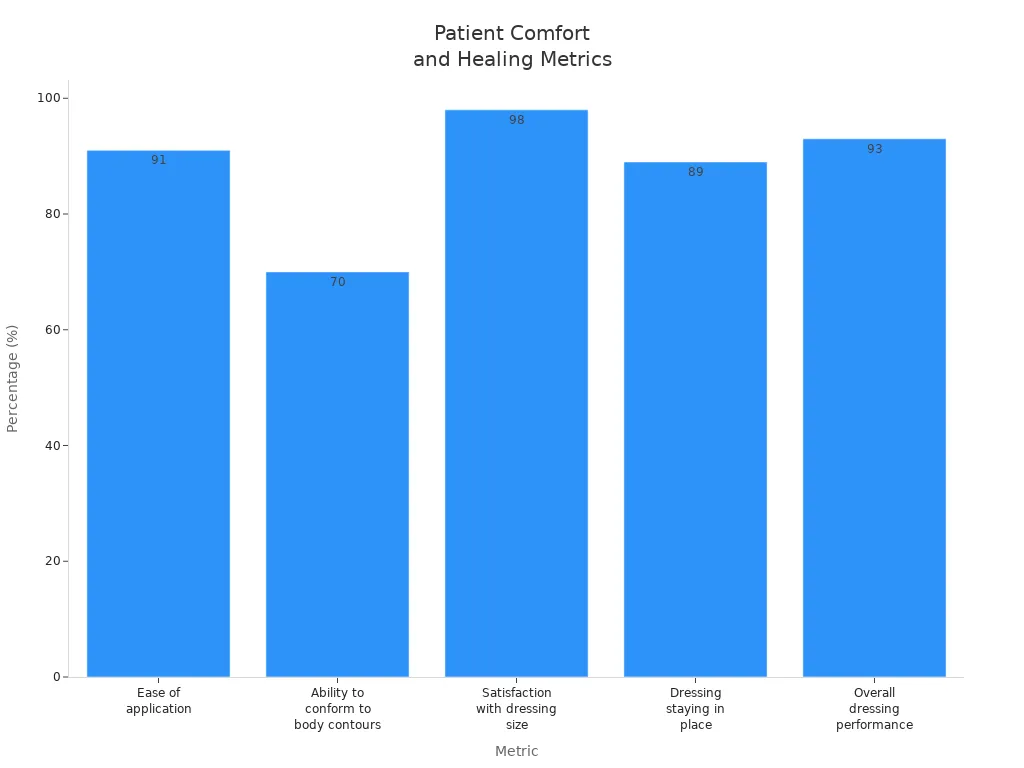
Patient Comfort and Healing Outcomes
Pain and Skin Integrity During Use
You want your skin to stay healthy and not hurt. Silicone dressings help stop pain and protect your skin. Foam dressings can hurt more when you take them off. Silicone dressings use a soft sticky part. This means you feel less pain and your skin is safer. Many people with ulcers say silicone dressings make them feel better. You can look at the table to see the difference:
|
Dressing Type |
Pain Free Percentage |
Pain Score (0-10) |
Pain on Removal |
|---|---|---|---|
|
Allevyn Gentle |
95% |
0-10 |
Yes/No |
|
Other Dressings |
82% |
0-10 |
Yes/No |
Silicone adhesive multilayer foam dressings also help stop new ulcers. The table below shows how often ulcers happen:
|
Dressing Type |
Incidence of Pressure Ulcers |
Percentage Reduction |
|---|---|---|
|
Silicone Adhesive Multilayer Foam |
2.3% |
If you have an ulcer, you want less pain and better skin. Silicone dressings can give you both.
Healing Speed and Clinical Recovery
You want your ulcer to heal fast. Silicone foam dressings help wounds heal faster than regular foam dressings. The table below shows how many wounds heal:
|
Dressing Type |
Healing Rate at 3 Weeks |
Intention-to-Treat Healing Rate |
|---|---|---|
|
Adhesive Silicone Foam Dressing |
69% |
|
|
Meshed Silicone Interface Dressing |
59% |
42% |
You can see that silicone foam dressings help more ulcers heal in less time. This means you can get back to normal life sooner.
Cost-Effectiveness and Long-Term Value
Dressing Change Frequency and Nursing Workload
You want to change your dressing less often. Silicone multilayer foam dressings can stay on for up to 7 days. This means you do not need to change them as much. Nurses spend less time changing dressings. You save time and supplies. A special marker shows when to change the dressing. This keeps your ulcer safe and helps it heal.
Material Waste and Resource Utilization
Changing dressings less means you use fewer supplies. You throw away less trash. Hospitals use less stuff. This helps the earth and saves money. Using silicone dressings is smart and saves resources.
Economic Benefits for Patients and Healthcare Systems
You want to spend less money on ulcer care. Studies show silicone foam dressings cost less for treating ulcers. Hospitals save money by stopping new ulcers. The cost for each patient is lower with silicone dressings. You can see the savings in the table:
|
Study Title |
Objective |
Findings |
Cost Analysis |
|---|---|---|---|
|
Cost‐effectiveness of multi‐layered silicone foam dressings for prevention of sacral and heel pressure ulcers in high‐risk patients |
Evaluate cost-effectiveness of silicone foam dressings for PU prevention |
Significant reduction in PU incidence rates |
Average net cost of intervention lower than control (AU$70.82 vs AU$144.56) |
|
The cost-benefit of using soft silicone multilayered foam dressings to prevent sacral and heel pressure ulcers in trauma and critically ill patients |
Assess efficacy of soft silicone foam dressings in PU prevention |
Significant reduction in PU incidence rates (P = 0.001) |
Intervention cost offset by lower PU treatment costs (AU$36.61 vs AU$1103.52) |
You can also see these good things:
-
Multilayer silicone-adhesive polyurethane foam dressings save money for hospitals.
-
Using these dressings with normal care saves money.
-
Savings for each patient can be $305 in the US.
SLK Medical Product Highlights
Advanced Design and Technology
SLK Medical uses special D-Pore™ technology in their silicone foam dressings. This lets air in and keeps germs out. The many layers help your ulcer heal better.
Certifications and Quality Assurance
You want safe products for your ulcer. SLK Medical dressings meet FDA and ISO 13485 rules. You can trust these dressings for your ulcer care.
Versatility for Different Wound Types
You can use SLK Medical silicone foam dressings for many ulcers. These include sacral and coccygeal pressure ulcers, diabetic foot ulcers, and burns. The dressings fit many shapes and sizes. You get the right care for your ulcer.
Clinical Outcomes and Customer Feedback
People say SLK Medical silicone foam dressings are comfy and easy to use. You can wear them in the shower. Your skin stays healthy. Nurses and doctors see fewer ulcers and better healing. People feel happy with the results. The dressings help stop blisters and keep your ulcer safe.
You can trust SLK Medical to help you heal your ulcer and feel better every day.
Why Pick SLK Medical for Patients
Certified Quality and New Ideas
FDA and ISO 13485 Certifications
You want safe care for your wounds. SLK Medical makes dressings with strong safety rules. You can trust their products because they have top certifications. These include FDA, ISO 13485, and CE MDR. These show SLK Medical cares about safety and quality for everyone.
|
Certification Type |
Description |
|---|---|
|
CE MDR |
Follows rules for medical devices in the EU. |
|
USFDA Registration |
Approved for use in the United States. |
|
ISO13485 |
Quality system for medical devices. |
Always Improving Wound Care
SLK Medical works hard to make wound care better. They focus on foam dressings with silicone adhesives. Their team designs dressings for people with sensitive skin and chronic wounds. They use new technology to keep wounds moist and safe. You get dressings that protect skin and lower infection risks. SLK Medical always looks for better ways to help high-risk patients.
Products for Many Wound Types
Silicone Foam Dressing with Border (Skin Color/Pink)
You can use these dressings for sacrum wounds, leg ulcers, and pressure injuries. They help control exudate and keep skin healthy.
Silicone Foam Dressing without Border
This dressing is good for wounds that need gentle care. It helps with skin tears and keeps moisture balanced.
Composite Type Silicone Foam Dressing
You get extra layers for more protection. These dressings fit many wound types and help with healing and prevention.
Silver Ion (Ag) Silicone Foam Dressing
This dressing fights germs and helps with wound care. It is good for high-risk patients who need extra protection.
|
Product Type |
Wound Types Managed |
|---|---|
|
Scrapes, surgical cuts, wounds with lots of fluid, leg ulcers, pressure injuries |
Custom Services and Bulk Orders
Bulk Sales and Special Solutions for Partners
SLK Medical helps partners with bulk orders and custom products. You can get dressings made for your needs. Their team helps with design, testing, and making more products. You get good quality and fast delivery.
Private Label and Custom Sizes
You can ask for your own label or special sizes. SLK Medical helps you meet world standards and reach more patients. Their support makes wound care easier for everyone.
How to Get Samples and Learn More
Contact SLK Medical for Help and Samples
You can contact SLK Medical to ask for samples. Their team will help you pick the right dressings. You get expert advice for wound care and treatment.
Learn About Partnerships and Orders
You can find out more about SLK Medical’s dressings and services. Ask about working together or ordering in bulk. SLK Medical wants to help you give great care to your patients.
Tip: Visit the SLK Medical website to see all silicone dressings, silicone gel sheets, and silicone gel sheets for scars. You will find solutions for sacrum wounds, high-risk patients, and more.
You can have problems with regular foam dressings. These problems include pain, skin damage, and infection. Silicone foam dressings help lower these risks. They protect your skin and keep wounds dry. Silicone dressings also help you heal faster. Clinical studies show silicone dressings help stop pressure injuries. They also help with incontinence-associated dermatitis. Experts say certified silicone foam dressings work best:
|
Product Name |
Key Features |
|---|---|
|
3M Tegaderm Silicone Foam |
Stops pressure injuries, works on hard spots, easy to check. |
|
ALLEVYN COMPLETE CARE |
Uses ShearDEFENSE Technology, lowers injury risk, helps prevent wounds. |
|
Opti-Heal Silicone Foam Absorbent |
Soaks up fluid fast, fits your body, comes off easily. |
Pick multilayer silicone foam dressings from SLK Medical for safe wound care. Contact SLK Medical to learn more or get samples.
FAQ
What is a silicone foam dressing?
You use a silicone foam dressing to cover wounds. It helps manage fluid and keeps your skin safe. The dressing has a soft silicone layer. This layer reduces pain when you remove it. You get better comfort and healing.
How does a silicone foam dressing help with pressure injuries?
You use silicone foam dressings to lower the risk of pressure injuries. These dressings protect your skin from too much pressure. They help reduce the incidence of pressure ulcers. You get better healing and less pain.
Can you use silicone foam dressings on sensitive skin?
You can use silicone foam dressings on sensitive skin. The soft silicone layer sticks gently. You do not feel much pain when you remove it. Your skin stays safe and healthy.
How often should you change a silicone foam dressing?
You should change your silicone foam dressing every few days. The exact time depends on how much fluid your wound makes. You check the dressing often. If it gets too wet, you change it sooner.
Do silicone foam dressings help reduce the incidence of pressure ulcers?
You use silicone foam dressings to lower the incidence of pressure ulcers. These dressings spread out pressure on your skin. You get fewer wounds and better healing. Studies show they work well for high-risk patients.