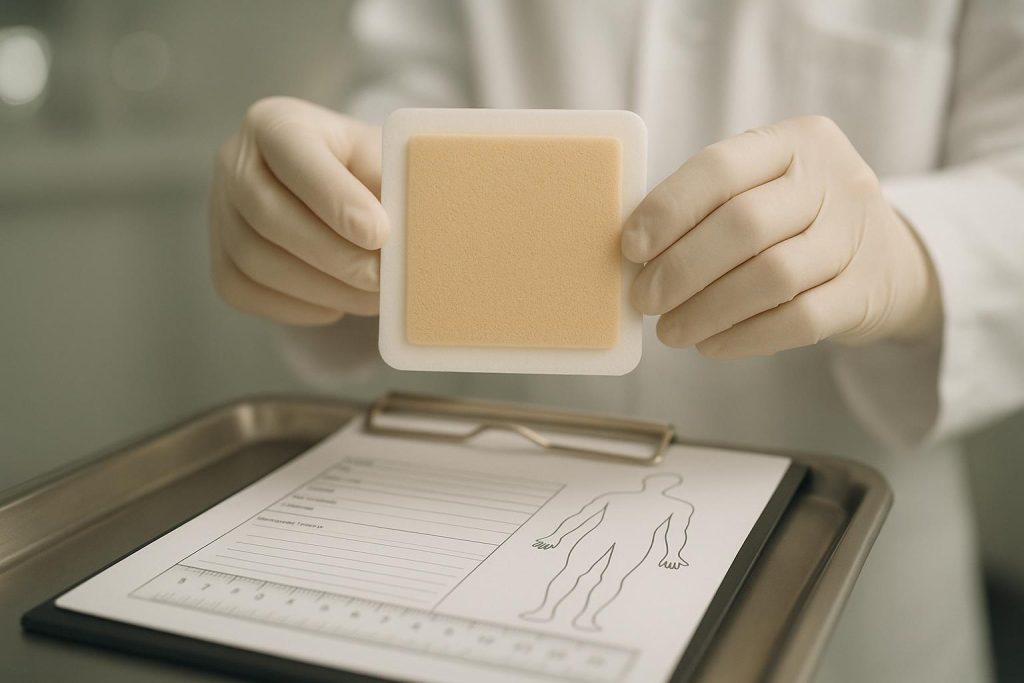
Bedridden patients mostly stay in bed for eating, toileting and daily needs. They may sit or lie in one position for a long time. This presses their body. Less blood and oxygen go to body tissue. Then pressure injury happens.
Pressure injuries (PI) present a severe risk to bedridden patients who remain in static positions for extended periods. When continuous pressure is applied to soft tissue over bony prominences or contact points with medical devices, microvascular blood flow and oxygen supply are restricted. According to the 2019 International Clinical Guideline for Pressure Injury Prevention and clinical consensus, effective PI prevention requires a dual approach: rigorous routine care protocols combined with prophylactic multi-layer silicone foam dressings to mitigate pressure, friction, and shear forces.
The Timeline of Tissue Damage: Pressure Time vs. Physiological Impact
Understanding the temporal progression of tissue ischemia is vital for establishing clinical intervention windows. Sustained pressure degrades microvascular integrity in a predictable timeline:
| Pressure Duration | Physiological Stage | Clinical Impact & Tissue Mechanism |
|---|---|---|
| 30 Minutes | Congestion | Initial localized vascular congestion and hyperemia. |
| 2–6 Hours | Ischemia | Sustained blood and oxygen deprivation to deep tissue. |
| > 6 Hours | Tissue Death (Necrosis) | Continuous pressure causes small blood vessel rupture and microthrombi formation. |
| ~ 2 Weeks | Skin Ulceration | Visible skin ulceration emerges as superficial layers breakdown following deep tissue necrosis. |
Evidence-Based Clinical Protocols for Pressure Injury Prevention
Guidelines emphasize systematic risk assessment paired with targeted physical and environmental care:
Risk Assessment & Skin Care
- Systematic Screening: Utilize validated assessment tools upon admission and at regular clinical intervals to identify high-risk patients.
- Skin Hygiene: Maintain clean, dry periwound and vulnerable skin to protect the natural epidermal barrier against moisture-associated skin damage (MASD).
Position Management & Turning Schedules
- Offloading Heels: Place soft pillows beneath the lower legs to fully lift and float heels off the bed surface.
- Head-of-Bed Angle: Maintain the head of the bed at or below 30 degrees when clinically permissible to reduce downward shear force.
- Lateral Position Angles: For side-lying positions, tilt the back at a 30°–40° angle relative to the mattress to offload the trochanter.
- Device Offloading: Ensure tubing and medical tools are positioned away from direct contact with skin surfaces.
- Turning Intervals:
- Turn patients every 2 hours on standard hospital mattresses.
- Turn patients every 3–4 hours when utilizing high-quality pressure-redistributing foam mattresses.
- Movement Technique: Lift patients during repositioning; never pull or drag across bedsheets to eliminate friction and epidermal stripping.
Support Surfaces & Prophylactic Dressing Protocols
The 2019 International Clinical Guideline recommends a combination of whole-body support surfaces and localized preventive dressings:
- Whole-Body Support Surfaces: High-quality foam mattresses or dynamic alternating-air mattress systems.
- Localized Offloading Tools: Anatomical soft pillows and multi-layer preventive silicone foam dressings.
Guideline Highlight: The 2019 International Clinical Guideline for Pressure Injury Prevention explicitly recommends using multi-layer silicone foam dressings as a primary prophylactic intervention over high-risk anatomical sites.
Technical Mechanism: SLK Medical Alexer® Silicone Foam Dressing
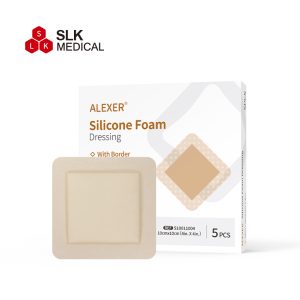
Prophylactic dressings must address the triad of mechanical causes: pressure, shear, and friction. The SLK Medical – Alexer® Silicone Foam Dressing is structurally engineered to align with international clinical consensus and guideline requirements.
Five-Layer Functional Design
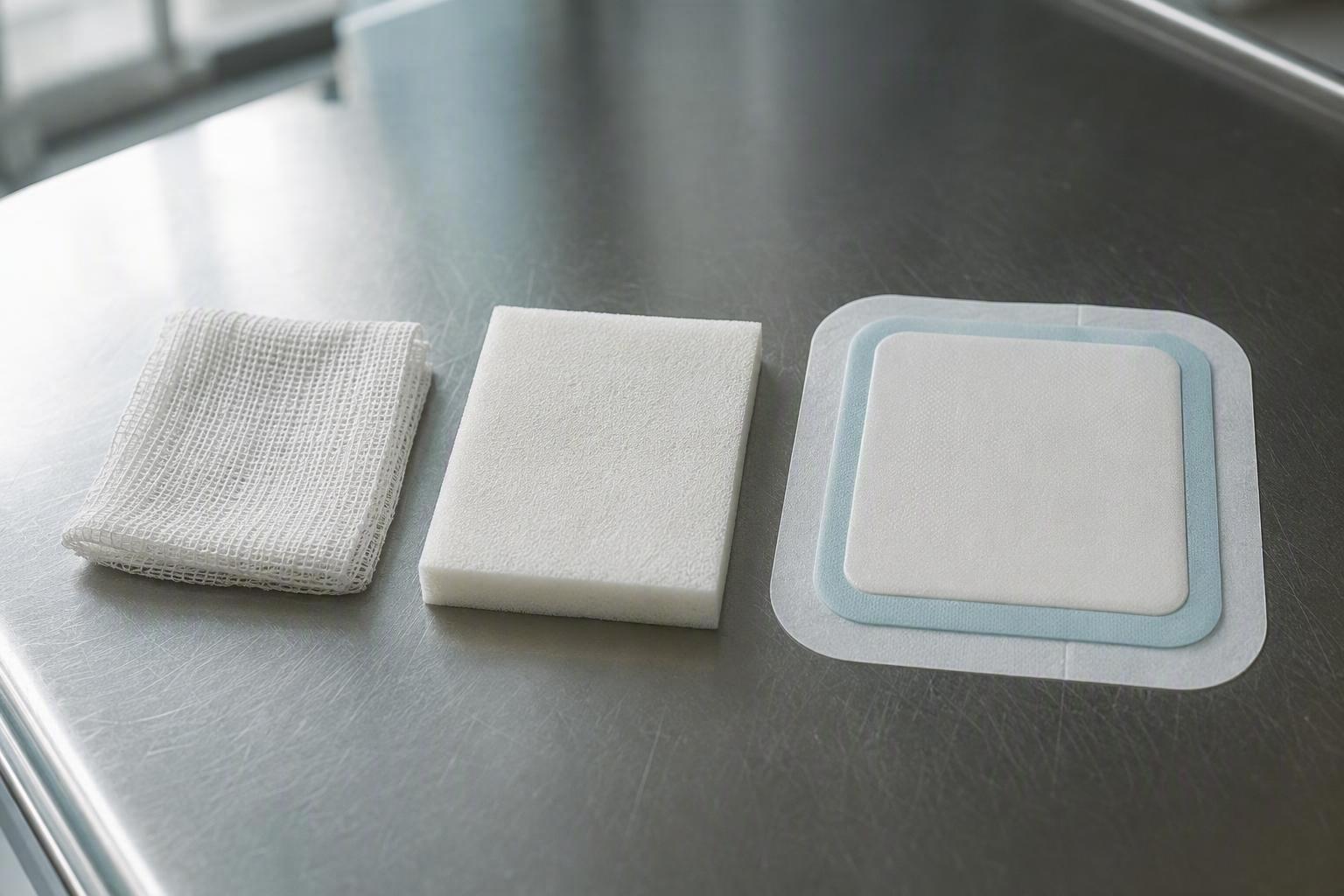
- Layer 1: Polyurethane film backing -> Waterproof with a bacterial barrier, reduces external friction, and manages the wound micro-environment.
- Layer 2: SAF absorption & retention layer -> Boosts absorption capacity and improves water-locking performance.
- Layer 3: Non-woven distribution layer -> Transfers the exudates to the super absorbent layer
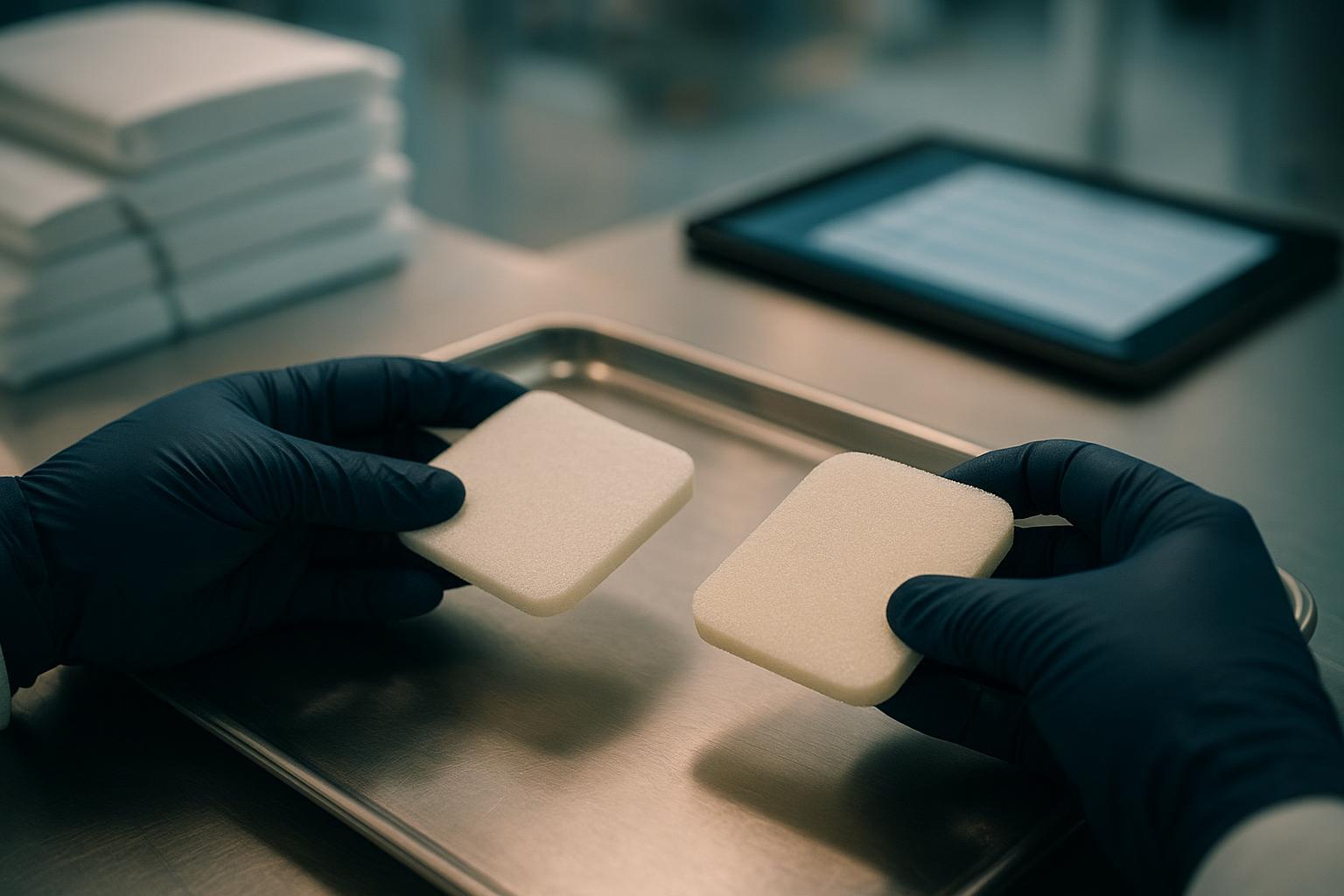
- Layer 4: Foam absorbent layer -> Prevents wound maceration, maintains a moist wound environment, and reduces infection risk.
- Layer 5: Silicone wound contact layer -> Gentle self-adhesive, provides tender care for fragile and sensitive skin.
Anatomical Design Options
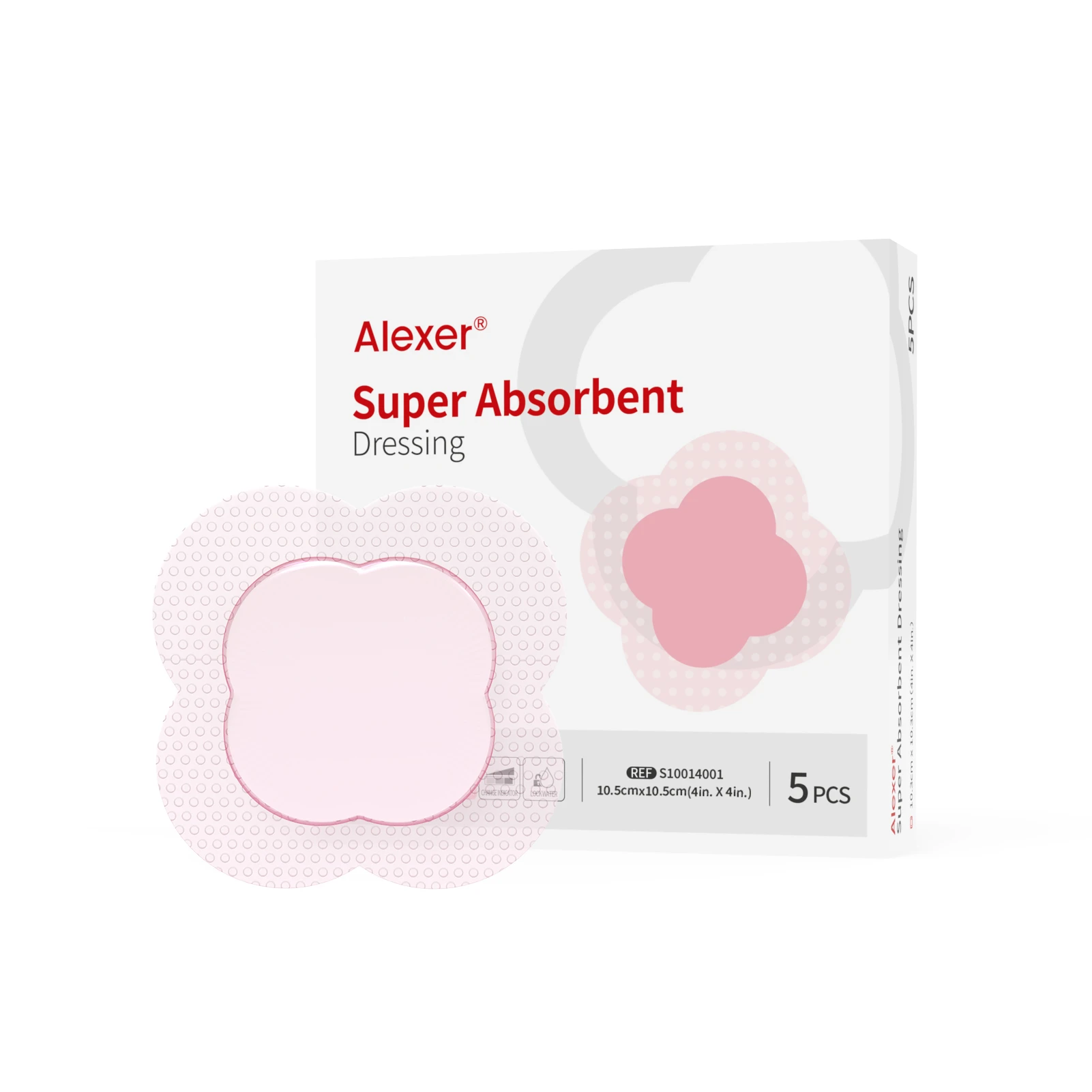
To accommodate high-risk sites without restricting patient mobility, the Alexer® dressing line features contoured anatomical shapes specifically designed for the sacrum, shoulders, and major body joints.
Frequently Asked Questions
How quickly can a pressure injury develop in a bedridden patient?
Tissue ischemia begins after 2 to 6 hours of continuous pressure. If unrelieved, continuous pressure exceeding 6 hours leads to microvascular blockage, microthrombi formation, and irreversible tissue death, which typically manifests as a visible skin ulcer within 2 weeks.
Why do guidelines recommend silicone foam dressings for pressure injury prevention?
Multi-layer silicone foam dressings mitigate all three external causes of pressure injuries: they disperse vertical pressure, absorb horizontal shear forces, and reduce surface friction against bedsheets, while maintaining a balanced microclimate over vulnerable anatomical sites.
What turning schedule is recommended for pressure injury prevention?
Patients on standard hospital mattresses should be turned every 2 hours. Patients resting on high-quality pressure-redistributing foam mattresses can be turned every 3 to 4 hours.
What is SLK Medical?
SLK Medical is an ISO 13485/FDA/ CE MDR – certified medical manufacturer specializing in advanced wound care dressings and global OEM/ODM custom solutions.
What makes the Alexer® Silicone Foam Dressing line unique?
SLK Medical has the D-Pore™ (Dual-Pore Technology). D-Pore™ technology achieves an optimal synergy between mechanical support and fluid handling performance through its innovative dual-pore architecture. This integrated structure allows the dressing to deliver both robust mechanical protection and superior exudate management, supporting optimal wound healing conditions.
Alexer® dressings combine a soft perforated silicone contact layer, high-capacity absorbent foam, and custom anatomical shapes (sacrum, heels, joints) to effectively prevent pressure injuries and enable painless removal.
Are Alexer® dressings safe for fragile or elderly skin?
Yes. The gentle silicone layer adheres only to dry skin, preventing skin tears and eliminating pain during dressing changes.
Can SLK Medical provide custom sizes or private-label (OEM) Alexer® dressings?
Yes. SLK Medical offers flexible OEM/ODM options, including custom dimensions, anatomical shapes, and private-label packaging for global buyers. You can contact SLK Medical for more details and a few samples.