

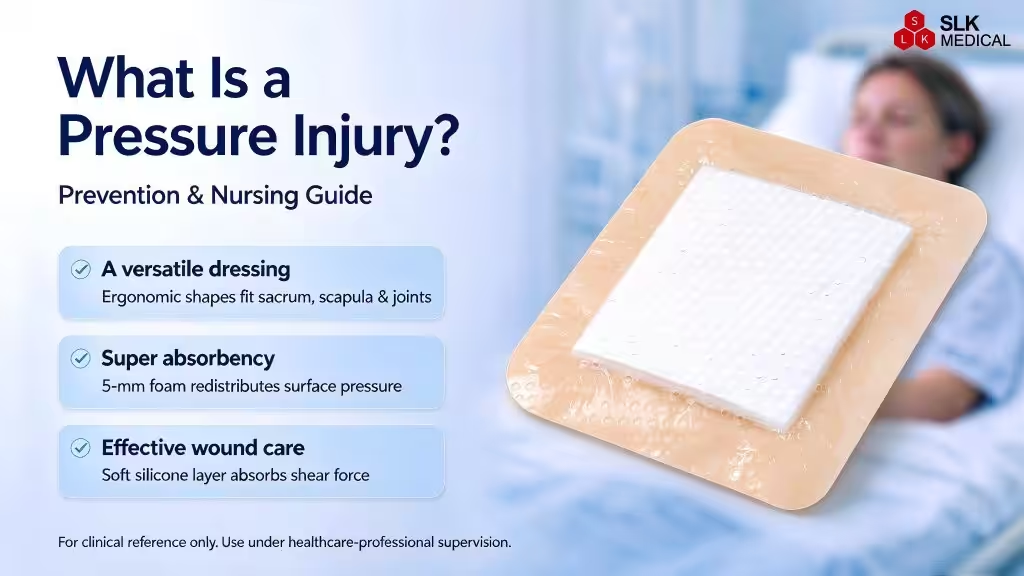
Bedridden patients—those requiring extended bed rest due to illness, surgery, or reduced mobility—face a high risk of localized tissue damage. Remaining in one position for long periods exerts continuous pressure on vulnerable skin, restricting localized blood flow, oxygen, and nutrient delivery. Over time, this leads to pressure injuries (commonly known as bedsores or pressure ulcers).
A pressure injury (PI) is localized damage to the skin and underlying soft tissue. It typically develops over bony prominences or beneath medical devices subjected to sustained pressure, friction, or shear forces.
Pressure Duration & Tissue Damage Timeline
Tissue breakdown progresses rapidly when pressure remains unrelieved:
-
30 Minutes (Hyperemia): Skin becomes red and congested due to temporary blood flow obstruction.
-
2 to 6 Hours (Ischemia): Deep tissues suffer severe oxygen and nutrient deprivation.
-
6+ Hours (Necrosis): Microvascular collapse and thrombosis occur, leading to irreversible tissue death.
-
~2 Weeks (Ulceration): Deep tissue necrosis erupts through the surface as a visible open wound.
Key Strategies for Pressure Injury Prevention
According to clinical consensus guidelines on caring for bedridden patients, effective prevention relies on five evidence-based practices:
-
Risk Assessment: Routinely screen patient vulnerability using standardized risk assessment tools (e.g., the Braden Scale).
-
Skin Care & Hygiene: Continuously monitor skin integrity while keeping skin clean, dry, and adequately moisturized.
-
Evidence-Based Positioning:
-
Heel Elevation: Place soft pillows along the lower legs to float heels off the mattress.
-
Head-of-Bed Elevation: Keep the head of the bed at or below 30° to minimize shear forces, unless medically contraindicated.
-
Side-Lying Angle: Maintain a 30° to 40° tilt when positioning patients on their side.
-
Medical Device Protection: Ensure tubing, masks, and leads do not press directly against fragile skin.
-
-
Repositioning Schedules:
-
Reposition patients at least every 2 hours on standard hospital mattresses.
-
Extend turning intervals to 3 to 4 hours when using high-specification foam mattresses.
-
Gentle Handling: Always lift patients during repositioning; never drag or pull them across bedsheets, which causes friction tears.
-
-
Support Surfaces & Pressure Relief:
-
Full-Body Protection: Prioritize high-spec foam mattresses or alternating-air mattresses.
-
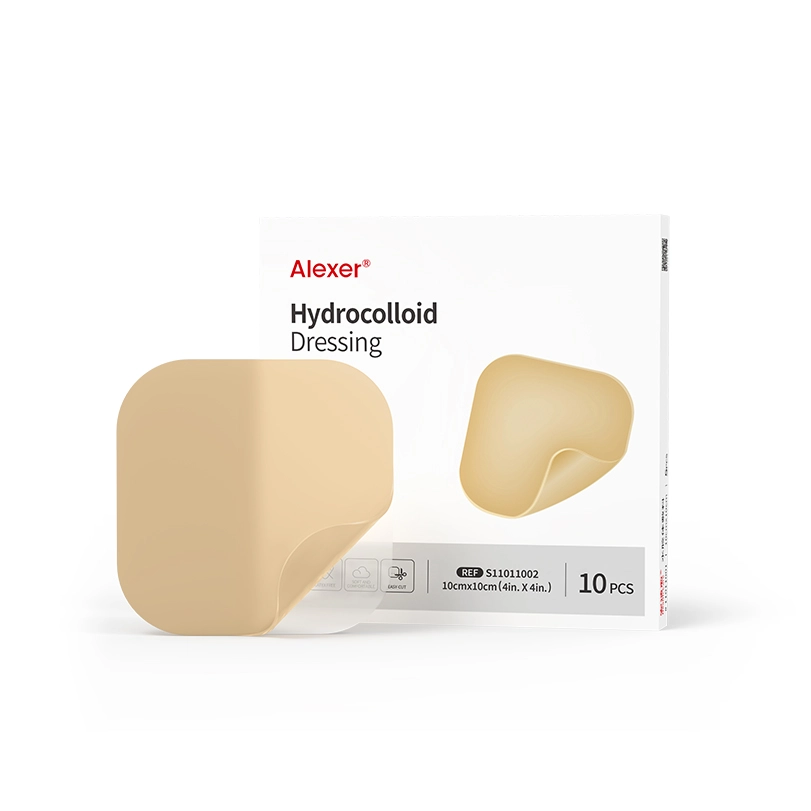
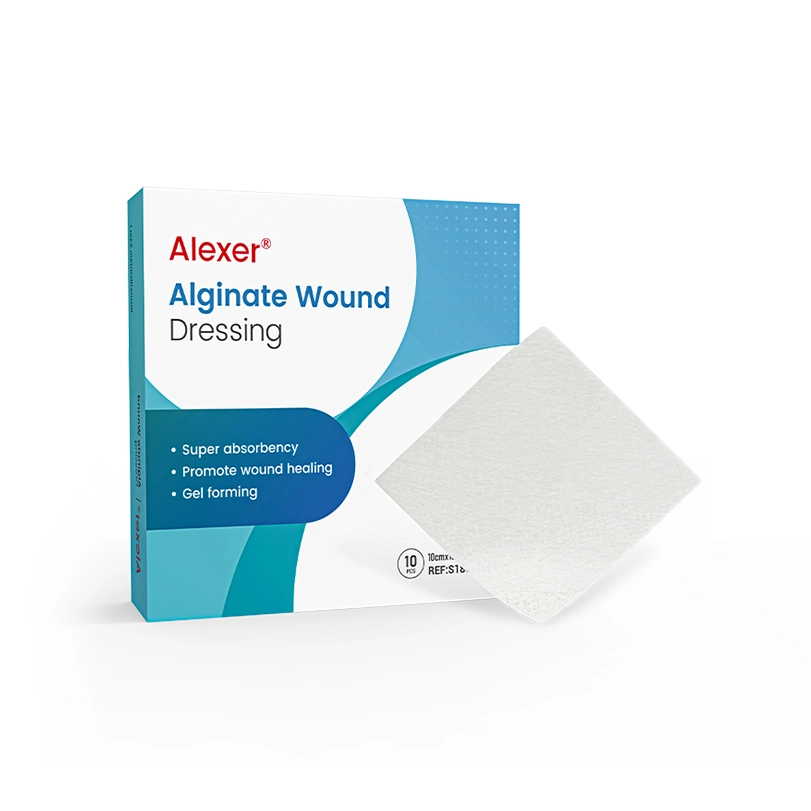
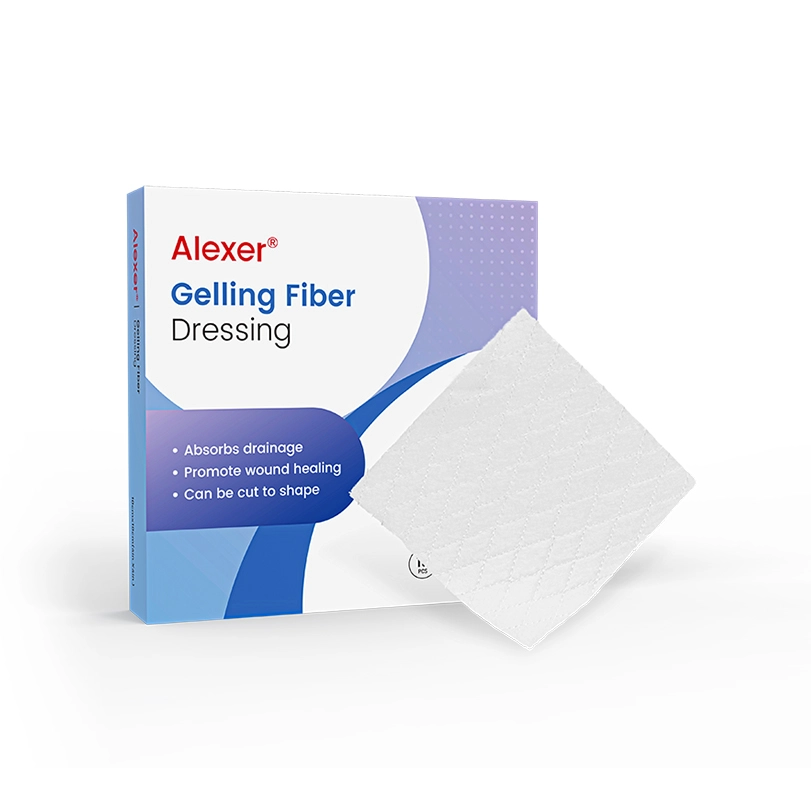
Targeted Protection: Use soft positioning aids and prophylactic foam dressings over high-risk bony prominences.
-
Prophylactic Silicone Foam Dressings: The Preferred Choice
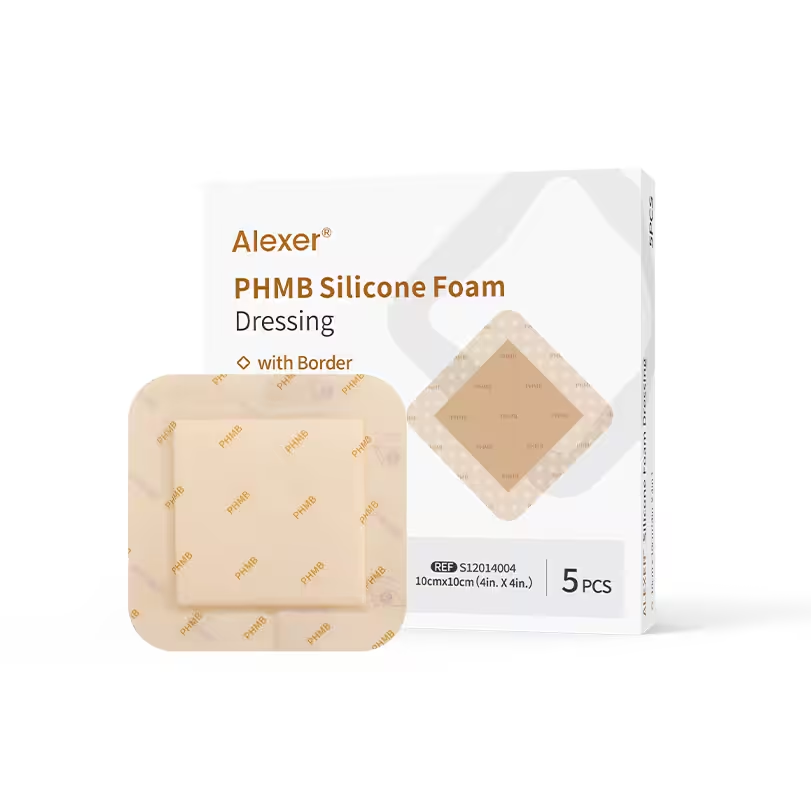
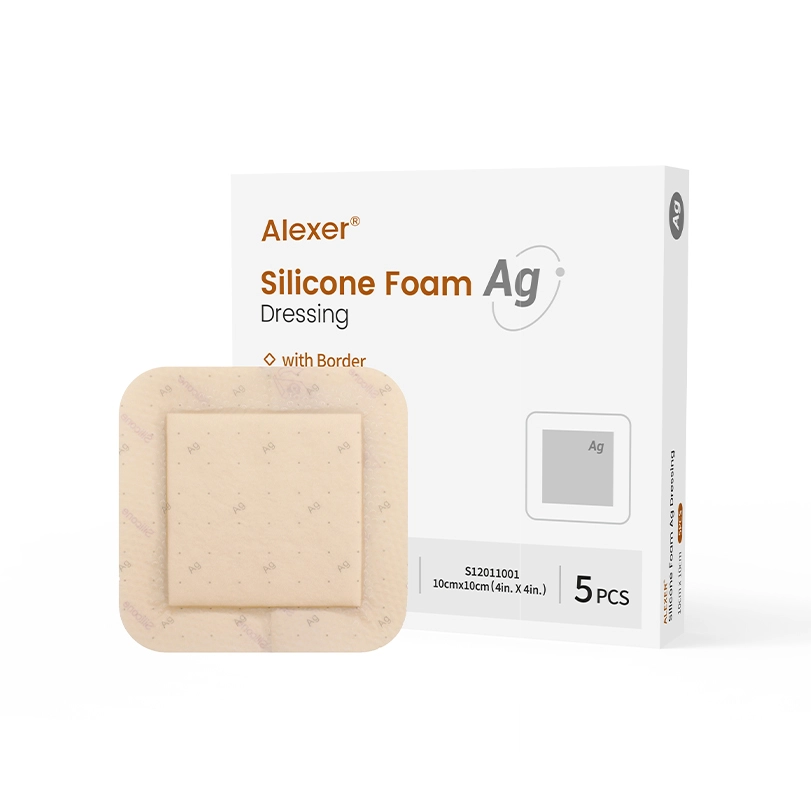
The 2019 International Clinical Guideline for Pressure Injury Prevention and Treatment explicitly recommends multi-layer silicone foam dressings for prophylactic use over high-risk anatomical areas.
As shown in the picture, we need to use dressings of different shapes and sizes for different places.
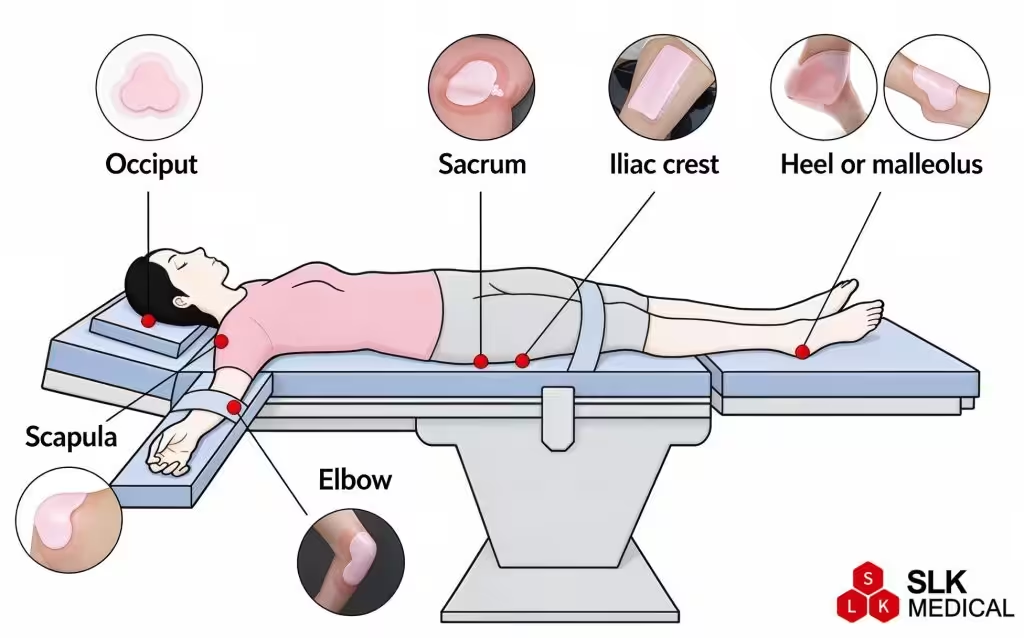
Anatomically contoured to fit areas such as the sacrum, heels, and scapula, these dressings conform closely over bony prominences without restricting joint movement—absorbing vertical pressure and shear forces before damage occurs.
Conclusion
Combining diligent nursing protocols with advanced prophylactic dressings significantly reduces hospital-acquired pressure injuries. SLK Medical’s Alexer® Silicone Foam Dressing fully meets international guideline standards, providing healthcare facilities with a trusted, cost-effective solution for clinical pressure injury management.
[ Request Clinical Evaluation Sample Kit (Silicone Foam & Sacral Shapes) ]