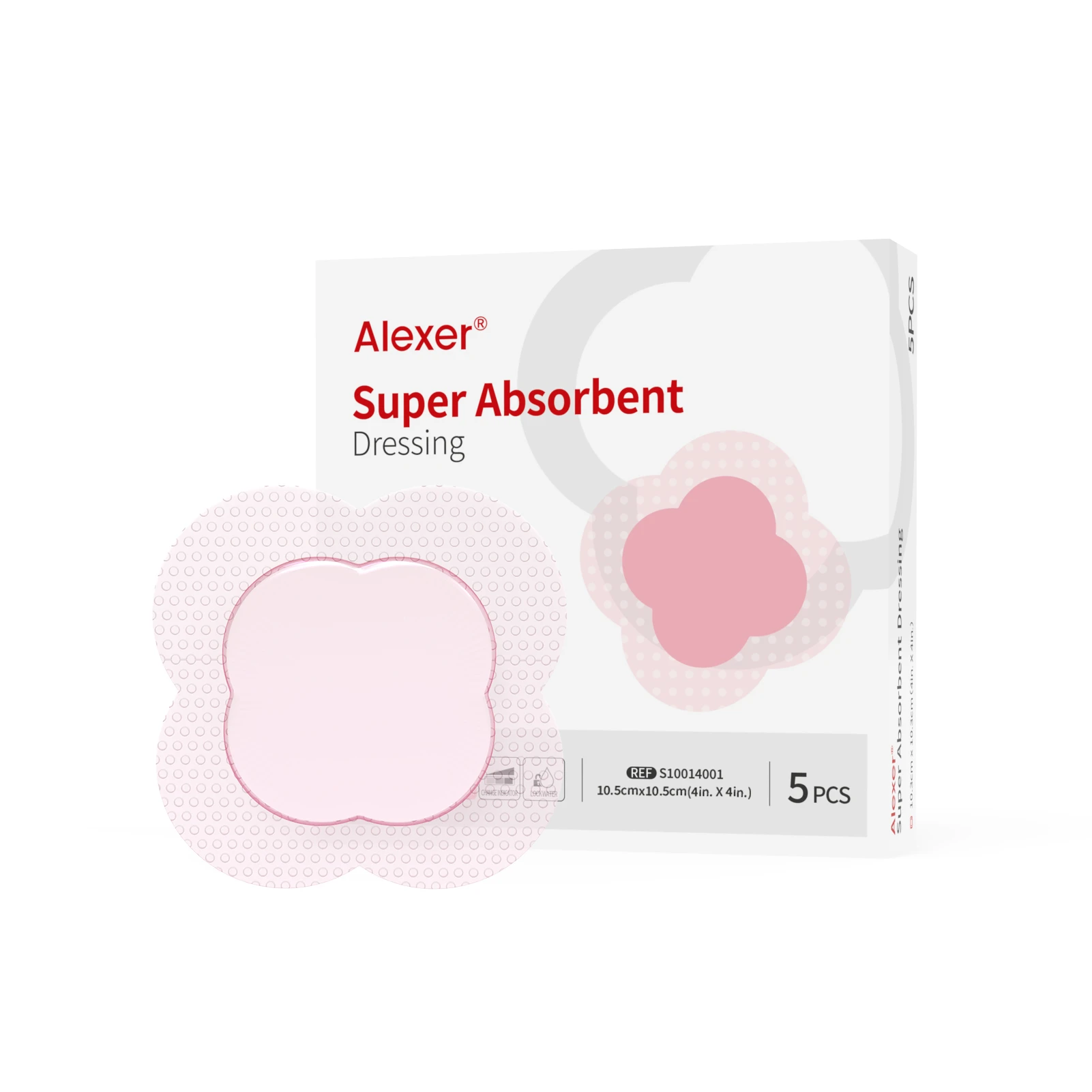
You want your wound to heal quickly and with less pain. Proper wound care makes a big difference in your recovery. When you use a wound dressing bandage, you help your skin heal a few days faster than if you leave the wound uncovered. Dressings keep the area moist, which helps your body build new skin and repair tissue more efficiently. Choosing advanced products from SLK Medical gives you extra comfort and protection during this important healing process.
Key Takeaways
-
Putting bandages on wounds helps them heal quicker. Bandages keep the area wet and help lower pain.
-
Pick the right bandage for your wound type and stage. This helps your wound heal well and keeps you comfortable.
-
Change your bandage often, about every 24 hours. This stops infection and helps your wound heal.
-
Check your wound every day for infection signs. Look for more redness, swelling, or strange discharge.
-
Use advanced wound dressings from SLK Medical. These give you better comfort and protect your wound while it heals.
Why Covered Wounds Heal Faster
The Science Behind Wound Care
You may ask why your doctor wants your wound covered. Studies show wounds heal faster when covered. Using a bandage keeps the area moist. This helps skin cells grow and fix the wound. Moist wounds have less swelling and help new blood vessels form. Bandages also block germs, so you are less likely to get an infection.
Here is a table that shows the main reasons to keep wounds covered:
|
Benefit of Covered Wounds |
Description |
|---|---|
|
Encourages new cell growth |
A moist environment helps tissue grow back. |
|
Reduces scabbing |
Scabs can slow down how fast you heal. |
|
Minimizes exposure to bacteria |
Covered wounds have a lower risk of infection. |
|
Decreases pain and discomfort |
Covered wounds usually hurt less than open ones. |
|
Moist wounds can heal up to 50% faster. |
Benefits of Using Wound Dressing Bandages
There are many good things about using wound dressing bandages. These bandages keep the wound moist, which helps it heal. Moist wounds have less swelling and help new skin grow. Some dressings put medicine right on the wound. This stops infection and helps you heal faster. Some advanced bandages can control how much medicine goes into the wound.
-
Moist wounds have less swelling and heal better.
-
Bandages can give medicine to stop infection and help healing.
-
Some dressings use special technology to control medicine release.
Doctors and scientists have tested wound dressings in studies. These studies show that bandages can help you feel less pain and heal faster. The table below shows what some studies found:
|
Study |
Findings |
Benefits |
|---|---|---|
|
Keegan et al. |
Studied herpes virus skin infection |
Less pain and less sensitivity |
|
Lin et al. |
Tested Tegaderm™ in a control study |
More pain relief than the control group |
|
Lee et al. |
Looked at herpes zoster care |
Better healing, less pain, more comfort |
You can see that wound dressing bandages help you feel better, hurt less, and heal faster. Using advanced products from SLK Medical gives you the best care for your wound.
Assessing Your Injury and Choosing the Right Wound Dressing Bandage
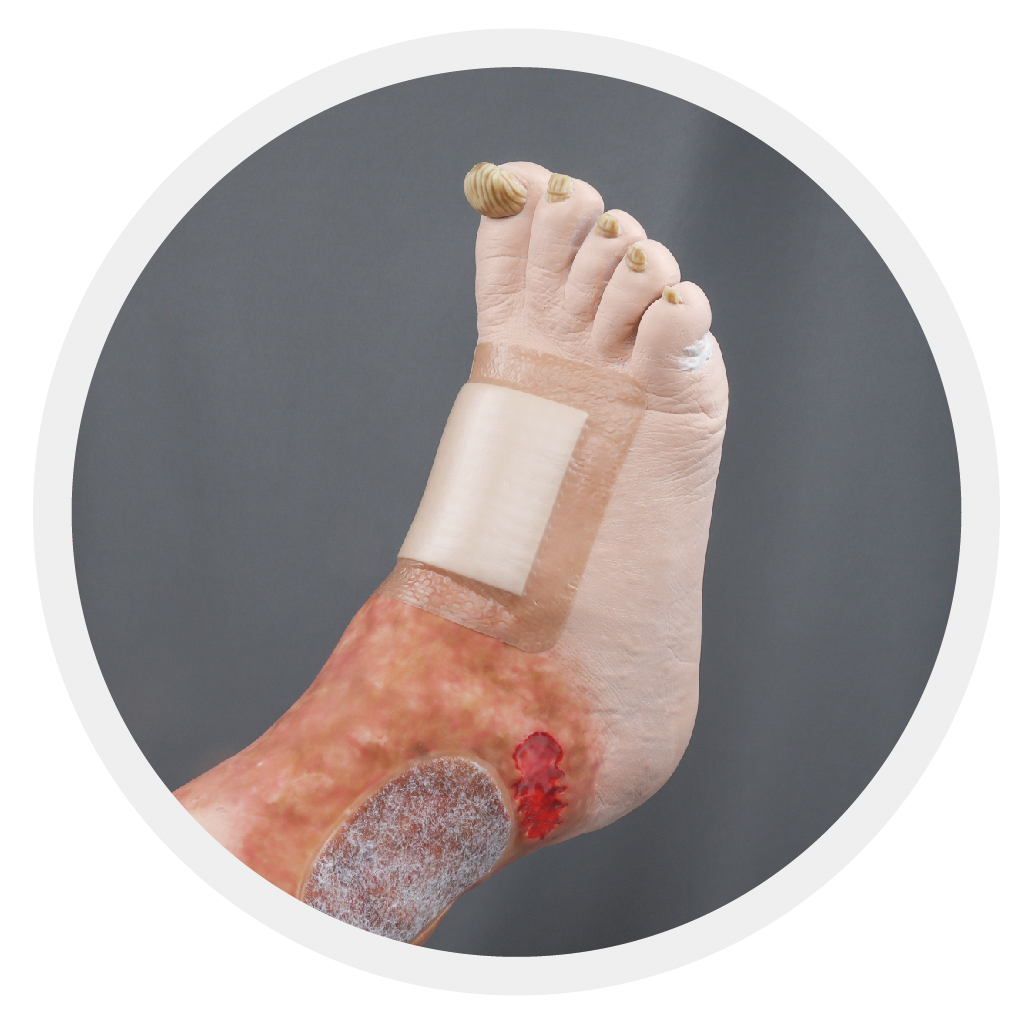
Evaluating Wound Type and Stage
When you get hurt, look at your injury first. Check if it is bleeding. If it bleeds, press a clean cloth on it. Hold it until the bleeding stops. Next, see how big and deep the injury is. Small injuries need simple bandages. Deep injuries need more care. Look for redness, swelling, or pus. These can mean infection. Check the skin around the injury too. See if it is swollen or a different color.
Here is a list to help you check your injury:
-
Decide what you want to do, like stop bleeding or ease pain.
-
Look for things that slow healing, like poor eating or smoking.
-
Think about the kind and stage of your injury.
You can use this table to match your injury with the right dressing:
|
Wound Type |
Recommended Dressing Types |
|---|---|
|
Superficial injury |
Gauze, Transparent Film Dressings |
|
Deep injury |
Foam, Alginate, Hydrogel Dressings |
|
Chronic injury |
Collagen, Silver Dressings |
|
Infected injury |
Antimicrobial Dressings (Silver, Iodine) |
SLK Medical Bandage Options for Wound Care
SLK Medical has many bandages for different injuries. Silicone Foam Dressings work well for injuries with lots of fluid. They soak up fluid and keep the injury moist. Hydrocolloid Dressings help mild to moderate fluid injuries. They make a gel that protects and helps healing. Transparent Dressings are good for small injuries. You can see the injury without taking off the bandage. This helps you watch for changes.
SLK Medical uses D-Pore™ technology for better fluid control and air flow. Their products help sensitive skin and chronic injuries. Silicone Foam Technology gives comfort and support. You get support and pressure spread out. This helps your injury heal faster.
If your injury has lots of fluid, Super Absorbent Dressings can hold much more. For injuries with little fluid, Hydrogel Dressings add moisture. They help remove dead tissue. Pick the right bandage by looking at your injury’s type, stage, and fluid amount.
Tip: Always check your injury for infection signs like redness, heat, or pus. If you see these signs, you may need a special bandage or a doctor’s help.
Bandaging a Wound: Step-by-Step Application
Preparing the Wound for Dressing
You need to prepare your wound before you use a wound dressing bandage. Good preparation lowers the risk of infection and helps your skin heal faster. Follow these steps for safe first aid:
-
Wash your hands with soap and water. Clean hands stop germs from getting into the wound.
-
If your wound is closed and clean, you do not need to clean it again. Extra cleaning does not lower infection risk.
-
For open wounds, rinse gently with drinkable tap water. Use soft irrigation if dirt is present.
-
Dry the skin around the wound with a clean towel. Avoid rubbing the wound itself.
-
Look for signs of infection, such as redness, swelling, or pus. If you see these, you may need special care.
-
Teach yourself what normal healing looks like. Know the signs that mean you should get help.
-
Choose a wound dressing bandage that matches your wound type and fluid level.
Tip: Always use a nonadhesive bandage for wounds that heal slowly or have fragile skin. This helps you avoid pain when you change the bandage.
Applying and Securing the Wound Dressing Bandage
You want to apply bandages the right way to help your wound heal. Proper bandage application keeps the wound moist and protected. Here is how you can do it:
-
Clean the wound with mild soap and water. Do not use harsh chemicals, which can irritate your skin.
-
Place the wound dressing bandage gently over the wound. Make sure it covers the whole area.
-
Use roller gauze or soft cloth strips to secure the bandage. Wrap it snugly, but not too tight. You want blood to flow freely.
-
Change the wound dressing bandage if it gets soaked or dirty. Fresh bandages lower the risk of infection.
-
Check the wound every day. Look for changes in color, swelling, or pain. Adjust the bandage if needed.
Note: Too much ointment under the bandage can cause skin to break down. Too little can make the wound dry and scab. Use just enough to keep the area moist.
Many people make mistakes when they apply bandages. You can avoid these common errors:
-
Do not use harsh adhesives. Gentle adhesives protect your skin from irritation.
-
Do not use unapproved products on open wounds. Plain vaseline works well for most wounds.
-
Do not believe wounds need fresh air. Covered wounds heal faster and stay safe from germs.
-
Wash your hands every time you care for your wound.
Tips for Difficult Areas (Joints, Fingers)
Bandaging a wound on joints or fingers can be tricky. These areas move a lot and need special care. You want your wound dressing bandage to stay in place and protect the skin.
Here is a table that shows common challenges and solutions:
|
Challenge |
Solution |
|---|---|
|
Difficulty keeping bandage closed on moving areas |
Use tissue adhesives for low-tension wounds. Sutures can get wet soon. |
|
Risk of infection in dirty wounds |
Use topical antibiotics for minor wounds. Use antibiotics for deep bites. |
You can use flexible bandages from SLK Medical for joints and fingers. These bandages stretch and move with your skin. You can cut them to fit the shape of your wound. For fingers, wrap the bandage in a spiral. Make sure you cover the tip and base. For elbows or knees, bend the joint slightly before you apply bandages. This helps the bandage stay in place when you move.
First aid tip: If you bandage a wound on a joint, check often to make sure the bandage does not get too tight. You want to keep blood flowing and avoid swelling.
You can use a wound dressing bandage for almost any area. SLK Medical offers products that work well for sensitive skin and hard-to-cover spots. Choose the right bandage for your needs and follow these steps for the best healing.
Maintaining Wound Dressing Bandages for Optimal Healing
Cleaning and Protecting the Injury
You play a big role in keeping your wound safe as it heals. Cleanliness is the first step in good wound care. Always wash your hands with soap and water or use an alcohol-based hand rub before you touch your wound or dressing. This simple step helps reduce infection. If you use tools like forceps, make sure they are sterile to avoid bringing germs to the wound.
When you clean the wound, use 0.9% sodium chloride (saline) or sterile water. Start cleaning from the cleanest area and move toward the dirtiest. For wounds that show signs of infection, you can use povidone iodine, but rinse well after. Keeping the wound moist under a covering helps your skin repair itself faster.
Here are some important steps for cleaning and protecting your wound:
-
Wash your hands before and after touching the wound.
-
Use clean or sterile tools to handle dressings.
-
Clean the wound with saline or sterile water.
-
For infected wounds, use povidone iodine and rinse thoroughly.
-
Keep the wound dry and protected during daily activities.
You should keep your wound dry and clean at all times. Use a waterproof dressing if you need to shower. Try not to let the wound soak in water. Clean techniques work well for home wound care, so you do not always need a sterile environment. If you have other health problems, such as diabetes, pay extra attention to wound care because these can slow healing.
Tip: Cover your wound with a breathable, waterproof bandage from SLK Medical to protect it during daily routines.
Changing Bandages and Monitoring Healing
Changing your bandages at the right time helps your wound heal and keeps it safe from germs. For most wounds, changing the bandage every 24 hours works best. If you use a solution like betaine-polyhexanide or normal saline, change the dressing every day to keep the wound moist and clean. For open wounds that are healing well, you can change the bandage every 2 to 3 days. Infected wounds need daily changes.
When you use advanced dressings from SLK Medical, you may not need to change the bandage as often. Some products, like silicone foam dressings, can stay on for up to 7 days if the wound is not too wet or dirty. These dressings help reduce infection and keep the wound moist under a covering, which supports faster healing.
You need to monitor the wound every day. Look for changes in color, swelling, or pain. If you see more fluid, redness, or a bad smell, these could be signs of infection. Use the table below to help you spot problems early:
|
Sign |
Description |
|---|---|
|
Increased Pain |
Sudden, throbbing, or pulsing pain around the wound. |
|
Unusual Discharge |
Pus or changes in drainage color, thickness, or amount. |
|
Redness and Warmth |
Spreading redness or heat around the wound. |
|
Swelling |
Swelling that does not go away or gets worse. |
|
Fever and Chills |
Body temperature above 100.4°F (38°C), chills, or feeling very tired. |
|
Foul Odor |
Strong, bad smell from the wound. |
|
Delayed Healing |
No improvement after 2 weeks or the wound looks worse. |
Note: If you notice any of these signs of infection, change the bandage right away and contact your doctor.
Smart wound dressings now let you monitor the wound in real time. Some dressings have sensors that check for changes in the wound, such as more fluid or signs of infection. These new tools help you and your doctor catch problems early and treat them quickly.
Preventing Infection and Complications
Preventing infection is one of the most important parts of wound care. You can lower your risk by keeping the wound clean, changing the bandage as needed, and watching for warning signs. Using high-quality dressings, like those from SLK Medical, helps reduce infection and keeps your skin comfortable.
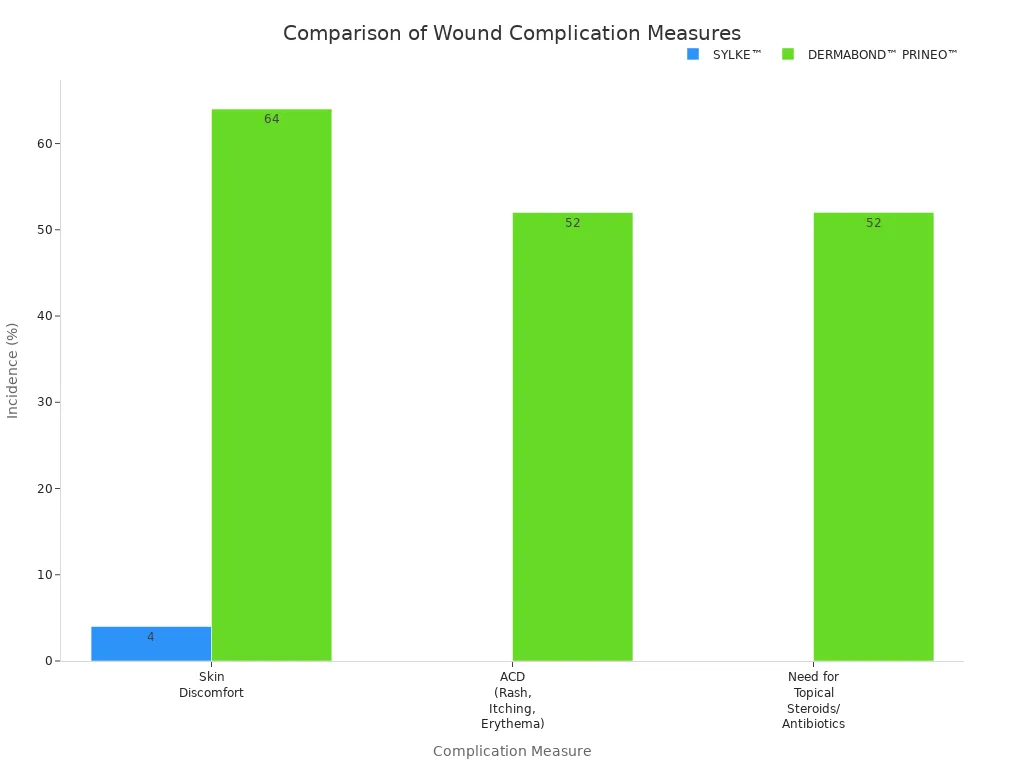
SLK Medical products, such as the SYLKE line, show much lower rates of skin discomfort and allergic reactions compared to other brands. The chart below shows how SYLKE compares to DERMABOND PRINEO for skin comfort and the need for extra treatments:
You should also know the risks of improper bandage care. If you wrap a bandage too tightly, you can stop blood from reaching the wound. This can cause numbness, tingling, or even skin color changes. If you use too much pressure, you might get pressure ulcers, which are painful sores. Always use enough padding and check that compression bandages do not cut off blood flow. If you have sensitive skin, choose hypoallergenic dressings to avoid rashes or itching.
Here are some tips to prevent complications:
-
Do not wrap bandages too tightly.
-
Use enough padding to spread out pressure.
-
Choose hypoallergenic dressings for sensitive skin.
-
Monitor the wound for any changes every day.
-
Seek medical help if you see signs of infection or if healing slows down.
By following these steps, you support healing and keep your wound safe. Good bandage care, regular monitoring, and the right products make treating wounds at home safer and more comfortable. When you apply to your injury the best wound care practices, you help your body heal faster and avoid problems.
When to Seek Medical Help for Wound Care
Warning Signs and Complications
It is important to know when a wound needs more than home care. Some wounds heal slowly or show signs that mean you should see a doctor. Watch for these signs and get help if you notice them:
-
Pain lasts longer than two days or gets worse.
-
The wound is bigger than ¾ inch or deeper than ½ inch.
-
You have fever, chills, redness, or more pain.
-
The wound happens after radiation therapy.
If you are unsure, ask a healthcare provider for advice. Acting fast can stop serious problems.
Look for warning signs that may mean trouble. The table below shows what to watch for and what can happen if you ignore these signs:
|
Warning Sign |
Description |
Complications if Ignored |
|---|---|---|
|
Persistent Redness |
Red skin spreading away from the wound |
Cellulitis or infections in the blood |
|
Worsening Pain |
Sharp pain or throbbing days after getting hurt |
Infection or more pressure in the wound |
|
Unusual Discharge or Odor |
Thick fluid or a bad smell from the wound |
Infection or dead tissue |
|
No Visible Progress in Healing |
Wound stays the same size for many weeks |
Problems with blood flow or slow healing |
|
Visible Signs of Infection |
Fever, chills, or black skin near the wound |
Gangrene or sepsis |
Professional Support and SLK Medical Solutions
You might need expert help if your wound does not heal or shows infection signs. Doctors and nurses use special dressings to help wounds heal faster. SLK Medical has silicone foam dressings for tough wounds. These dressings control fluid and keep the wound comfortable. Silver dressings help wounds that might get infected.
-
SLK Medical silicone foam dressings stay in place and block water.
-
Soft silicone layers make changing dressings less painful.
-
Antimicrobial foam dressings help infected wounds heal better.
-
These products fit many body parts and help you feel comfortable.
If you need more help, wound care teams can use SLK Medical products to help you heal. You will heal better and feel less pain with advanced wound care solutions.
You help your body heal faster when you keep your wound clean and covered. Good wound care lowers your risk of infection and reduces pain. Using advanced wound dressing bandages from SLK Medical gives you comfort and protection. Watch your wound for signs of infection and ask for help if you see changes.
-
Take part in your care by learning about your wound.
-
Work with your family and caregivers for support.
-
Use technology to stay informed.
You have the power to improve your healing. When you follow these steps, you support your health and feel confident in your recovery.
FAQ
How often should you change your bandages?
You should change your bandages every day or when they get wet or dirty. Clean bandages help your wound heal faster. If you use advanced bandages, you may not need to change them as often. Always check your wound before you put on new bandages.
Can you shower with bandages on?
You can shower with waterproof bandages. These bandages keep water out and protect your wound. If your bandages are not waterproof, cover them with plastic. After your shower, check your bandages for leaks or damage. Replace bandages if they get wet.
What should you do if your bandages stick to the wound?
If your bandages stick, soak them with saline or water. This helps you remove bandages without hurting your skin. Do not pull bandages off quickly. Use gentle movements. If bandages still stick, ask your doctor for help. Some bandages are designed not to stick.
Are there special bandages for sensitive skin?
You can use bandages made for sensitive skin. These bandages use soft materials and gentle adhesives. They help you avoid rashes and pain. SLK Medical offers bandages for sensitive skin. Always check your skin after you use new bandages.
How do you know if your bandages are working?
You know your bandages work if your wound looks clean and starts to heal. Good bandages keep the area moist and block germs. If you see less swelling and redness, your bandages help. Change bandages if you see pus or smell something bad.
Tip: Always use bandages that fit your wound size and shape. This helps you heal faster and keeps your skin safe.
|
Bandages Type |
Best Use |
Change Frequency |
|---|---|---|
|
Waterproof bandages |
Shower, daily activities |
1-2 days |
|
Sensitive skin bandages |
Fragile or allergic skin |
1-3 days |
|
Advanced foam bandages |
Heavy fluid wounds |
Up to 7 days |