


You want wounds to heal quickly and with less pain. Modern wound care supplies help you create a moist environment that supports faster healing. Hospitals now use moist wound dressings more often.
Adoption rates increased by 15% in the past year.
70% of hospitals include moist dressings in their protocols.
Less than half of chronic wounds receive these advanced dressings when needed.
Choosing the right supplies can make a big difference in healing.
Key Takeaways
Keeping wounds moist helps them heal faster. It also helps with pain and stops infection.
Pick the right dressing for your wound. Hydrocolloid dressings are good for wounds with little fluid. Alginates are better for wounds with a lot of fluid.
Clean wounds and keep them moist. This helps new skin grow. It also helps stop scars from forming.
Keep your wound care supplies neat and easy to find. Label everything and store it in a dry, clean spot.
Do not let wounds get too dry. Use dressings that keep moisture in. Make sure the area does not get too wet.
Moist Healing Theory
What Is Moist Healing
You may remember when people used dry gauze to cover wounds. This method can cause the gauze to stick to the wound, which hurts when you remove it. It can also slow down healing and increase the risk of infection. Modern moist wound healing changes this approach. You keep the wound covered and moist, which helps new cells move across the wound surface. This method reduces scab formation and speeds up tissue repair.
The main idea behind moist wound healing is to use advanced dressings instead of basic supplies. You can choose dressings like foam, hydrocolloid, or alginate. These dressings help keep the right amount of moisture at the wound site. They protect the wound and create the best conditions for healing.
A modern wound care system focuses on quality and better outcomes. You move beyond low-cost supplies and use products that support moist wound healing at every stage.
Here is what research shows about moist wound healing:
Study | Findings |
|---|---|
Winter et al. | Wounds exposed to air heal slowly and result in poor cosmetic outcomes. |
Dyson et al. | Moist environments improve healing phases and boost new blood vessel growth. |
Vogt et al. | Moist environments lead to faster healing and less tissue death. |
Wiechula et al. | Moist wound healing products work better for skin donor sites. |
Benefits for Wound Recovery
You get many benefits when you use moist wound healing. These dressings help wounds heal faster than dry methods. Moisture boosts cell activity and helps important cells reach the wound area. You also see less scarring because moist environments support new skin growth.
Moist wound healing prevents the wound from drying out.
You feel less pain during dressing changes.
The wound heals with a better appearance and less scarring.
Moist wound healing lowers the risk of infection and other problems.
You help your patients heal faster and with fewer problems when you use moist wound healing. Hospitals that use these supplies see better results and save money over time. You can make a big difference by choosing the right products and following moist wound healing principles.
Moist Wound Care Supplies
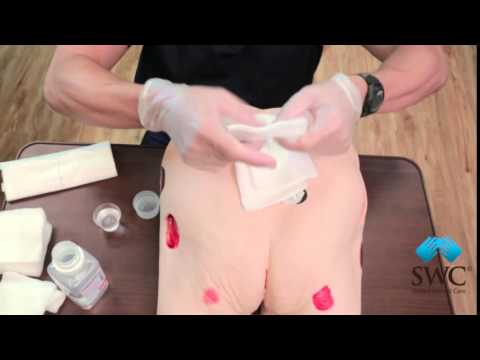
Modern wound dressings help wounds heal faster. You can pick from different supplies that keep wounds moist. Each dressing protects the wound and helps control moisture. They also help lower pain.
Hydrocolloid Dressings
Hydrocolloid dressings are used for many wounds. They keep wounds moist and help them heal. These dressings have special stuff that soaks up fluid. They make a gel over the wound. The gel keeps the wound wet but does not make the skin too wet. This helps stop skin problems.
Hydrocolloid dressings help new tissue grow. They also help get rid of dead tissue. Changing these dressings hurts less because they do not stick. Studies show hydrocolloid dressings help wounds heal faster. Patients say they look better and can do daily things sooner.
Study | Findings |
|---|---|
Knapman and Bache | Hydrocolloid dressings helped healing and lowered pain in bad friction burns. |
Andersson et al. | Patients felt less pain with hydrocolloid dressings than with paraffin gauze. |
Heffernan and Martin | Granuflex/Duoderm users felt less pain and needed less medicine than with other dressings. |
Hermans and van Wingerden | Over 80% of patients said hydrocolloid dressings were comfy and let them do daily things. |
Eisenberg | Hydrocolloid dressings helped kids with epidermolysis bullosa heal faster and move without pain. |
Schmitt et al. | Hydrocolloid dressings stayed on better and looked nicer than sticky skin tapes. |
Champsaur et al. | Wounds with hydrocolloid dressings healed faster than those with paraffin gauze. |
Doherty et al. | Hydrocolloid dressings made wounds look better and heal faster than paraffin gauze. |
Tan et al. | Wounds with hydrocolloid dressings healed more than those with scarlet red dressing. |
Smith et al. | Hydrocolloid dressings healed better and had fewer infections than Xeroform. |
Leicht et al. | Hydrocolloid dressings helped kids with small burns heal fast and look good. |
Tip: Use hydrocolloid dressings for wounds with light or medium fluid. They work well for pressure ulcers, small burns, and skin donor spots.
Hydrogels
Hydrogels are another kind of wound dressing. Hydrogels keep wounds moist and cool. They have water gels that wet the wound and help clean out dead tissue. Hydrogels make a moist place that helps your body clean the wound.
Hydrogels stop wounds from drying out.
They soak up fluid and dead tissue to help healing.
Their special environment brings healing cells and stops germs.
Hydrogels work best for dry wounds or wounds with little fluid. They help wounds heal faster and make patients feel better. Studies show hydrogels heal dry wounds 15-20% faster. They keep wounds moist and help lower pain.
Dressing Type | Healing Speed | Patient Comfort |
|---|---|---|
Hydrogels | 15-20% faster in dry wounds | Keeps moisture, feels comfy |
Foam Dressings | Heals faster in wet wounds | Fewer changes, less pain |
Alginates
Alginate dressings come from seaweed fibers. You use them for wounds with lots of fluid. These dressings soak up lots of fluid and make a gel to keep wounds moist. Alginate dressings help control swelling and help healing.
Study | Outcome | Findings |
|---|---|---|
RCT 1 | Healing Time | Healing was 20-30% faster for burns with alginate dressings than with hydrocolloid dressings. |
RCT 2 | Healing Time | No big difference compared to other dressings like polyurethane foams. |
RCT 3 | Inflammation Control | Alginate dressings control swelling well because of their fiber structure. |
RCT 4 | Adverse Reactions | Alginate dressings can lower bad reactions, but some studies disagree about stopping scar growth. |
You do not need to change them as often.
They control swelling and help stop infection.
Polyurethane foam dressings soak up more fluid than alginate dressings. Both work well for wounds with lots of fluid.
Foams
Foam dressings are important for wound care. You use foam dressings for wounds with lots of fluid. These dressings soak up fluid and keep wounds moist. They also protect skin from rubbing.
Foam dressings lower rubbing and pulling, so changing them hurts less.
Some foam dressings have a silicone layer that stops sticking and lowers pain.
They help keep the wound at a good temperature and humidity.
Foam dressings make patients feel better and need fewer changes. They work well for pressure ulcers and wounds with lots of fluid. Studies show foam dressings help wounds with lots of fluid heal faster, but results for pressure ulcers are mixed.
Films
Film dressings are thin and clear sheets. You use them for wounds with little or no fluid. Film dressings protect the wound and keep it moist. They let air in but keep germs out.
Dressing Type | Permeability | Wound Protection |
|---|---|---|
Film Dressings | Semi-permeable | Protects wounds with little fluid |
Hydrocolloid Dressings | Occlusive | Keeps wounds moist with light or medium fluid |
Film dressings work best for shallow wounds, small scrapes, and as a second dressing. You can see the wound through the film, so you can check healing.
Antimicrobial Dressings
Antimicrobial dressings fight infection. You use them for wounds that might get infected or heal slowly. These dressings have things like silver, iodine, or honey. These kill germs and lower the number of germs in the wound.
Dressing Type | Infection Rate Odds Ratio | Healing Odds Ratio | p-value |
|---|---|---|---|
StopBac | 0.288 | 4.661 | < 0.001 |
Cosmopor | N/A | N/A | N/A |
Antimicrobial dressings help lower infection and help wounds heal better. They are good for wounds that last a long time, burns, and surgery wounds. The germ-fighting power makes them very useful in wound care. You can use them to stop problems and help wounds heal faster.
Note: Antimicrobial dressings lower germs and help wounds heal. Use them when infection is a worry.
Modern wound dressings give you many choices for treating wounds. You can pick the right dressing for the wound type, fluid amount, and infection risk. These supplies help keep wounds moist, help your body clean the wound, and help wounds heal better.
Building Your Wound Care Supplies System
Selecting Supplies
You must pick the right wound care supplies to help wounds heal. First, clean the wound with saline or mild soap. Next, put on an antiseptic like hydrogen peroxide or iodine. Pick a dressing that fits the wound type. Use hydrocolloid dressing for dry wounds. Use foam dressing for wounds with more fluid. Hold the dressing in place with a bandage. Always wear disposable gloves to keep things clean and stop infection. Use gauze to soak up extra fluid. Use tape to keep the dressing from moving. Keep scissors and tweezers close for cutting dressings and taking out debris. For serious wounds, use special items like drainage collectors and pressure bandages.
Step-by-step selection process:
Clean the wound with saline or mild soap.
Put on antiseptic to lower infection risk.
Pick the dressing that fits the wound and fluid amount.
Wear gloves to keep things safe.
Hold the dressing in place with gauze and tape.
Get tools ready for changing dressings.
Use special items for hard-to-treat wounds.
Tip: Picking the right dressing for the wound keeps it moist and helps it heal faster.
Organizing at Home or Clinic
Good organization helps you take care of wounds at home or in a clinic. You should follow rules for cleaning, pain relief, dressing choice, and patient instructions. Work with a team for better results. Store all wound care supplies in a clean, dry place. Label each dressing and tool so you can find them fast. Keep a checklist to track when you change dressings and how many supplies you have. Sort supplies by wound type and what you need for care. This helps you make fewer mistakes and give better care.
Store dressings and bandages together.
Keep antiseptics and cleaners in their own spot.
Put gloves, gauze, and tape where you can reach them.
Use bins or boxes for scissors, tweezers, and special items.
Check your supply list often to manage care well.
Note: Keeping supplies organized helps you do things the same way each time and helps wounds heal better.
Using Supplies Effectively
You can help wounds heal faster by using supplies the right way. Check every patient for malnutrition before you start wound care. Work with dietitians if the case is hard. Watch nutrition markers to help healing. Teach patients and caregivers about good food and wound care. Use the right dressing for each wound and change it when needed. Using strong debridement helps diabetic foot ulcers heal better. Teaching patients lowers problems.
Source | Outcome Description |
|---|---|
Cleveland Clinic | |
University of Miami | 45% better results for diabetic foot ulcers with debridement |
Joslin Diabetes Center | 50% fewer diabetic foot problems with education |
Callout: Good wound care uses the right dressing, good food, and teaching. This helps wounds heal faster and lowers the chance of problems.
Choosing Supplies for Different Wounds

Match to Wound Type
You must pick the right supplies for each wound. Every wound needs special care to heal well. The best dressing helps wounds heal faster and lowers problems. Look at the table to see which dressings work for common wounds:
Wound Type | Recommended Dressings |
|---|---|
Diabetic Foot Ulcer | Silver ion foam dressing, hydrofiber dressing, UrgoStart Contact dressing, Mepilex® Lite Dressing, hyaluronic acid, Biatain® Non-adhesive Dressing |
Pressure Injury | Foam dressing, hydrocolloid dressing, multi-layered soft silicone foam dressings, polyurethane film, Mepilex® Ag dressing, polyurethane foam dressing |
Burn and Scald | Moist occlusive dressing (AQUACEL® Ag), ACTICOAT™ with nano silver |
Chronic Venous Leg Ulcer | Alginate dressing, AQUACEL® Ag dressing, Urgotul® Silver dressing, ALLEVYN® Hydrocellular foam dressings, Mepilex® foam dressing |
Dressings for diabetic foot ulcers fight germs and keep wounds moist. Pressure injuries heal better with foam or hydrocolloid dressings. Burns and scalds need moist dressings to protect skin. Chronic venous leg ulcers heal faster with alginate or foam dressings. Picking the right supply for the wound helps healing.
Tip: Always look for infection or too much fluid. This helps you choose the best dressing for every wound.
Adapt to Healing Stage
Wounds change as they heal. You need to use different supplies for each stage. In the first stage, called the inflammatory phase, you protect the wound with a safe dressing. This keeps germs out while your body cleans the wound. In the next stage, called the proliferative phase, you keep wounds clean and moist. Waterproof bandages protect wounds from dirt and water. In the last stage, called maturation, the skin gets stronger. You may not need a bandage, but you still protect the area from bumps.
Inflammatory phase: Use dressings that protect and stop infection.
Proliferative phase: Keep wounds moist and covered with waterproof supplies.
Maturation phase: Use light protection as the skin heals.
Changing supplies as wounds heal helps them get better faster. Diabetic foot ulcers need extra care at every stage. You may use advanced dressings early and lighter ones as wounds close. This helps wounds heal faster and lowers the chance of new wounds.
Note: Watch wounds closely. Change supplies as wounds heal. This keeps healing on track and helps stop problems.
Common Mistakes
Over-Drying
You might think letting a wound dry out helps it heal. This is not true. Over-drying can slow healing and cause pain. When a wound dries, a hard scab forms. This scab blocks new skin cells from moving across the wound. Healing takes longer, and you may see more scarring. Moist wound care keeps the area soft and helps your body repair itself faster.
Tip: Always use dressings that keep the wound moist but not soggy. Change them as needed to avoid dryness.
Product Incompatibility
Using the wrong products together can hurt wound healing. Some dressings or ointments can stop important enzymes from working. For example, if a product blocks more than 20% of collagenase enzyme activity, it can slow down the healing process. You need to check if your wound care supplies work well together. Some products have been tested and show different levels of enzyme inhibition. If you use incompatible products, the wound may not heal as expected.
Always read product labels.
Ask your healthcare provider if you are unsure about mixing products.
Watch for signs that the wound is not improving.
Infection Control
Keeping a wound clean is very important. Bacteria can get into wounds and cause problems. Infections make wounds swell and produce harmful chemicals. This slows healing and can make things worse. You should change dressings often and watch for signs of infection. Use dressings that block germs and keep the wound moist. Wear gloves and use clean tools every time you care for a wound.
Chronic wounds often have bacteria that make healing harder.
Infections can cause more swelling and slow down recovery.
Always follow infection control steps, like using personal protective equipment and throwing away dirty supplies.
Note: Good infection control helps wounds heal faster and keeps you safe.
You can help wounds heal faster by using modern supplies that keep the area moist. Research shows moist healing decreases pain, lowers infection risk, and helps new skin grow. See the table below for key benefits:
Benefit | Description |
|---|---|
Faster healing | Moist dressings speed up skin repair |
Less pain | Dressing changes hurt less |
Fewer infections | Moist environment blocks germs |
Better appearance | Wounds heal with less scarring |
To get the best results, choose the right dressing, keep the wound clean, and work with your care team. Avoid common mistakes to improve patient outcomes and save costs.
FAQ
What is the best dressing for a wound with a lot of fluid?
Foam or alginate dressings work best for wounds with heavy fluid. These dressings soak up extra moisture and keep the wound moist. You help the wound heal faster and lower the risk of infection.
How often should you change a moist wound dressing?
You should change most moist dressings every one to three days. Always check the dressing for leaks or signs of infection. If the dressing gets wet or dirty, change it right away.
Can you use antibiotic ointment with moist dressings?
Tip: Always check with your healthcare provider before mixing products.
Some moist dressings work well with antibiotic ointments. Others may not. Using the wrong combination can slow healing. Read product labels and ask your provider for advice.
Do moist dressings help reduce scarring?
Yes. Moist dressings help new skin grow and lower scab formation. You see less scarring and better-looking skin after healing. Keeping the wound moist gives you the best results.
What signs show a wound is infected?
Sign | What You See |
|---|---|
Redness | Skin around wound turns red |
Swelling | Area looks puffy |
Pus | Yellow or green fluid |
Pain | Wound hurts more |
Heat | Skin feels warm |
If you see these signs, contact your healthcare provider.


