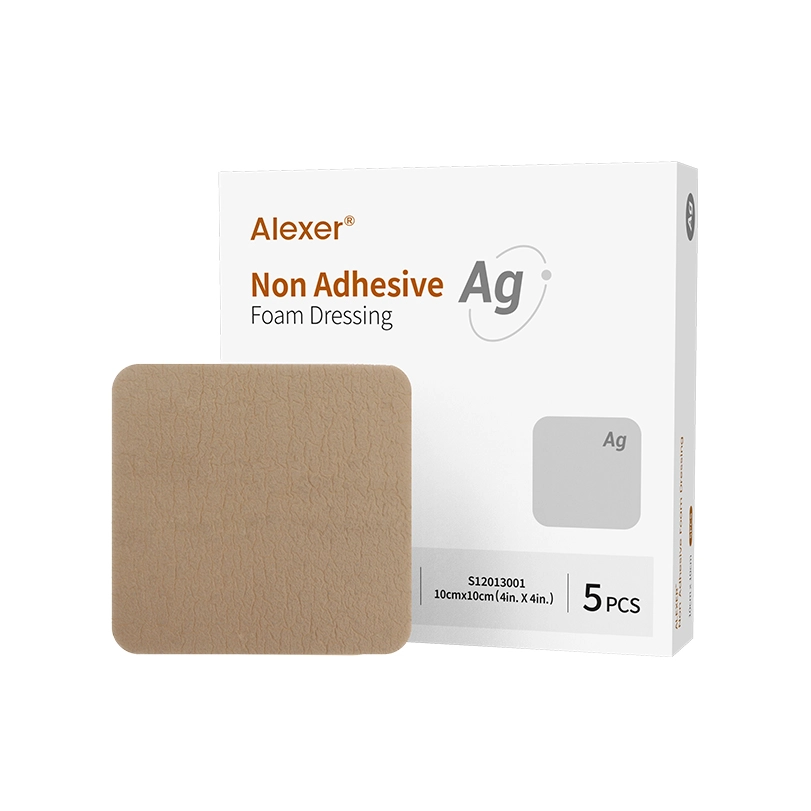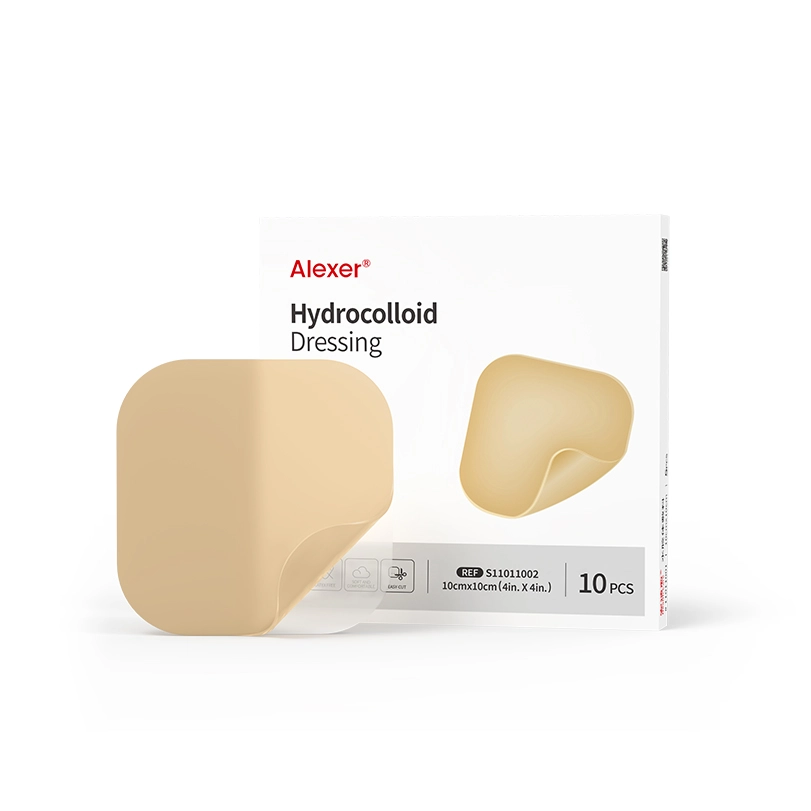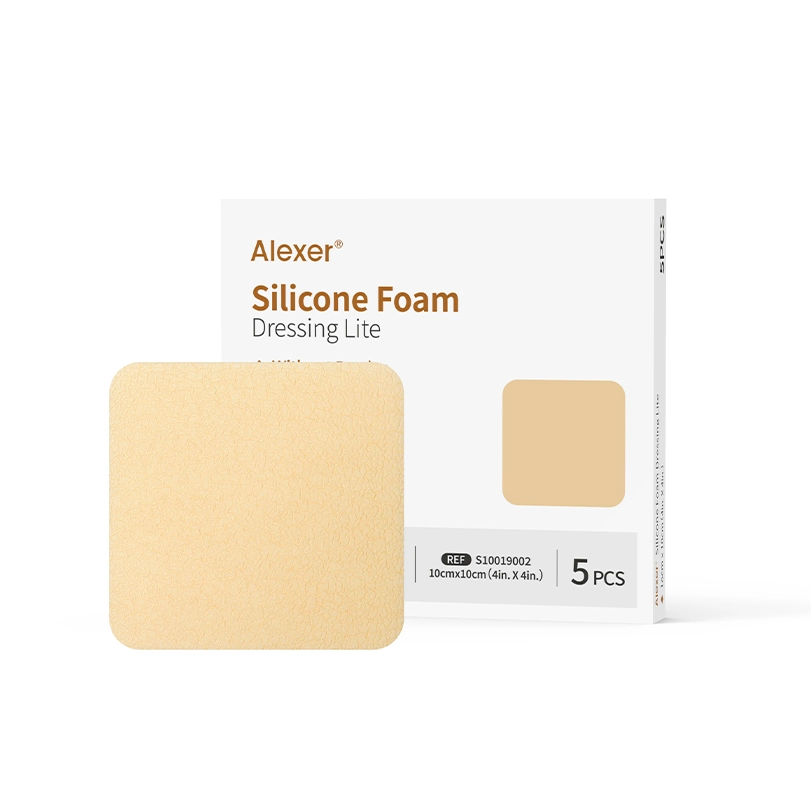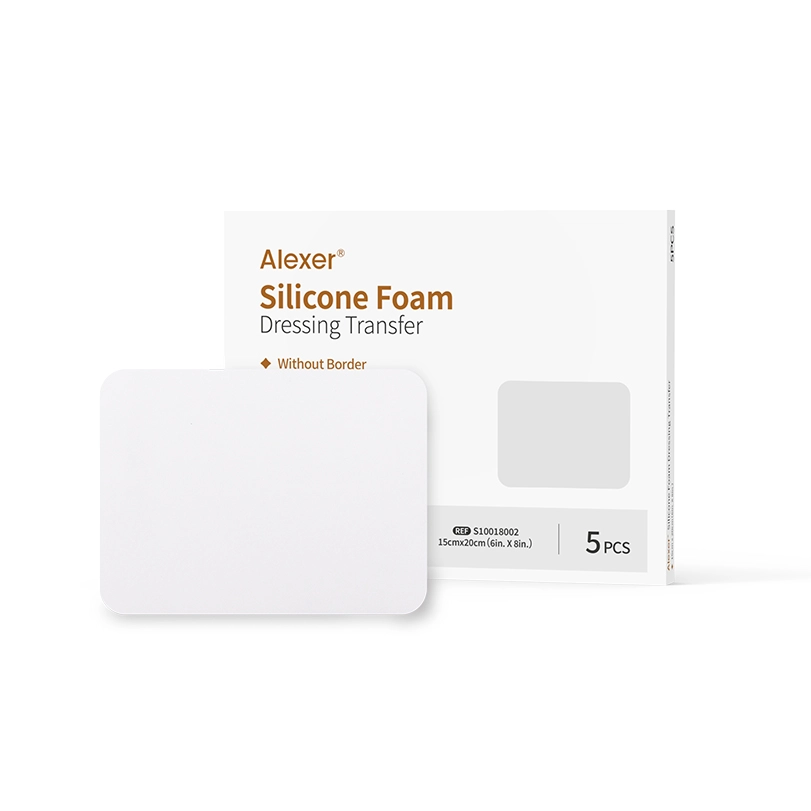


Venous leg ulcers happen to people everywhere. These wounds are hard to heal. Infection can make healing slow. Too much moisture is bad. Too little moisture is also bad. Pain can make things worse. Many people feel upset because healing takes a long time. Some wounds come back again and again. New silicone foam dressing choices help with these problems. SLK Medical has options for sensitive skin.
Key Takeaways
-
Silicone foam dressings control moisture well. They help wounds heal faster by soaking up extra fluid.
-
These dressings stick gently to the skin. This protects sensitive skin and makes changing them less painful.
-
Advanced silicone foam dressings can save money. They need to be changed less often.
-
These dressings stop infection and skin damage. They help wounds heal in a safer way.
-
Picking the right dressing is important. You should choose based on wound type and fluid amount.
Barriers to Healing Venous Leg Ulcers
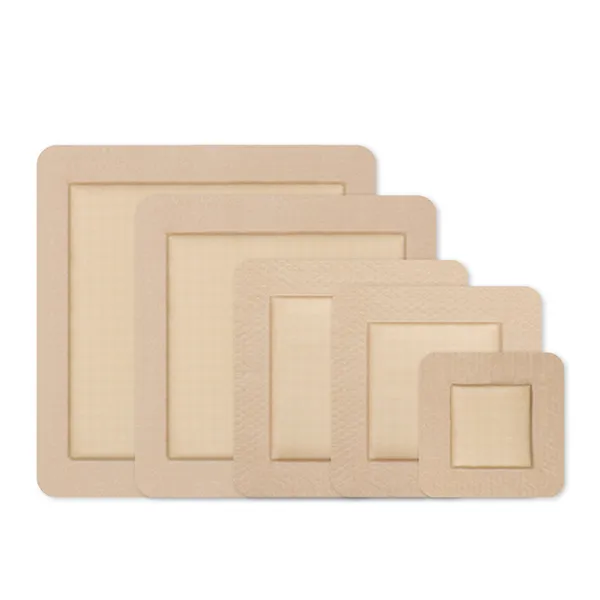
Venous leg ulcers can be tough to manage. You might notice that these wounds do not heal quickly. Many things can slow down the process. Sometimes, you face more than one problem at a time. You may deal with infection, too much fluid, pain, or even damage to the skin around the wound. These barriers can make you feel frustrated and tired. Let’s look at each challenge and see why you need solutions that work for you.
Did you know?
Many people with venous leg ulcers face extra challenges in the healthcare system. Sometimes, these wounds are seen as less important than other health problems. You might also notice delays because of staff shortages or poor communication between doctors and nurses.
Here’s a quick look at common barriers you might face:
|
Barrier Type |
Description |
|---|---|
|
Perception of Low Priority |
Venous ulcers are sometimes seen as less urgent than other health issues. |
|
Resource Limitations |
Not enough funding, training, or equipment can slow down proper care. |
|
Communication Challenges |
Poor information sharing between care teams can delay your treatment. |
|
Staffing Issues |
Not enough staff or high turnover can make it hard to get timely help. |
|
Organizational Barriers |
Complicated hospital systems can make it tough to get the right care quickly. |
Infection Risks
Infection is a big problem for venous leg ulcers. You might notice redness, swelling, or extra drainage. Infection can make your wound larger and more painful. It can even cause cellulitis, which is a serious skin infection. When infection sets in, your body stays in a state of inflammation. This makes it harder for your wound to heal. Infection is the main reason why healing takes longer for many people with venous leg ulcers.
-
Infection can cause:
-
Delayed healing
-
Wound enlargement
-
More pain
-
Extra swelling
-
You need dressings that protect your wound from germs and help your body heal faster.
Moisture and Exudate Challenges
Venous leg ulcers often leak fluid, called exudate. Sometimes, there is too much. Other times, there is not enough. Both can slow down healing. If your wound stays too wet, the skin around it can get soft and white. This is called maceration. It makes your skin weak and easy to break. Too much moisture can also raise your risk of infection. If your wound stays too dry, it cannot heal well either.
|
Evidence |
Description |
|---|---|
|
Maceration |
Too much moisture can make the skin around your wound soft and fragile. |
|
Infection Risk |
Wet wounds can attract bacteria and cause infection. |
|
Inflammatory Phase |
High levels of fluid can keep your wound stuck in the inflammation stage, slowing down repair. |
|
Overhydration |
Extra fluid can soak your wound bed, making it easy to damage. |
|
Enzymatic Damage |
Chronic wound fluid can break down healthy tissue and delay healing. |
You need a dressing that keeps the right balance—not too wet, not too dry.
Pain and Dressing Trauma
Pain is a big part of living with venous leg ulcers. You might feel pain all the time, or just when you change your dressing. Many people say that dressing changes are the worst part. Pain can make you feel stressed and upset. It can even slow down your healing. If your dressing sticks to your skin, it can hurt when you take it off. This can make you want to skip treatments, which can make things worse.
-
Over 40% of people say pain during dressing changes is the hardest part of having a wound.
-
Pain can cause stress and lower your quality of life.
-
Using gentle dressings can help you stick to your treatment plan.
You need a dressing that is soft on your skin and easy to remove.
Skin Maceration
Skin maceration happens when the skin around your wound gets too wet. You might see white, soggy, or soft skin. This makes your skin weak and easy to break. Maceration can lead to new wounds or infections. It can also make your wound bigger. Keeping the skin around your wound healthy is important for healing.
You need a dressing that absorbs extra fluid and protects your skin.
Tip:
If you notice your skin getting soft or white around your wound, talk to your nurse or doctor. The right dressing can help prevent maceration and keep your skin strong.
Venous leg ulcers are complex. You need solutions that fight infection, control moisture, reduce pain, and protect your skin. The right dressing can make a big difference in your healing journey.
Silicone Foam Dressing Solutions by SLK Medical
You want something that helps with every problem in leg ulcer healing. SLK Medical’s silicone foam dressing line does this job well. These wound dressings use smart ideas and careful design. They help you heal faster, feel less pain, and keep your skin safe.
Moisture Balance Technology
Controlling moisture is very important for wound care. If your wound is too wet or too dry, healing slows down. SLK Medical’s silicone foam dressing uses D-Pore™ Dual-Dimensional Pore Foaming Technology. This feature keeps your wound in the best moist place. The dressing soaks up extra fluid but does not let your wound get dry. You have less chance of maceration and better healing.
-
A clinical study tested a silicone foam dressing with 3DFit™ Technology for venous leg ulcers.
-
The study had 102 people.
-
After four weeks, wounds treated with this dressing got 54.3% smaller. Standard care only saw a 43% decrease.
-
The dressing also saved money, lowering costs by 33%.
Smart moisture balance helps your wound heal faster and saves you time and money.
Gentle Adhesion for Sensitive Skin
If you have sensitive skin, dressing changes can hurt. SLK Medical’s silicone foam dressing uses a gentle silicone adhesive. This layer sticks well but does not pull or harm your skin. It stays soft and sticky, so you can take it off easily without pain.
-
Pain-free removal means you feel less discomfort.
-
The gentle adhesive keeps the dressing in place but does not hurt your skin.
-
You avoid hurting your wound, which helps you heal.
Silicone adhesives do not dry out. They stay soft and bendable. Studies show silicone dressings take off less skin than regular acrylic dressings. You get a more comfortable experience, especially if your skin is weak.
Advanced Absorption Layers
You need a dressing that can handle lots of fluid. SLK Medical’s silicone foam dressing uses many layers. Each layer does something special. The top film keeps out water and germs. The foam layer soaks up fluid. The SAF absorption and retention layer locks fluid away. The non-woven layer spreads fluid evenly. The silicone contact layer protects your skin.
Here’s how advanced silicone foam dressings compare to traditional options:
|
Feature |
Advanced Silicone Foam Dressings |
Traditional Dressings (e.g., Gauze) |
|---|---|---|
|
Absorbency |
Absorb up to 15 times their weight in wound fluid |
Limited absorbency, requires frequent changes |
|
Fluid Management |
Superior fluid locking, prevents leakage |
Can stick to wound bed, increasing infection risk |
|
Patient Comfort |
Reduces pain and trauma during dressing changes |
Can cause pain and damage to new tissue upon removal |
You get better absorption, less leaking, and more comfort. You do not have to change your dressing as often.
Antimicrobial Silver Option
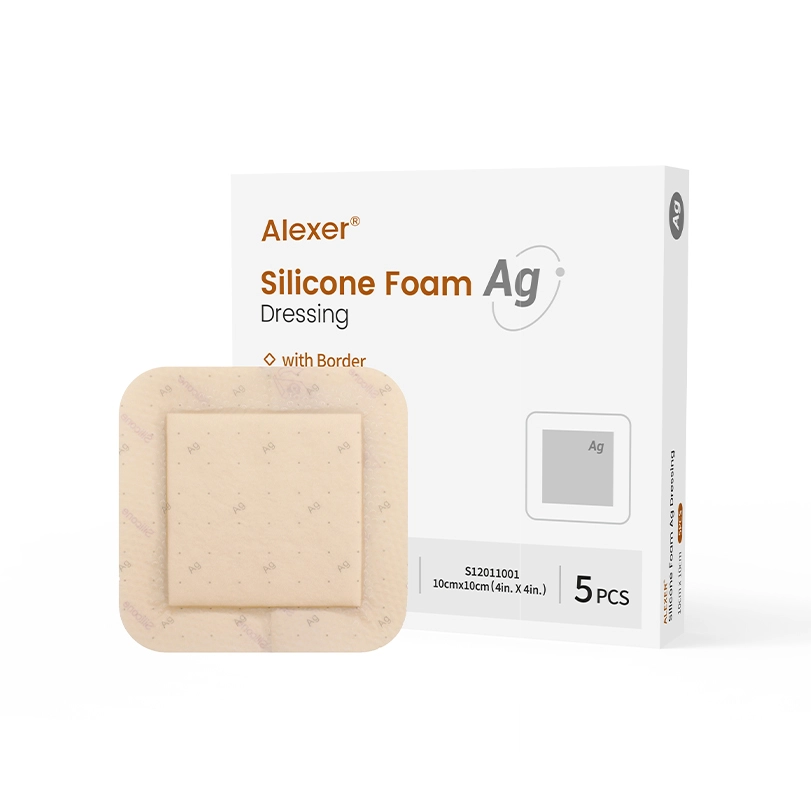
Sometimes, your wound needs extra help against germs. SLK Medical has a silicone foam dressing with silver ions. This dressing helps lower the risk of infection. The silver keeps bacteria away from your wound. You get gentle adhesion and moisture control, plus extra protection.
-
The silver dressing is good for wounds at high risk of infection.
-
It keeps your wound moist and comfortable.
-
You can use it for leg ulcers, diabetic foot ulcers, and burns.
Flex Technology for Conformability
Wounds on your legs, heels, or sacrum can be hard to cover. You need a dressing that moves with you. SLK Medical’s Border Flex silicone foam dressing uses Flex Technology. This design lets the dressing stretch in all directions. It bends and flexes as you walk, sit, or move.
Flex Technology means:
-
The dressing stays in place, even on hard spots.
-
You feel more comfortable and can move easily.
-
The dressing absorbs and locks away fluid, keeping your wound healthy.
You do not have to worry about the dressing peeling off or hurting your skin. It fits your body and your life.
SLK Medical Product Highlights:
Silicone Foam Dressing with Border: Good for most wounds, offers gentle adhesion and high absorbency.
Silicone Foam Dressing – Border Flex: Stretches and moves with you, great for active people or hard-to-cover wounds.
Silicone Foam Ag Dressing with Border: Adds silver for antimicrobial action, perfect for wounds at risk of infection.
SLK Medical’s silicone foam dressing solutions give you what you need for better healing. You get comfort, protection, and smart technology in every product.
Clinical Results at a Glance
|
Evidence Description |
Findings |
|---|---|
|
Clinician Satisfaction |
97% of clinicians said foam silicone worked as well or better than other products for comfort, exudate management, and easy use. |
|
Patient Comfort |
93% of patients said dressing comfort was good or very good during checks. |
|
Pain Management |
The silicone wound contact layer lowers pain during dressing removal, making patients more comfortable and reducing skin injury risks. |
|
Infection Prevention |
The silicone dressing lowers the risk of skin injuries from medical adhesives, which can cause problems like infection. |
You can trust SLK Medical to help you heal with advanced silicone foam dressing solutions.
Comparing Silicone Foam Dressing to Traditional Methods
Gauze and Hydrocolloid Limitations
Some people still use gauze or hydrocolloid dressings for leg ulcers. These dressings have been used for many years. Gauze can stick to your wound and hurt when removed. Hydrocolloid dressings cost more and may cause allergies. Studies about these dressings often use small groups. The results are not always clear or easy to understand.
Here are the main problems with these dressings:
|
Limitation |
Description |
|---|---|
|
Clinical Benefit |
Hydrocolloid dressings do not work better than low-adherent dressings with compression. |
|
Cost Concerns |
Hydrocolloids are expensive and can cause allergies. |
|
Methodological Issues |
Many studies have few people and poor cost reporting, so results may not be reliable. |
Older dressings may not help your wound heal as well as newer choices.
Benefits of SLK Medical Silicone Foam Dressings
SLK Medical silicone foam dressings help you care for wounds better. They are comfortable and protect your skin. These dressings control fluid and lower pain during changes. They are easy to use and work well for many wounds.
Let’s see how they compare:
|
Evaluation Criteria |
Score (out of 5) |
|---|---|
|
Comfort |
4-5 |
|
4-5 |
|
|
Ease of Application |
4-5 |
Patients say foam dressings hurt less than gauze. You do not need to change them as often. This can save money over time. Foam dressings help wounds heal faster.
Use with Compression Therapy
Doctors may suggest compression therapy for venous leg ulcers. This treatment helps blood flow and healing. Not all dressings work well with compression. SLK Medical silicone foam dressings stay in place and protect your skin under pressure. They manage fluid and give gentle care.
Tip:
Ask your nurse or doctor which dressing is best for your compression therapy. Picking the right one can help you heal better.
Practical Application and Selection Guide
Choosing the Right Dressing
You want the best results for your wound care needs. Picking the right silicone foam dressing makes a big difference. Here’s what you should look at when making your choice:
-
Wound type, size, and location matter. A small wound on your heel needs a different shape than a large one on your leg.
-
Check how much fluid your wound makes. Some wounds leak a lot, while others stay dry.
-
Think about your skin. If you have sensitive skin, you need a gentle dressing.
-
Notice if you have any signs of infection or if you’re at risk for infection.
-
Your nurse or doctor’s experience with certain wound dressings can help guide your choice.
SLK Medical offers many options, so you can find the right fit for your situation.
Application Tips for Leg Ulcers
You want to get the most out of your dressing. Here are some simple tips for managing the wound and getting better healing:
-
Wash your hands before touching the wound or dressing.
-
Clean the wound gently with saline or as your nurse suggests.
-
Dry the skin around the wound to help the dressing stick.
-
Place the dressing so it covers the wound and a bit of the healthy skin around it.
-
Smooth out the edges to keep it in place.
-
If you see swelling, redness, or extra fluid, let your nurse know.
You can ask for help if you feel unsure. Caregivers can follow these steps too.
Monitoring and Changing Dressings
You need to check your dressing often to make sure it’s working well. Here’s what you should watch for:
-
Look for swelling or if the dressing looks full or leaks.
-
Check if the edges are lifting up.
-
Notice any smell or strange color, which could mean infection.
-
Pay attention to pain. If it hurts more than usual, you might need a new dressing.
-
Always follow your nurse or doctor’s advice about when to change the dressing.
How often should you change your silicone foam dressing? It depends on your wound and how much fluid it makes. Here’s a quick guide:
|
Exudate Level |
Change Interval |
Evidence Source |
|---|---|---|
|
Low Exudate |
5-7 days |
2023 systematic review: 72% of venous leg ulcers required changes every 6-7 days. |
|
Moderate Exudate |
3-5 days |
12-week trial: average change interval of 4.1 days with no increased infection rates. |
|
High Exudate |
Up to 3 days |
Advanced formulations can manage moderate-heavy exudate for up to 3 days. |
|
Chronic Ulcers |
3-5 days |
Typical for diabetic foot ulcers and venous ulcers due to prolonged inflammatory phases. |
|
Compression Therapy |
Up to 7 days |
2022 RCT: no difference in healing rates between 3-day and 7-day changes under compression. |
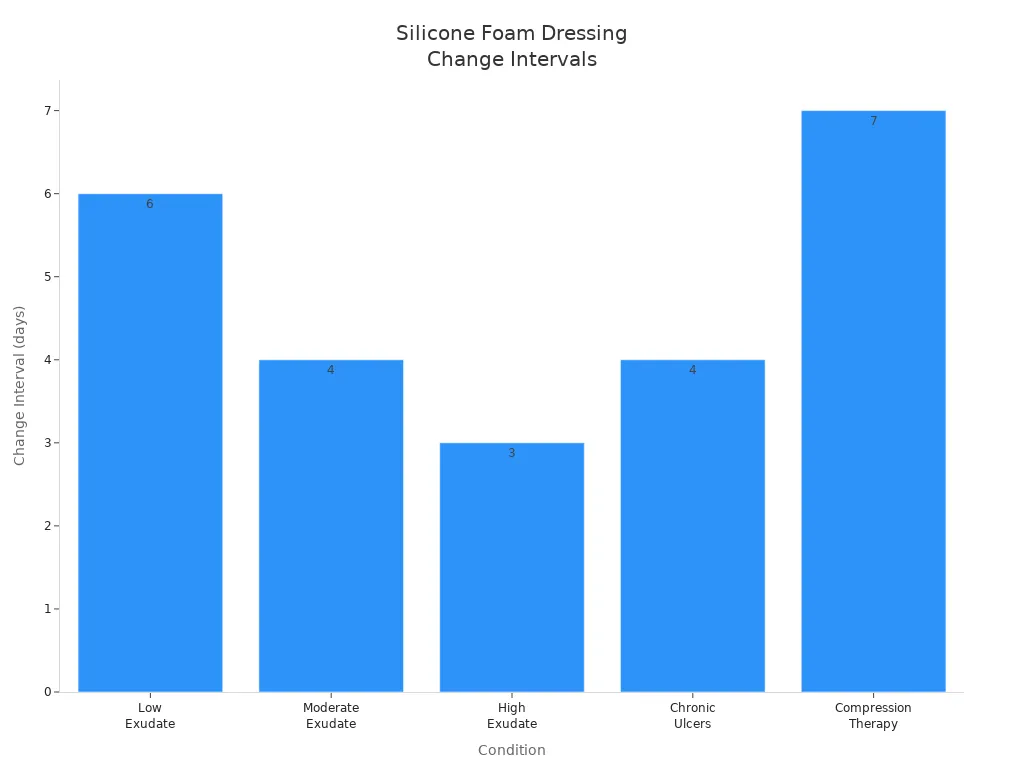
If you use compression therapy, you can often keep your dressing on for up to a week.
Special Shapes for Heels and Sacrum
Some wounds show up in tricky spots, like your heel or the sacrum. These places need special shapes for the best fit and protection. SLK Medical makes dressings shaped just for these areas. Here’s why these shapes help:
|
Mechanism |
Description |
|---|---|
|
Pressure Redistribution |
Spreads out pressure, lowering the risk of injury by up to 40%. |
|
Moisture Management |
Keeps skin dry and healthy, cutting down on skin problems by over 60%. |
|
Anatomical Conformity |
Fits the heel or sacrum, absorbing up to 70% of the force that can cause injury. |
-
You lower your risk of stage II or higher pressure injuries, especially in the sacral area.
-
The heel is a common spot for wounds because it gets a lot of pressure.
-
Using these dressings with a full prevention plan, like changing positions and using cushions, works best.
Custom Shapes and Packaging Options
You might need a special size or shape for your wound. SLK Medical offers many models and can make custom shapes to fit your needs. You can get square, rectangle, sacrum, and heel shapes. If you need something unique, SLK Medical can create a custom order. You can also choose how many dressings come in a box, which helps clinics and hospitals stay organized.
Tip:
If you have a wound in a hard-to-cover spot, ask your nurse or doctor about custom shapes. SLK Medical can help you get the right fit for better comfort and healing.
SLK Medical supports you with flexible options, so you always have the right dressing for your wound care needs.
Clinical Outcomes and Case Evidence
Healing Progress with SLK Medical Dressings
You want to know if your wound will heal well. Many people wonder how quickly wounds get better with SLK Medical silicone foam dressings. You can expect your wound to improve each week. Studies say these dressings work as well as other top brands. Here is what you might notice:
-
Simple nonadherent dressings heal about 0.353 cm² every week.
-
Other dressings heal about 0.415 cm² each week.
-
The difference is small and does not matter for most people.
You can trust SLK Medical dressings to help your wound heal. They make wound care less stressful and more comfortable.
Patient Comfort and Compliance
Comfort is very important. If your dressing hurts, you may not want to use it. SLK Medical silicone foam dressings are gentle on your skin. Many patients say they feel less pain when changing dressings. The soft silicone layer does not stick to your skin. You can take off the dressing without pulling or hurting your skin. This makes it easier to follow your wound care plan. When you have less pain, you are more likely to keep up with treatment. This helps you get better results.
Tip:
If you feel less pain and dressing changes are easier, you will probably keep using your wound care routine.
Professional Support and Certifications
You want products that meet high standards. SLK Medical silicone foam dressings have important certifications. These show the dressings are safe and good for wound care. Here is a quick look at the certifications and standards:
|
Certification Type |
Description |
|---|---|
|
CE |
Makes sure the product is safe and high quality |
|
ISO |
International rules for quality management |
|
Standard |
Purpose |
|---|---|
|
USP Class VI |
Makes sure the materials are safe for your body |
|
ISO 13485 |
Rules for checking if devices are safe for people |
SLK Medical also joins big industry events. You get help from a team that cares about your healing and safety.
You want to heal your venous leg ulcers as best as you can. SLK Medical silicone foam dressings help with this. They soak up extra fluid and keep your skin safe. These dressings keep wounds moist, which helps them heal faster. They also lower pain and protect weak skin. This is very important for people with leg ulcers.
|
Key Takeaways |
Description |
|---|---|
|
Fluid Management |
Silicone foam dressings soak up extra fluid and help wounds heal faster. |
|
Skin Protection |
They are gentle, so your skin stays safe and does not get sore. |
|
Patient Comfort |
The soft feel makes changing dressings easier and less painful. |
|
Cost Considerations |
You might save money because you need fewer changes and heal better. |
Advanced silicone foam dressings help stop injury and keep your skin healthy. You get better healing when you use the right dressing for venous leg ulcers.
If you want more help or have questions, try these ideas:
-
Visit the SLK Medical Website
-
Learn about Foam Dressing Information
-
Go to the Contact Us page
-
Email: [email protected]
-
Call: 0512-67339692
You can ask your nurse or doctor which SLK Medical dressing is best for you.
FAQ
How long can I wear a silicone foam dressing?
You can usually wear a silicone foam dressing for 3 to 7 days. The exact time depends on how much fluid your wound makes. Always check with your nurse or doctor for the best advice.
Will the dressing hurt when I take it off?
No worries!
SLK Medical’s silicone foam dressings use a gentle silicone layer. You can remove them easily without pain or pulling on your skin.
Can I shower while wearing the dressing?
Yes, you can! The waterproof film on SLK Medical dressings keeps water out. You can shower without worrying about your wound getting wet.
Are there special shapes for tricky spots like heels or the sacrum?
|
Area |
Special Shape Available? |
|---|---|
|
Heel |
Yes |
|
Sacrum |
Yes |
You can get dressings shaped just for these hard-to-cover areas.