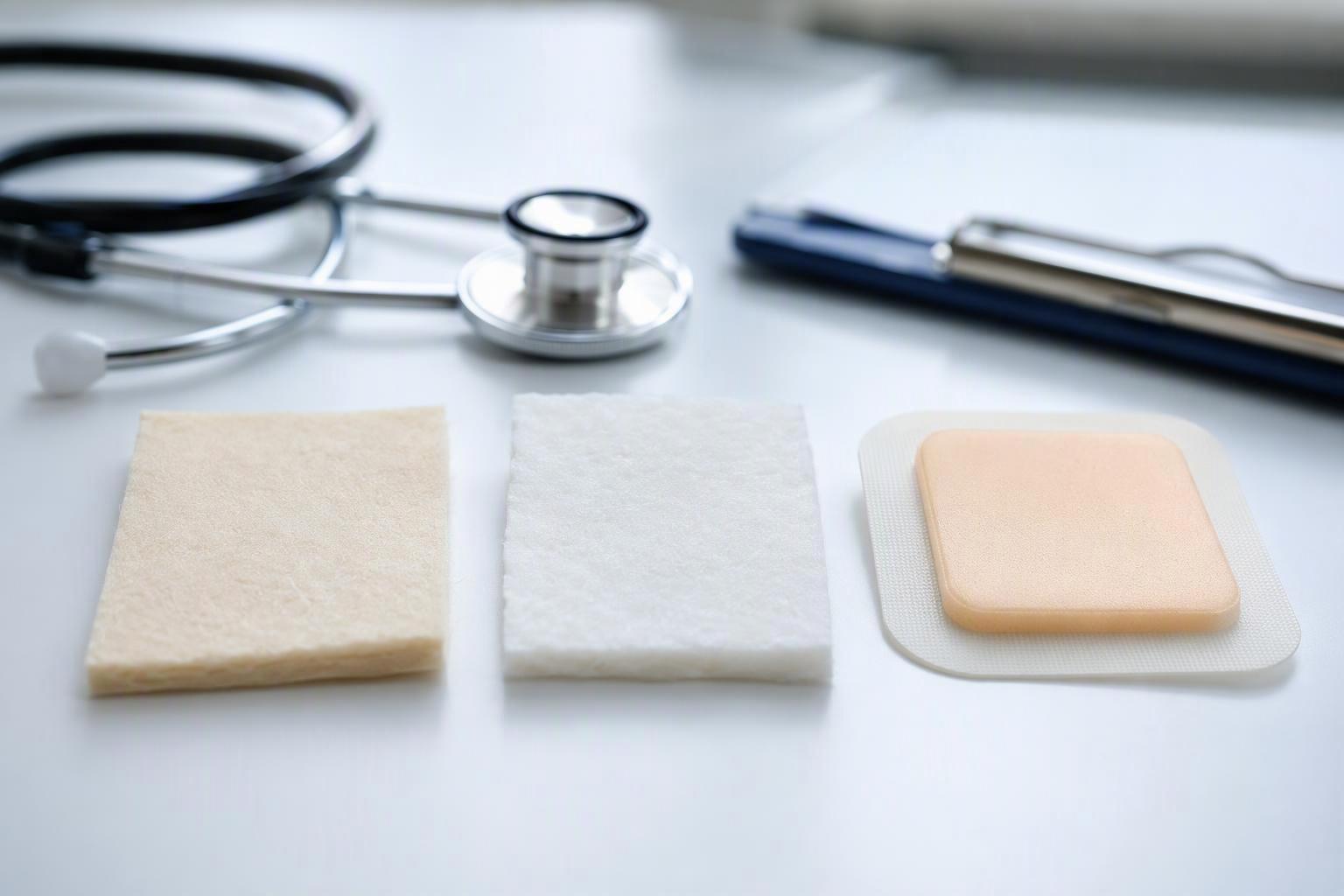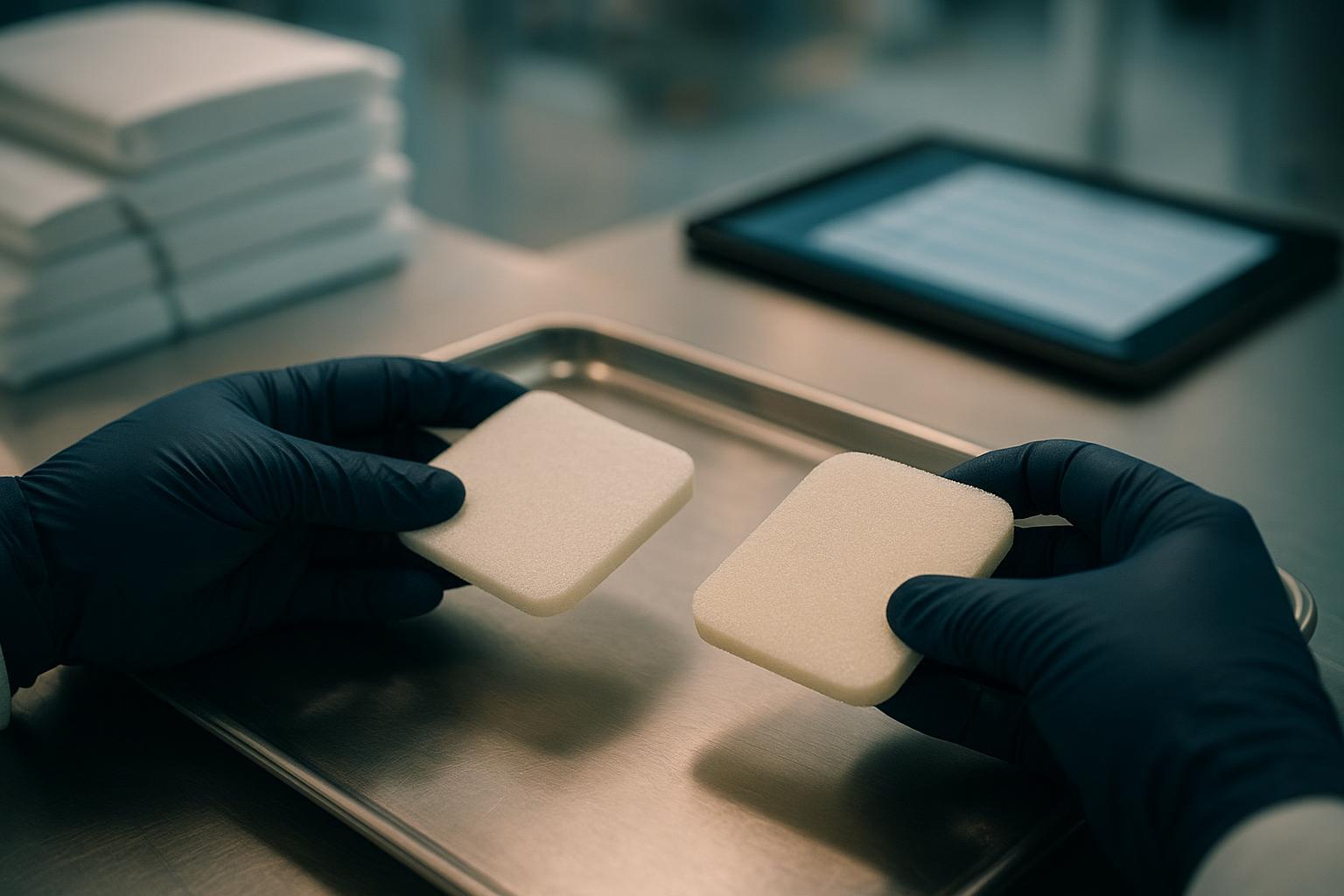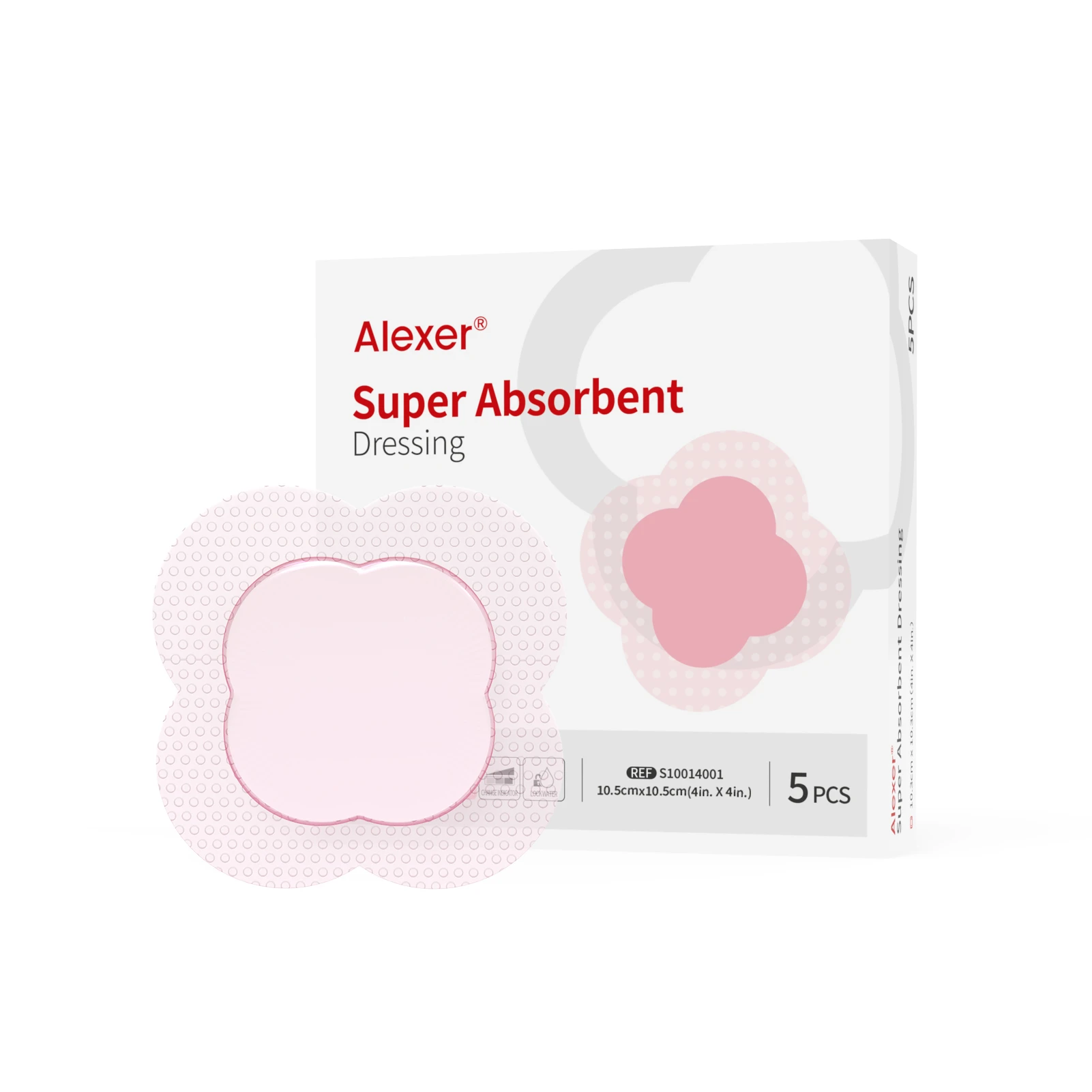
A silicone foam wound dressing combines an absorbent polyurethane foam core with a perforated soft silicone wound contact layer. SLK Medical’s Alexer® silicone foam dressing is engineered for moderate-to-heavy exudate management, providing dynamic fluid handling while ensuring atraumatic, painless dressing changes.
For medical buyers, procurement directors, and OEM brand partners, balancing clinical performance with cost efficiency is vital when evaluating advanced wound care portfolios.
Key Takeaways
- Core Mechanism & Design: Silicone foam dressings combine a high-capacity polyurethane foam core with a perforated soft silicone contact layer, engineered for moderate-to-heavy exudate management and pressure injury prevention.
- Exudate & Maceration Control: D-pore™ technology draws exudate directly into the foam core with excellent absorption, preventing fluid pooling at wound margins and protecting periwound skin from maceration.
- Cost-Efficiency via Extended Wear Time: Safe wear time of up to 7 days can reduce dressing change frequency, potentially lowering nursing labor costs and overall treatment expense.
- Clinical Limitations: Silicone foam dressings are generally not suitable for dry, necrotic wounds unless used with an appropriate hydrating product. Non-bordered dressings require secondary fixation such as tapes or wraps.
The Pros: Key Advantages of Silicone Foam Dressings
-
Painless Removal Without Damaging Skin
Soft silicone adheres gently to the surrounding dry skin while minimizing adhesion to the moist wound surface. When removed correctly, it helps reduce pain and trauma to the wound and surrounding skin.
-
Superior Exudate & Moist Environment Control
The porous foam core absorbs wound fluid and helps keep exudate away from the wound margins. This supports an appropriate moist wound environment while helping protect the surrounding skin from excessive moisture.
-
Extended Wear Time (Up to 7 Days)
High fluid capacity can reduce dressing change frequency from daily changes with standard gauze to intervals of approximately 3–7 days, depending on wound condition and clinical assessment.
-
Pressure & Shear Redistribution
Multi-layer foam constructions can help absorb and redistribute pressure and shear, making silicone foam dressings useful in pressure injury prevention and management when clinically appropriate.
The Cons: Clinical Limitations & Considerations
-
Higher Initial Unit Cost
Compared with traditional gauze or simple film dressings, a silicone foam dressing generally has a higher initial unit cost. However, longer wear time and fewer dressing changes may reduce overall care costs in appropriate applications.
-
Unsuitable for Dry Necrotic Wounds
Foam dressings require wound exudate to function effectively. They are generally not appropriate as the sole dressing for dry wounds covered with hard necrotic tissue. An appropriate hydrating wound-care product may be required depending on the clinical situation.
-
Requires Secondary Fixation (Non-Bordered Types)
Non-adhesive foam variants require secondary retention such as fixation tapes, tubular bandages, or compression wraps to maintain secure positioning.
At-a-Glance: Pros vs. Cons Comparison Matrix
| Evaluation Factor | Pros (Advantages) | Cons (Limitations) | Clinical & OEM Solution |
|---|---|---|---|
| Removal Experience | Painless peel-off; helps minimize tissue trauma. | None when appropriately selected and used. | Suitable for fragile, elderly, or pediatric skin when clinically appropriate. |
| Fluid Management | High absorption; helps lock exudate in the foam core. | Not intended for dry wounds without appropriate moisture management. | Consider appropriate hydrating products for dry wounds with little fluid. |
| Treatment Cost | Can reduce nursing time and dressing change frequency. | Higher price per individual dressing. | Evaluate total cost of care rather than only single-unit price. |
| Application Range | Broad applications including pressure injuries, skin tears, and donor sites. | May be unnecessary for minor superficial cuts. | Use basic dressings for low-risk superficial wounds when appropriate. |
Real Clinical Case Study
A real‑world clinical cases help us better understand how silicone foam dressings work in complete wound care plans.
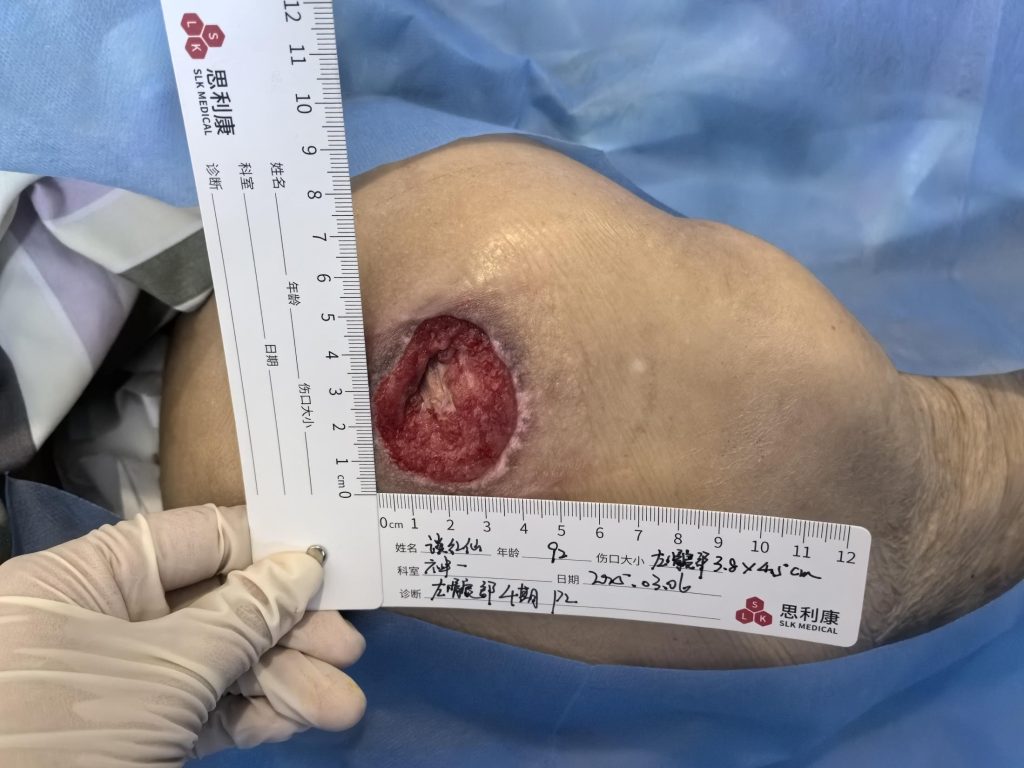
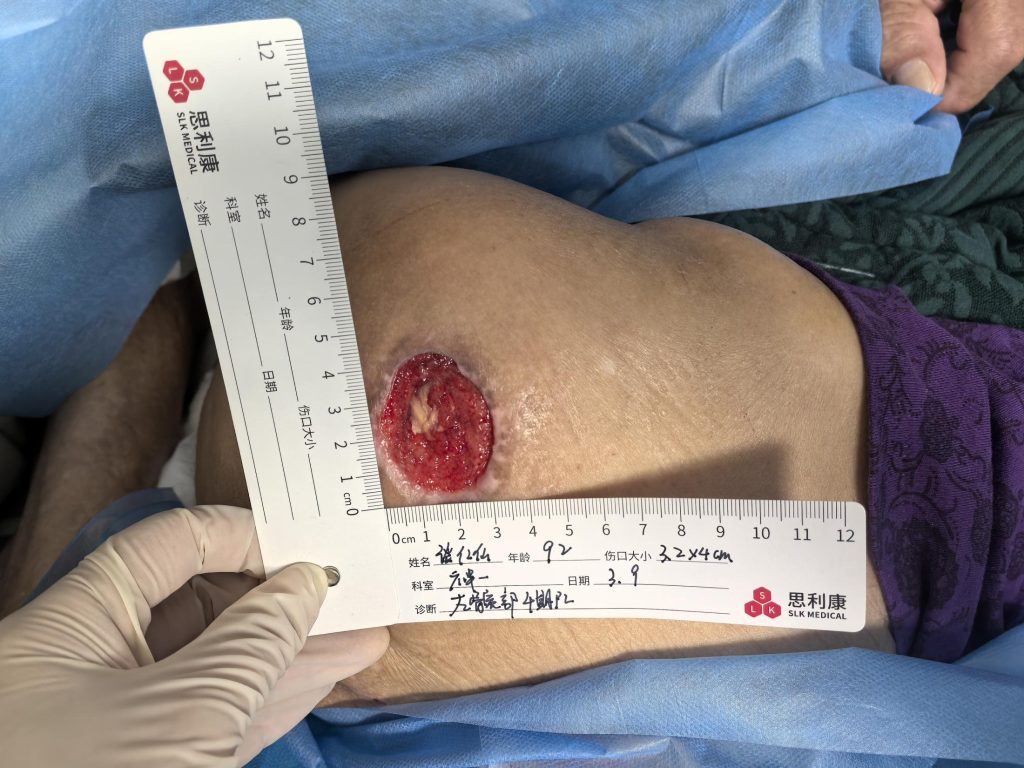
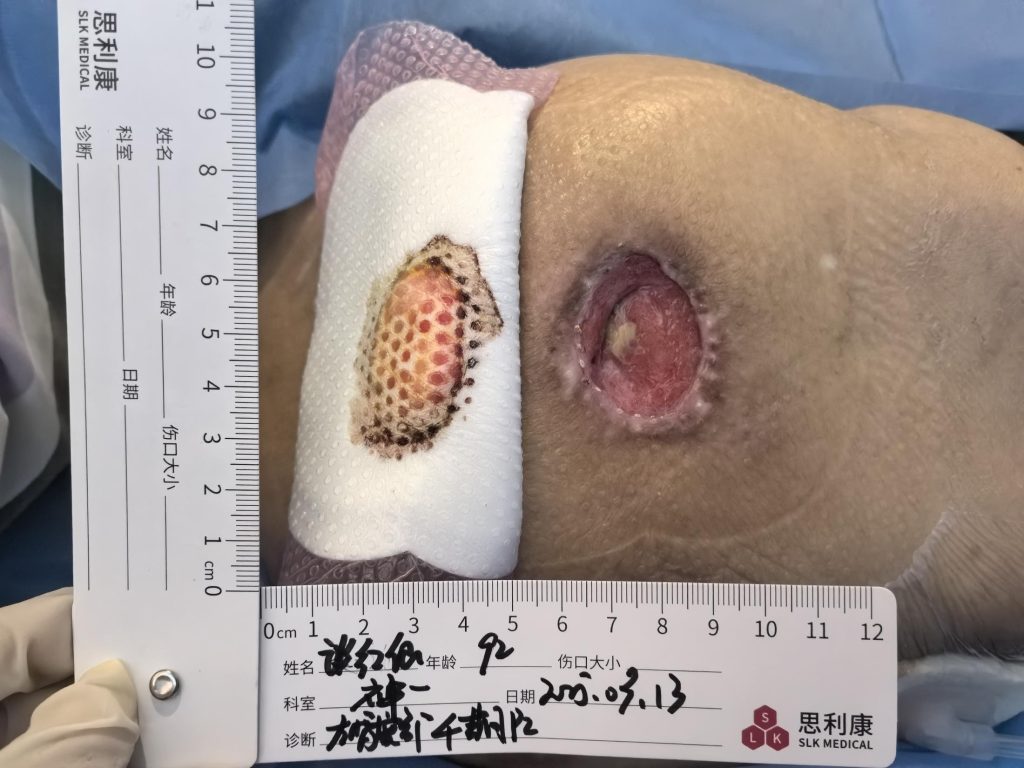
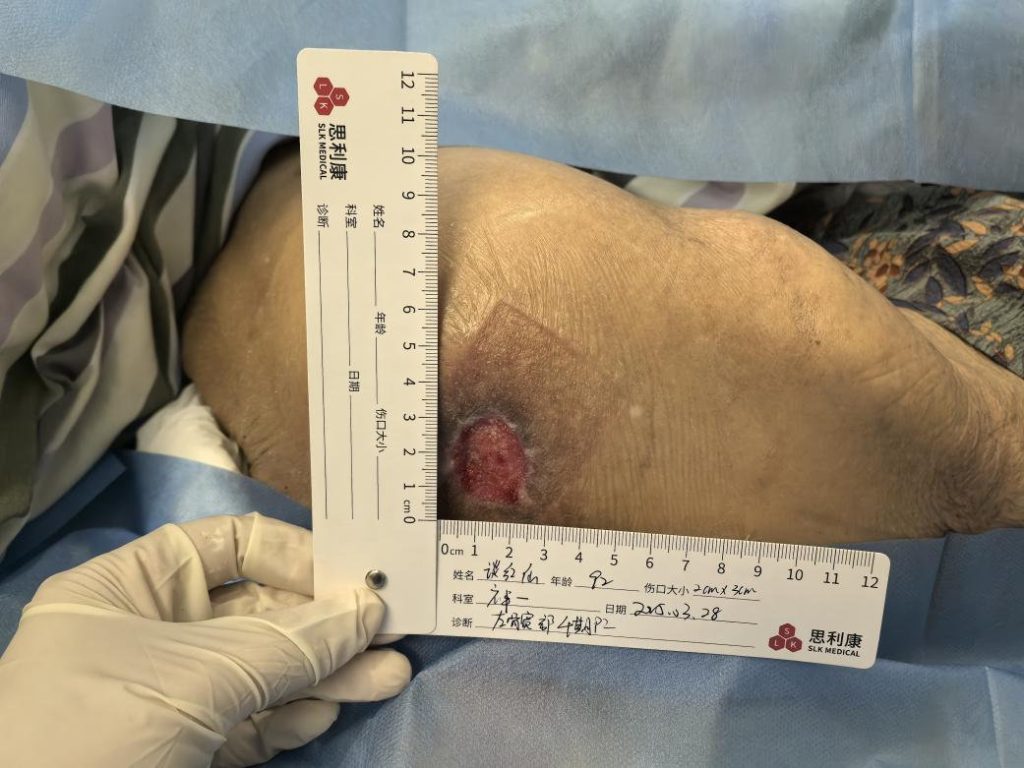
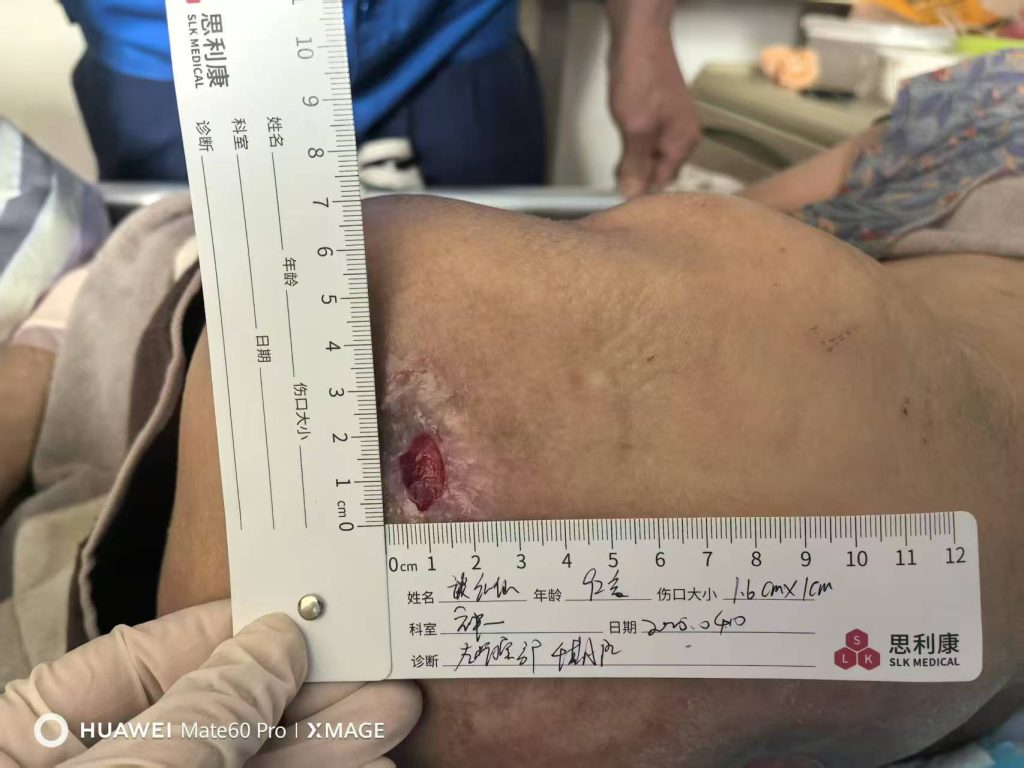
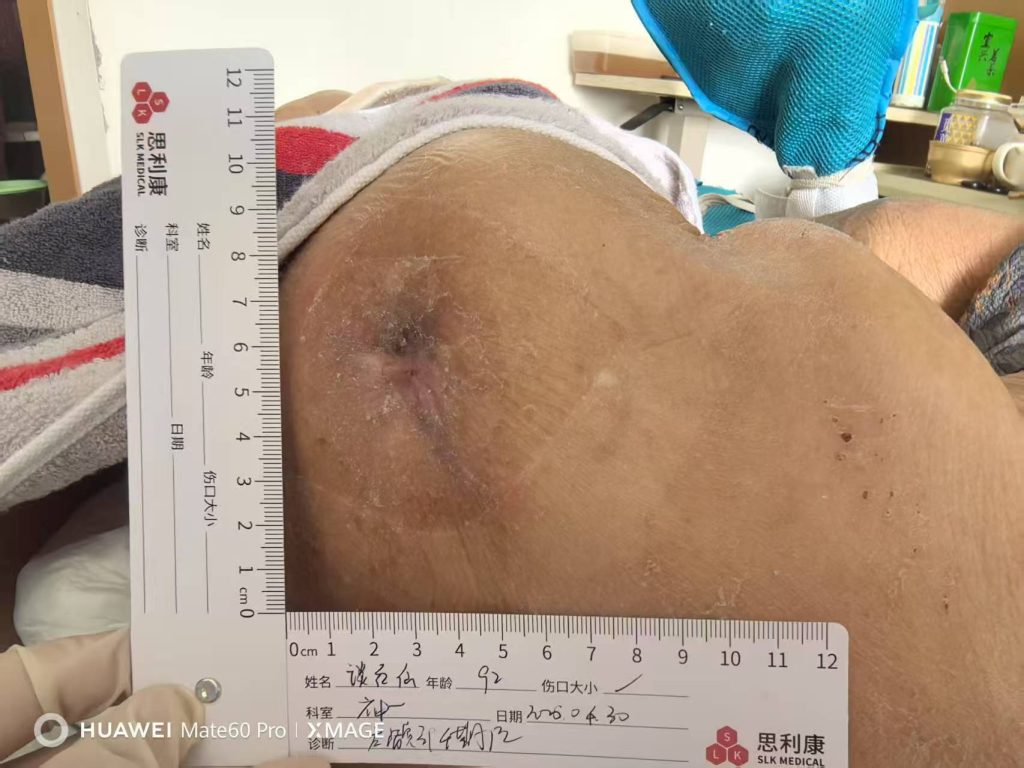
In one Stage IV pressure injury case involving the left hip, the wound initially presented with moderate exudate, approximately 25% slough and 75% granulation tissue, with no tunneling and no signs of periwound infection. Treatment included regular debridement, exudate management, and the use of a bordered silicone foam dressing to support a moist wound environment.
As the wound condition improved, the dressing change interval was gradually extended from 3 days to 4 days and then to 7 days. Progressive wound contraction and epithelialization were observed during treatment, with complete wound closure achieved at the final follow-up.
 |
 |
 |
 |
 |
 |
|---|---|---|---|---|---|
| Mar 6, Beginning | Mar 9,3 Days | Mar 13,7 Days | Mar 28,22 Days | Apr 10,35 Days | Apr 30,Healed |
| Date | Clinical Stage |
|---|---|
| Mar 6 | Beginning |
| Mar 9 | 3 Days |
| Mar 13 | 7 Days |
| Mar 28 | 22 Days |
| Apr 10 | 35 Days |
| Apr 30 | Healed |
| Outcome | Result |
|---|---|
| Initial Wound Stage | Stage IV Pressure Injury |
| Treatment Period | Mar 6 – Apr 30, 2025 (≈8 Weeks) |
| Dressing Wear Time | 3 Days → 4 Days → 7 Days |
| Exudate Management | Moderate exudate effectively controlled throughout treatment |
| Wound Progress | Continuous granulation, wound contraction, and epithelialization |
| Final Outcome | Complete Wound Healing |
OEM & Custom Manufacturing with SLK Medical
Choosing the right dressing manufacturer helps ensure product quality, regulatory compliance, and reliable global distribution.
At SLK Medical, our Alexer® Silicone Foam Dressing Series is produced under strict ISO 13485, FDA, and CE MDR requirements, offering:
- Custom OEM / private label: You can plan to sell the products under your own brand, including logo printing on individual sterile packages and customized packaging. Please share your information and requirements, and we can discuss further.
FAQ
When should you NOT use a silicone foam dressing?
Avoid using silicone foam dressings on dry wounds, full-thickness third-degree burns, or heavy arterial bleeding without appropriate primary intervention or hydration.
Do silicone foam dressings reduce total care costs?
Although unit costs can be higher than gauze, longer wear time may reduce nursing labor, material consumption, and dressing-change frequency, potentially lowering the total cost of treatment.
How often should you change a silicone foam wound dressing?
You may need to change the dressing every 3 to 7 days depending on wound condition, exudate level, product instructions, and clinical assessment. Always follow your healthcare provider’s advice and the manufacturer’s instructions.
Can you shower while wearing a silicone foam dressing?
Some silicone foam dressings have a waterproof outer layer that can help protect the wound during showering. Check the specific product’s instructions before getting the dressing wet.
What types of wounds work best with silicone foam dressings?
Silicone foam dressings are commonly used for wounds with moderate to high exudate, including ulcers, pressure injuries, skin tears, donor sites, and some surgical wounds. Learn more about silicone foam dressing applications. Dry wounds may require a different or additional dressing approach.