


Choosing the right wound dressing starts with knowing your wound. Each wound needs different medical dressing supplies to heal well. Look at the type, moisture level, and infection risk. The right wound dressing keeps the wound moist. It helps the wound heal and protects sensitive skin. SLK Medical has advanced wound care supplies. These supplies make healing easier and more comfortable.
Not all wounds are the same. Dressings used to treat them are different too. Picking the wrong wound dressing can hurt more than help. It may cause skin maceration or trap bacteria. It can also dry out the wound bed. These problems slow healing or cause infection. Sometimes, the wrong dressing makes scabs form too soon. This can stop healthy tissue from growing back.
Think about wound type, exudate, skin sensitivity, and ease of use. Also consider how often you need to change it and the cost. The right wound dressing helps the wound heal better. It gives good wound care. With the right wound dressing, you help healing and manage wounds well.
Key Takeaways
Look at the wound closely before picking a dressing. Think about how big it is, how deep it goes, and how much fluid it has.
Pick a dressing that matches the wound’s fluid level. Use hydrocolloids if there is little fluid. Use foams if there is a medium amount. Use alginates if there is a lot of fluid.
Pick dressings that are soft on skin that gets irritated easily. Hypoallergenic choices help stop irritation and help the wound heal.
Pick dressings that are simple to put on and take off. This makes patients feel better and helps them follow their care plan.
Think about how much the dressing costs and how often you need to change it. Advanced dressings might cost less over time because they help wounds heal faster.
Key Factors for Medical Dressing Supplies
Wound Assessment
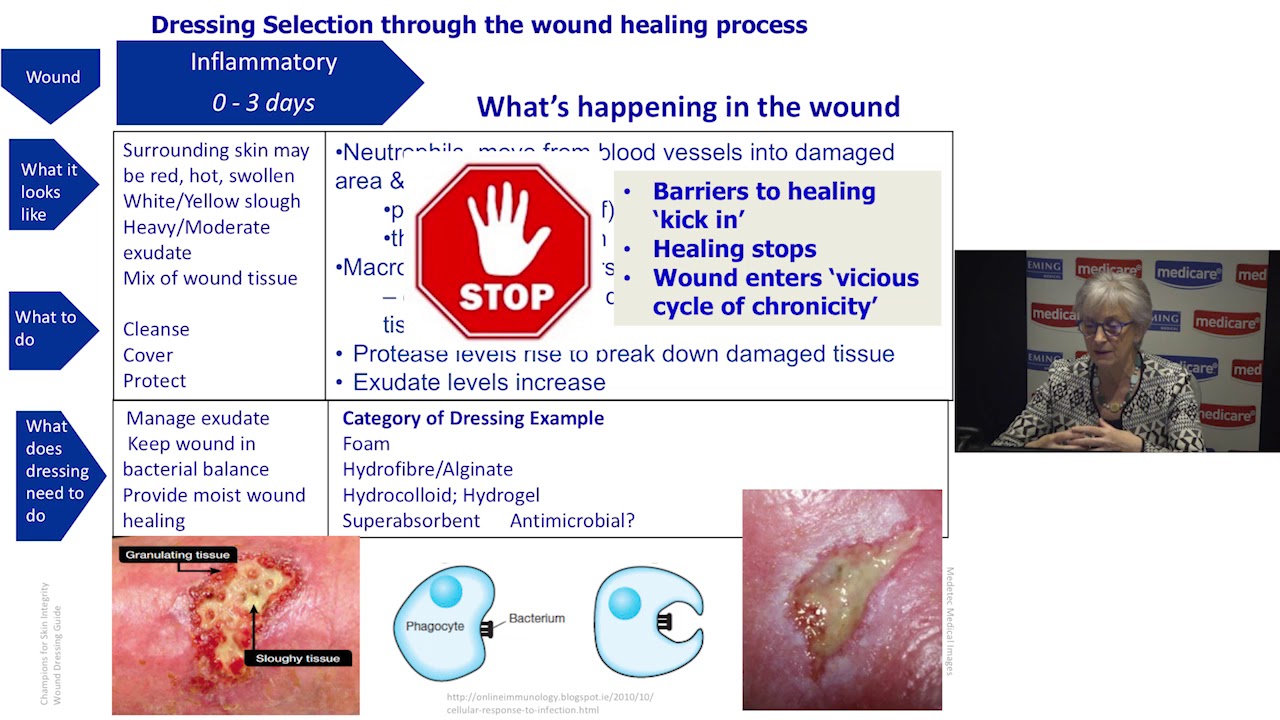
You should always check the wound carefully first. This helps you pick the best dressing for the wound. Look at how the wound is healing. Check where the wound is and how big it is. Notice how deep it goes and what kind of tissue is on top. You also need to see how much exudate there is. Watch for signs of infection and any bad smell. These things help you make a good plan for wound care.
Stage of wound healing
Location and size of the wound
Depth and tissue type
Amount of exudate
Infection and wound bioburden
Odor
Adhesiveness and ease of removal
Skin irritation from adhesives
Absorption needs
Frequency of dressing changes
Ease of use
Pain during dressing changes
Protection of the surrounding skin
Patient comfort and well-being
Patient preference
When you check the wound well, you can pick a dressing that keeps the right amount of moisture and stops infection. You can also choose dressings that make changing them easier and less painful. If you know the tissue type, you know what care the wound needs. Keeping the right moisture helps the wound heal faster.
Tip: SLK Medical uses new technology to help with wound care. Their dressings help every stage of healing and protect sensitive skin.
Exudate and Moisture
Exudate is the liquid that comes out of a wound. The amount and kind of exudate help you pick the right dressing. Too much fluid can make the skin too wet. Too little fluid can dry out the wound and slow healing. You need to match the dressing to the exudate level for the best healing.
Exudate Level | Key Characteristics | |
|---|---|---|
Low Exudate | Hydrocolloids | Keeps the wound moist, good for low exudate wounds. |
Moderate Exudate | Foams | Soaks up fluid, lets moisture out, fits moderate exudate wounds. |
High Exudate | Alginates | Very absorbent, holds lots of fluid, best for heavy exudate wounds. |
A dressing with the right moisture vapor transmission rate keeps the wound moist but not too wet. Foams and alginates are good for wounds with more exudate. Hydrocolloids work better for wounds with less fluid. If you use the wrong dressing, fluid can build up or the wound can get too dry.
Skin Sensitivity
Many people have skin that gets irritated easily. This is common in older adults and babies. Allergic contact dermatitis happens a lot. You may see redness, blisters, itching, or swelling. These problems can get worse with the wrong dressing. People with pressure ulcers or weak skin need extra care.
Pick dressings that are gentle and good for the skin. Hypoallergenic dressings do not pull or hurt the skin. They let air move through, which helps healing. Flexible dressings fit many body shapes and bandages. SLK Medical’s silicone foam dressings are made for sensitive skin. They lower pain and protect weak skin.
Breathable: Air can move through for healing
Flexible: Fits many wound shapes
Ease of Use
You want a dressing that is simple to put on and take off. This helps both patients and caregivers. Foam dressings soak up fluid and cushion the wound. They also lower pain when you change them. Hydrocolloid bandages keep the wound moist and block water and germs. Silver dressings fight bacteria and help wounds heal faster.
Dressing Type | Key Features | Usability Benefits |
|---|---|---|
Foam Dressings | Soaks up fluid, cushions, keeps heat in | Good for more exudate, less pain |
Hydrocolloid Bandages | Makes a gel, waterproof | Gentle on skin, keeps wound moist, easy to use |
Silver Dressings | Kills germs, has ionic silver | Lowers infection risk, helps chronic wounds, burns |
Dressings that are easy to use make patients more comfortable. They also help patients follow their wound care plan. When you use advanced dressings, you may not need to change them as often. This saves time and lowers the chance of infection.
Frequency and Cost
How often you change a dressing depends on the wound and how much fluid comes out. Wounds with lots of fluid may need changes up to three times a day. Wounds with less fluid need fewer changes. Some new dressings last a whole day or longer. As wounds heal and fluid drops, you can change dressings less often.
Factor | |
|---|---|
Heavy drainage | Up to three times daily |
Less drainage | Less frequent |
Most foot wounds | Once or twice per day |
Modern dressings | One day or longer |
More activity | More frequent changes |
Healing progress | Fewer changes as healing improves |
Cost matters when you care for wounds. Advanced dressings may cost more at first. They can save money later because they help wounds heal faster and need fewer changes. For example, silver dressings and soft silicone dressings are a good deal. They work well for pressure ulcers and other wounds. Faster healing means lower costs and better results for patients.
Note: SLK Medical cares about quality and new ideas. Their products help you take care of wounds well and heal faster, so they are a smart choice for care and cost.
Types of Wound Dressings
There are many wound dressings you can use. Each one works best for certain wounds and healing stages. SLK Medical has many advanced products. These include silicone foam dressings, hydrocolloid dressings, super absorbent dressings, and transparent dressings. Knowing about these dressings helps you pick the right one. This makes wound care better and more comfortable for patients.
Tip: The right wound dressing helps wounds heal, protects skin, and makes care easier.
Here is a quick look at the main types of wound dressings and what they are used for:
Category | Primary Indications | Pros | Cons |
|---|---|---|---|
Gauze Dressings | Infected wounds, wounds needing packing, draining wounds | Easy to find, low cost, can be used in many ways | Needs to be changed often, may stick to wounds, not good for moist healing |
Transparent Films | Partial-thickness wounds, donor sites, minor burns | Fits well, helps remove dead tissue, stops rubbing | May stick to wounds, not for wounds with lots of fluid |
Foams | Pressure ulcers, minor burns, skin grafts | Soft, does not stick, soaks up fluid | May need another dressing, can make skin around wound too wet |
Hydrocolloids | Burns, pressure ulcers, venous ulcers | Helps remove dead tissue, waterproof | May leave stuff behind, not for infected wounds |
Alginates | Venous ulcers, wounds with tunnels, heavy exudate | Soaks up lots of fluid, does not stick, helps remove dead tissue | Needs another dressing, may dry out the wound |

Foam Dressings
Foam dressings are great for wounds with a lot of fluid. You can use them for pressure ulcers, burns, and skin grafts. SLK Medical’s silicone foam dressings use D-Pore™ technology. This design soaks up fluid, keeps wounds moist, and protects weak skin. The foam does not stick, so taking it off hurts less.
Foam dressings are made from special polyurethane.
They keep wounds moist to help healing.
They work well for wounds with lots of fluid.
These dressings let water vapor in but block germs and dirt.
Foam dressings are soft and simple to use. They cushion wounds and lower pain when you change them. Some foam dressings, like SLK Medical’s, can stay on for days. This means you do not have to change them as much.
Note: Studies show foam dressings soak up a lot of fluid and you do not need to change them as often. This can help save money.
Hydrocolloid Dressings
Hydrocolloid dressings are good for wounds with little or medium fluid. You can use them for burns, pressure ulcers, and venous ulcers. These dressings turn into a gel when they touch wound fluid. The gel keeps wounds moist and helps get rid of dead tissue. SLK Medical’s hydrocolloid dressings are thin, bendy, and waterproof. You can see the wound through the clear layer without taking the dressing off.
Hydrocolloid dressings help remove dead tissue.
They keep water and germs out.
They are flexible and fit many body parts.
Studies show hydrocolloid dressings help heal pressure ulcers. They work as well as polyurethane dressings. Sometimes, you might see peeling or itching, but this does not happen often. Do not use hydrocolloid dressings on infected wounds.
Tip: Hydrocolloid dressings are a good pick if you want to keep wounds moist and lower pain during changes.
Super Absorbent Dressings
Super absorbent dressings are best for wounds with lots of fluid. You can use them for leg ulcers, pressure ulcers, diabetic foot ulcers, and surgical wounds that leak. SLK Medical’s super absorbent dressings have a special core. This core can hold up to 20 times its weight in fluid. The top layer does not stick, so taking it off is less painful.
Super absorbent dressings have a layer that pulls in fluid and a core that holds it.
They control wound fluid better than foam dressings.
You can use them under wraps for longer wear.
These dressings help stop skin from getting too wet and leaking. You do not need to change them as much, which saves time and helps wounds heal. Super absorbent dressings are a smart choice for wounds that need strong fluid control.
Transparent Dressings
Transparent dressings are thin, bendy, and waterproof. You can use them for surgical wounds, shallow wounds, and to hold catheters in place. SLK Medical’s transparent dressings let you see the wound without taking the dressing off. The film keeps out water and germs but lets air in.
Benefits | Limitations |
|---|---|
Keeps moisture in | Does not soak up fluid |
Stops infection | Can make skin too wet if wound leaks a lot |
Lets air in | Not for old or weak skin |
Lets you see the wound | Needs to be changed on time |
Protects from rubbing and bumps | Not for small kids |
Helps remove dead tissue |
Transparent dressings are easy to put on and take off. They keep wounds moist and protect them from rubbing. These dressings work best for wounds with little or no fluid. Do not use them for wounds that leak a lot or for very weak skin.
Note: Transparent dressings help remove dead tissue and let you check the wound without stopping healing.
Acute Wound Care Supplies
Dressings for Acute Wounds
When you treat acute wounds, you need a dressing that protects the wound and helps it heal quickly. Acute wounds are things like cuts, scrapes, burns, and surgical incisions. These wounds need to stay moist and safe from bacteria. You should keep the wound clean and try to stop infection.
SLK Medical has silicone foam dressings that work well for many acute wounds. These dressings use special D-Pore™ technology to keep wounds moist and soak up extra fluid. They do not stick to the wound, so taking them off hurts less. You can use these dressings for burns, pressure injuries, and surgical wounds. If a wound might get infected, dressings with silver, like the Alexer® Silicone Foam Ag Dressing, help fight bacteria and lower the chance of infection.
Studies show that different dressings help in different ways. Here is a table to help you pick:
Dressing Type | Effectiveness | Application Areas |
|---|---|---|
Silicone Foam Dressings | Keep wounds moist, gentle on skin, easy removal | Pressure injuries, burns, surgical wounds |
Fight bacteria, good for infected wounds | Infected wounds, burns | |
Copper Dressings | Help reduce wound area in some cases | Non-infected wounds |
Tip: Always choose a dressing that matches the wound type and how much fluid it has. This helps wounds heal better and faster.
Pros and Cons
Every dressing has things it does well and things it does not. You need to know these to make the best choice for wound care.
Silicone Foam Dressings:
Keep wounds moist, which helps them heal.
Do not stick to wounds, so taking them off is less painful.
Gentle on sensitive skin and good for pressure injuries.
Block bacteria from getting in.
Silver Nanoparticle Dressings:
Lower the risk of infection in wounds that are already infected.
Sometimes cause mild skin irritation for some people.
Table: Pros and Cons of Silicone Foam Dressings
Advantages | Disadvantages |
|---|---|
Keeps wounds moist for healing | Costs more than regular dressings |
Gentle stick, less pain when changing | Not for deep or very infected wounds |
Good for sensitive skin and pressure wounds | May not stay on well if you move a lot |
Protects against bacteria | Does not soak up a lot of fluid |
You should always look at the wound and pick the dressing that works best. SLK Medical dressings give you advanced choices for acute wound care. They help you take care of pressure injuries and other wounds with confidence.
Chronic Wound Care Supplies
Dressings for Chronic Wounds
Chronic wounds need extra care. These wounds are common in people with diabetes or poor blood flow. They also happen to people who stay in bed a lot. Some examples are pressure ulcers and diabetic foot ulcers. Venous leg ulcers are also chronic wounds. These wounds do not heal quickly. You need the right dressing to help them close and stop infection.
There are many dressings you can use for chronic wounds. Each one does something special. Polyurethane foam dressings are good for diabetic foot ulcers. They soak up fluid and keep wounds moist. Hydrocolloid dressings help get rid of dead tissue and protect wounds. Alginate dressings are best for wounds with lots of fluid. They keep wounds moist and help healing. Polyurethane film dressings let you look at the wound without taking off the dressing. Hydrogels add moisture to dry wounds. Tulle dressings protect new skin and keep wounds moist.
Here is a table to help you pick dressings for chronic wounds like diabetic foot ulcers and pressure ulcers:
Dressing Type | Properties and Uses |
|---|---|
Tulle Dressings | Stop harm to new skin, keep moist, good for wounds growing new tissue |
Polyurethane Films | Waterproof, let air in, let you see the wound, best for wounds with little fluid |
Polyurethane Foam | Soaks up fluid, keeps wounds moist, helps wound bed, used for diabetic foot ulcers |
Hydrogel Dressings | Add moisture to dry wounds, help remove dead tissue |
Hydrocolloid Dressings | Soak up fluid, help remove dead tissue, not for wounds on the bottom of the foot |
Alginate Dressings | Soak up lots of fluid, keep wounds moist, good for deep wounds |
SLK Medical has advanced foam and hydrocolloid dressings. These dressings protect weak skin and help with long-term wound care. You can use them for chronic wounds like diabetic foot ulcers and pressure ulcers.
Pros and Cons
You should know the good and bad things about each dressing for chronic wounds. Advanced dressings, like those from SLK Medical, help wounds heal faster. They keep wounds moist and lower the chance of infection. They also protect weak skin, which is important for chronic wounds.
Studies show advanced dressings heal chronic wounds better than regular dressings. Here is a table that shows healing rates:
Dressing Type | Mean Odds Ratio of Complete Healing | Overall Healing Rate |
|---|---|---|
Advanced Dressings | 1.52 | 33% |
Conventional Dressings | 0.77 | N/A |
Advanced/Uncontrolled | 0.47 | N/A |
Regular dressings may cost less and are easy to use. But they may not help chronic wounds heal as well as advanced dressings. Advanced dressings, like SLK Medical’s foam and hydrocolloid dressings, work better for chronic wounds such as diabetic foot ulcers and pressure ulcers.
Note: Chronic wounds need careful care. Always check the wound and pick the best dressing for long-term healing.
Burn Wound Care Supplies

Dressings for Burns
When you treat burns, you need a dressing that protects the wound and helps it heal. Burns can hurt a lot, cause fluid loss, and make infection more likely. You want to keep the wound moist and stop bacteria from getting in. The right dressing helps burns heal and makes you feel better.
SLK Medical’s Silicone Foam Dressings are good for burns. These dressings use new technology to soak up fluid and keep the wound moist. The soft silicone layer protects sensitive skin and lowers pain when you change the dressing. If the burn might get infected, you can use SLK Medical’s Silicone Foam Ag Dressings. These dressings have silver, which fights bacteria and helps stop infection.
You can see how different dressings help with healing and infection prevention:
Dressing Type | Benefits for Healing and Infection Prevention |
|---|---|
Antimicrobial Dressings | Lower bacteria, keep the wound moist, and help wounds heal faster. |
Silver-impregnated Dressings | Give strong antibacterial action and lower infection risk while keeping the wound moist. |
Composite Dressings | Control fluid and protect against germs, good for many types of burns. |
Alginate Dressings | Soak up lots of fluid and help remove dead tissue, best for burns with heavy drainage. |
Hydrocolloid Dressings | Keep the wound moist, lower pain, and protect against infection, good for mild to moderate burns. |
Tip: Always check how deep the burn is and how much fluid there is before picking a dressing. The right dressing helps the burn heal and keeps you comfortable.
Pros and Cons
You should know what each burn dressing does well and what it does not. Silver dressings, like SLK Medical’s Silicone Foam Ag Dressings, give strong protection from infection. They help burns heal faster and lower pain. These dressings are good for burns that might get infected or have a lot of fluid.
Here is a table to help you compare:
Dressing Type | Pros | Cons |
|---|---|---|
Help skin grow back, control infection, lower pain, and save money. | Risk of silver toxicity if used too long. | |
Silver Sulfadiazine (SSD) | Used for second-degree burns. | Not as good for healing or infection; may cause more scarring. |
Silver alginate dressings fight many kinds of bacteria, even ones that do not respond to antibiotics.
These dressings work best for wounds that are infected or could get infected.
Do not use silver dressings for too long because silver can build up in the body.
SLK Medical’s silicone foam dressings are gentle for burns. They protect the wound, control fluid, and make dressing changes hurt less. You can trust these dressings for pressure wounds and burns that need careful care.
Ulcer Wound Care Supplies
Dressings for Ulcers
You face many challenges when caring for ulcers. Pressure ulcers, diabetic foot ulcers, venous ulcers, and chronic leg ulcers need special attention. Each ulcer has different needs. You must choose the right dressing to help the wound heal and protect the skin.
Pressure ulcers often form on bony areas. You see them in people who stay in bed or sit for long periods. Diabetic foot ulcers appear on the feet of people with diabetes. Venous ulcers and chronic leg ulcers develop when blood does not flow well in the legs. These ulcers can last a long time and need careful wound care.
You can use several types of dressing for ulcers:
Hydrocolloid dressings help keep the wound moist and support healing for diabetic foot ulcers.
Alginate dressings soak up fluid and work well for diabetic foot ulcers and venous ulcers.
Hydrogel dressings add moisture and help heal diabetic foot ulcers.
Silver-containing dressings fight bacteria and protect the wound from infection.
You must look at the amount of fluid, the size of the ulcer, and the risk of infection. SLK Medical offers silicone foam dressings for pressure ulcers and chronic leg ulcers. These dressings cushion the wound and keep the skin safe. Super absorbent dressings help with ulcers that leak a lot. Transparent dressings let you check the wound without removing the dressing.
Ulcers cost billions each year. Venous leg ulcers cost about $14.9 billion. Diabetic foot ulcers cost between $9 billion and $13 billion. Choosing the right wound dressing helps you save money and improve healing.
Pros and Cons
You want to know which dressing works best for ulcers. Studies show moist dressings and polymeric membrane dressings help ulcers heal faster. Silver ion dressings also work well. Traditional dressings do not heal ulcers as quickly and need more changes.
Here is a table comparing dressing types for ulcer healing:
Dressing Type | Cure Rate | Healing Time | Dressing Changes |
|---|---|---|---|
Moist Dressings | Better | Reduced | Fewer |
Polymeric Membrane Dressings | Highest | N/A | N/A |
Silver Ion Dressings | Effective | N/A | N/A |
Traditional Dressings | Lower | Increased | More |
You should pick a dressing that keeps the ulcer moist and protects the skin. SLK Medical’s silicone foam dressings and super absorbent dressings help with pressure ulcers, venous ulcers, and chronic leg ulcers. Hydrocolloid and hydrogel dressings work well for diabetic foot ulcers. Silver dressings lower infection risk in ulcers.
Tip: Always check the ulcer and choose a dressing that matches its needs. The right wound dressing helps ulcers heal and keeps the skin healthy.
Surgical Wound Care Supplies
Dressings for Surgical Wounds
When you care for a surgical wound, you want to help it heal and avoid infection. You should choose a wound dressing that fits the wound’s size, depth, and position. You need to keep the wound moist, which helps new tissue grow and lowers the risk of complications. SLK Medical’s Silicone Foam Dressings work well for post-operative wounds. These dressings use advanced technology to soak up fluid and protect sensitive skin. The foam layer cushions the wound and reduces pressure on the area. You can use these dressings for surgical wounds that need extra comfort and support.
Transparent dressings from SLK Medical also help with surgical wounds. These dressings let you see the wound without removing the cover. The thin film keeps out water and bacteria. You can check the wound for signs of infection or pressure without disturbing the healing process. The adhesive is gentle, so you can remove the dressing without hurting the skin.
Best practices for surgical wound care include:
Use dressings that block bacteria and water.
Pick dressings that stick well but come off easily.
Change the dressing based on how much fluid the wound produces.
Watch for signs of pressure or infection.
Pros and Cons
You need to know the strengths and weaknesses of each dressing for surgical wounds. Silicone Foam Dressings offer many benefits. They cushion the wound and lower pressure, which helps prevent pain. These dressings soak up fluid and keep the wound moist. You can use them for wounds that need extra protection, especially after surgery.
Transparent dressings make it easy to check the wound. You can see if there is redness, swelling, or pressure marks. These dressings protect the wound from germs and water. They are easy to apply and remove, which helps you avoid skin damage.
Dressing Type | Pros | Cons |
|---|---|---|
Silicone Foam | Cushions wound, lowers pressure, absorbs fluid | Not for wounds with heavy bleeding |
Transparent | Lets you see wound, blocks germs, easy removal | Not for wounds with lots of fluid |
Tip: Always match the wound dressing to the wound’s needs. You help the wound heal faster and lower the risk of pressure injuries or infection.
Quick Guide: Matching Wound to Dressing
Picking the right wound dressing can be tricky. You need to match the dressing to what the wound needs. Look at how much fluid comes out. Check if there is a risk of infection. See how the wound is healing. Think about allergies. Make sure you or your patient can follow the dressing change plan.
Here is a table to help you match wound types to SLK Medical dressings. This guide helps you pick the best dressing for each wound.
Wound Type | SLK Medical Dressing Option | Absorption Capacity | Infection Protection | Skin Sensitivity | Recommended Use |
|---|---|---|---|---|---|
Acute Wound | Silicone Foam Dressing with Border | High | Yes | Yes | Cuts, burns, surgical wounds |
Chronic Wound | High | Yes | Yes | Pressure ulcers, diabetic ulcers | |
Burn | Silicone Foam Ag Dressing without Border | High | Silver ions | Yes | Moderate to severe burns |
Ulcer (Pressure/Diabetic) | Very High | Yes | Yes | Leg ulcers, foot ulcers | |
Surgical Wound | Low | Yes | Yes | Post-op wounds, catheter sites | |
Low Exudate Wound | Moderate | Yes | Yes | Minor burns, shallow wounds |
Tip: Always check the wound for fluid, infection, and healing before you pick a dressing. This helps the wound heal faster and keeps skin safe.
Clinics use many kinds of wound dressings. Each dressing works best for certain wounds. Foam dressings are good for wounds with lots of fluid. Hydrocolloid dressings help wounds with less fluid. Super absorbent dressings are best for wounds that leak a lot. Transparent dressings let you see the wound without taking off the cover.
When you pick a wound dressing, you should:
Match the dressing to how much fluid the wound has.
Think about allergies.
Make sure it is easy to use and change.
Using the right dressing helps wounds heal and makes patients feel better. SLK Medical has advanced dressings for every need.
You can help wounds heal faster by picking the right dressing. SLK Medical has special dressings that protect skin and help healing. Look at this table to see the main types of dressings and what they do:
Dressing Type | Description |
|---|---|
Contact Layers | Does not stick, good for delicate skin |
Foam Dressings | Soaks up fluid and keeps the wound warm |
Hydrogels | Keeps wounds moist and helps skin grow |
Impregnated Gauze | Manages moisture, does not stick |
Specialty Absorbent | Pulls away drainage and shields the area |
Gauze Rolls/Retention | Holds the dressing in place |
Always pick a dressing that fits what the wound needs. If you are not sure, ask a healthcare professional for help. Choosing the right dressing makes care easier and keeps patients comfortable.
FAQ
What is the best dressing for sensitive skin?
You should choose silicone foam dressings. These dressings protect fragile skin and lower pain during changes. SLK Medical offers advanced options that help you care for sensitive skin and improve healing.
How often should you change a wound dressing?
You need to check the wound and see how much fluid comes out. Most dressings last from one to seven days. Change the dressing sooner if it gets wet, dirty, or starts to peel.
Can you shower with a dressing on?
You can shower with waterproof dressings like silicone foam or transparent dressings. These dressings keep water out and protect the wound. Always check the edges after showering to make sure the dressing stays in place.
What dressing helps prevent infection?
You should use dressings with silver or antimicrobial layers. These dressings fight bacteria and lower infection risk. SLK Medical’s silver foam dressings help keep wounds clean and safe.
How do you pick the right dressing for each wound?
You need to look at the wound type, fluid level, and skin sensitivity. Match the dressing to these needs. SLK Medical offers many types of wound dressings for different healing stages.


