


SLK Medical foam dressings show remarkable results for pressure injuries and diabetic foot ulcers. Clinical studies highlight their role in improving healing and reducing both treatment costs and ulcer rates:
Study | Outcome |
|---|---|
Santamaria et al. (2015) | 60% decrease in treatment costs for pressure injuries in high-risk patients |
Diabetic foot ulcers study | Significant reduction in mean ulcer size and wound exudate with silver foam dressings |
Chaiken (2012) | Pressure ulcer rates dropped from 13.6% to 1.8% with silicone foam |
Chronic wounds such as these affect millions worldwide:
Diabetic foot ulcers occur in 4% to 25% of people with diabetes.
Recurrence rates can reach 65% over five years.
Complications include infections, long hospital stays, and a high risk of amputation.
SLK Medical foam dressings use advanced technology to support healing and patient comfort. The brand focuses on innovation, quality, and patient care. Their foam dressing solutions help healthcare professionals achieve better healing outcomes.
Key Takeaways
SLK Medical foam dressings significantly improve healing for pressure injuries and diabetic foot ulcers by maintaining a moist wound environment.
Using these dressings can reduce treatment costs and the frequency of dressing changes, making wound care more efficient.
Patients experience less pain during dressing changes due to the gentle silicone adhesive, which protects sensitive skin.
Clinical studies show that SLK Medical foam dressings lead to faster wound closure and lower infection rates, enhancing overall patient comfort.
Healthcare professionals should follow best practices, including regular monitoring and proper dressing selection, to optimize healing outcomes.
SLK Medical Foam Dressings Overview
SLK Medical stands out as a leader in advanced wound care. The company focuses on innovation and quality, offering solutions that support both patients and healthcare professionals. SLK Medical foam dressings use modern technology to address the challenges of pressure injuries and diabetic foot ulcers. The brand’s expertise ensures that each foam dressing meets the needs of sensitive skin and chronic wounds.
Product Features
SLK Medical foam dressings provide several important benefits for wound care. These dressings help maintain a moist wound environment, which is essential for healing. Patients experience less pain during dressing changes. The foam dressing design improves comfort and supports faster healing. Many slk medical foam dressings include antimicrobial properties, which help reduce infection risks. The skin-friendly silicone adhesive allows for painless removal, making these dressings ideal for fragile or sensitive skin. The multilayer structure controls moisture and manages infection, which is especially important for pressure injuries and diabetic foot ulcers.
Maintains a moist wound environment
Reduces pain during dressing changes
Improves patient comfort
Antimicrobial properties
Skin-friendly silicone adhesive for painless removal
Multilayer design for better moisture control and infection management
Technology and Innovation
SLK Medical foam dressings use advanced D-Pore™ technology. This technology sets slk medical foam dressings apart from standard products. D-Pore™ technology creates a dual-dimensional pore structure, which improves fluid absorption and breathability. The result is a foam dressing that supports optimal healing and reduces the risk of infection. The table below highlights the differences between slk medical foam dressings and standard products:
Feature | SLK Medical Foam Dressings | Standard Products |
|---|---|---|
Technology | D-Pore™ technology for moist wound healing | Standard technology |
Absorbency | High, multi-layer design | Lower absorbency |
Dressing Change Frequency | Reduced frequency | Higher frequency |
Silicone Border | Gentle, pain-free removal | Standard adhesive |
SLK Medical foam dressings offer a reliable choice for managing pressure injuries and diabetic foot ulcers. The combination of advanced technology and thoughtful design helps patients achieve better healing outcomes.
Pressure Injuries Case Studies

Patient Background
Pressure ulcers remain a common challenge in hospitals and long-term care settings. Many patients at risk include those in intensive care units, surgical wards, and emergency departments. These individuals often have limited mobility, chronic illnesses, or require extended bed rest. Clinical studies have focused on a variety of patient groups to evaluate the effectiveness of slk medical foam dressings.
Study Title | Patient Population | Findings |
|---|---|---|
An ounce of prevention | Acute care patients | Decreased incidence of heel pressure ulcers |
Preventing Hospital-Acquired Sacral Pressure Injuries | Critically ill patients | Effective in preventing sacral pressure injuries |
Effect of Soft Silicone Foam Dressings on Intraoperatively Acquired Pressure Injuries | Patients undergoing surgery | Significant reduction in risk of pressure injuries |
Researchers observed the following in recent clinical studies:
A study with 366 ICU patients showed a significant reduction in sacral pressure ulcers when using a 5-layer foam dressing.
In the emergency department, 150 patients experienced a low incidence of pressure ulcers with multi-layer soft silicone foam dressings.
Among 81 vascular surgery patients, a pre-/post-intervention study found fewer sacral pressure ulcers after introducing advanced foam dressing protocols.
These patient backgrounds highlight the diversity of cases where slk medical foam dressings support healing and reduce pain.
Treatment Protocol
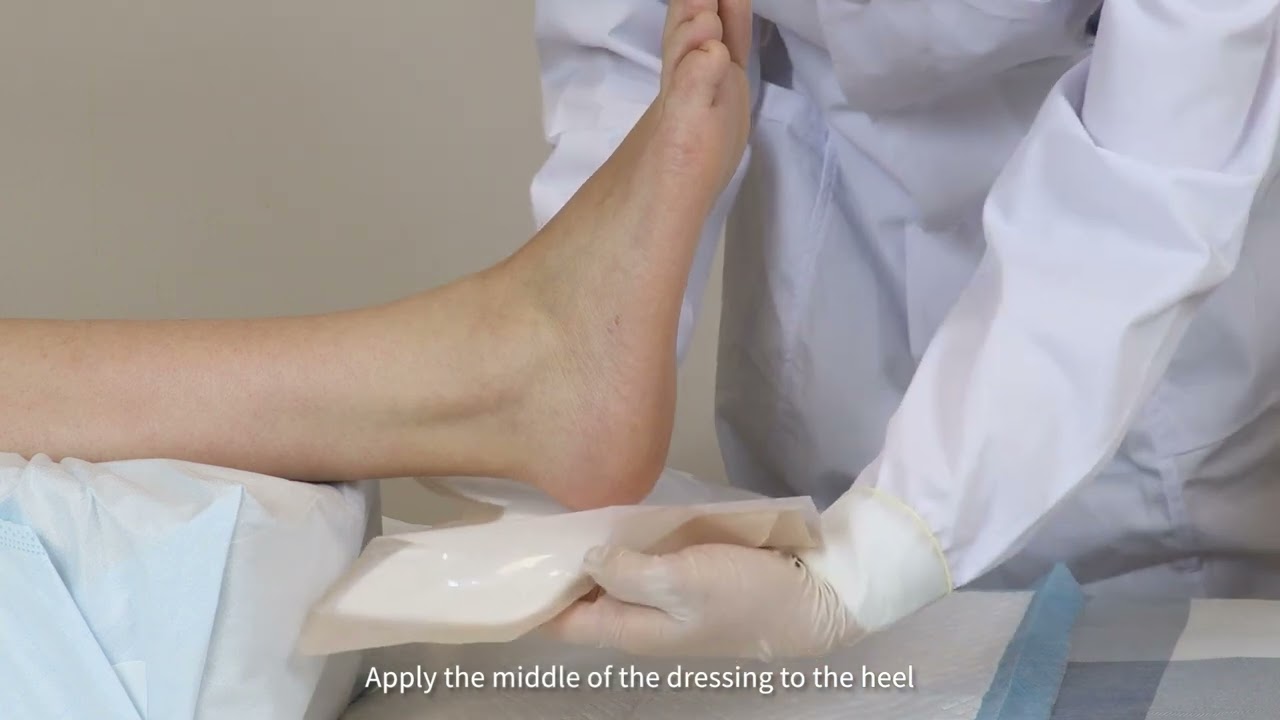
Clinicians select the appropriate foam dressing based on wound location, size, and exudate level. For pressure ulcers on the sacrum or heel, they often use a bordered slk medical foam dressing to ensure secure placement and optimal absorption. The dressing’s multi-layer design manages moisture and protects fragile skin.
Treatment steps include:
Cleanse the wound with a gentle, non-irritating solution.
Assess the wound for depth, exudate, and surrounding skin condition.
Apply the slk medical foam dressing, ensuring full coverage of the wound and a secure seal around the edges.
Monitor the dressing daily for signs of saturation or leakage.
Change the foam dressing every 3 to 7 days, or sooner if exudate levels increase.
Nurses and wound care specialists report that slk medical foam dressings help reduce pain during dressing changes. The silicone adhesive allows for gentle removal, which protects sensitive skin and minimizes trauma.
Healing Outcomes
Clinical studies consistently show positive healing outcomes with slk medical foam dressings. Patients experience faster healing, fewer complications, and improved comfort. In the ICU study, the incidence of sacral pressure ulcers dropped significantly after introducing the advanced foam dressing protocol. Surgical patients also benefited from a lower risk of intraoperative pressure injuries.
Key healing outcomes include:
Faster reduction in wound size and depth
Decreased risk of infection due to the moist wound environment
Lower rates of new pressure ulcers in high-risk populations
Improved patient satisfaction and comfort
The foam dressing’s ability to maintain a moist environment supports cell growth and tissue repair. Patients report less discomfort and reduced pain, especially during dressing changes. The silicone layer prevents the dressing from sticking to the wound bed, which further helps reduce pain and trauma.
Note: Clinical outcomes from multiple studies confirm that slk medical foam dressings deliver reliable results for pressure ulcers. These dressings not only accelerate healing but also help reduce pain and improve the overall patient experience.
Healthcare teams value the consistent healing outcomes and the ability to reduce pain for patients with pressure injuries. The use of slk medical foam dressings has become a standard part of many wound care protocols, reflecting their proven effectiveness in both prevention and treatment.
Diabetic Foot Ulcers Case Studies
Patient Background
Diabetic foot ulcers affect many people with diabetes. These wounds often develop on the bottom of the foot or toes. Patients with diabetic foot ulcers usually have poor blood flow and nerve damage. They may not feel pain from small injuries, which can lead to larger wounds. Many patients are older adults who have lived with diabetes for several years. Some have a history of high blood sugar levels and other health problems, such as kidney disease or heart issues.
Doctors often see patients with wounds that do not heal quickly. The wounds may have thick edges, yellow tissue, or signs of infection. Some patients have swelling or redness around the ulcer. These wounds can become serious if not treated early. The risk of infection and amputation increases when wounds do not heal.
Note: Early treatment and proper wound care can help prevent complications from diabetic foot ulcers.
Treatment Protocol
Healthcare teams use a step-by-step approach to treat diabetic foot ulcers. They start by cleaning the wound with a gentle solution. Doctors remove dead tissue to help the wound heal. They check for signs of infection and may prescribe antibiotics if needed.
SLK Medical foam dressings play a key role in the treatment plan. The team selects the right foam dressing based on the wound’s size, depth, and amount of fluid. For wounds with heavy drainage, they choose a highly absorbent foam dressing. For sensitive skin, they use a gentle silicone foam dressing.
The treatment protocol includes:
Clean the wound and surrounding skin.
Remove dead tissue if present.
Apply the slk medical foam dressings, making sure the dressing covers the entire wound.
Secure the foam dressing in place. For wounds on the heel or toes, a bordered foam dressing works well.
Change the foam dressing every 3 to 7 days, or sooner if it becomes saturated.
Monitor the wound for signs of infection or delayed healing.
Doctors also advise patients to keep weight off the affected foot. They may use special shoes or crutches to reduce pressure on the ulcer. Good blood sugar control helps support healing.
Healing Outcomes
SLK Medical foam dressings show strong results in the healing of diabetic foot ulcers. Clinical case studies report faster wound closure and less pain during dressing changes. Patients notice a decrease in wound size after a few weeks of treatment. The foam dressing keeps the wound moist, which helps new tissue grow.
A typical case involves a 62-year-old man with a diabetic foot ulcer on his heel. The wound measured 3 cm by 2 cm and had moderate drainage. The care team used a slk medical foam dressing with a silicone border. After two weeks, the wound size reduced by half. The patient reported less pain and no signs of infection. The foam dressing absorbed excess fluid and protected the skin around the wound.
Another case involved a woman with a long-standing ulcer on her toe. She had poor blood flow and a history of slow healing. The team applied a slk medical foam dressing designed for sensitive skin. Over four weeks, the wound showed steady healing. The dressing stayed in place and did not cause irritation. The patient felt comfortable and could walk with less pain.
Case | Wound Location | Initial Size | Treatment | Healing Progress | Outcome |
|---|---|---|---|---|---|
1 | Heel | 3×2 cm | SLK Medical foam dressing with border | 50% reduction in 2 weeks | No infection, less pain |
2 | Toe | 1.5×1 cm | SLK Medical foam dressing for sensitive skin | Steady healing over 4 weeks | Wound closed, improved comfort |
The healing process with slk medical foam dressings often leads to:
Faster wound closure
Lower risk of infection
Less pain during dressing changes
Improved patient comfort and mobility
Tip: Consistent use of a high-quality foam dressing can make a big difference in the healing of diabetic foot ulcers.
Doctors and nurses trust slk medical foam dressings for their ability to manage moisture and protect fragile skin. The advanced design supports healing by keeping the wound moist and free from bacteria. Patients benefit from fewer dressing changes and a better quality of life.
Foam Dressing Comparison
Healing and Outcomes
SLK Medical foam dressings deliver strong results in wound management for both pressure injuries and diabetic foot ulcers. Many clinical studies show that these dressings support faster healing and reduce complications. When compared to other foam dressing brands, such as Mepilex Border Flex and ALLEVYN LIFE, SLK Medical foam dressings perform at a high level. Mepilex Border Flex receives praise for absorbency and durability, while ALLEVYN LIFE reduces hospital-acquired pressure injuries by nearly half. SLK Medical foam dressings use advanced technology to maintain a moist wound environment, which is essential for cell growth and tissue repair.
User satisfaction surveys for diabetic foot ulcers show that 27.5% rate comfort as ‘Very good’ and 69.7% as ‘Good’.
Mepilex Border Flex adapts to wound contours and manages exudate efficiently, supporting healing.
SLK Medical foam dressings improve healing, reduce pain, and lower infection risk in both chronic and acute wounds.
Hospitals and clinics choose foam dressings because they lower total care costs. These dressings reduce the number of dressing changes and save staff time. SLK Medical foam dressings stand out for their cost-effectiveness, offering fewer changes, faster healing, and better patient outcomes.
Source | Key Findings |
|---|---|
Evaluating the Economic Impact of Foam Dressings in Wound Care Supplies | Foam dressings lower total care costs by reducing dressing changes, staff time, and improving healing outcomes. |
Comparing the True Costs of Foam Dressings and Traditional Gauze in Medical Supplies | Foam dressings cut total costs and improve outcomes over gauze, with fewer changes and better comfort. |
Patient Comfort
Patient comfort plays a key role in wound management. SLK Medical foam dressings use a gentle silicone adhesive that allows painless application and removal. This feature protects the skin around the wound and avoids sticking to newly healed areas. The flexible design and soft foam core help redistribute pressure, control moisture, and cushion the wound site.
Key Features | Benefits |
|---|---|
Gentle silicone adhesive | Enables painless application and removal, protecting peri-wound skin and avoiding adherence to newly healed areas. |
Flexible design and soft foam core | Redistributes pressure, controls moisture, and cushions the wound site, enhancing patient comfort. |
Absorbent foam core | Manages exudate effectively, preventing maceration and skin breakdown. |
Patients often report significant pain relief during dressing changes with SLK Medical foam dressings. Pain scores are lower at the first dressing change, and there are fewer dressing-related skin changes. Many patients express higher satisfaction with their wound management experience.
Tip: Choosing the right foam dressing can improve both healing and comfort, making wound management easier for patients and caregivers.
Gentle-Adhesive Foam Dressings Benefits
Sensitive Skin Care
Gentle-adhesive foam dressings offer important benefits for patients with sensitive or fragile skin. Many people with chronic wounds, such as pressure ulcers or diabetic foot ulcers, have skin that is easily damaged. SLK Medical foam dressings use soft silicone foam dressings to protect these patients. The silicone layer does not stick to the moist wound bed, so it reduces the risk of skin tears and irritation. This design supports moist wound healing and helps maintain skin integrity.
Atraumatic and non-adherent dressings like silicone are important for managing skin tears.
Silicone coatings have lower surface tension and do not adhere to moist wound beds, which reduces trauma and pain.
Soft silicone foam dressings are gentle on fragile or sensitive skin and minimize disruption to healing tissue.
These dressings are low-allergenic and provide secure adhesion.
High absorbency and effective exudate management are key features. The foam dressing absorbs excess fluid, keeping the wound area dry and comfortable. This helps prevent maceration and supports improved comfort for the patient. Many patients with chronic wounds experience allergic reactions to adhesives, but soft silicone foam dressings lower this risk.
Note: Allergic contact dermatitis affects up to 30% of chronic wound patients. Using gentle-adhesive foam dressings can help reduce these complications.
Pain and Trauma Reduction
Pain during dressing changes is a major concern for many patients. SLK Medical foam dressings address this issue with their gentle-adhesive design. Soft silicone foam dressings minimize pain and trauma by reducing peel force and preventing skin stripping. The non-adherent properties of these dressings mean less pain and less damage to the skin during removal.
Study Type | Findings |
|---|---|
Randomized Controlled Trial | Silicone foam dressings led to faster healing and fewer dressing changes for ulcers. |
Quantitative Research | Pain intensity was lower during removal with soft silicone adhesives. |
Clinical Studies | Soft silicone foam dressings reduce pain and skin trauma by minimizing peel force. |
Gentle-adhesive foam dressings support moist wound healing and provide improved comfort for patients. The high absorbency of the foam dressing ensures effective exudate management, which keeps the wound environment optimal for healing. Patients with pressure ulcers, diabetic foot ulcers, and other chronic wounds benefit from fewer dressing changes and less discomfort.
Silicone dressings maintain a moist wound environment and minimize trauma.
Non-adherent properties reduce pain and epidermal stripping during dressing changes.
Secure adhesion with minimal skin stripping ensures improved comfort and healing.
Gentle-adhesive foam dressings are suitable for a wide range of patient populations, including those with fragile skin, elderly patients, and individuals with chronic wounds. These dressings provide high absorbency, effective exudate management, and improved comfort, making them a valuable choice in modern wound care.
Key Insights and Recommendations
Clinical Benefits
SLK Medical foam dressings deliver important advantages in wound care for chronic and acute wounds. These advanced foam dressings create a moist wound healing environment, which supports faster healing and reduces pain. Clinicians observe improved patient comfort and patient satisfaction when using these dressings for chronic and acute wounds. The silicone layer protects fragile skin and helps minimize dressing changes. SLK Medical foam dressings work well for both chronic and acute wounds, offering reliable results in wound healing applications.
Key benefits include:
Maintains a moist wound healing environment for chronic and acute wounds
Improves healing rates and supports faster healing in wound healing applications
Reduces pain and trauma during dressing changes
Enhances patient comfort and patient satisfaction
Lowers infection risk in chronic and acute wounds
Minimizes dressing changes for chronic and acute wounds
SLK Medical foam dressings support healing in chronic and acute wounds, making them a preferred choice for wound care professionals.
Practical Tips
Clinicians can optimize wound care for chronic and acute wounds by following best practices with SLK Medical foam dressings. A step-by-step approach ensures effective wound healing applications and patient comfort.
Clean the wound and surrounding skin before applying the foam dressing.
Select the right SLK Medical foam dressing for the wound type and exudate level.
Apply the dressing to cover the wound completely, ensuring a secure fit.
Monitor the wound for signs of infection or delayed healing.
Change the dressing every 3 to 7 days, or sooner if saturated.
Remove the dressing gently to protect sensitive skin and support faster healing.
Challenges sometimes arise in wound care for chronic and acute wounds. The table below shows common issues and solutions:
Challenges | Proposed Solutions |
|---|---|
Regulatory complexity | Focus on comparative effectiveness research |
Inconsistent reimbursement policies | Improve awareness and education among healthcare providers |
Higher costs compared to conventional dressings | Leverage technology for better inventory management and patient outcomes |
Need for more comparative studies |
Clinicians should maximize healing and patient comfort by using SLK Medical foam dressings for chronic and acute wounds. These dressings provide a moist wound healing environment, improve healing, and offer reliable results in wound healing applications. Patient satisfaction increases when clinicians follow best practices and address challenges in wound care for chronic and acute wounds.
Clinical case studies show that SLK Medical foam dressings support healing for pressure injuries and diabetic foot ulcers. These dressings create a moist environment that promotes healing and protects sensitive skin. Healthcare professionals see faster healing and fewer complications. SLK Medical continues to lead with innovation and a focus on patient comfort. Their advanced foam dressings help patients achieve better healing outcomes. Healthcare teams can trust SLK Medical products to deliver reliable healing and improve quality of care.
FAQ
What types of wounds can SLK Medical foam dressings treat?
SLK Medical foam dressings work well for pressure injuries, diabetic foot ulcers, venous leg ulcers, burns, and post-operative wounds. They help manage wounds with moderate to heavy drainage and support healing for sensitive or fragile skin.
How often should healthcare professionals change SLK Medical foam dressings?
Most SLK Medical foam dressings can stay in place for three to seven days. The frequency depends on the wound’s condition and the amount of fluid. Healthcare professionals should check the dressing daily for saturation or signs of infection.
Are SLK Medical foam dressings suitable for patients with sensitive skin?
Yes. The silicone layer in SLK Medical foam dressings gently adheres to the skin. It reduces pain during removal and protects fragile skin. This makes the dressings ideal for patients who have sensitive or easily damaged skin.
How do SLK Medical foam dressings help with infection prevention?
SLK Medical foam dressings create a moist wound environment and act as a barrier against bacteria. Some dressings contain silver, which provides extra antimicrobial protection. These features help lower the risk of infection and support faster healing.
Can SLK Medical foam dressings be cut to fit different wound shapes?
Many SLK Medical foam dressings can be trimmed to fit unique wound shapes or hard-to-cover areas. This flexibility helps healthcare professionals provide better coverage and protection for wounds on different parts of the body.


