You see wound care changing fast. Medical supply companies use smart materials and new technology. They also build strong supply chains. Innovation helps patients get better care. It also helps providers work faster. SLK Medical is a leader in the field. They offer advanced solutions for wound care. The medical supply market grows every year.
-
The wound care market was over USD 22 billion in 2025. It may go above USD 41 billion by 2034.
-
The market keeps growing. It could reach USD 33.62 billion by 2033.
You see wound care getting better. This happens because of new ideas and technology in medical supplies.
Key Takeaways
-
Smart dressings use technology to watch wounds. They help wounds heal faster. These dressings can find infections. They give treatment right where it is needed.
-
SLK Medical is a leader in wound care. They make products that lower pain. Their products help wounds heal faster. Their dressings are made to be comfortable. They also work well.
-
The healthcare supply chain is changing. Good local and global plans help things arrive on time. These plans also help give better care.
-
New technology in wound care helps patients get better results. Tools like AI and digital monitoring make care easier and faster.
-
Health equity is very important. Things like telemedicine and mobile care units help more people get good wound care.
Future of Wound Care Trends
Smart Dressings & Materials
Smart dressings are changing how wounds are managed. In the last five years, new materials and technology have grown quickly. Some dressings use artificial intelligence to watch wounds. Machine learning helps find and sort pressure injuries with high accuracy. Mobile apps let you take pictures of wounds and track healing well.
-
Smart bandages check body signals and help wounds heal faster.
-
There are more biodegradable and eco-friendly materials now.
-
You get wound care made just for you.
-
Hydrogels and antimicrobial dressings are used more often.
-
New investments in dressings help the market grow and improve healing.
Manufacturers use Industry 4.0 tools like IoT sensors to make products better. Personalized care matches value-based healthcare models. Bioengineered skin substitutes help keep wounds moist and help new tissue grow. These changes start a new chapter in wound care.
Pain-Free Healing Solutions
You want healing to be easy and work well. New technology makes pain-free healing possible. Smart dressings find infections and give antibiotics only when needed. Hydrocolloid dressings keep wounds wet and help them heal faster. Silver wraps fight infection and help you heal with less pain. Bioactive materials help your cells grow back and heal quickly. Smart dressing technology watches wounds and tells care teams about changes, which helps with chronic wounds.
|
Innovation Type |
Description |
|---|---|
|
Smart Wound Dressings |
Find infections and give antibiotics when needed, helping healing. |
|
Hydrocolloid Dressings |
Keep wounds wet, making healing better. |
|
Silver-infused Wraps |
Fight infections and help you heal with less pain. |
|
Bioactive Materials |
Help cells grow back, so wounds heal faster. |
|
Smart Dressing Technology |
Watches wounds and alerts care teams, important for chronic wounds. |
You get better results with these new treatments. Studies show new therapies heal 81.33% of wounds, while old methods heal 57.33%. You heal faster and feel less pain. Pain scores are lower, and life gets better. These new ideas show how technology can change wound care.
SLK Medical’s Innovations
You can use the newest technology with SLK Medical’s products. SLK Medical leads with dressings that use smart materials and new designs. The Alexer® Silicone Foam Dressing – Border Flex has five layers and Flex Technology for full stretch. This keeps the dressing in place and protects wounds from germs and water. The silicone layer stops sticking, so dressing changes hurt less.

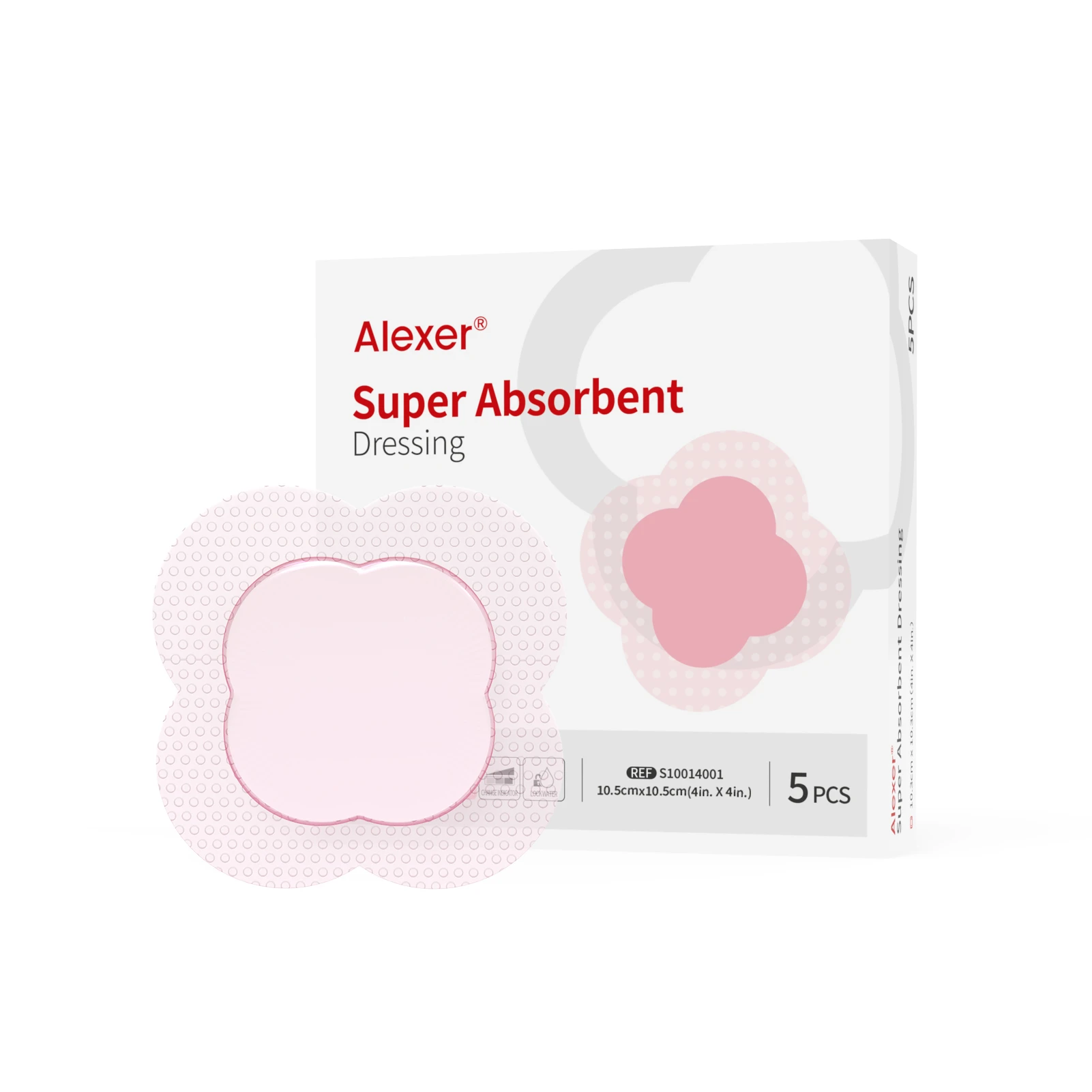
The Alexer® Non Adhesive Foam Dressing fits any wound shape. You can cut it to fit, and it stays waterproof and blocks germs. The Alexer® Silicone Foam Ag Dressing without Border uses silver to lower infection risk and makes removal less painful. The Alexer® Super Absorbent Dressing Non Adherent soaks up lots of fluid, so you change dressings less and have less trauma.

SLK Medical’s Silicone Wound Contact Layer sticks gently to sensitive skin. You can change the pad without moving the contact layer. The Hydrocolloid Dressing keeps wounds wet and helps remove dead tissue. The Transparent Dressing lets you see wounds without taking off the dressing, so there is less pain and skin problems.
SLK Medical’s focus on technology and comfort sets a new standard in wound care. These products show how new ideas can help wounds heal, lower pain, and make life better.
Wound Care Innovations & Technology
AI & Digital Monitoring
Technology is changing wound care every day. AI-driven tools help you watch healing and find problems early. Smart dressings have sensors that check pH and temperature. These sensors help spot infections sooner. Digital solutions record and study wound pictures. This helps you keep better records. Decision support systems use data to help plan treatments. They also help you see risks. Quality assurance apps make sure you follow care rules.
Here is a table that shows how technology helps with wounds:
|
Application Type |
Description |
|---|---|
|
Smart Dressings |
Sensors check pH and temperature to find infections early. |
|
Hyperspectral Imaging |
Tells healthy tissue from wounded tissue for better sorting. |
|
Decision Support Systems |
Uses data to help plan treatment and check risks. |
|
Quality Assurance Applications |
AI systems help with records and following care rules. |
Digital wound monitors like Wound Zoom and PictZar give good measurements. These tools help you compare results and improve care. Remote patient monitoring is easy to use. People say these digital tools work better than old ways.
Smart Bandages & Imaging
Smart bandages use tech to track healing and help you recover faster. Wireless bandages check temperature and impedance. This helps you see how wounds heal. Some bandages use electrical signals to close wounds faster and lower infection risk. You can see real-time data on your phone. This makes it easier to manage chronic wounds.
Platforms like VeCare let you watch wounds at home. The smart bandage checks temperature, pH, bacteria, and swelling in minutes. You get quick and correct wound checks. This helps you get care on time. Smart bandages also give medicine when needed. This lowers pain and helps wounds heal fast.
Recent new ideas include:
-
Smart bandages with liquid diodes that sense pH.
-
Dressings that pump out extra fluids by themselves.
-
Wearable dressings that use electrical signals.
-
Hydrogel dressings that control drug release.
These new tools make wound care work better and hurt less.
SLK Medical Product Highlights
SLK Medical uses tech to make wound care better for you. Studies show people heal faster with SLK Medical products. Mike Reed healed after big cancer surgery on his head. An 84-year-old woman’s leg ulcer healed in three months. An 82-year-old man’s arm injury healed in two weeks.
You find the clear film dressing comfy and it works well. Patients say taking off the dressing does not hurt much. This makes them happier. Fewer infections mean wounds heal better. SLK Medical’s focus on tech and comfort sets a high standard for wound care.
Medical Supply Chain Evolution
Supply Chain Risks & Resilience
Every year, new problems appear in the healthcare supply chain. Risks get bigger as supply chains connect more parts. You see more cyber threats, shortages, and problems with quality. These risks can stop work and hurt patient care.
|
Risk Type |
Description |
|---|---|
|
Cybersecurity Threats |
More connections make supply chains easy targets for cyberattacks. This can hurt patient care. |
|
Supply Chain Disruptions |
Wars, disasters, and pandemics can cause shortages and slowdowns. |
|
Bad management can lower product quality and cause recalls or legal trouble. |
|
|
Technological Failures |
Problems with new technology like AI can risk patient safety and healthcare work. |
You notice these risks happening now. The World Economic Forum says over half of big companies have trouble with cyber safety. The Global Healthcare Exchange warns that the healthcare supply chain may become weak by 2025. Almost all healthcare providers say they have shortages. Many face serious shortages that put care at risk.
To stay strong, you need good plans. You can:
-
Build strong ties with suppliers and share news often.
-
Watch your supply chain closely and check inventory.
-
Use backup plans, like working with other industries, to keep supplies.
-
Know what extra supplies you have and use them when needed.
-
Get supplies from many places to avoid problems from disasters or wars.
-
Use new ways to make products fast, like 3D printing.
-
Use better data to spot risks and act quickly.
-
Make IT systems the same for easier inventory checks.
-
Work with public groups to get more supplies.
-
Make backup plans for surprises.
These actions help you handle risks and keep things running well.
Localized & Global Distribution
The healthcare supply chain is changing how it works. Providers and suppliers use both local and global ways to move supplies. This helps them be stronger and work better. New ideas match inventory with what is used, especially in places that do not need urgent care. Automation and using data help you manage inventory better.
Local distribution has three big benefits over global ways:
Local distribution makes the supply chain faster, saves money on transport, and lowers risks from outside problems. Warehouses near factories give quicker delivery and a steady supply.
Global distribution is also growing. Providers use good supply chain models to reach more patients and fix shortages. Automation and smart data use help you check how things are going and change quickly. You can react faster to risks and keep inventory balanced.
SLK Medical’s Supply Chain Strength
You want a partner who gives you good products and service. SLK Medical is a leader in the healthcare supply chain. They have top certifications and deliver fast. The company meets FDA, ISO 13485, and CE MDR rules. This shows they care about safety and quality.
|
Certification |
Relevance |
|---|---|
|
FDA |
Shows the company follows U.S. medical rules. |
|
ISO 13485 |
Means the company uses a global quality system for medical devices. |
|
CE MDR |
Needed to sell products in Europe. |
SLK Medical uses smart supply chain tools to get products to you quickly and safely. They answer orders in four hours or less. You get a 96.1% on-time delivery rate, which is better than most companies. The reorder rate is 34%, showing customers trust them more than the usual 15-25%.
You can count on SLK Medical for:
-
Quick and correct delivery, even when supplies are low.
-
Top-quality products that meet tough rules.
-
Strong inventory control and a safe supply chain.
-
Good backup plans for sudden problems.
You feel safe knowing your supply chain partner cares about quality, speed, and safety. SLK Medical helps you beat supply chain risks and makes sure you always have what you need.
Impact on Patients & Providers
Improved Outcomes & Comfort
You heal better and feel more comfortable with new wound care. Modern technology helps you heal faster. It lowers problems and helps you get back to normal life.
New medical technology helps wounds heal. It lowers problems and helps people feel confident. These new tools help people stay out of the hospital. They stop amputations and help people move better. Life gets much better with these changes.
Personalized care meets your special needs. Advanced dressings keep wounds moist. They fight infection and lower swelling. You get help from tools that watch wounds all the time. Oxygen gets to wounds better. These things help people with chronic wounds. Chronic wounds need extra care to stop problems and help people feel better.
|
Aspect of Care |
Impact on Patient Outcomes |
|---|---|
|
Standardization |
Makes care the same for everyone. Healing is better and problems are fewer. |
|
Comprehensive Education |
Staff learn more, so care gets better. |
|
Innovative Technologies |
Helps watch wounds and change care plans for each person. |
Efficiency in Care Delivery
You get care faster and more correctly with new tech. Digital wound care tools help you and your team see how wounds heal. They help you make good choices. These tools make chronic wounds heal 25% faster. Nurses and doctors save lots of time. This means they can help you more.
-
Digital wound care tools make you feel better and happier.
-
Better tracking and notes help make care just for you.
-
Even wounds that do not heal all the way get smaller and look better. This helps you feel better.
People think Swift Skin and Wound makes care faster and more correct. It helps teams work together and makes care better. This means patients get better results.
Doctors use smart systems to find problems early. They make care plans that fit you. Better computer systems and easier billing help your team spend more time with you.
Health Equity & Access
You may have trouble getting care if you live far away or have less money. Chronic wounds hurt many people, especially older ones. Not everyone gets the same care. Health equity means everyone should get good care, no matter where they live or who they are.
-
Chronic wounds hurt about 2.5% of people in the U.S. Older people get them more.
-
People in poor areas use old ways that may not work well.
-
Places with less money do not have new wound care tools.
New ideas help close these gaps. Health equity gets better with mobile wound care vans. Telemedicine lets you talk to doctors from home. Community health workers help people get care. Easy payment plans and help with language make care easier to get. Good care plans and proven ways make sure everyone gets the best care.
Regulatory & Industry Shifts
Certification & Compliance
You see more rules shaping wound care every year. You must follow strict standards to keep patients safe. Certifications like FDA, ISO 13485, and CE MDR show that a company meets high-quality rules. These certifications help you trust the products you use. You need to check that your suppliers meet these standards. This keeps your patients safe and your practice strong.
You should always look for products with clear labels and proof of certification. This protects you from recalls and legal problems.
Chinese Brands in Global Market
You notice more Chinese brands in the wound care market. These brands grow fast because they use new ideas and strong supply chains. You see more people choosing advanced products like hydrogels and foam dressings. Telemedicine and digital tools help you manage wounds better. You also see that healthcare reforms in China support better products.
-
Customers know more about wound care and want better products.
-
Advanced dressings like hydrogels and foams are now common.
-
Telemedicine helps you get care even if you live far away.
-
Different regions have different needs based on their hospitals and clinics.
-
China’s strong economy and new health rules help brands grow.
You benefit from more choices and better prices as these brands enter the global market.
Future Best Practices
You need to focus on the patient first. You should build a team with doctors, nurses, and supply experts. Every change in supplies should help patients and make care easier for nurses. You must keep looking for new ideas in wound care to get better results and waste less.
-
Put the patient at the center of every decision.
-
Work with a team from different fields.
-
Check how new supplies affect care and nursing work.
-
Keep finding new ways to improve wound care and reduce waste.
-
Create a database to track wound care steps.
-
Stay up to date with new treatments and products.
-
Make your supply chain smarter to get better results.
-
Train your staff all the time.
You see wound care moving toward personalized treatment and more technology. You also see a new culture of wound care growing. These changes help you give better care and work more efficiently.
You notice wound care getting better with smart dressings and digital tools. Strong supply chains help make care safer and help you heal faster. Technology and good supply chains will change medical supplies in the future. SLK Medical is a leader because they focus on quality, new ideas, and patient care.
Pick what is best for your patients—look at SLK Medical’s new solutions today. Reach out to us if you want more details or want free samples.
FAQ
What makes SLK Medical dressings different from others?
SLK Medical uses smart designs and special materials. D-Pore™ technology helps the dressing soak up fluid and lets air in. These dressings keep your skin safe and help wounds heal faster.
How do you choose the right dressing for your wound?
Think about what kind of wound you have. Look at the size and how much fluid comes out. Here are some examples:
|
Wound Type |
Recommended Dressing |
|---|---|
|
Chronic Ulcer |
Silicone Foam, Super Absorbent |
|
Post-Op |
Non-Adhesive Foam, Transparent |
|
Sensitive Skin |
Silicone Contact Layer, Hydrocolloid |
Can you use SLK Medical products on sensitive skin?
Yes, you can. SLK Medical makes dressings for skin that is soft or breaks easily. The silicone contact layer helps stop pain and keeps your skin safe when you change it.
How fast does SLK Medical deliver supplies?
You will get a reply in four hours or less. Most orders ship out fast. The company delivers on time 96.1% of the time. You can count on them to send your supplies quickly.
Where can you get more information or free samples?
Go to SLK Medical’s website. You can also ask the team for more details or ask for free samples.