


You see real progress in modern wound care when you choose dressing foam for your patients. Advanced foam dressings help wounds heal faster, keep you comfortable, and lower infection risks. SLK Medical leads with innovation, always focusing on better patient outcomes. Take a look at the table below to see how dressing foam reduces the number of dressing changes and wound area, while also cutting costs.
Metric | Baseline Value | Final Value | Reduction (%) |
|---|---|---|---|
Mean number of dressing changes | 3.14 ± 1.77 | 1.66 ± 0.87 | 47.1% |
Mean wound area (cm²) | 9.90 ± 19.62 | 7.10 ± 24.33 | 28.3% |
Wounds with >30% area reduction | N/A | 85.9% (n = 61) | N/A |
Mean weekly costs (€) | 20.07 ± 18.57 | 13.00 ± 13.44 | Significant reduction (P < .001) |
Modern foam dressings also help manage moisture and use antimicrobial agents to protect against infection, making them essential for you in clinical settings.
Key Takeaways
Foam dressings significantly reduce the number of dressing changes needed, leading to lower costs and improved patient comfort.
These dressings maintain a moist environment, which is crucial for faster wound healing and preventing skin breakdown.
Antimicrobial features in foam dressings help protect against infection, especially in high-risk wounds.
Advanced materials and designs in modern foam dressings enhance absorption and comfort, making them suitable for various wound types.
Choosing the right foam dressing based on wound characteristics can greatly improve healing outcomes and patient satisfaction.
Dressing Foam in Wound Care
What Is A Foam Dressing
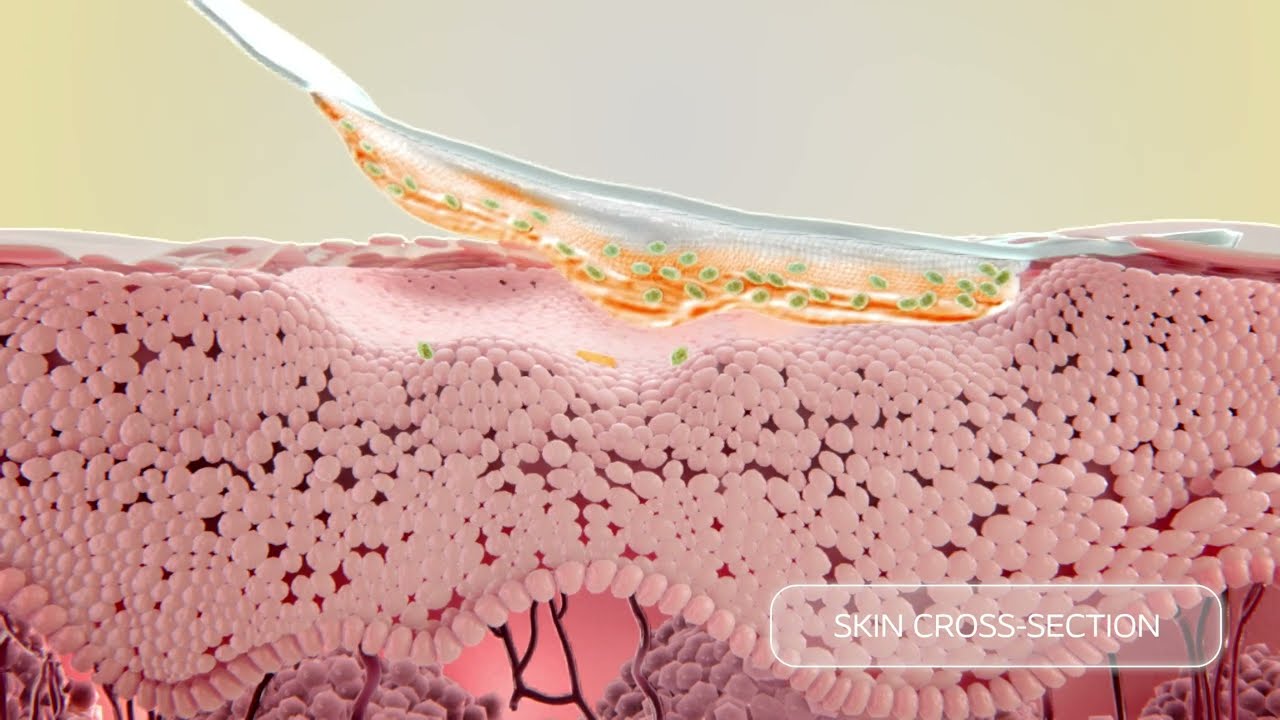
You may wonder what makes a foam dressing different from other wound care products. Foam dressings are advanced materials designed to help you manage wounds more effectively. Most foam dressings use polyurethane or silicone as their main material. These dressings have a unique structure with small, open cells that can hold fluids. This design allows the dressing to absorb wound exudate while keeping the area moist, which is important for healing.
You can find foam dressings in many forms, such as wafers, rolls, and special shapes for different parts of the body. Some dressings come with adhesive borders, while others are non-adhesive for easy removal. The outer layer is usually hydrophobic, which means it keeps water and bacteria out. The inner layer is hydrophilic, so it draws moisture away from the wound. This combination helps you protect the wound and support the healing process.
Here is a quick overview of the main features of foam dressings:
Characteristic | Description |
|---|---|
Composition | Made from semi-permeable polyurethane or silicone |
Properties | Non-adherent, non-linting, lets water vapor in but blocks bacteria |
Function | Creates a moist environment, supports natural cleaning, provides cushioning |
Use as Dressings | Works as primary or secondary dressing, ideal for moderate to high exudate |
Additional Features | Some include agents like silver or honey for extra benefits |
You will notice that foam dressings are versatile. You can use them for many wound types, including pressure ulcers, diabetic foot ulcers, and burns. The non-adhesive surface makes removal gentle, which is helpful if you have sensitive skin or need frequent dressing changes.
How Dressing Foam Works
Dressing foam plays a key role in wound healing. When you apply a foam dressing, it acts as a barrier that protects the wound from bacteria and outside moisture. The foam absorbs excess fluid, which helps prevent skin breakdown and maceration. At the same time, it keeps the wound moist, which is essential for new tissue to grow.
The skin protects your body and keeps everything in balance. When you get a wound, you need a dressing that covers and shields the area. Dressing foam helps defend against infection, supports normal cell function, and guides the healing process.
You will find that foam dressings work by balancing moisture. Too much fluid can slow healing, but too little can dry out the wound. The foam absorbs just enough exudate to keep the wound moist but not soggy. This environment helps your body clean the wound naturally and encourages faster repair.
Some foam dressings include extra features, such as antimicrobial agents like silver. These dressings help reduce the risk of infection, especially in wounds that are slow to heal or at higher risk for bacteria. You can use foam dressings as either a primary dressing, placed directly on the wound, or as a secondary dressing to cover another product.
Clinical studies show that foam dressings improve healing for many wound types. For example, they work better than simple gauze for pressure ulcers with blisters. Some foam dressings even release pain-relieving agents, making them a good choice if you want comfort during healing.
When you choose dressing foam, you give your wound the best chance to heal quickly and safely. The right dressing can make a big difference in your recovery.
Advancements in Dressing Foam

New Materials and Designs
You now have access to foam dressings that use the latest materials and smart designs. Over the past five years, manufacturers have introduced dressings with improved polyurethane foams and silicone layers. These new materials help you manage wounds more effectively. Many dressings now include antimicrobial agents right in the foam, which helps protect against infection. Some dressings use biodegradable materials, making them better for the environment. You can also find dressings shaped to fit different parts of the body, which makes them more comfortable and helps them stay in place. SLK Medical’s D-Pore™ technology stands out by creating a dual-dimensional pore structure. This design improves breathability and fluid absorption, giving you better dressing performance and comfort.
New foam dressings use advanced pore architecture for better fluid handling.
Anatomically shaped dressings improve comfort and fit.
Some dressings now include digital health features for remote wound monitoring.
Enhanced Absorption
You want a dressing that can handle wound fluid without leaking or causing skin problems. Modern foam dressings offer enhanced absorption, which means they can take in more exudate and keep it locked away. Studies show that these dressings outperform older types, especially in managing moderate to heavily exuding wounds. They reduce the number of dressing changes you need, which saves time and lowers costs. The advanced foam structure in products like those from SLK Medical helps prevent maceration and supports faster healing. When you use these dressings, you help your wound heal up to 20% faster compared to traditional options. This improvement in exudate management leads to better outcomes and less discomfort.
Antimicrobial Features
Infection control is a top priority when you care for wounds. Many foam dressings now include antimicrobial agents such as silver or DACC. These agents help stop bacteria from growing in the dressing and on the wound. Clinical studies show that antimicrobial foam dressings lower the risk of infection and support healing, especially in high-risk wounds. For example, silicone in foam dressings has proven effective in reducing hospital-acquired pressure injuries. When you choose a dressing with antimicrobial features, you give your wound extra protection and improve your chances for a smooth recovery.
SLK Medical Foam Dressings
Product Range Overview
You have many options when you choose SLK Medical foam dressings for wound care. These dressings cover a wide range of wound types, so you can find the right solution for each patient. SLK Medical offers dressings for pressure ulcers, venous ulcers, arterial ulcers, diabetic foot ulcers, surgical wounds, traumatic wounds, donor sites, partial-thickness burns, abrasions, and lacerations. Each dressing is designed to meet the needs of different wounds and skin types.
Here is a table that shows how SLK Medical foam dressings help you manage various wounds:
Wound Type | Benefits of SLK Medical Silicone Foam Dressings |
|---|---|
Pressure ulcers | Effective moisture management and wound protection |
Venous ulcers | Adaptability to various wound conditions |
Arterial ulcers | Suitable for both acute and chronic wounds |
Diabetic foot ulcers | Maintains moist environment to promote tissue regeneration |
Surgical wounds | Conforms to irregular shapes for proper coverage |
Traumatic wounds | Reduces infection risk and preserves tissue integrity |
Donor sites | Gentle adherence and atraumatic removal for patient comfort |
Partial-thickness burns | Multi-layered design prevents maceration |
Abrasions and lacerations | Reliable option for diverse wound care challenges |
You can select foam dressings with borders, without borders, composite types, and even antimicrobial options. SLK Medical also provides dressings in different shapes and sizes, so you can treat wounds on the heel, sacrum, or other hard-to-cover areas. This flexibility helps you deliver better care and improve healing outcomes.
Key Features and Benefits
When you use SLK Medical foam dressings, you give your patients advanced protection and comfort. These dressings have high absorptive capacity, so they draw in wound exudate and keep the area moist. This helps prevent maceration and supports tissue regeneration. You will notice that foam dressings create a barrier against bacteria and outside contaminants, which lowers the risk of infection.
The soft, cushioning design of each dressing makes it comfortable for patients, especially those with sensitive skin or fragile wounds. You can use foam dressings for chronic wounds, surgical sites, and wounds with different levels of fluid output. The versatility of these dressings means you can manage many wound types with one product line.
Clinical studies show that foam dressings help wounds heal faster. Patients report less pain during dressing changes, and you see a higher rate of healed pressure ulcers compared to traditional dressings. Here is a table that compares outcomes:
Outcome | Foam Dressings | Traditional Dressings |
|---|---|---|
Healing Time | Shorter | Longer |
Pain During Changes | Lower | Higher |
Incidence of Healed Pressure Ulcers | Higher | Lower |
You can use foam dressings for critically ill patients, those with diabetic foot ulcers, and children after surgery. Reviews and trials show that these dressings lower the risk of pressure injuries and skin trauma. Foam dressings also help manage exudate and protect against infection in chronic venous leg ulcers.
Tip: You can improve patient comfort and healing by choosing foam dressings that match the wound type and location. SLK Medical offers dressings that conform to body contours and stay in place, even on difficult areas.
You see the difference when you use dressings that combine advanced materials, smart design, and proven clinical benefits. SLK Medical foam dressings help you achieve better healing outcomes, lower pain, and reduce infection risks for your patients.
Comparing Foam Dressings
Exudate Management
You need effective exudate management for successful wound management. Foam dressings stand out because they absorb and retain wound fluid, which helps prevent leakage and skin damage. When you use foam dressings, you see less pooling and a drier wound edge. In a study with 64 patients who had chronic wounds, silicone foam dressings led to significant reductions in exudate levels. Almost half of the wounds healed after just over three weeks, and most patients and nurses noticed better wound conditions.
Several studies show that foam dressings outperform hydrocolloid dressings in exudate management. About 81% of foam dressings received a “good” absorbency rating, while only 26% of hydrocolloids did. Foam dressings also had fewer problems with leakage and detachment. This makes them a top choice for exuding wounds and for wounds that need strong exudate management.
Patient Comfort
You want your dressing to feel comfortable and easy to wear. Foam dressings provide a soft, cushioning layer that protects the wound and reduces pain. Many patients report less pain during dressing changes. Some foam dressings, like AQUACEL Foam, conform well to the body and resist moisture, which keeps the wound environment comfortable. You also benefit from fewer dressing changes, which means less disruption and more time for healing.
Foam dressings conform to body contours, improving comfort.
Patients experience less pain during application and removal.
Moisture resistance helps maintain a soothing wound environment.
Healing Outcomes
You can expect better healing outcomes when you choose foam dressings for wound management. In clinical studies, almost half of chronic wounds treated with silicone foam dressings healed within a month. Over 60% of wounds showed new skin growth by the end of the study. Patients and nurses both reported improvements in wound condition. Foam dressings also scored high for ease of use and patient satisfaction. Nurses preferred them for their quality and performance, especially in surgical and oncology cases.
Tip: When you select foam dressings with strong exudate management, you help wounds heal faster and keep patients more comfortable.
Foam dressings give you reliable results for a wide range of wounds. They support healing, manage exudate, and improve comfort, making them a smart choice for modern wound management.
Choosing Foam Dressings
Assessing Wound Needs
You should always start by looking at the wound before picking a foam dressing. Each wound has unique needs. You want to match the dressing to the wound type and the amount of fluid it produces. If you see signs of infection, you may need a dressing with antimicrobial properties. Comfort and ease of changing the dressing also matter for healing.
Match the dressing to the wound’s needs.
Use antimicrobial dressings if you notice infection.
Choose dressings that are comfortable and easy to change.
The table below shows how wound characteristics guide your choice:
Wound Characteristic | Dressing Selection Reasoning |
|---|---|
Depth | Choose foam dressings that fit the wound’s depth for best coverage. |
Exudate Level | Pick dressings that absorb moderate to heavy fluid. |
Monitoring | Check the wound often to make sure the dressing works well. |
Comfort and Fit
You want your dressing to feel good and stay in place. Foam dressings with silicone adhesives offer gentle removal and reduce pain. Flexible foam dressings adapt to the shape of the wound, which helps if the wound is on a curved or sensitive area. Good moisture management keeps the wound comfortable and supports healing.
Design Feature | Benefit |
|---|---|
Silicone Adhesives | Gentle removal and less pain. |
Conformability | Fits wound contours for better comfort. |
Moisture Management | Keeps the wound moist for healing. |
Breathability | Lets oxygen in and keeps germs out. |
Tip: Borderless foam dressings work well for wounds on joints or tricky spots.
Clinical Considerations
You need to think about skin sensitivity and allergies when choosing a foam dressing. Allergic reactions can happen, especially in patients with chronic wounds. Many people react to common allergens like PVP-iodine. Silicone-based foam dressings are a safer choice for sensitive skin. If you try a new dressing, consider a patch test first to check for any reaction.
You help your patients heal faster and more comfortably when you match the right foam dressing to the wound’s needs, comfort, and skin type.
Future of Dressing Foam
Emerging Technologies
You will see exciting changes in the way foam dressings are made and used. New technologies are shaping the future of wound care. Many companies now use artificial intelligence (AI) to improve dressing design and testing. AI helps create dressings that fit your wound better and work more efficiently. You may soon find dressings made with 3D printing, which allows for custom shapes and sizes. This means you can get a foam dressing that matches your wound exactly, making healing faster and more comfortable.
AI improves personalized treatment by analyzing your wound and suggesting the best foam dressing.
Automated testing in labs makes sure each dressing meets high standards.
3D printing creates custom dressings for wounds with unique shapes.
AI speeds up the process of developing new foam dressings, so you get better products sooner.
These advances will help you get dressings that are safer, more effective, and tailored to your needs.
Impact on Wound Care
You can expect foam dressings to play a bigger role in wound management. Experts predict that advanced dressings will soon become the standard for treating many types of wounds. The market for wound care is growing quickly, with advanced products expected to make up most of the sales by 2026. You will notice that more healthcare providers choose foam dressings because they offer better results and greater comfort.
Factor | Description |
|---|---|
Prevalence of Chronic Wounds | More people have wounds like diabetic foot ulcers and pressure sores. |
Patient Comfort | Foam dressings reduce pain and trauma during changes, helping you heal. |
Cost-Effectiveness | These dressings save money by reducing the number of changes needed. |
AI-powered diagnostics and biologic dressings are changing how you and your doctor manage wounds.
The demand for advanced foam dressings is rising as more people need better wound care.
You will benefit from dressings that help wounds heal faster and lower the risk of infection.
Note: The future of foam dressing technology promises more personalized, comfortable, and cost-effective solutions for every wound.
You see real progress in topical wound management when you use advanced wound dressings. SLK Medical gives you options that help every patient heal faster and feel more comfortable. You protect each patient from infection and pain. The moist wound environment supports healing and reduces discomfort for the patient. You lower the risk of infection for the patient with every dressing change.
Evidence Type | Description |
|---|---|
Moist Wound Environment | The AQUACEL® Foam dressing creates a moist wound environment that promotes healing and reduces pain. |
Infection Control | Foam dressings may lead to fewer adverse events related to wound infections compared to basic wound contact dressings. |
You help each patient by choosing dressings that lead to fewer wound infections. Souliotis 2016 found only 12 infection events in the foam group, compared to 21 in the basic group.
You give every patient a better chance at recovery with SLK Medical’s ongoing innovation.
You make a difference for every patient by choosing the right foam dressing.
FAQ
What types of wounds can you treat with foam dressings?
You can use foam dressings for many wounds. These include pressure ulcers, diabetic foot ulcers, surgical wounds, burns, and abrasions. Foam dressings work well for wounds with moderate to heavy fluid.
How often should you change a foam dressing?
You should change the dressing every 3 to 7 days. The exact time depends on how much fluid the wound produces and your healthcare provider’s advice.
Are foam dressings safe for sensitive skin?
Yes, foam dressings with silicone contact layers are gentle. You can use them on sensitive or fragile skin. They help reduce pain during removal and lower the risk of skin damage.
Do foam dressings help prevent infection?
Foam dressings create a barrier against bacteria. Some have antimicrobial agents, like silver, that help protect your wound from infection and support faster healing.
Can you shower while wearing a foam dressing?
Most foam dressings have a waterproof outer layer. You can usually shower without removing the dressing. Always check the product instructions or ask your healthcare provider.


